
Lake Manyara National Park
While Lake Manyara National Park is lesser-known among Tanzania’s many magnificent wildlife parks, it shouldn’t be overlooked in the rush to see the more celebrated Serengeti and Ngorongoro Crater. The park is a soft introduction to an East Africa safari but also a rewarding destination for a classic Africa safari experience.
From the iconic tree-climbing lions, incredible elephant herds and thousands of flamingos to diverse landscapes, Lake Manyara National Park offers a surprisingly rich experience that draws many wildlife enthusiasts.
Lake Manyara National Park at a Glance
Lake Manyara National Park is a scenic park located in northern Tanzania, between Lake Manyara and the Great Rift Valley in the region of Arusha. It spans 325 km2 (125 sq mi) much of which (about 230 km2 (89 sq mi)) is taken up by the lake surface leaving a narrow strip of land along its shores where animals and birds congregate.
The park is part of the popular northern safari circuit, where most adventures typically start in Arusha, visit Lake Manyara then continue to the Serengeti and Ngorongoro before returning to Arusha.
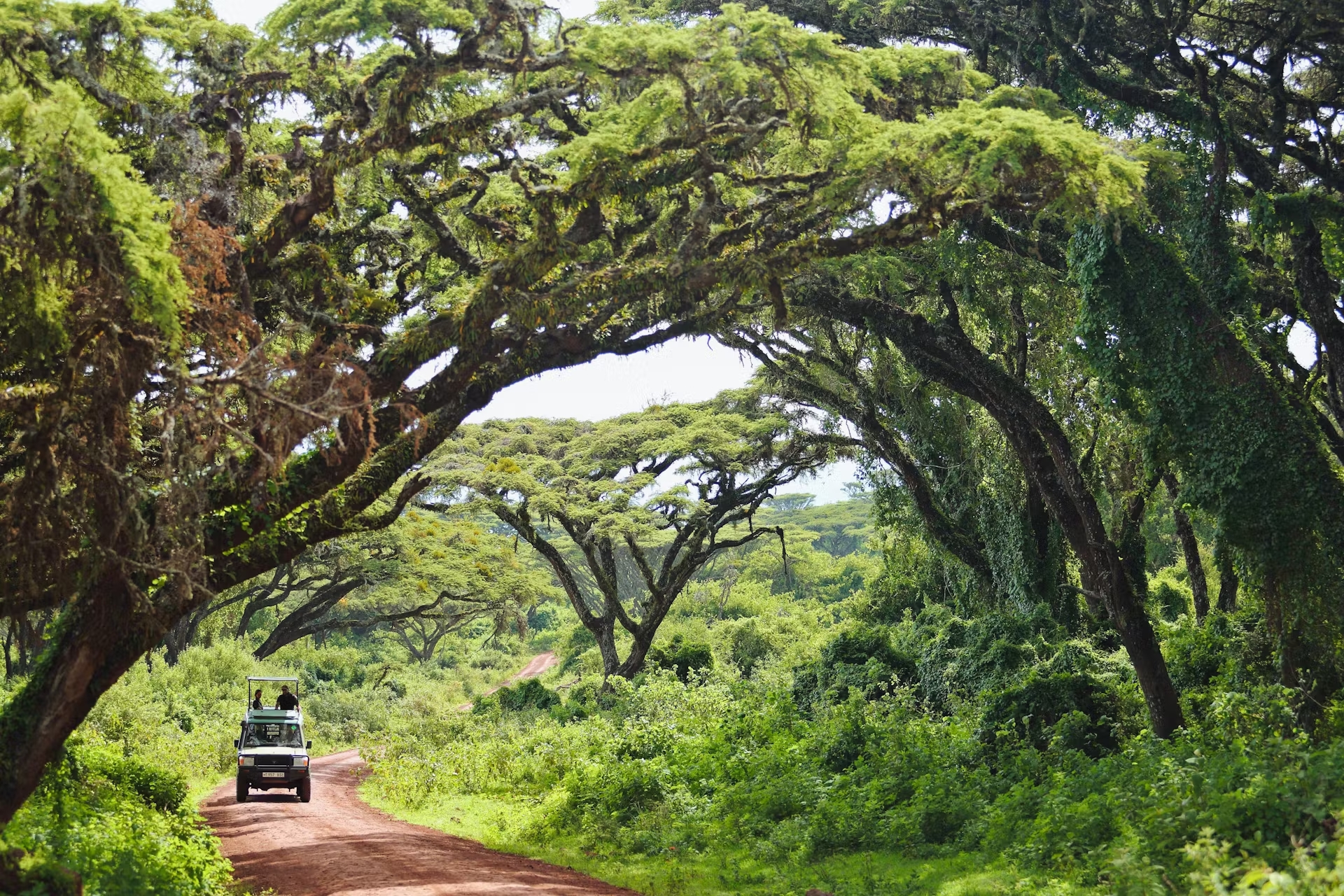
Designated in 1960 as a national park, Lake Manyara’s stunning landscape features lush forests, grassy plains, marshlands, dense acacia woodland and the namesake soda lake, which provides perfect habitats for diverse wildlife thereby ensuring a concentrated but diverse safari in a unique setting.
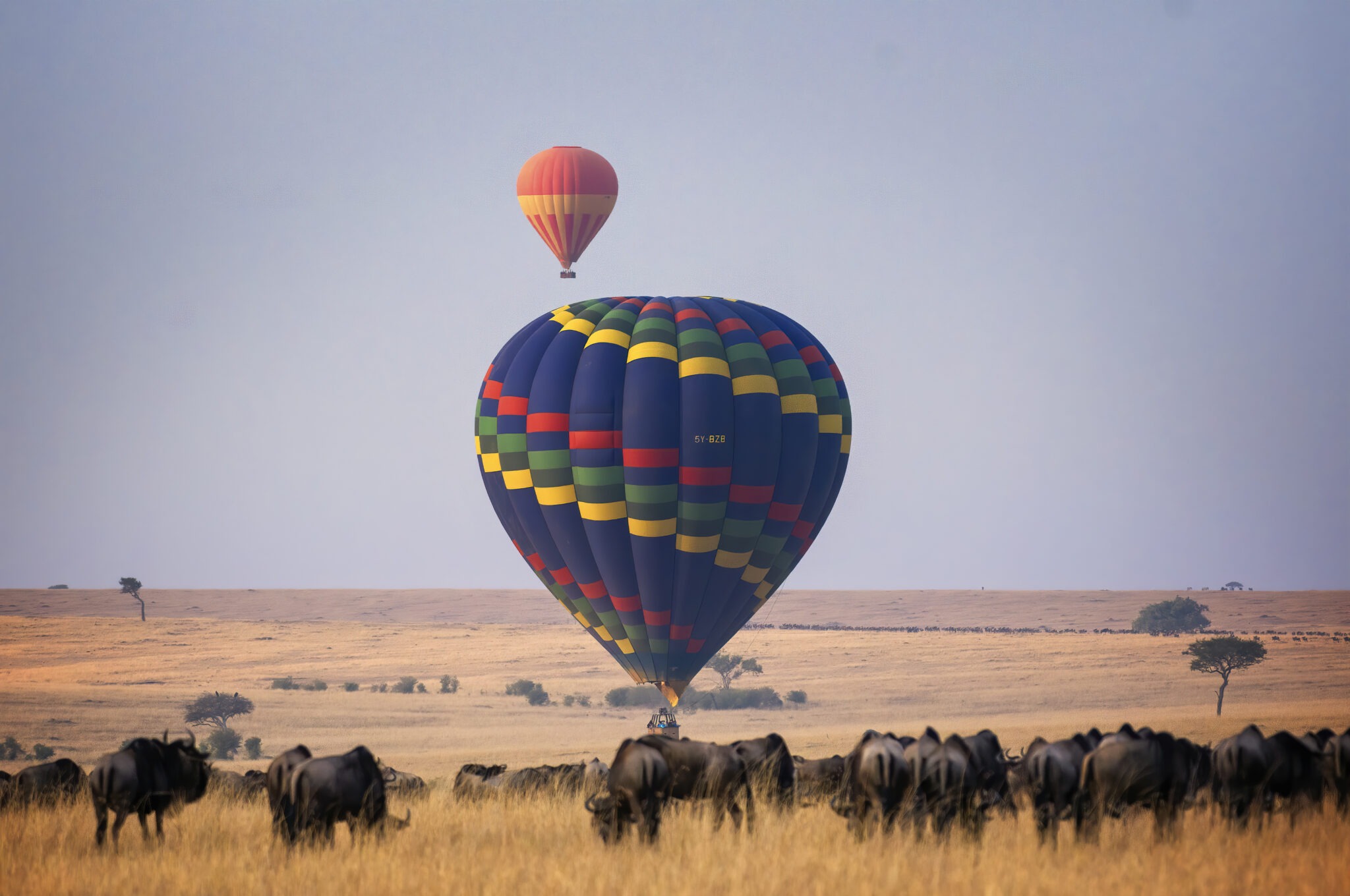
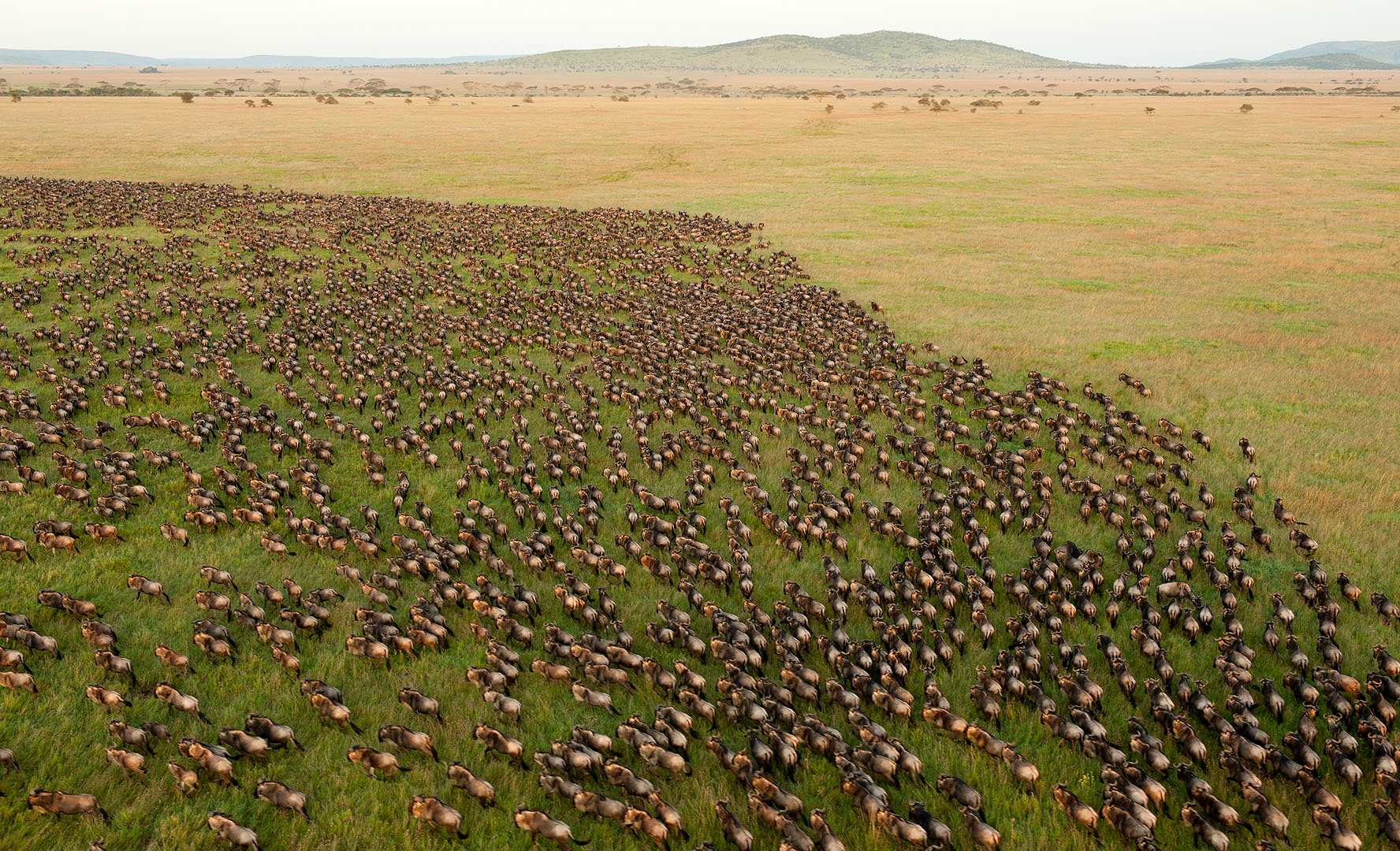
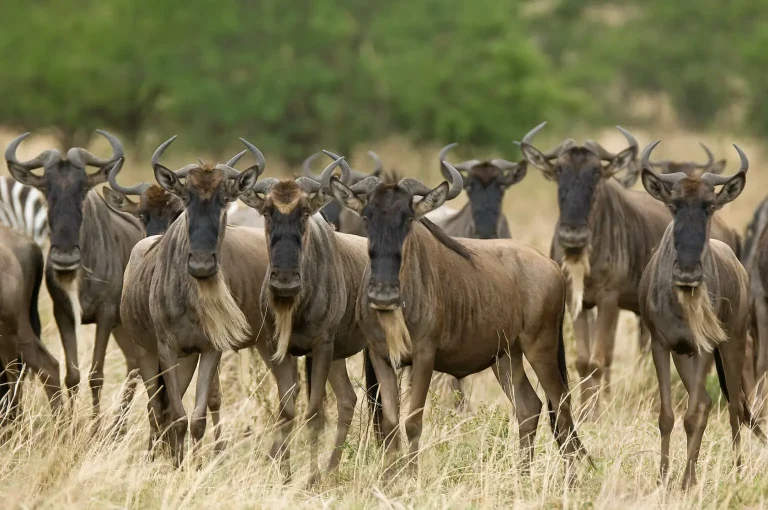
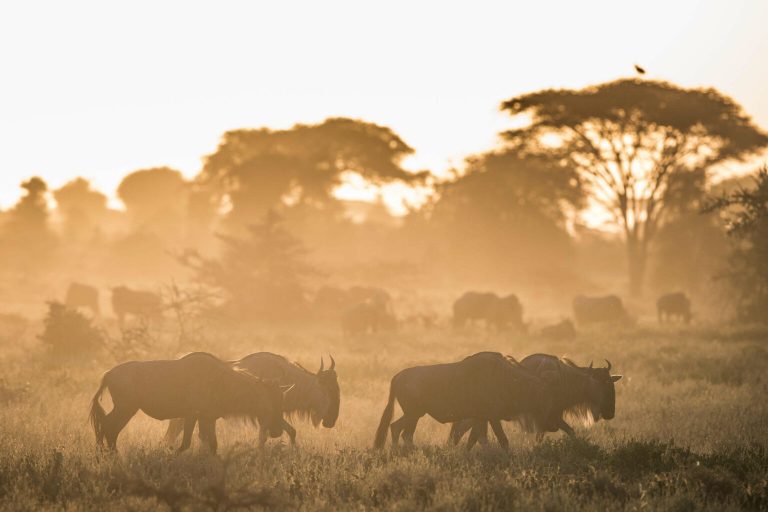
For instance, the acacia woodlands and open grasslands teem with herbivores, including wildebeest, zebra, and buffalo, while giraffes browse on leafy delights high in the savanna’s acacia trees. Predators including lions, leopards, and hyenas also thrive with the abundance of prey.
Lake Manyara National Park‘s scenic landscape is framed by the 500m high Rift Valley escarpment which looms over the park, offering a dramatic backdrop that contrasts well with the surrounding lush vegetation and the lake’s shimmering waters, making the park a perfect destination for wildlife viewing and photography.
At the foot of the Ngorongoro highlands (escarpment), the famous groundwater forest which is fed by underground springs consists of Kioto lilies, giant ferns, figs, mahogany trees, piles of elephant dung, primate troops, bushbucks, and more than 200 avian species.
The soda lake which is also fed by underground springs and streams cascading from the escarpment is the perfect breeding place for the hundreds of thousands of flamingos. It is the centrepiece of the park, offering a bounty of water for all of its hungry resident wildlife.
While water levels fluctuate seasonally, the lake usually remains shallow. However, high water levels in recent years have eliminated the lakeshore game-drive track, considerably changing the quality of wildlife viewing.
Wildlife in Lake Manyara National Park
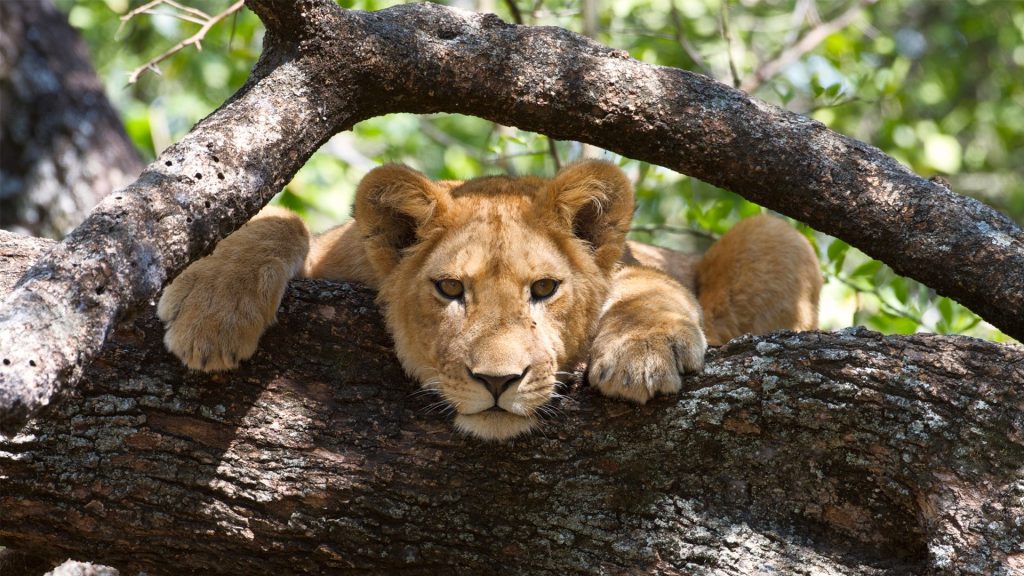
Tree climbing lion in Lake Manyara National Park
Lake Manyara National Park is famous for the iconic tree-climbing lions. They have developed this unusual behavior, presumably as a way to avoid insects, escape heat, or gain a better vantage point for hunting.
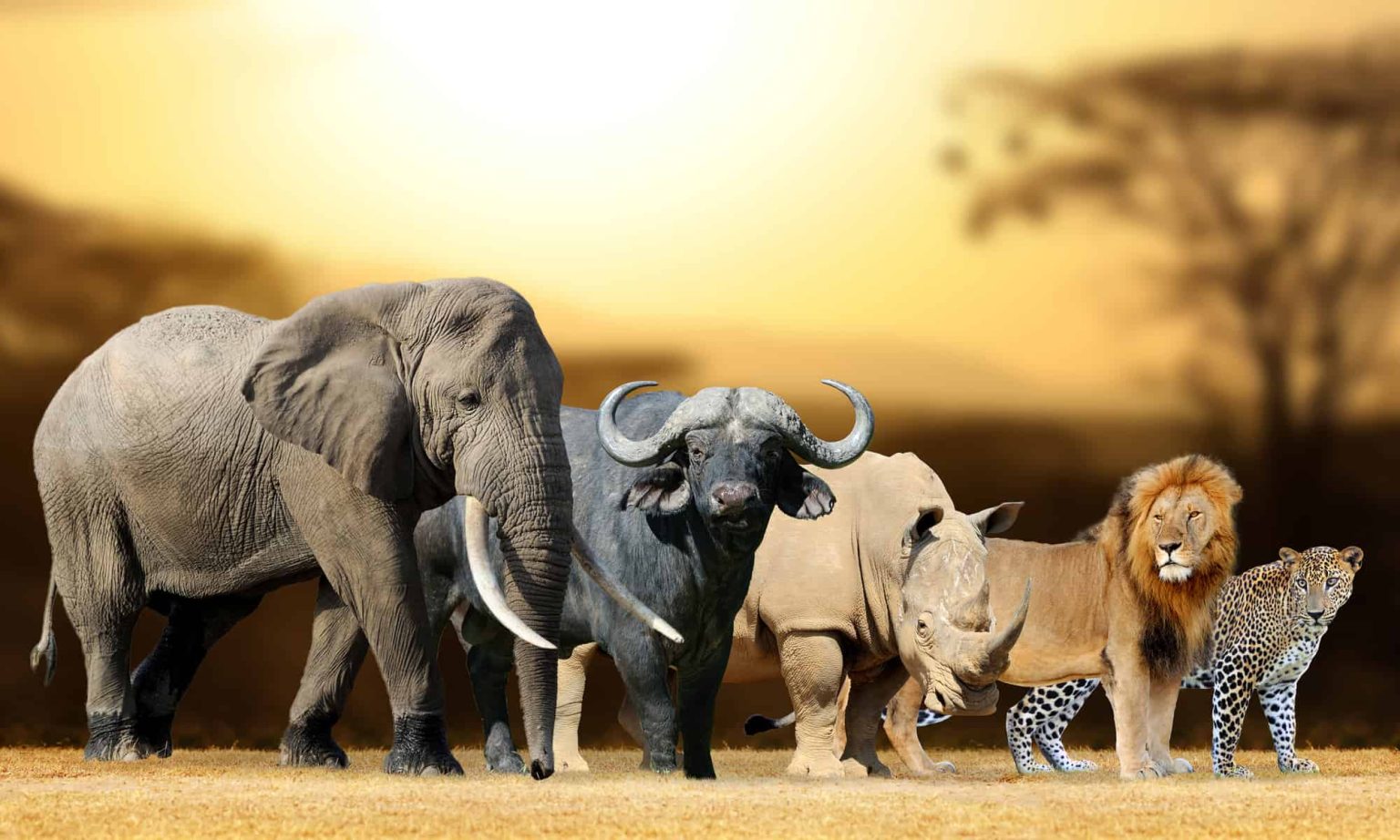
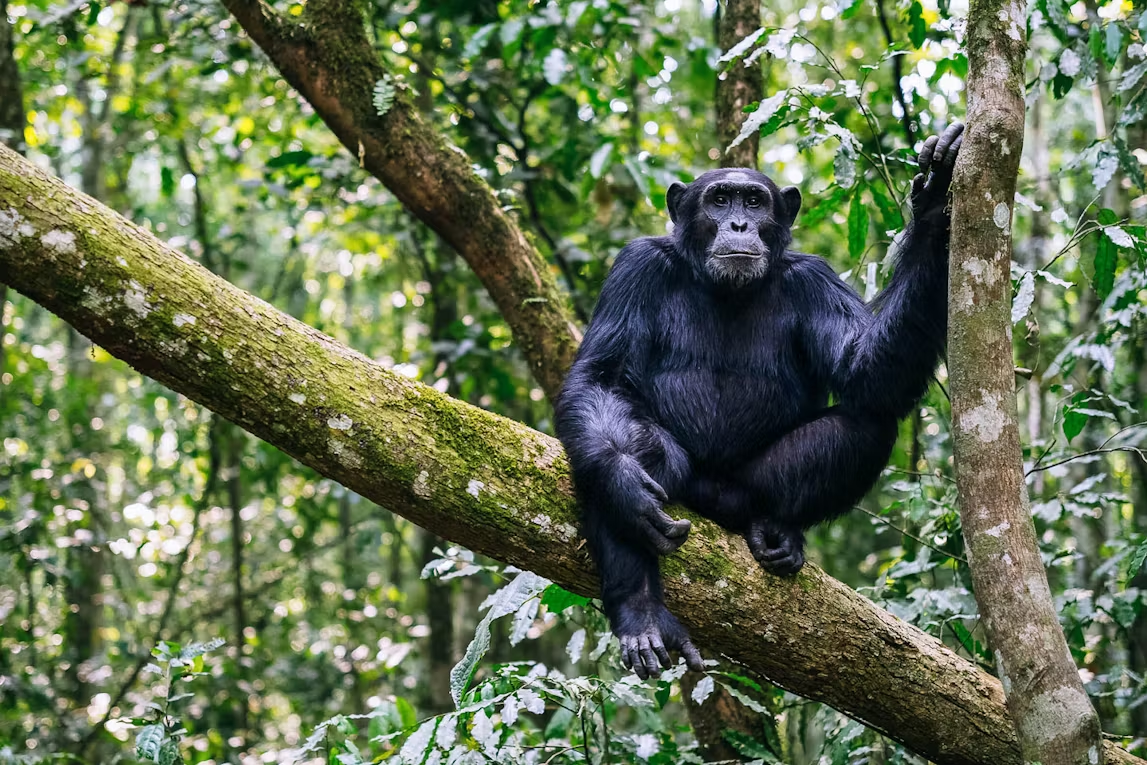
Other wildlife includes four of the Big Five (excluding rhinos), giraffe, zebra, wildebeest, bushbuck and klipspringer. Primates such as black-and-white colobus, vervet monkeys, baboons and blue monkeys can also be seen around the park.
The Park is home to more than 390 bird species, including flamingos, great white pelicans, pink-backed pelicans, yellow-billed storks, Marabou storks, grey herons, and over 40 species of birds of prey, including palm-nut vultures and Ayre’s hawk-eagles.
Best time to visit Lake Manyara National Park
Although Lake Manyara National Park offers all year round game viewing, the best time to visit is during the dry season from June to October. This is when the vegetation cover is sparse, making wildlife sightings easier, and also reveals the splendour of the soda, or alkaline, lake.
However, the park is at its most beautiful during the wet season, from November to May when the vegetation is lush and you’ll be glimpsing jaw-dropping waterfalls cascading down the escarpment. It is also an excellent time for bird-watching.
How to get to Lake Manyara National Park
Lake Manyara National Park is 126km/78 miles southwest of Arusha town, and driving along the newly tarred road from Arusha to the entrance gate takes 1.5 to 2 hours. From the Ngorongoro Crater, the distance is 80km/50mi and driving time is about 2 hours.
Another alternative (often considered the best) is to fly into Kilimanjaro International Airport (JRO), which is approximately 50km/31mi from Arusha, and then take a connecting scheduled 20 minutes flight to Lake Manyara’s Airstrip.
There are also flights from the Serengeti to Lake Manyara. Your tour operator is typically responsible for organizing your airport transfers as part of your safari package.
Accommodations in Lake Manyara National Park
Although there’s only a single accommodation situated inside the park itself, a handful of other options can be found just outside of the park’s borders, on the edge of the Rift Valley escarpment. They offer breathtaking views of the lake at a slightly lower price.
If you’re looking for an adventure in one of Tanzania’s least visited safari destinations, here are our top picks.
1. andBeyond Lake Manyara Tree Lodge
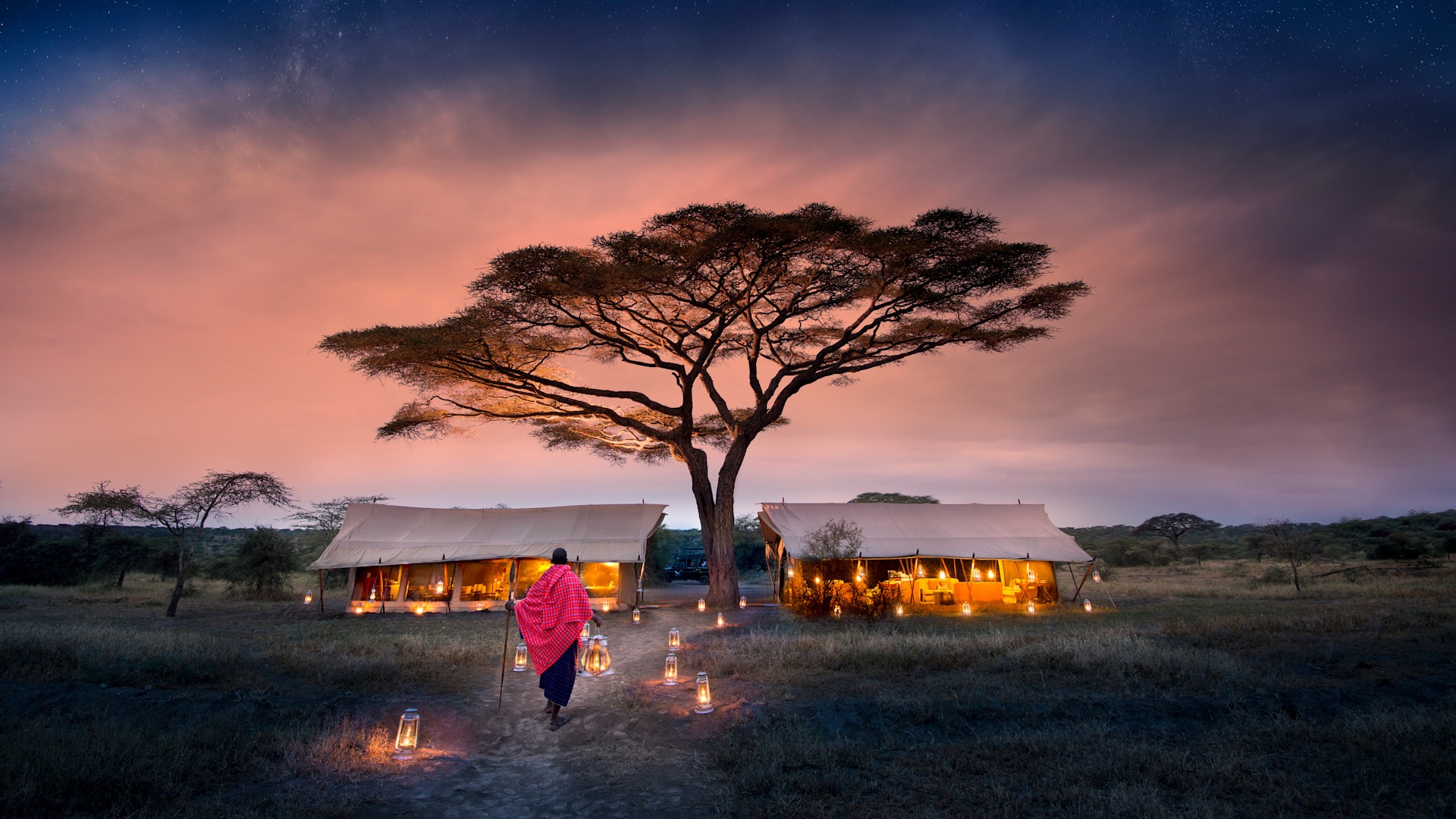
Lake Manyara Tree Lodge is the only permanent lodge here and the obvious choice for travelers with a large safari budget. It is secluded in a tract of an ancient mahogany forest in the south of the park. Visitors can enjoy gourmet, open-air dining, massage treatments, or explore the park from the treetops along the lodge’s canopy walkway.
2. Lake Manyara Serena Lodge
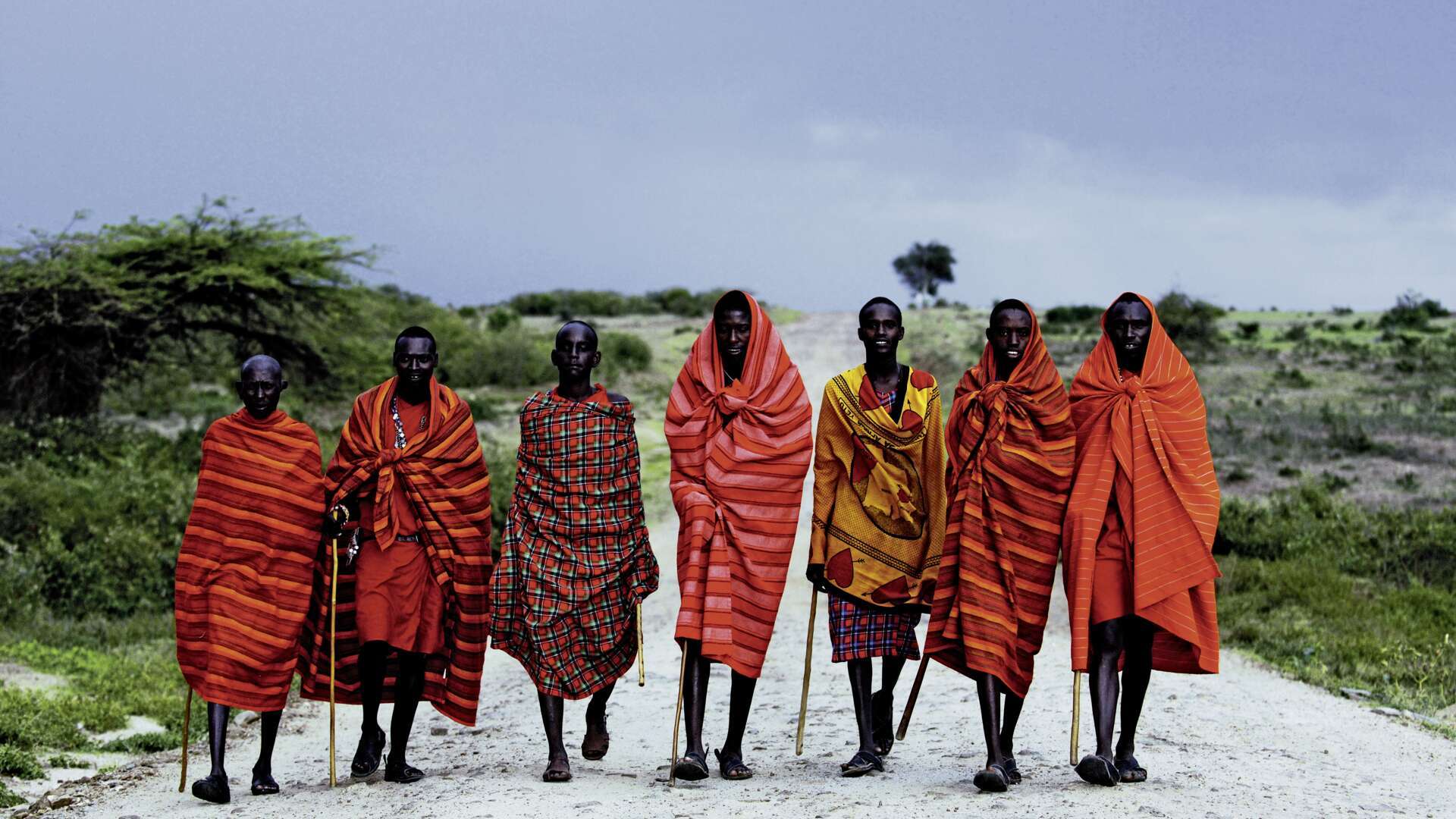
Located just outside of the park, this tranquil retreat is the perfect place for unforgettable experiences including evening cocktails on top of the escarpment and alfresco dinners accompanied by traditional music and dance. It also allows visitors to interact with the local Maasai people through community lunches.
3. Kirurumu Manyara Lodge
Kirurumu sprawls across a well-wooded stretch of rocky escarpment that offers spectacular views across the Rift Valley north of Lake Manyara. The property is budget-friendly and offers the opportunity to enjoy sleeping under canvas in a remarkably pristine bush environment. Kirurumu is one of the longest-serving lodges in Lake Manyara.
Trips to Inspire
6 DAYS
Taste of Tanzania Safari
Destinations: Lake Manyara, Serengeti, Ngorongoro
- Encounter Africa’s majestic Big Five
- Experience savannah’s sweeping vistas and untamed wilderness
9 DAYS
Tanzania Safari
Destinations: Lake Manyara, Ngorongoro and Serengeti
- Excellent wildlife viewing including Big Five and Wildebeest migration
- Experience untamed wilderness
