







The sites and deposits in Olduvai Gorge have yielded the fossil remains of more than 60 hominins, providing the most continuous known record of human evolution over the past 2 million years as well as the longest archaeological record of stone-tool development.
Consequently, they have proven invaluable in furthering our understanding of early human evolution.
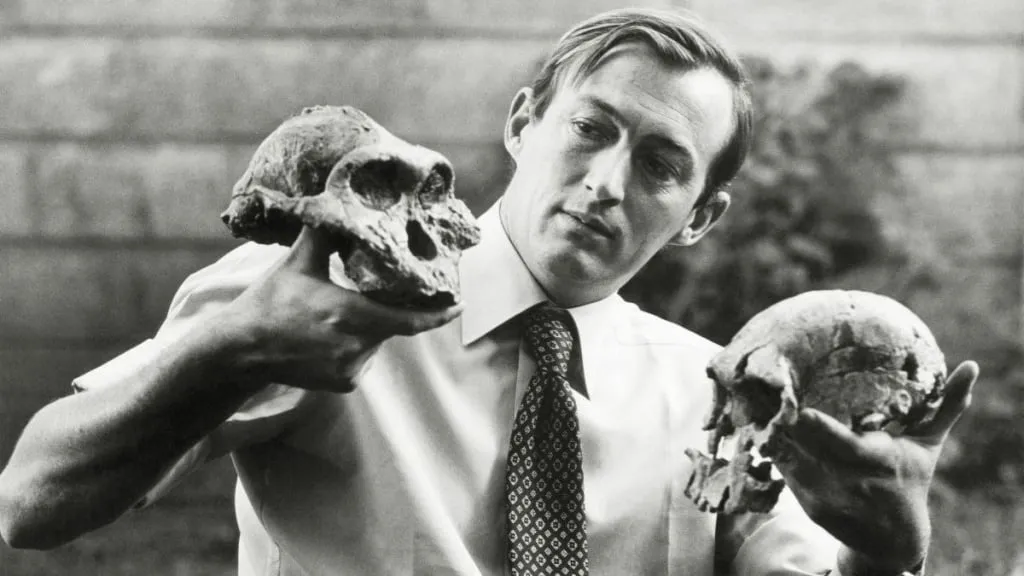
Some of their discoveries include;
- The famous Zinjanthropus (Australopithecus boisei) or Paranthropus boisei, a 1.75-million-year-old skull (nicknamed “Nutcracker Man”) discovered in 1959 by Mary Leakey.
- The remains of Homo habilis (1.6 to 1.8 million years old)—the “handy man,” the first representative of the Homo genus and a member of the human lineage, the presumed maker of the numerous early stone tools found in the deposits.
- Homo erectus, the larger-bodied and larger-brained hominin that preceded the earliest modern humans (Homo sapiens).
Other discoveries were made in Laetoli, another significant archaeological site 45 kilometers (28 miles) from Olduvai. While Laetoli yielded abundant findings, Olduvai gained the most prominence. The latter lies 150 km (90 miles) from the town of Arusha.
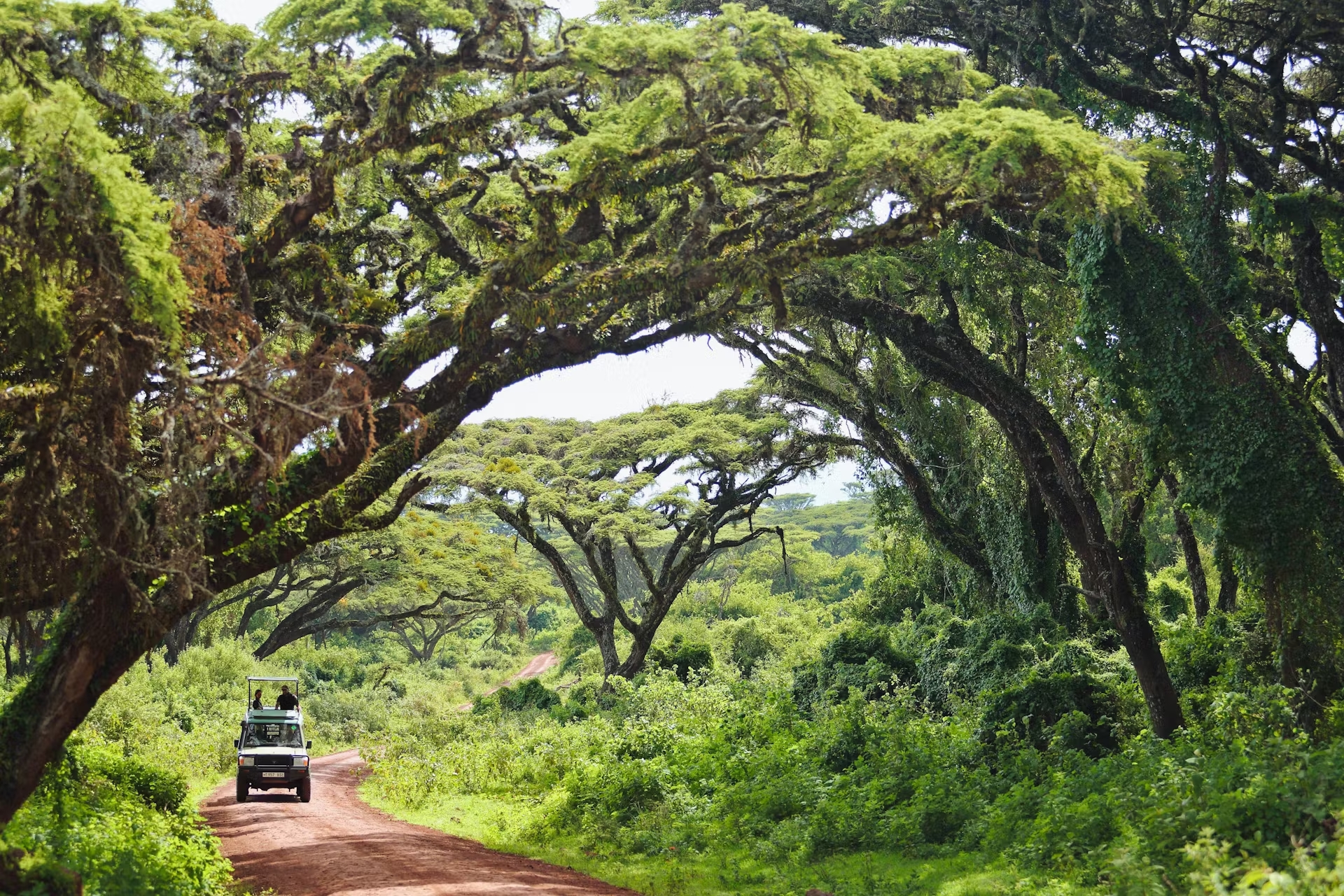
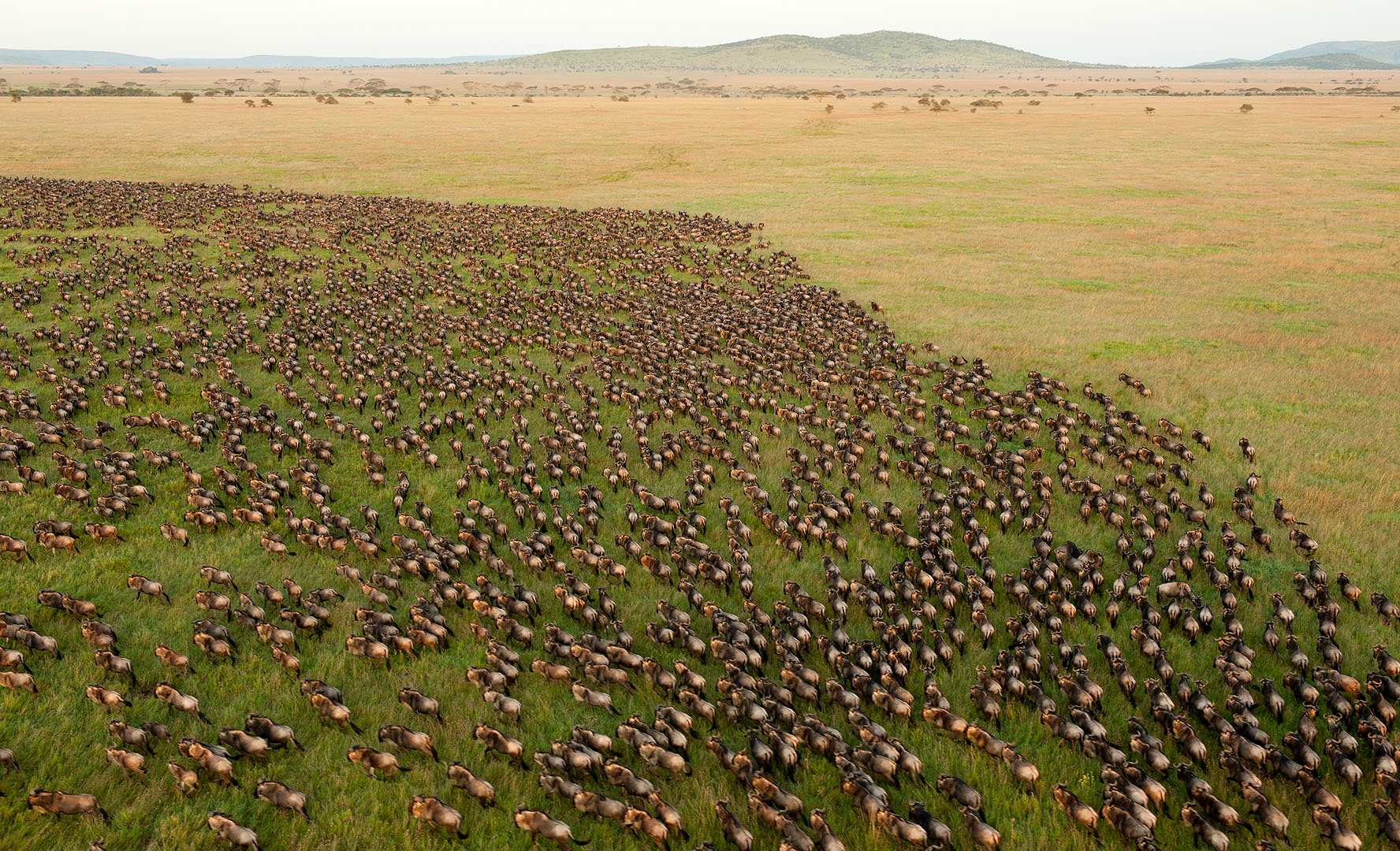
Over time, we humans have come to understand that our history began in this very place, the eastern Serengeti Plains, within the sunny but abundant Ngorongoro area. It is here that a qualitative evolutionary shift from Australopithecus to Homo occurred.
The Olduvai Gorge is a UNESCO World Heritage Site, officially recognized in 1979 and the most iconic archaeological site in East Africa, and arguably the world.