

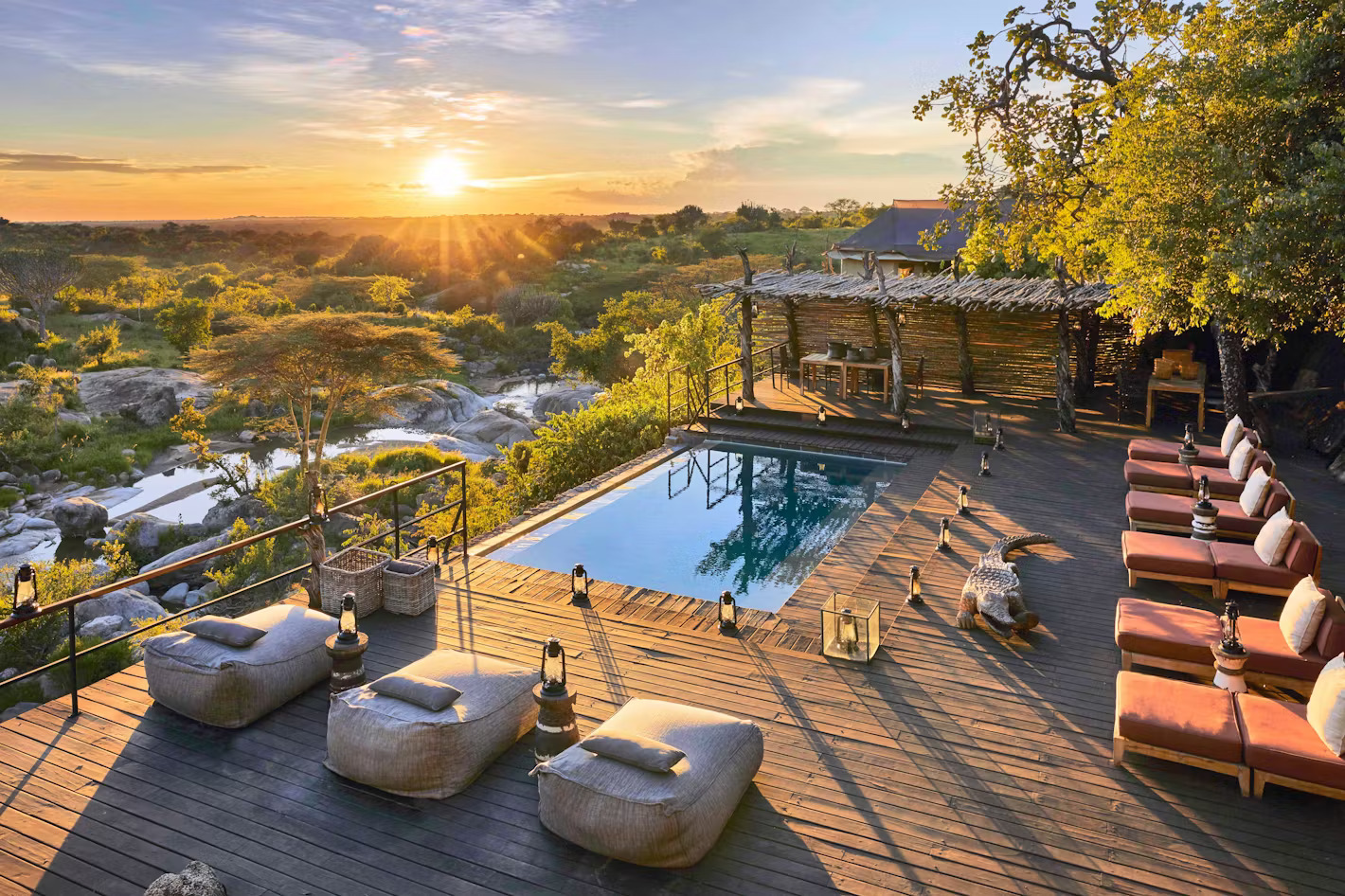
Kenya Safaris & Exclusive Experiences
Kenya Safari Guide: Excellent wildlife viewing and cultural immersion
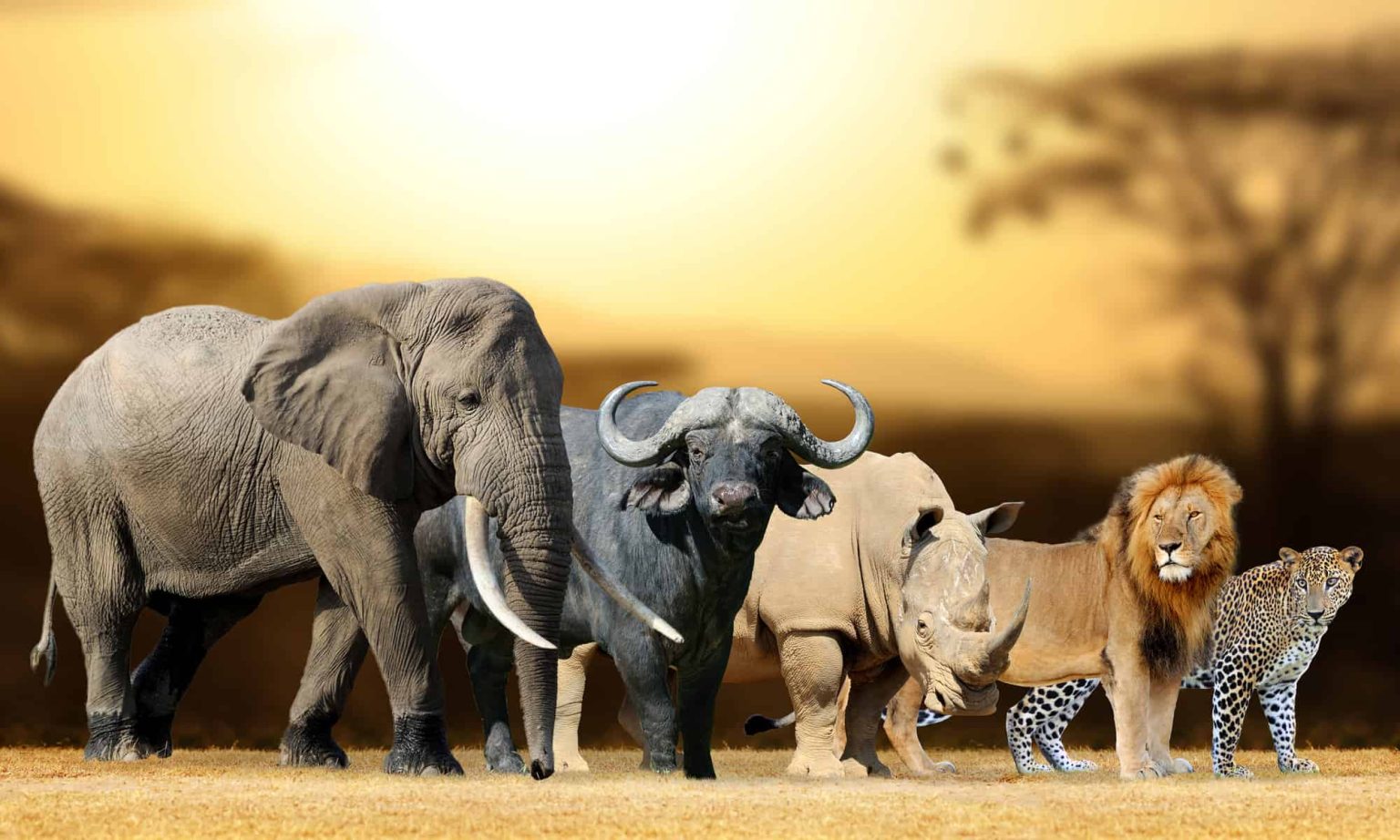
Kenya, famous for its romantic “Out of Africa” associations and some of the world’s most extraordinary wildlife experiences, is undisputedly a must-go destination for every safari-goer. Its diverse landscapes and a seemingly endless parade of wildlife including the Big Five and immense wildebeest herds against one of Africa’s most stunning backdrops are the main draw cards.
Travelers on a typical Kenya safari can witness the famous wildebeest migration, explore the boundless golden savannahs, stunning beaches and vibrant cities and get immersed in the country’s rich cultures. From solo travel and family vacations to adventurous honeymoon holidays in romantic settings, Kenya has something for every type of traveler.
Below is our step-by-step Kenya safari guide to help you plan a thrilling vacation in one of Africa’s top destinations.
Location of Kenya
Kenya is located within the Great Lakes region in East Africa, and shares Lake Victoria, Africa’s largest and the world’s second-largest freshwater lake, with Uganda and Tanzania. It is bordered by the Indian Ocean and Somalia to the east, Ethiopia to the north, South Sudan to the northwest, Lake Victoria and Uganda to the west and Tanzania to the south.
Its capital, Nairobi is a bustling city located in the south-central region, sprawling with a mix of colonial houses and modern skyscrapers.
History of Safari in Kenya
Kenya is widely known as the birthplace of modern safari. The term ‘safari’ is a Swahili word for journey which stems from the Arabic noun safar (journey). It originated in the 19th century when wealthy Europeans including explorers, traders and hunters came to Africa.
After the Second World War, Kenya became a popular safari destination attracting thousands of tourists, largely drawn by the news of the abundance of wildlife. At the time, more than 3 million large mammals were roaming East Africa’s plains.
Today, however, despite the impact of humans on wildlife and habitats across Africa, Kenya still preserves its pristine wilderness, attracting thousands every year for classic African safari, mainly focused on wildlife viewing rather than on trophy hunting.
Landscape of Kenya
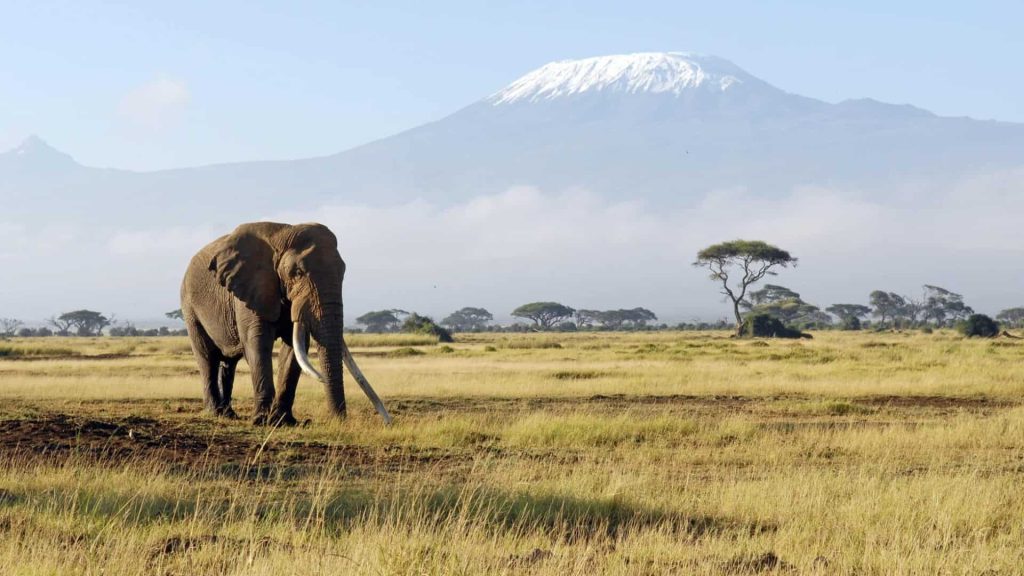
Elephant in Amboseli backdropped by Mount Kilimanjaro
Kenya’s diverse landscapes feature open savannah plains supporting a rich variety of wildlife, vast surrounding rainforests, highlands and the Great Rift Valley, misty mountains like Mount Kenya, numerous lakes like Nakuru, Bogoria, Naivasha, Turkana, Elmenteita, and Victoria, deserts such as Nyiri and Chalbi, and the Indian Ocean coastline with beaches like Diani, Lamu, Watamu, Nyali, and Malindi.
From the vast savannahs where immense wildlife roams to the snow-capped equatorial mountains, Kenya is undisputedly a top safari destination to tick off your list. Scattered between Lake Victoria and the Indian Ocean are more than 30 national parks and reserves covering every imaginable landscape, featuring the celebrated Big Five and the Great Wildebeest Migration.
The rugged hills, where the ridges are a mix of smallholdings and plantations, are where most of the population lives. The Great Rift Valley, which is an archetypal East African scene of dry, thorn-tree savanna dotted with lakes and volcanoes, spreads out through the heart of the highlands.
Wildlife and conservation in Kenya
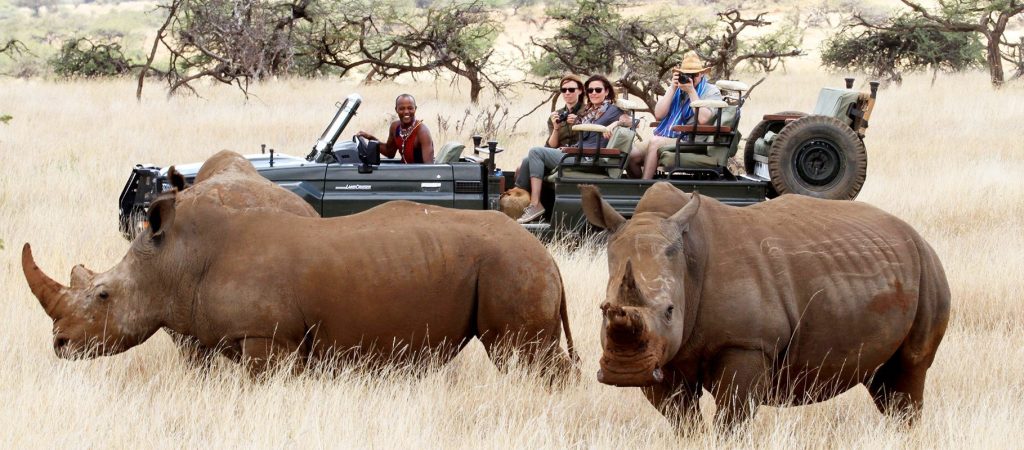
Game drive in Lewa Wildlife Conservancy
The abundance of Kenya’s wildlife is attributed to some of its most innovative and successful conservation communities. In places such as Masai Mara and Laikipia, private and community conservancies like Ol Kinyei and Lewa Wildlife Conservancy have been established.
Lewa Wildlife Conservancy has been a pioneer in community conservancy model and ranger deployment in Kenya that has helped fuse tourism with community development as well as conservation to impressive effect. These conservation efforts aim to prevent the depletion of wildlife and rescue them from the brink of extinction after the intense poaching of the 1970s and 1980s.
Today, they serve as a global model for safeguarding endangered species such as rhinos and demonstrate how tourism can directly benefit local communities. All in all, your choice of a Kenya safari undoubtedly guarantees a life-transforming experience in one of Africa’s safari heavyweights.
Climate of Kenya
Kenya’s climate is largely tropical, with distinct dry and wet seasons due to its location on the equator but inland areas like Nairobi experience cooler, more temperate climates.
Average daytime temperatures range between 20 °C/68 °F and 28 °C/82 °F. Coastal areas are consistently hot and humid, averaging 80 °F (27 °C) and 90 °F (32 °C). In the Rift Valley, average temperatures decrease from about 84 °F (29 °C) in the north to just over 61 °F (16 °C) around Lakes Nakuru and Naivasha in the south. The adjacent highlands are generally moderate, with average temperatures ranging between 56 and 65 °F (13 °C and 18 °C).
Kenya experiences both dry and wet seasons. The dry season, from June to October is the coldest, with early-morning temperatures at higher altitudes typically at 10 °C/50 °F. The wet seasons are from November to December and then from March to May when daytime temperatures range between 24 °C/75 °F and 27 °C/81 °F at higher altitudes but are more consistent and hover around 30 °C/86 °F at lower altitudes.
January, February and March are generally the warmest months nationwide with average highs around 32°C, and the coolest are June to August, averaging around 27°C.
Best time to Visit Kenya
The best time for visiting Kenya to view wildlife is during the Dry season from June to October and December to March. During these times, vegetation is sparse, there’s hardly any rain, daytime temperatures become mild and animals congregate around the remaining water sources, making wildlife viewing excellent.
- July to September is the best time to witness the wildebeest migration in Masai Mara alongside the dramatic river crossings.
- March to May is considered the best time for travelers interested in fewer crowds and lower prices.
However, Kenya’s abundant wildlife and favourable climates make it an incredible year-round wildlife viewing and beach destination.
Attractions: Reasons to visit Kenya
1. The Great Migration
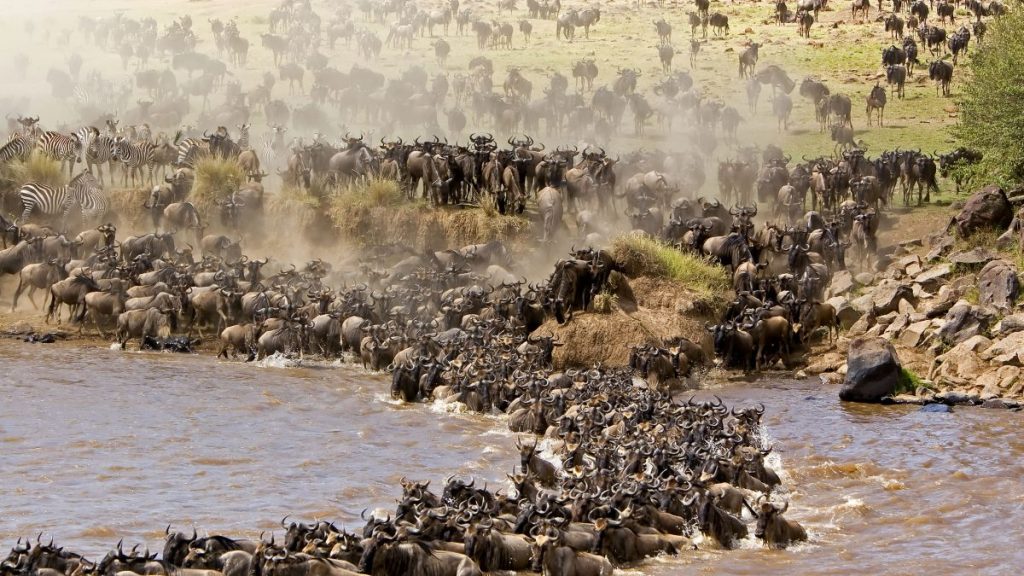
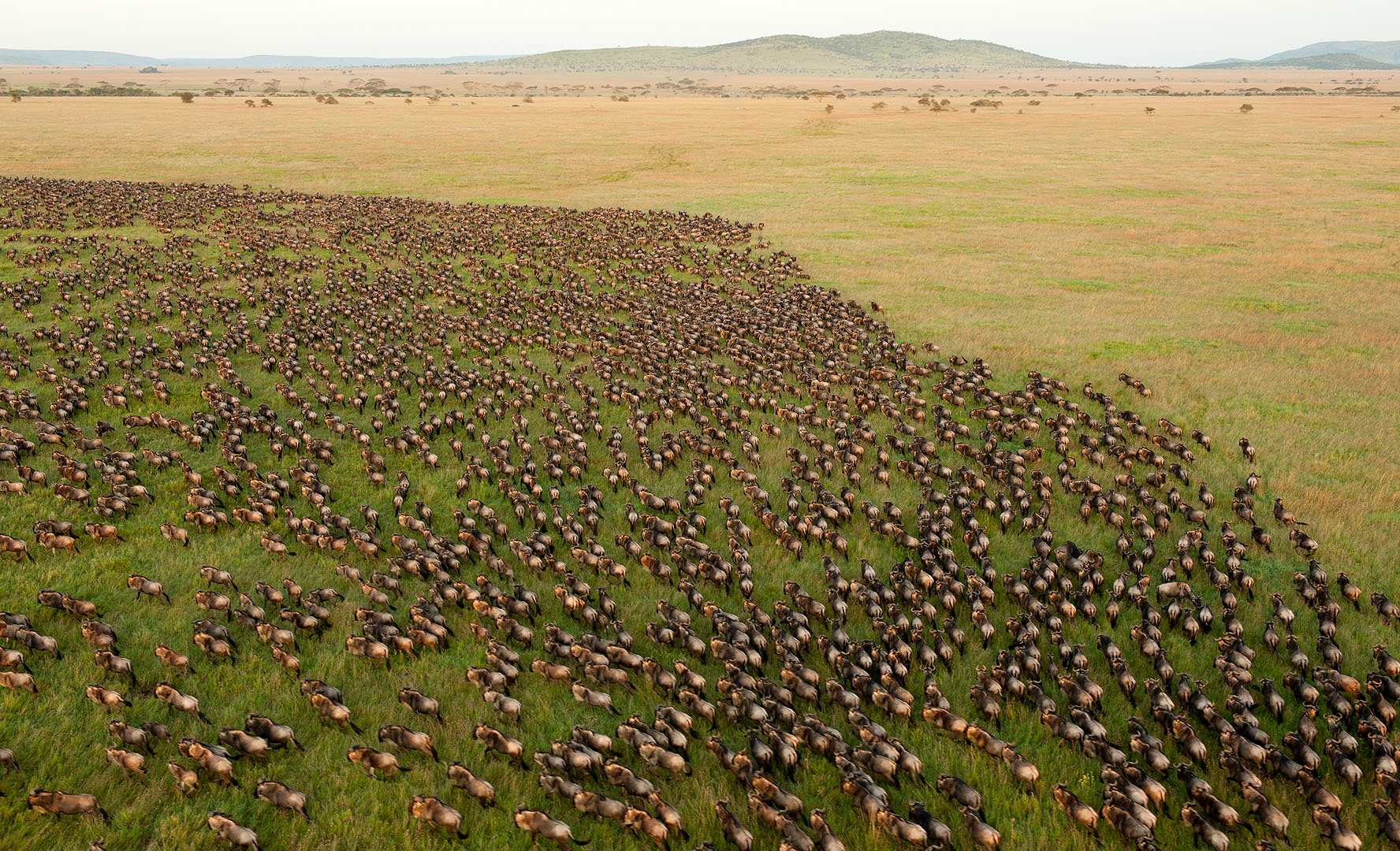
The Great Wildebeest Migration in the Mara
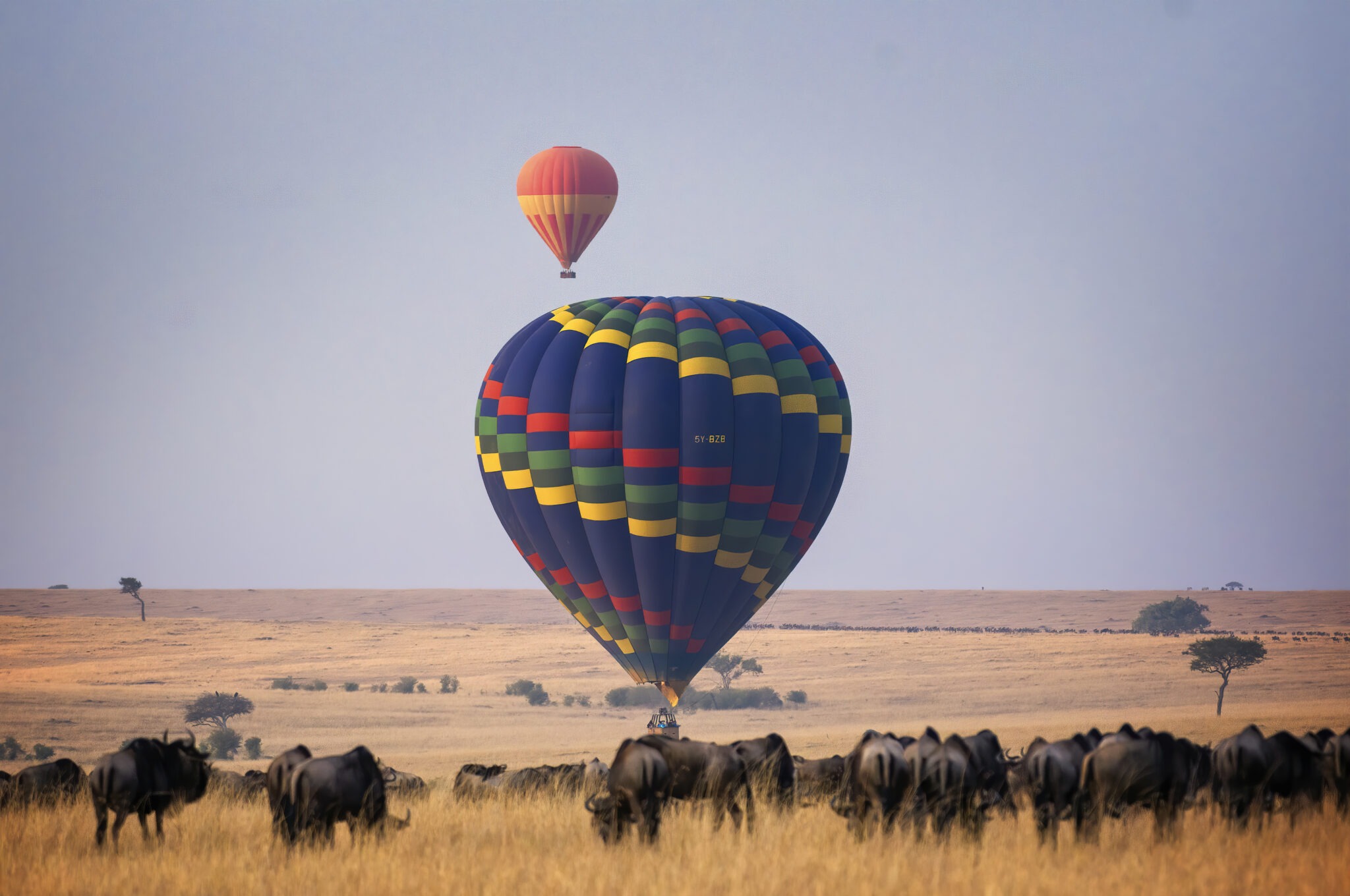
Witnessing the Great Wildebeest Migration is a popular experience on a Kenya safari and the country’s top attraction. Every year, vast herds of wildebeest, zebra, and gazelle, move on a circular journey across the Serengeti-Mara plains in search of fresh grazing and water.
Many fall victim of deadly predators or die of fatigue and exhaustion while more are born, thus replenishing the numbers and completing the cycle of life. The sheer magnitude of this wildlife spectacle is a wonder to behold and one of Africa’s bucket-list experiences.
2. High wildlife density and big game viewing
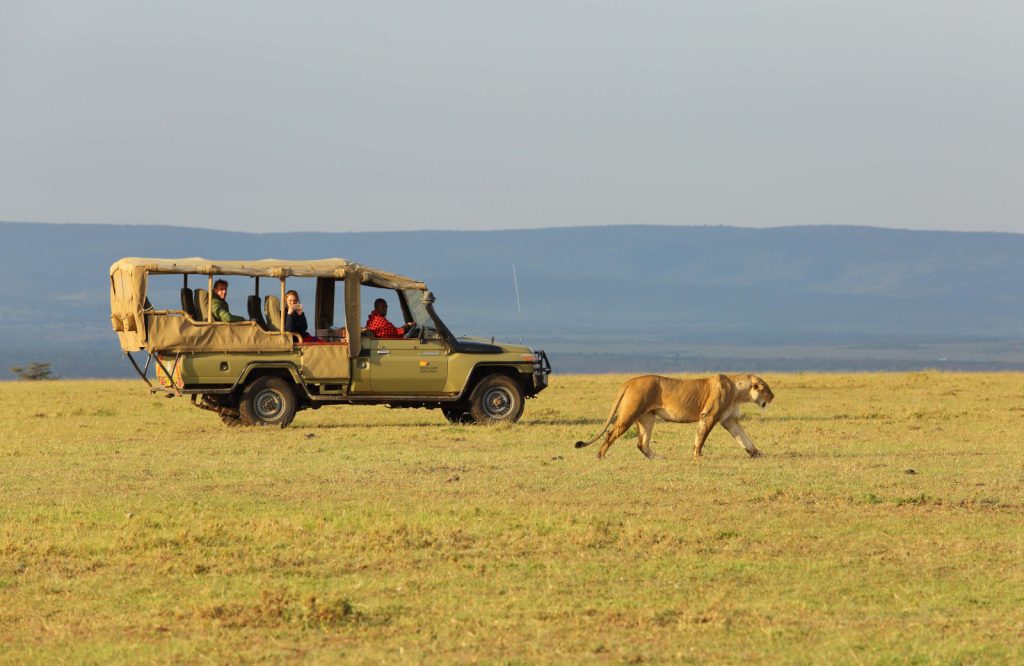
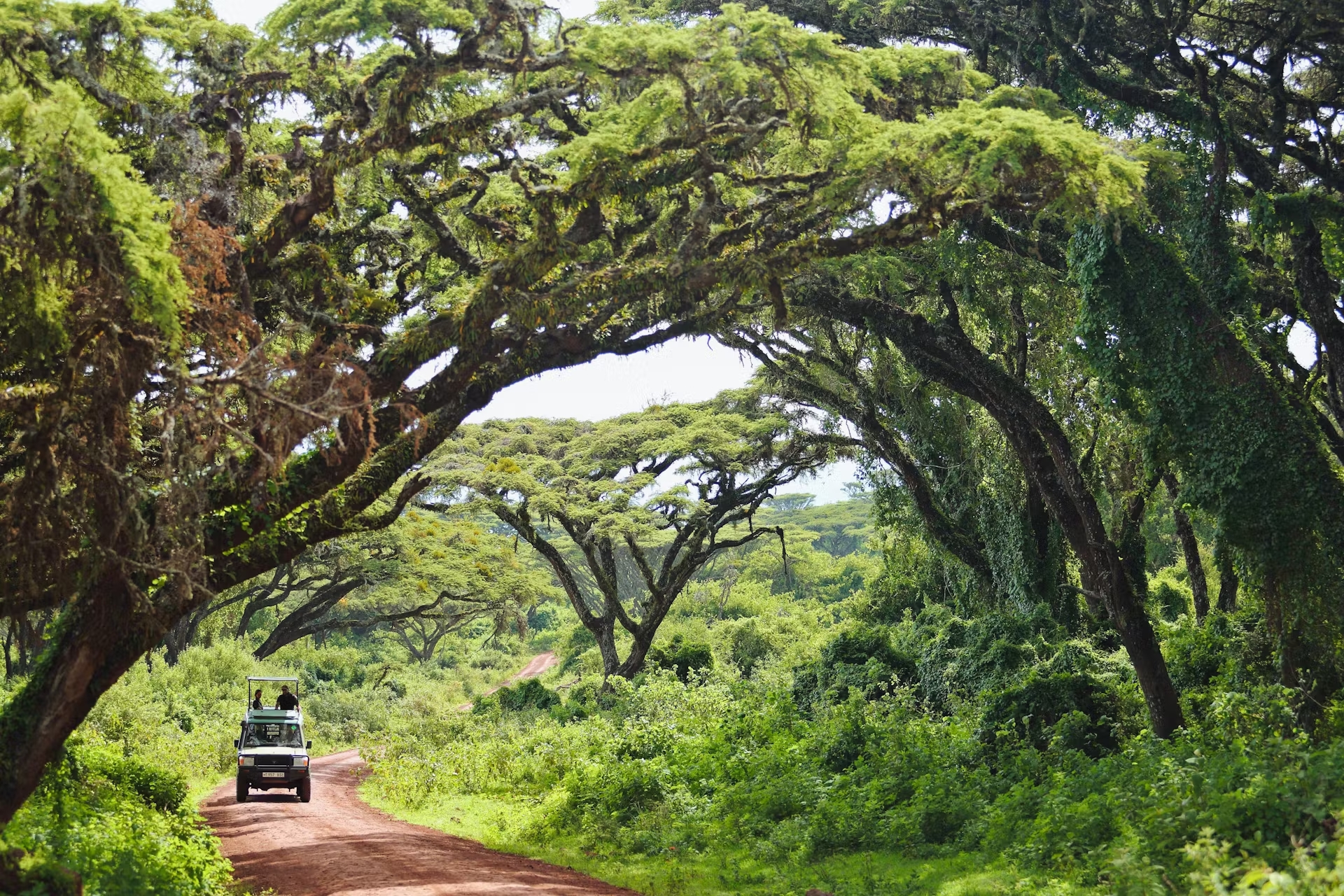
Game drive in Masai Mara
Kenya is one of the world’s best destinations to view wildlife up-close in their natural habitat. Its varying landscapes including wide open plains, forests, swamps, marshlands and lakes are home to some of the highest and most diverse densities of wildlife on the planet including the Big Five, wildebeest and numerous bird species. This makes the country perfect for year-round game viewing.
3. Cultural experience
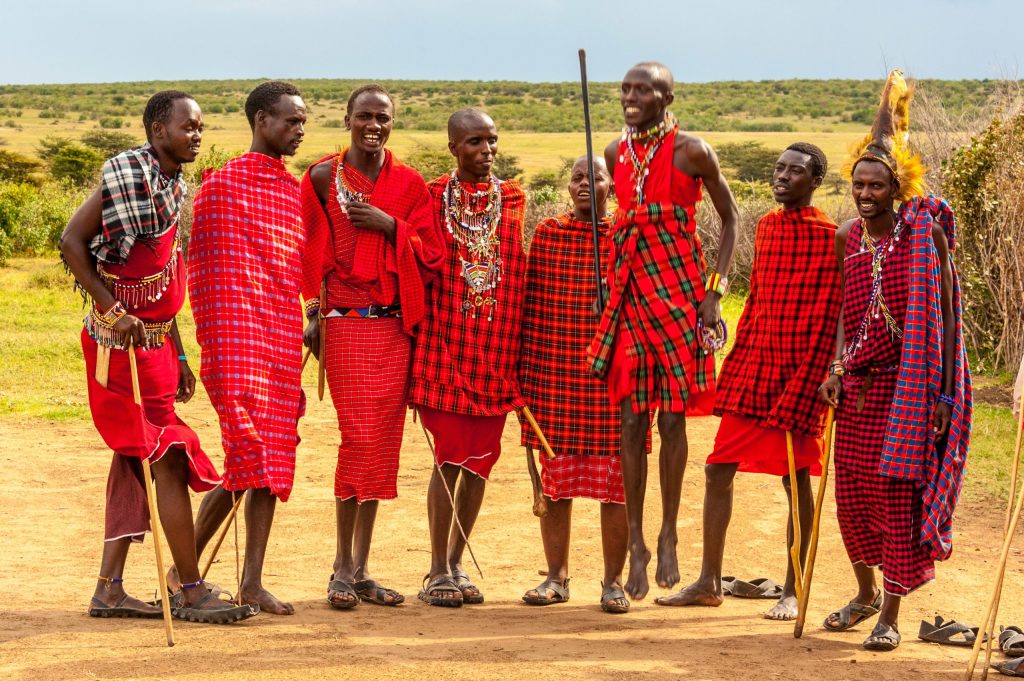
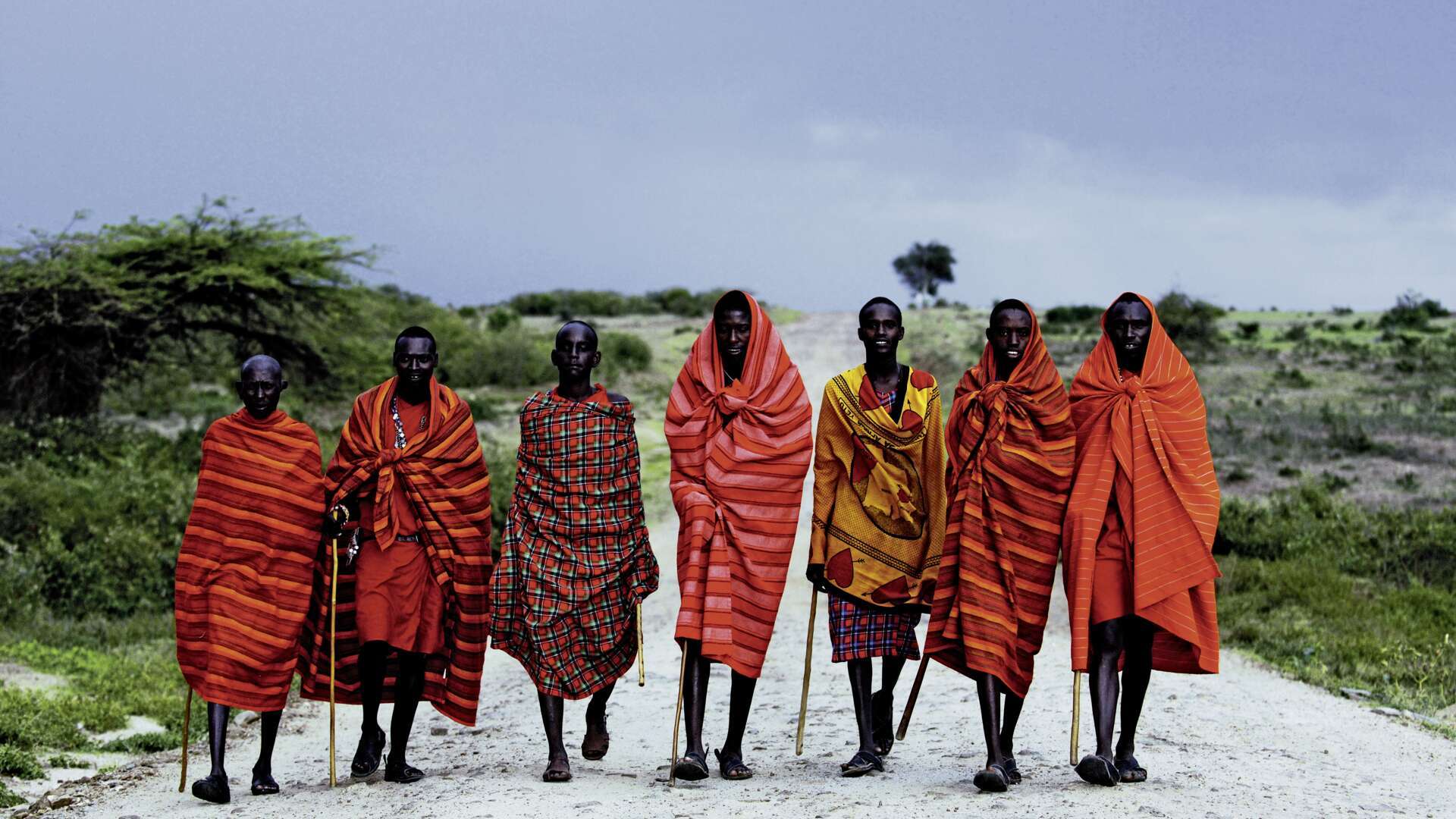
Maasai Tribe
A Kenya safari is not complete without experiencing some of its fascinating cultures. The country is home to at least 42 recognized tribal groups, and over 150 in total, but the most notable and iconic are the Maasai and the Samburu. They are often recognized for their colourful clothing, and their practice of living side by side with wildlife.
While both are semi-nomadic tribes, the Maasai live around southern Kenya and northern Tanzania and the Samburu can be found in northern Kenya around the foothills of the Koitogor-Ololokwe Mountains in Samburu National Reserve.
A visit to their villages provides an intimate and deep understanding of their cultures and ways of life first-hand. You can also take a seaside holiday in Lamu, Eastern Kenya for an opportunity to interact with the Swahili people.
4. Visiting historical sites
Take your Kenya safari to a whole new level by visiting popular historical sites like Fort Jesus in Mombasa, which offers a glimpse into Kenya’s rich history and culture, Lamu Old Town —a UNESCO World Heritage Site famous for its narrow streets and architecture, the Gedi Ruins near Malindi, and mysterious caves; there’s literally something for every history buff in this country.
5. Beach escapes
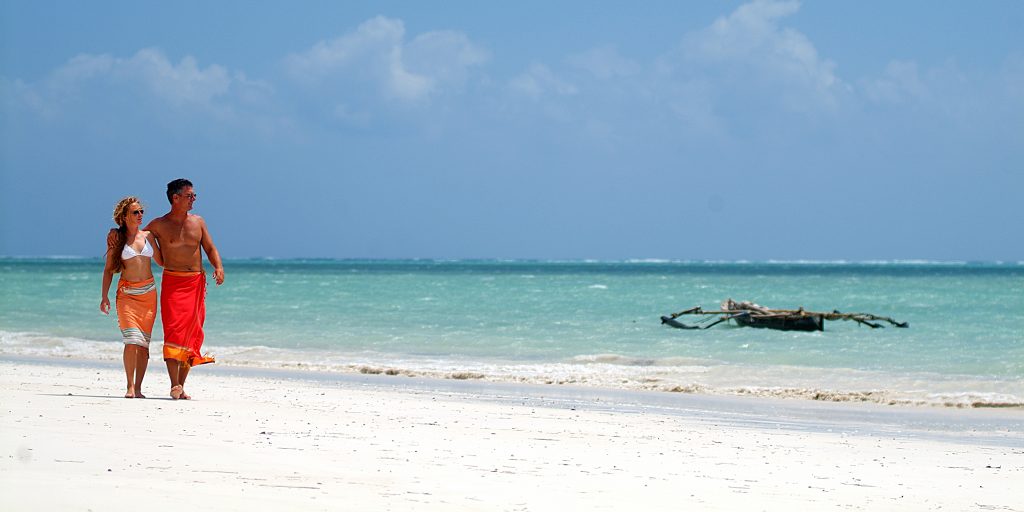
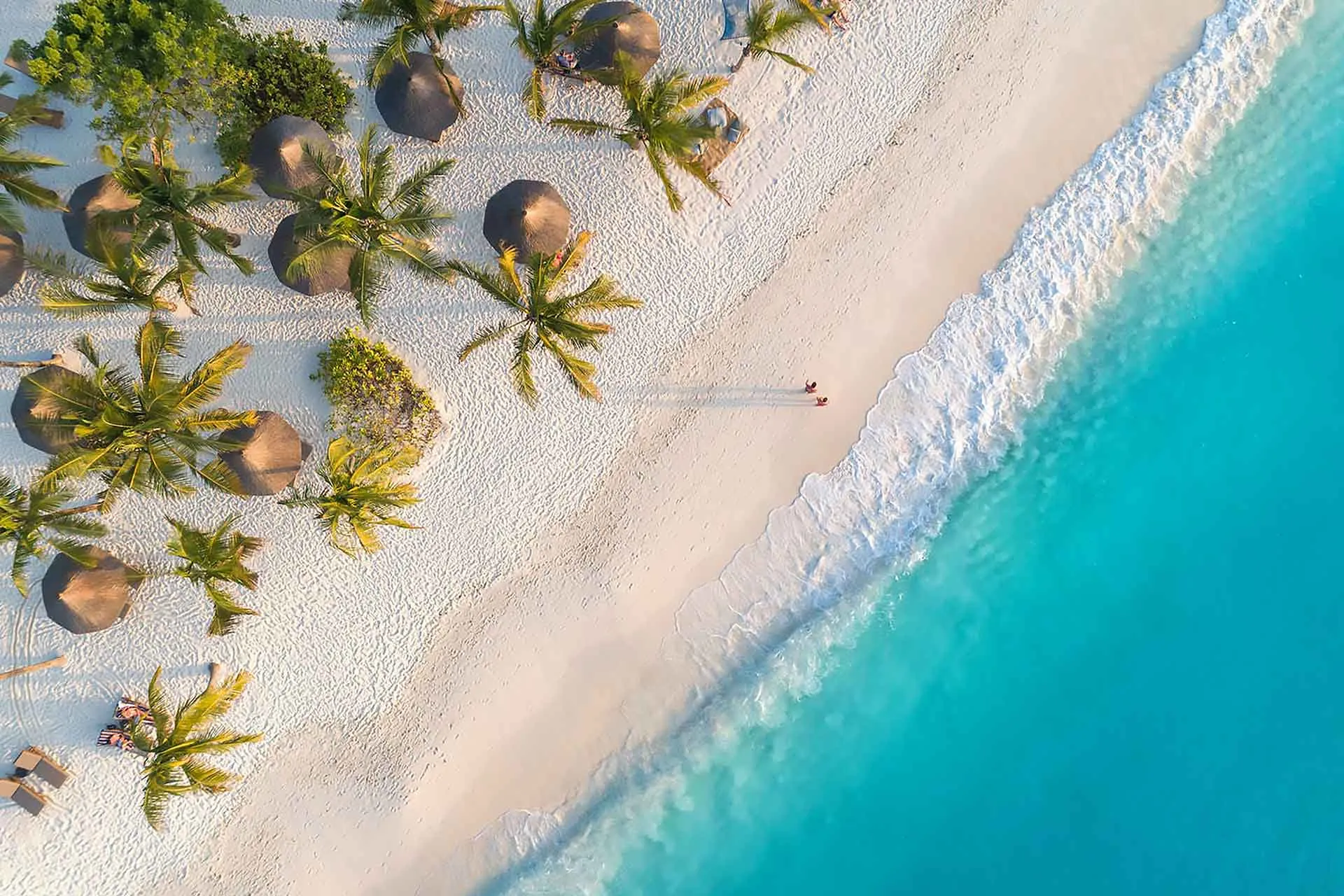
A couple walking along the white sands of Diani Beach in Kenya.
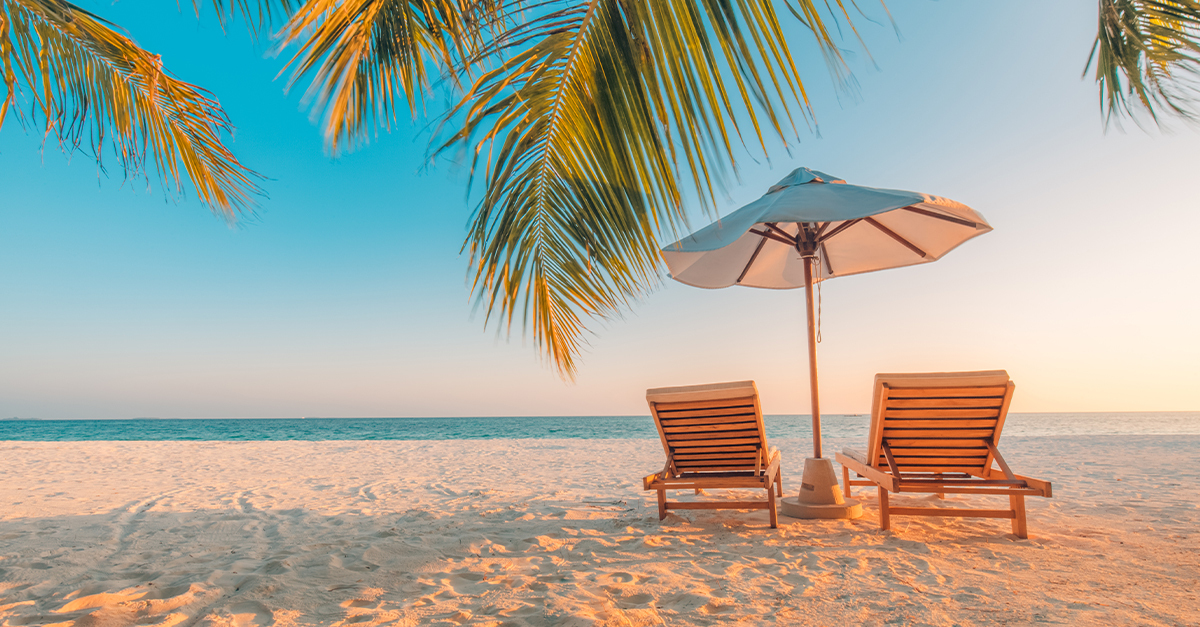
While many justly celebrate Kenya as a perfect destination for wildlife viewing, it’s also home to some of the most stunning world-class beaches. Lined by an azure ocean south of Mombasa and Lamu Island, these beaches offer a tranquil and serene experience for anyone seeking a quiet getaway.
After an inland safari, you can enjoy water sports such as diving, snorkeling, wind surfing, deep-sea diving, and simple seaside fun while sipping sundowners. Many Kenya safaris combine well with a beach escape, making it possible to be on safari in the morning and on the white-sand beach in the afternoon.
6. Easily combine Kenya with other destinations
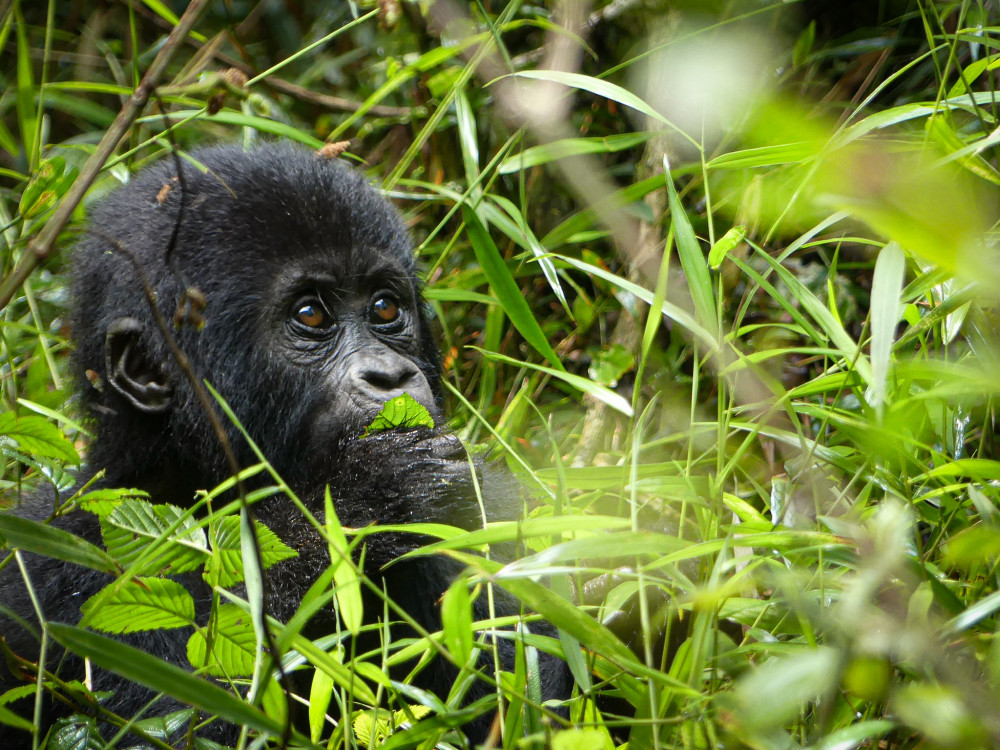
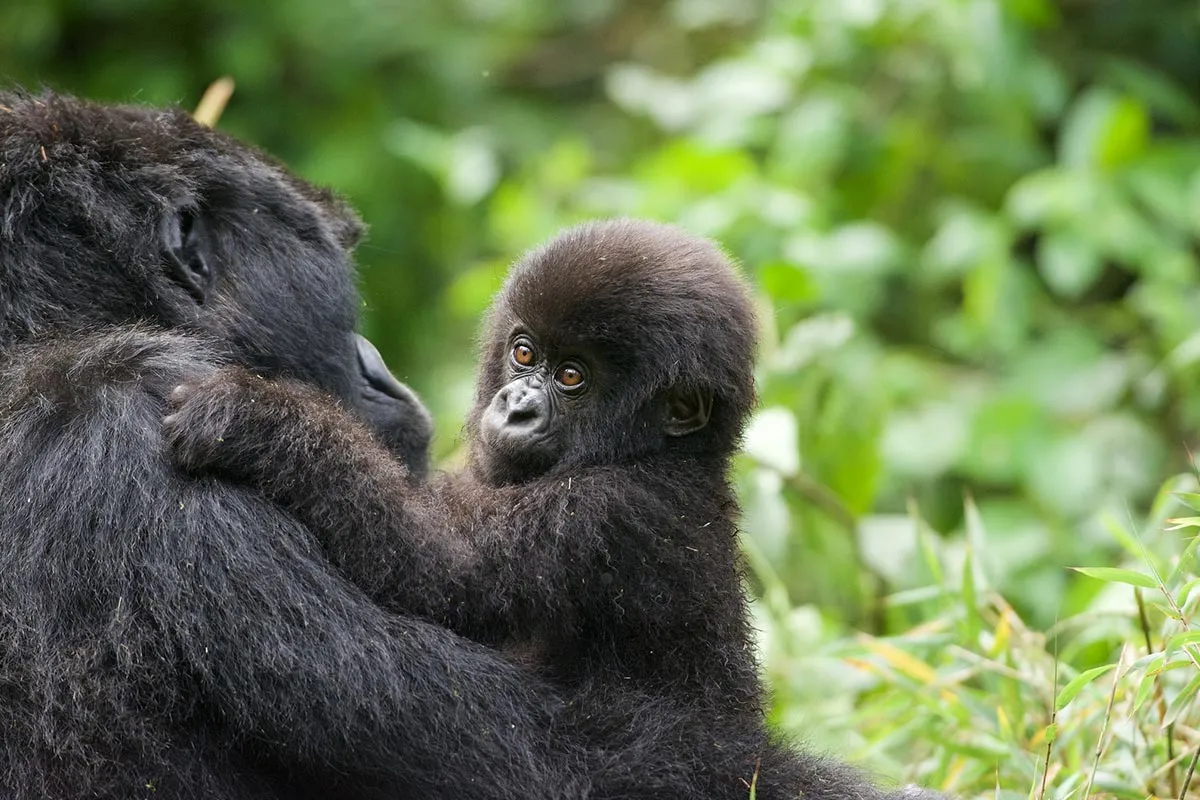
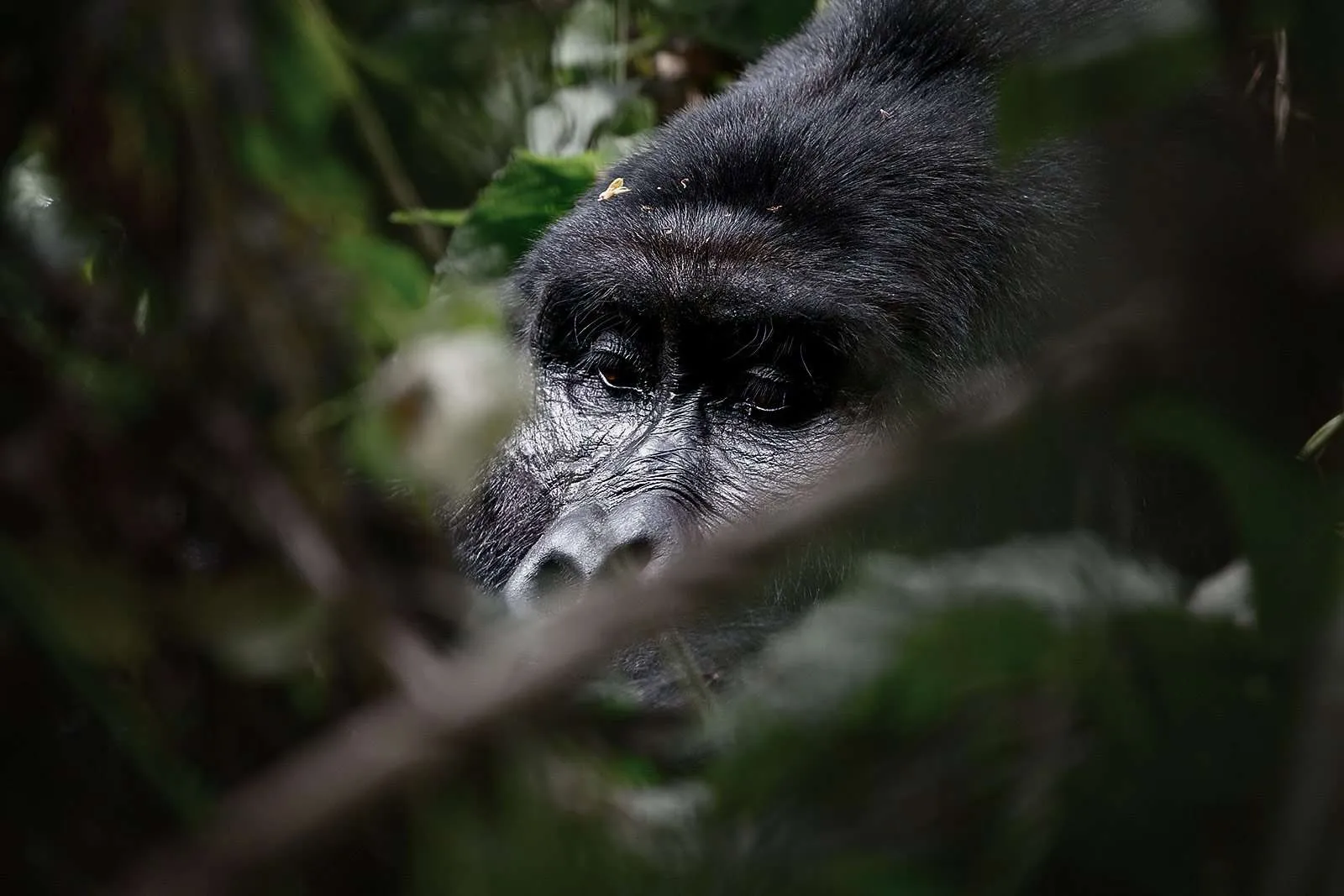
Baby gorilla in Bwindi, Uganda
You can easily combine safaris in Kenya with other destinations like Tanzania, Uganda and Rwanda or Seychelles and Mauritius, to enjoy an impeccable itinerary. Uganda and Rwanda offer unforgettable gorilla trekking experiences, which combine well with Kenya’s wildebeest migration and Tanzania’s white sand beaches. All are easily accessible with regular flights and well-developed road networks.
Best safari parks in Kenya: Where to visit on your first safari in Kenya
1. Masai Mara National Reserve
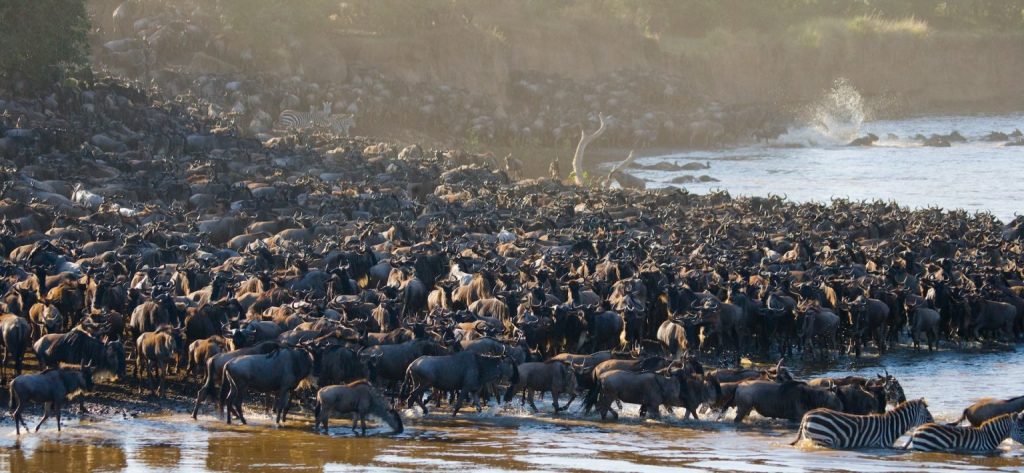
Wildebeest Migration River Crossing in Masai Mara
Masai Mara is Kenya’s iconic park and one of the world’s premier wildlife viewing destinations. From July to October every year, millions of wildebeests, zebras, and gazelles cross from the Serengeti onto its sprawling savannah plains in search of fresh grazing, making it a top destination to include on your Kenya safari itinerary. All of the “Big Five” — lion, leopard, elephant, buffalo, and rhino can also be found here.
2. Amboseli National Park
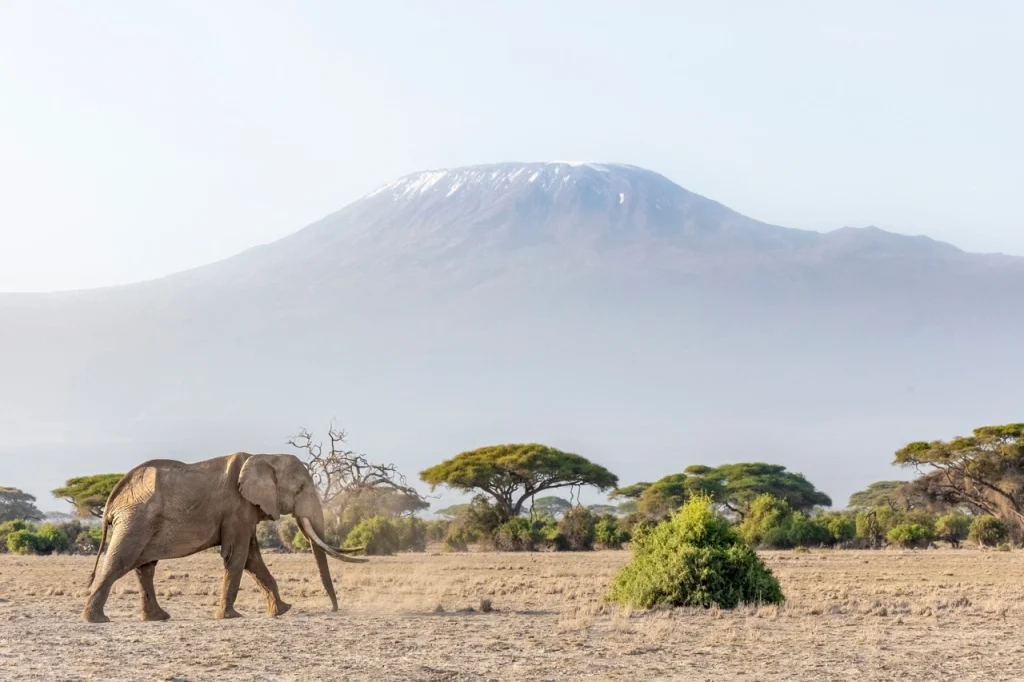
Elephant in Amboseli National Park backdropped by Mount Kilimanjaro
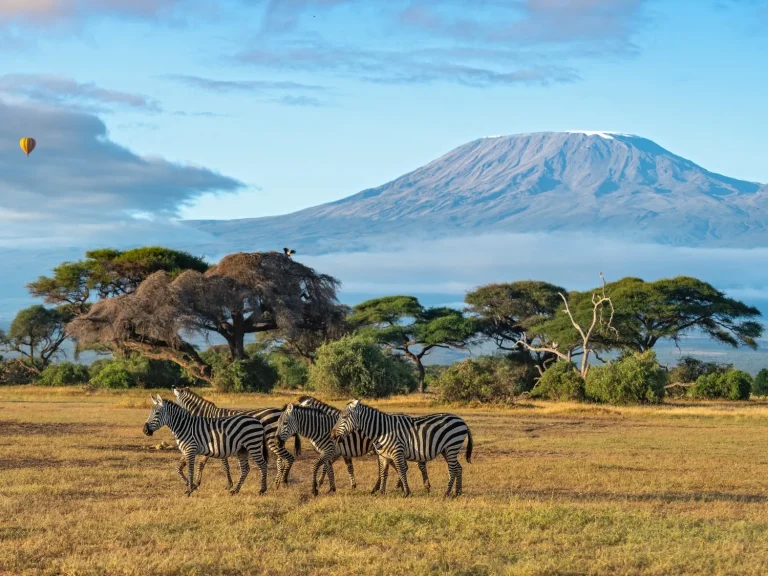
Amboseli National Park offers a unique combination of wildlife against the backdrop of Mount Kilimanjaro—Africa’s highest peak. While its large herds of elephants and stunning views of the mountain are the drawcards, it also serves as an incredible birdwatcher’s paradise with hundreds of species to look out for.
3. Nairobi National Park
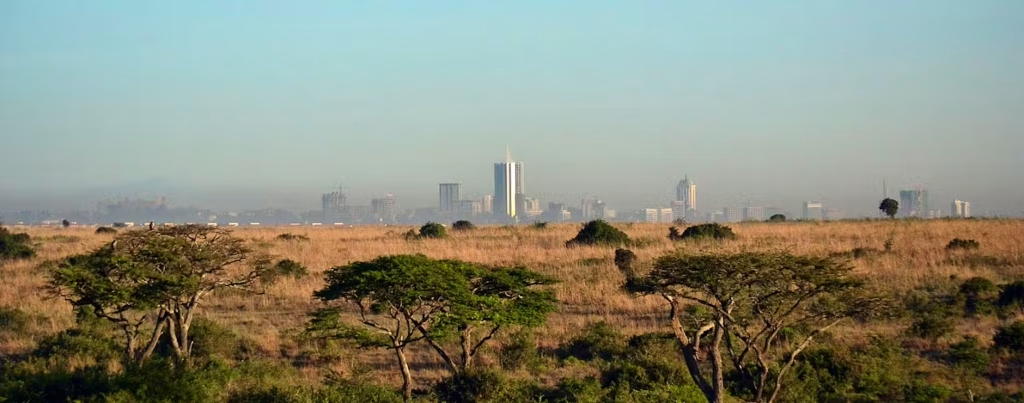
Spectacular view of Nairobi National Park - Kenya
Nairobi National Park is the world’s only wildlife park in a capital city. Its unique location makes it a perfect destination for those short on time but want to see some of Africa’s big game species and for starting or ending any Kenya safari. The park offers unique wildlife experiences against the backdrop of the city skyline, making it a bucket-list destination.
4. Lake Nakuru National Park
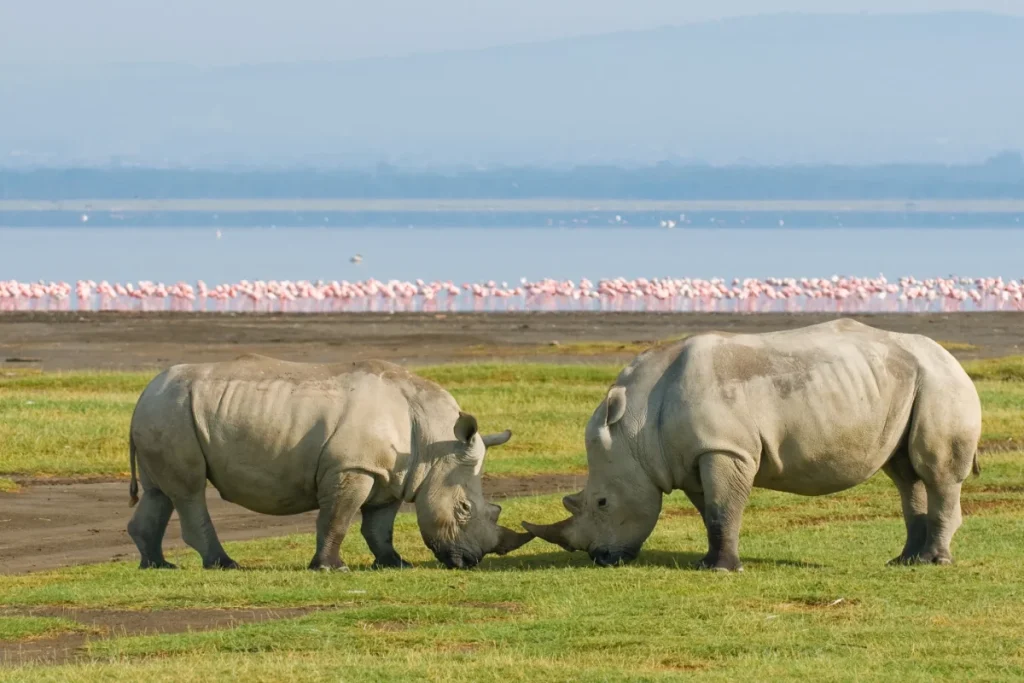
White rhinos in Lake Nakuru National Park
Lake Nakuru is a top birding hotspot and famous for its iconic flamingo population and varied habitats supporting over 450 bird species. The park is also home to both black and white rhinos, making it one of the best places to see these endangered species in their natural habitat.
5. Tsavo East & West National Parks
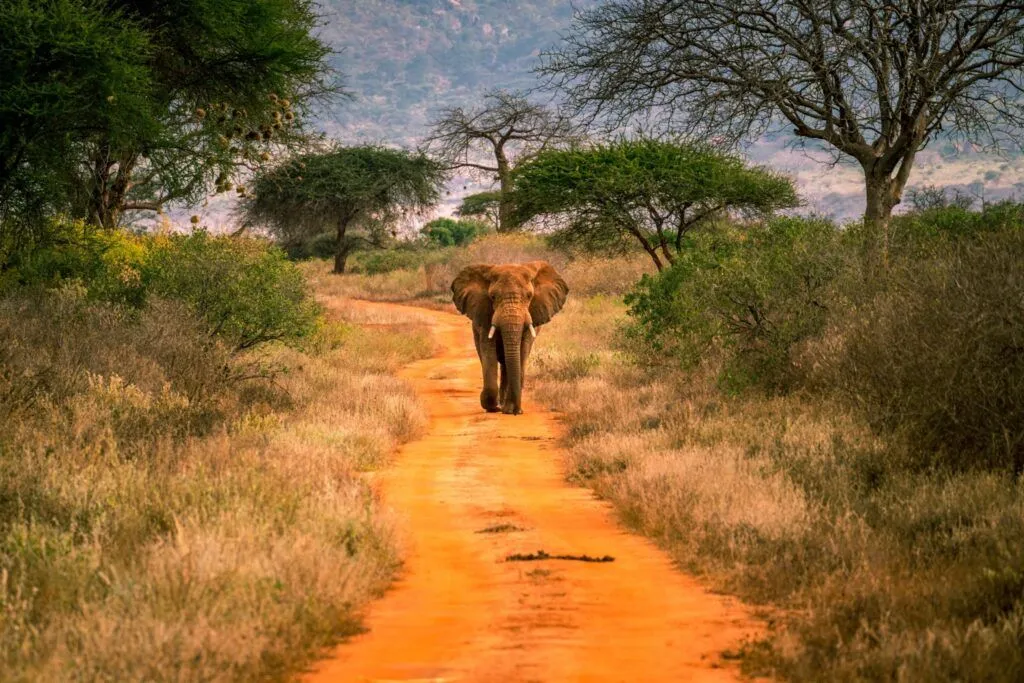
Elephant in Tsavo West National Park
Separated by the Mombasa railway, this vast wilderness features open savannahs, volcanic hills and dense forests in the West, and vast, arid plains dotted with iconic baobab trees, rolling hills and rocky outcrops scattered throughout the East. While Tsavo is home to most of the large mammals, it is particularly famous for its unique red elephants and healthy lion population (including the famous Tsavo lions, known for their maneless adult males).
How to get to Kenya
You will most likely arrive at the Jomo Kenyatta International Airport (JKIA), the gateway to Kenya for international flights and a major air transport hub within the East African region. It is located on the outskirts of the capital, Nairobi, the country’s largest city.
Nairobi is one of Africa’s most well-connected cities with numerous international carriers running flights to and from the city from all over the world.
Moi International Airport (MBA), located 9km/6mi west of Mombasa is Kenya’s second international airport and the primary gateway to the coastal city while Wilson Airport, located southwest of Nairobi is a hub for domestic flight connections to and from the capital.
Cost of a Kenya safari package
The cost of a Kenya safari package ranges from US$300 to over US$1,000 per person per day, depending on your style of travel, length of stay, activities and safari season. Just to give you an idea, a typical private safari in Kenya costs US$300 for budget travelers, between US$300 and US$600 for midrange travelers, and over US$1,000 per person per day for luxury travelers.
These prices include park entrance fees, full board accommodation, transfers, driver guide and any taxes. Below is a breakdown of the cost of a safari in Kenya.
Per/day
Budget
Midrange
Luxury
Lodging / night
$100–$300
$300–$600
over $700
Each meal
$15–$20
$20–$30
over $30
Vehicle hire
$100–$150
$150–$250
over $250
Guide fees
$50–$150
$150–$250
over $250
*Contact your African Safari Specialist at Exploits to request a quote with the best, most current rates available.
Accommodations: Where to stay on your Kenya safari
With a wide selection of top-rated Kenya safari accommodations ranging from family-friendly lodges, intimate tented camps, and budget-friendly campsites, there’s something for all kinds of travelers. Below is our list of top safari lodges hand-picked by our safari specialists based on first-hand experience.
1. Giraffe Manor
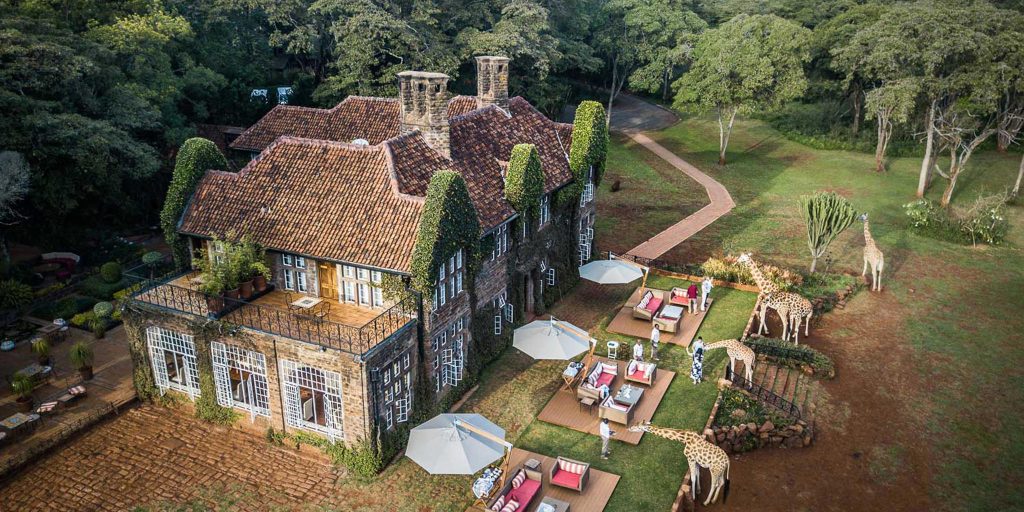
Aerial view of Giraffe Manor - Nairobi, Kenya
Located in Langata, a leafy suburb of Nairobi, this luxurious and exclusive boutique hotel is one of the most unique places to stay for your Kenya safari. It offers a combination of unique wildlife interaction with resident Rothschild’s giraffes, comfort and intimacy, and historic charm.
2. Fairmont The Norfolk

Fairmont The Norfolk Hotel - Nairobi, Kenya
Situated along Harry Thuku Road, just 10 minutes from the airport, the iconic Norfolk offers a sophisticated retreat in an early 20th-century colonial building. As an incredible historic and traditional starting point for many safaris in Kenya, your stay here could be just the beginning of a memorable Kenya safari vacation.
3. Angama Mara
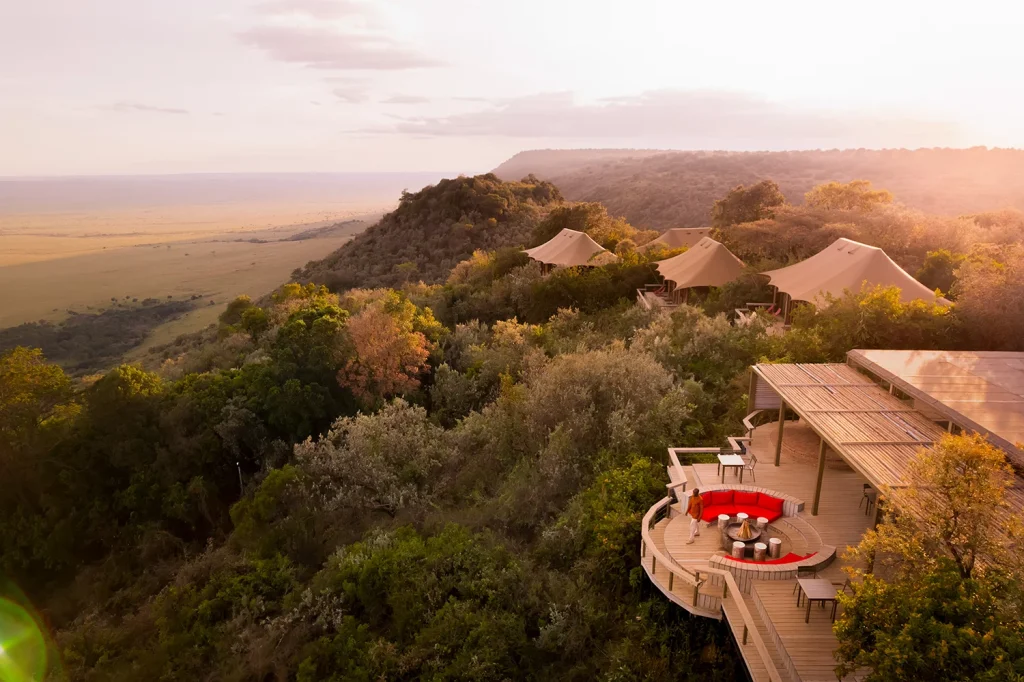
Angama Mara aerial view
Angama Mara is a top-choice luxury camp dramatically perched on the rim of the Oloololo Escarpment, overlooking the Mara Triangle. It offers a luxurious “suspended in mid-air” safari experience with sweeping views of the plains below. It is a great choice for those prioritizing breathtaking views, high-end luxury, and a dramatic clifftop setting.
4. Ol Tukai Lodge
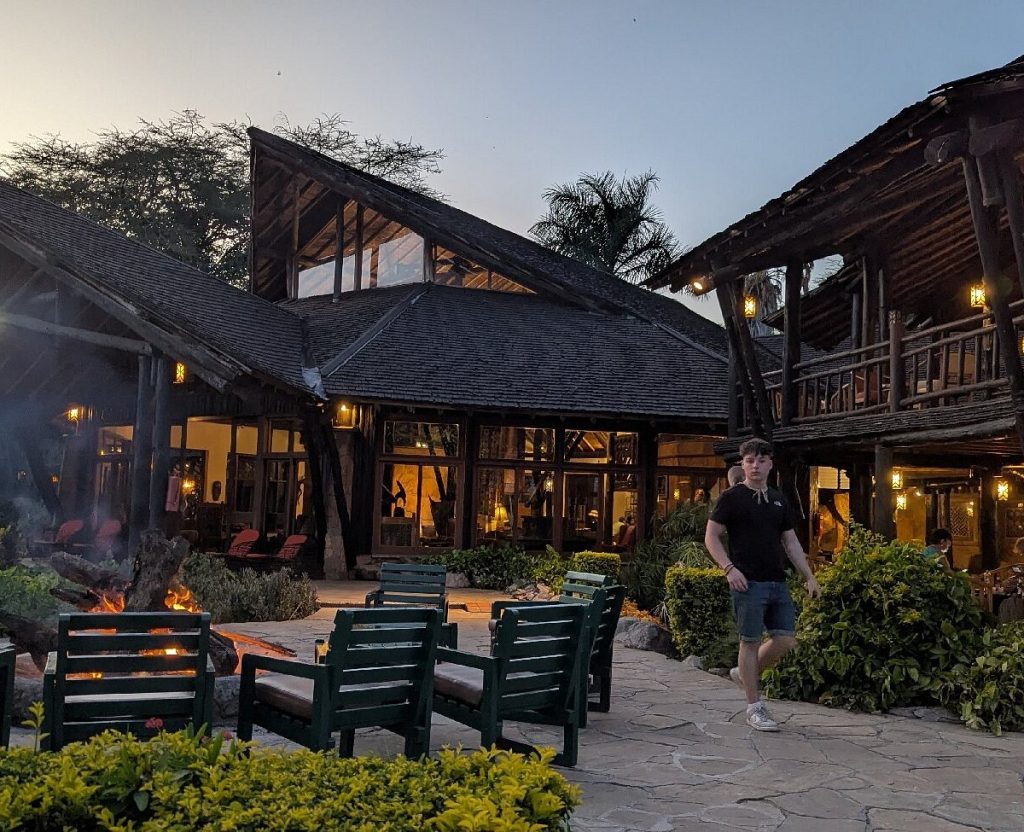
Ol Tukai Lodge Amboseli
Situated in the heart of Amboseli National Park, this charming luxury retreat offers one of the best locations to watch herds of elephants, with Mount. Kilimanjaro looming in the background. You can unwind in the comfortable chalets or take a dip in the free-form swimming pool after the day’s adventure.
5. Serena Beach Resort & Spa

Serena Beach Resort & Spa spectacular view
Serena Beach Resort & Spa is located less than 10 miles north of the bustling coastal city of Mombasa. It encapsulates the five-star resort experience with beachfront views, impeccable service and local Swahili culture. The beachside family-friendly tropical paradise is a perfect place to conclude your Kenya safari, as you enjoy activities like scuba diving, surfing/body boarding.
Kenya Safari itineraries
These trips are meant to give you an idea how different experiences and destinations work together. You can still craft one to match your travel requirements with the help of one of our safari specialists
11 DAYS
Ultimate Kenya Safari
Destinations: Nairobi National Park, Amboseli, Masai Mara and Laikipia Plateau
- Embark on a walking and horseback safari through the Laikipia Plateau’s varied landscape

13 DAYS
Bush and Beach Kenya Safari Vacation
Destinations: Amboseli, Masai Mara, Laikipia Plateau and Diani Beach
- World-class hospitality and barefoot coastal bliss
