


Chimpanzee Tracking
Your Guide to A Chimpanzee Tracking Safari
Chimpanzee tracking is arguably one of the most iconic wildlife experiences in Africa. Imagine coming face to face with one of the most fascinating great apes with whom you share 98.8% of your DNA in its natural habitat.
Unfortunately, chimpanzee populations are facing significant decline and are officially classified as endangered on the IUCN Red List. There are roughly 170,000 to 300,000 chimpanzees left in the wild due to various threats including poaching, habitat loss, and human-wildlife conflict.
However, these intelligent creatures are protected and trekking them in the wild is highly regulated. You’ll need proper planning to ensure a successful chimpanzee trekking experience. Below is our expert guide.
What is Chimpanzee Tracking?
Chimpanzee tracking is a guided hike through a rainforest to observe a troop of habituated chimpanzees in their natural environment. You’ll be led into the forest by expert trackers and guides in a group of no more than eight trekking travelers.
The excursion usually takes two to six hours but once the chimps are found, you’ll spend a maximum of one hour observing them from a safe but intimate distance of eight meters (26 feet).
Travelers interested in a more immersive experience can embark on the chimpanzee habituation that involves making wild chimpanzees accustomed to human presence. They’ll spend up to four hours observing the chimps at close range under the guidance of expert guides and researchers.
It allows them to gain a more in-depth understanding of the apes and their environment.
Where is the best place to see chimpanzees in the wild?

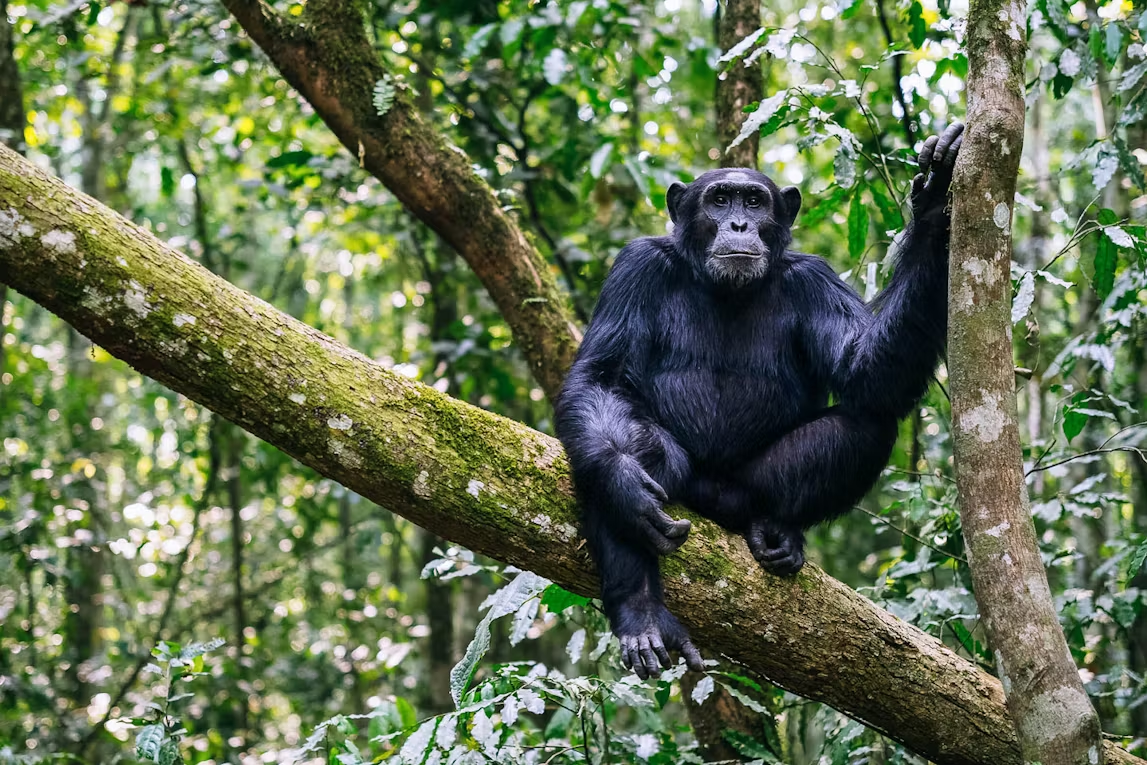
A chimpanzee on a branch of a tree in its natural habitat
Kibale National Park in Uganda is considered the best place to see chimpanzees in the wild. It is home to over 1,400 individuals and boasts the highest density of primates in Africa. Other places include Nyungwe National Park in Rwanda and Gombe Stream National Park in Tanzania.
Chimpanzees are found in the dense tropical rainforests of East, Central and West Africa, but most people travel to East Africa (Uganda, Rwanda and Tanzania) to see the eastern chimpanzees. These countries are generally safe and have well-developed tourism infrastructure.
Are chimpanzees social creatures?
Yes, chimpanzees are highly social creatures that live in communities of up to 100 individuals led by an alpha male. These communities then break down into smaller subgroups as needed.
Chimpanzees spend much of their day in the forest canopy grooming, sleeping, and feeding on fruit, leaves and bark. Your best chance of seeing them is when they descend from the treetops. Chimpanzees thrive in dense, lush tropical rainforest environments where they can find food and shelter.
What is the minimum age for Chimpanzee Trekking?
15 years: The minimum age for chimpanzee trekking is 12 years in Uganda and 15 years in Rwanda and Tanzania. Children below these ages are considered minors, prohibited from tracking because they may not be able to observe the rules and therefore pose a threat to both the chimps and themselves.
Do I need a permit to go chimpanzee tracking?
Yes, you need a chimpanzee trekking permit in order to see these endangered species in their natural habitat. Chimps live in untamed, difficult-to-access, but highly protected areas, so you cannot roam the jungles on your own to find them. You’ll need to secure a permit to safely see them in the wild.
Permits are issued by the Uganda Wildlife Authority (UWA) in Uganda, the Rwanda Development Board (RDB) in Rwanda, and in Tanzania, they can be got from the respective national parks. A better alternative is booking through a trusted tour operator like Exploits Travel, which coordinates permits with your safari.
How much is a chimpanzee tracking permit?
In Uganda, 2026 chimpanzee permits in Kibale National Park cost $250 for foreign non-residents, $200 for foreign residents and UGX180,000 for East African citizens. In Budongo Forest, they cost $130 for foreign non-residents, $120 for foreign residents and $85 for East African citizens while those in Kyambura Gorge cost $50 for foreign non-residents, $40 for foreign residents, and UGX30,000 for East African citizens.
A chimpanzee habituation permit in Kibale National Park costs $300 for foreign non-residents, $250 for foreign residents, and UGX250,000 for East African citizens.
In Rwanda, a chimpanzee permit in Nyungwe National Park costs $250 for foreign non-residents, $135 for foreign residents and $35 for East African citizens (includes park entrance fees).
In Tanzania, a chimpanzee permit in Gombe Stream National Park costs $100 per person and in Mahale Mountains National Park costs $150 per person.
Is chimpanzee tracking worth it?
Yes, chimp tracking is without a doubt worthwhile because seeing these intelligent and social creatures in their natural habitat is a rare opportunity and a once in a lifetime experience. You’ll also be contributing significantly to the conservation of these endangered species.
The permits you purchase for chimp trekking are a crucial source of revenue for national parks and wildlife reserves. These funds are used to support conservation initiatives, anti-poaching efforts, wildlife monitoring and therefore protect chimpanzee habitats.
Is chimpanzee trekking safe?

Chimp tracking in Kibale National Park
Yes, chimp trekking is generally safe when conducted with expert guides and armed rangers while following the rules and guidelines. Notwithstanding, like any wildlife activity, chimpanzee trekking involves inherent risks, and trekkers are advised to follow park rules to minimize potential threats.
The following measures are often taken when chimp tracking.
- Small groups of six trekking travelers often visit troops that have been habituated – a process that involves years of making chimps accustomed to human presence.
- Trekkers are accompanied by expert guides and rangers who have a better understanding of chimpanzees and their behavior.
- Armed ranger guides are also provided to ensure the safety of trekkers.
- Trekkers are required to follow park rules and guidelines to ensure their safety as well as the chimps.
How difficult is chimpanzee tracking?
Chimpanzee tracking is less difficult and physically demanding than gorilla trekking. Most protected areas sit at lower altitudes ranging between 1,160 and 2,607 meters, requiring a moderate level of fitness. The terrain is typically gentle, making it accessible to a wider range of people.
Slippery and muddy trails during the rainy season, thick vegetation and highly active chimps are just a few manageable challenges. However, the risks associated with chimp trekking are low. Trekkers are advised to follow park rules to ensure a more enjoyable and safe experience.
Best time for chimpanzee tracking
The best time to track chimpanzees is during the dry seasons from June to August and December to February depending on which destination you visit. During these times, there is less rainfall, meaning the trails are drier and easier to navigate making trekking a more pleasant experience.
However, these times are associated with scarce food sources, meaning chimpanzees are more mobile and travel deeper into the jungle to find sustenance, resulting in fewer sightings. Furthermore, June to August coincides with the peak tourist season meaning expect more crowds and higher prices for permits and accommodation.
If you’re looking at experiencing fewer crowds and potentially lower prices, the best time to visit is during the rainy seasons from March to May and October to November but expect more challenging treks as the trails can get muddy.
Essential items for a chimpanzee trekking safari (What to bring)
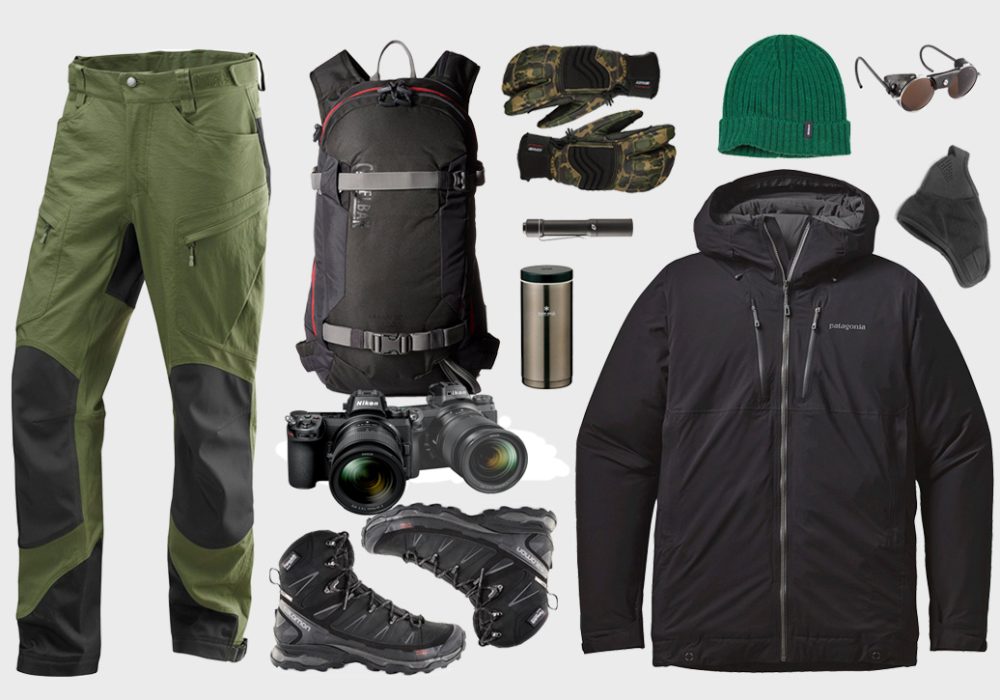
Essentials for trekking
- Bring comfortable hiking boots with good grip and traction suitable for navigating steep slopes and muddy surfaces.
- Carry appropriate clothing such as long-sleeved trousers and shirts to protect you from sharp thickets.
- Carry a small day pack (backpack)
- Water bottle – you’ll be trekking for longer hours to find the chimps
- Packed snacks just in case you get hungry
- Insect repellant
- A good camera with sharp lenses and extra batteries – you should turn off the flash
- Binoculars – to see small but important details as well as birds
- Rain jacket with hood or poncho. Since you’ll be trekking in a rainforest, expect to get wet any time of year.
- Gardening gloves help to protect your hands from stinging nettles.
- Layered clothing
- Walking stick to help you steadily navigate steep slopes and rough terrain
Tips for chimpanzee tracking
- Consider booking permits beforehand
- You must be in good health to prevent transmitting any human-borne illnesses to the chimps. Travelers who are ill or demonstrating signs of illness can’t be allowed to trek.
- Bring hiking boots, long sleeves and pants, rain gear, a day pack and insect repellent among others.
- The minimum age requirement for chimpanzee trekking is generally 15. Travelers must ensure they are 15 or older.
- Maintain a safe distance of about 8 meters while in the presence of the chimps.
- You can’t eat or hold edibles near the chimpanzees.
- Consider the altitude of the park you visit as some may require acclimatization.
- Consider the season in which you travel – the best time to go trekking may depend on the weather conditions.
- Follow park rules and guidelines and listen to your guide at all times.
Sample Chimpanzee Tracking safaris


