
Cultural Experiences
Cultural Experiences in East Africa
Cultural experiences go beyond merely visiting new places. They mean getting immersed into the heart and soul of a destination to gain deeper insights through personal interactions, shared stories, and the magic of hands-on experiences. You don’t just witness but actively participate in the rich tapestry of the community’s culture, connecting with its heritage, customs, and traditions.
Known for its immense wildlife and stunning natural beauty, Africa is also a veritable hotspot for culture. The continent is home to a diversity of ethnic communities that have been successful in preserving their rich traditions and customs, providing incredible opportunities for discovery.
From the rhythmic drumming of Maasai warriors at sunset to the graceful movements of Rwandan Intore dancers echoing through misty rainforests, this is a continent where culture remains the core of every experience.
Spend a thrilling morning with ancient tribes in a misty rainforest or desert learning their secrets; gather round the fire under a full moon where tales of old come alive; or feast on delicious traditional cuisine and join in the evening’s festivities—every encounter means another chapter in your adventure book.
In this guide, learn about transformative and immersive cultural experiences in East Africa featuring the distinctive Maasai, the ancient Batwa Pygmies, and other unique communities.
Best Cultural Experiences on East Africa Safari
1. Maasai cultural visit
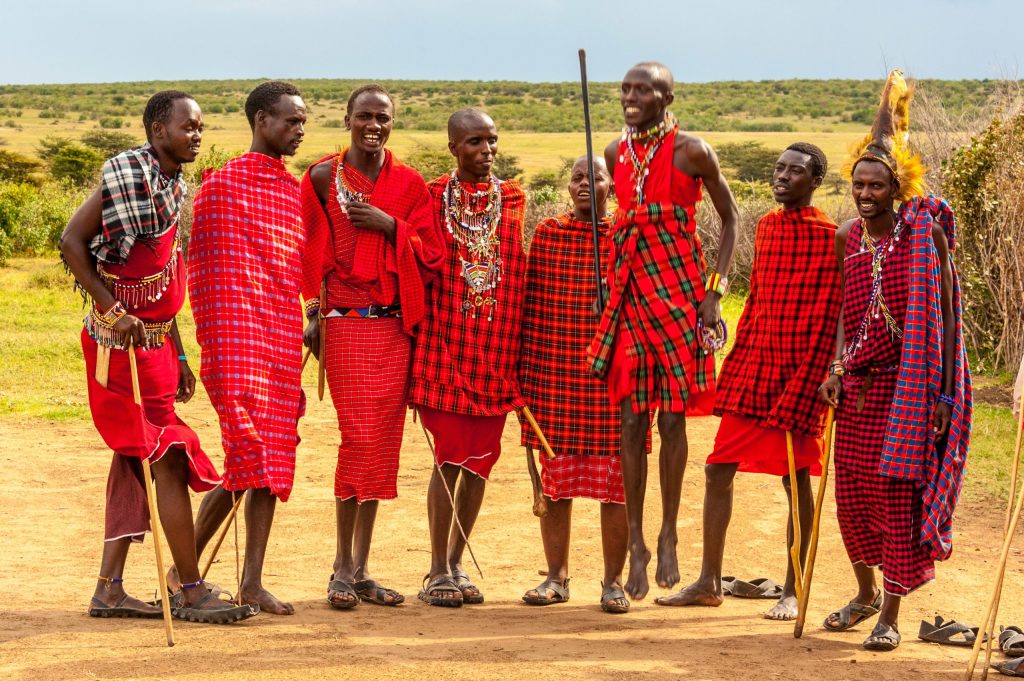
Maasai Tribe
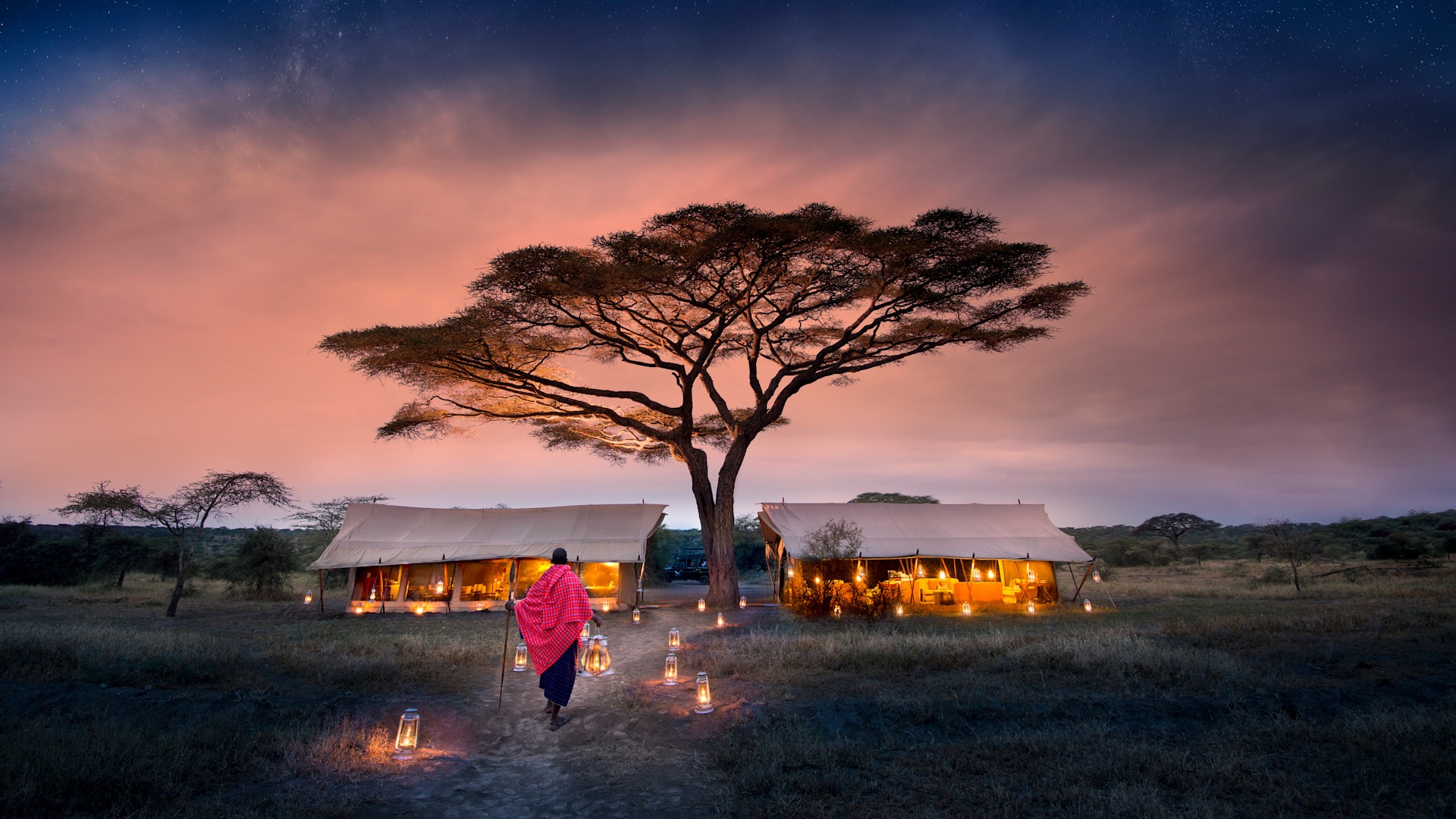
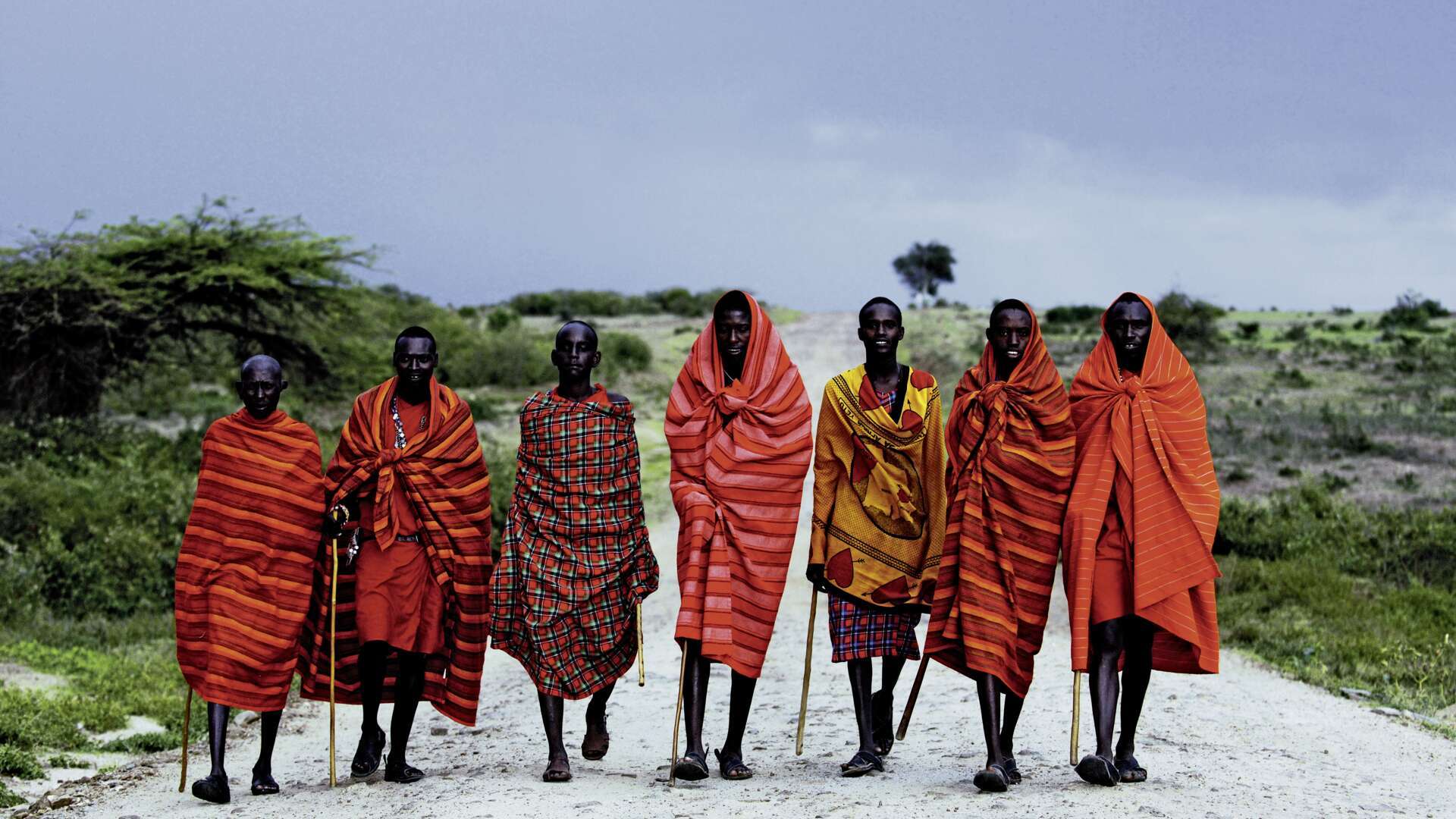
Your list of cultural experiences is incomplete without an encounter with the world-famous Maasai people of Kenya and Tanzania. Donned in bright red robes and clutching spears, these warriors are an impressive sight to behold.
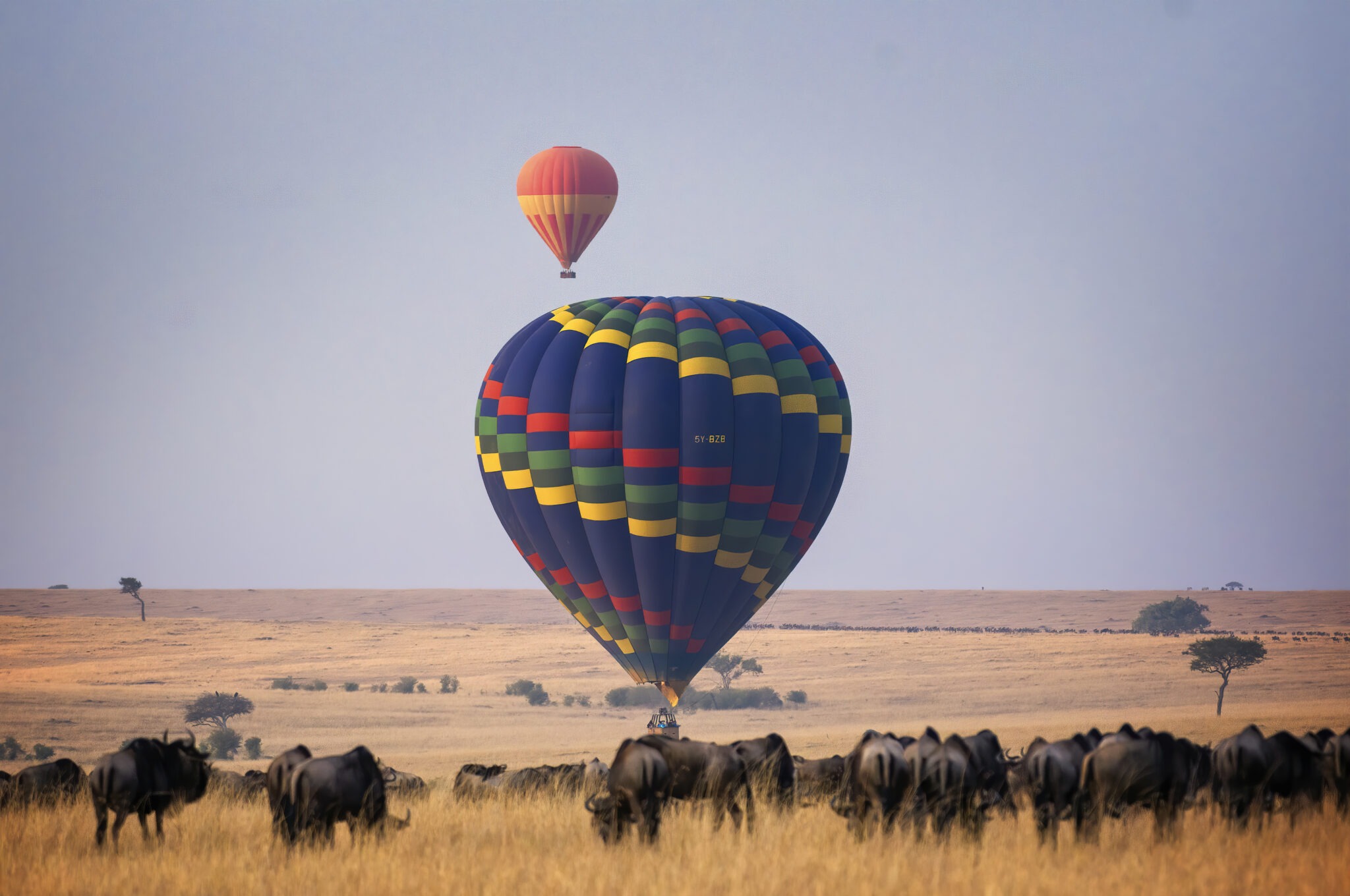
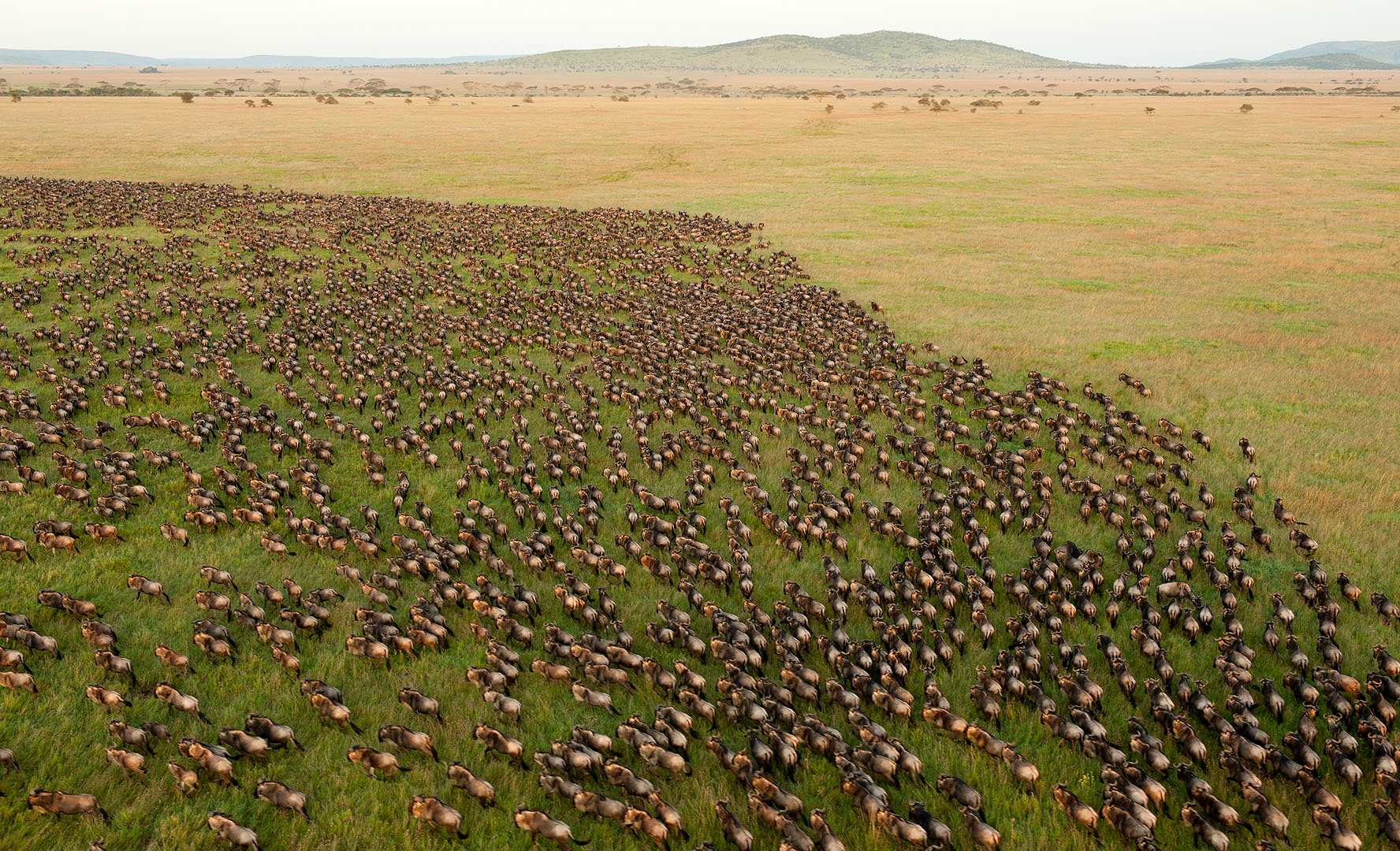
They are as much a part of the landscape of the Masai Mara and Serengeti as the vast migrating herds. It’s not uncommon to encounter them herding – their primary source of livelihood.
The Maasai have opened up their hearts to the world and now travelers are able to add a Maasai cultural visit to their African safari itineraries to experience their ancient traditions and customs. During your visit, a cup of sweet, milky tea in a traditional Maasai manyatta is not to be missed!
2. Mto Wa Mbu village walk
Located between Lake Manyara and Ngorongoro, Mto Wa Mbu is a melting pot of cultures. It is home to around 18,000 people with representatives from all 120 tribes of Tanzania living happily side by side, sharing their expertise in commerce, agriculture, and art. It presents the opportunity for a complete immersion into a colorful world of languages and cultures. During your 2–3-hour visit, you’ll get a good feel for the social side of the village, visit the farms and food markets, art centers, workshops, and local eateries.
3. Batwa trail
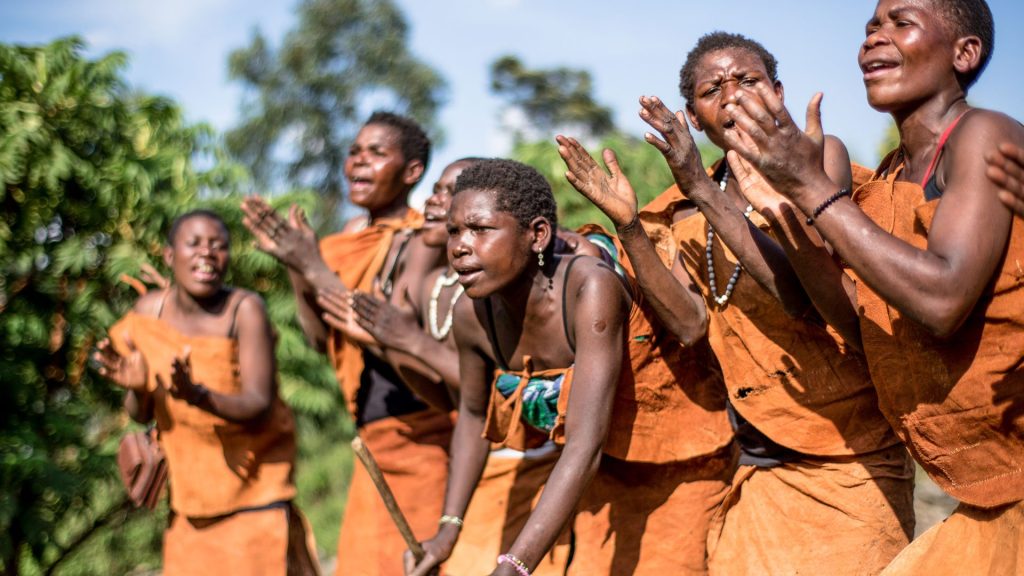
Unique Batwa Pygmies of Uganda
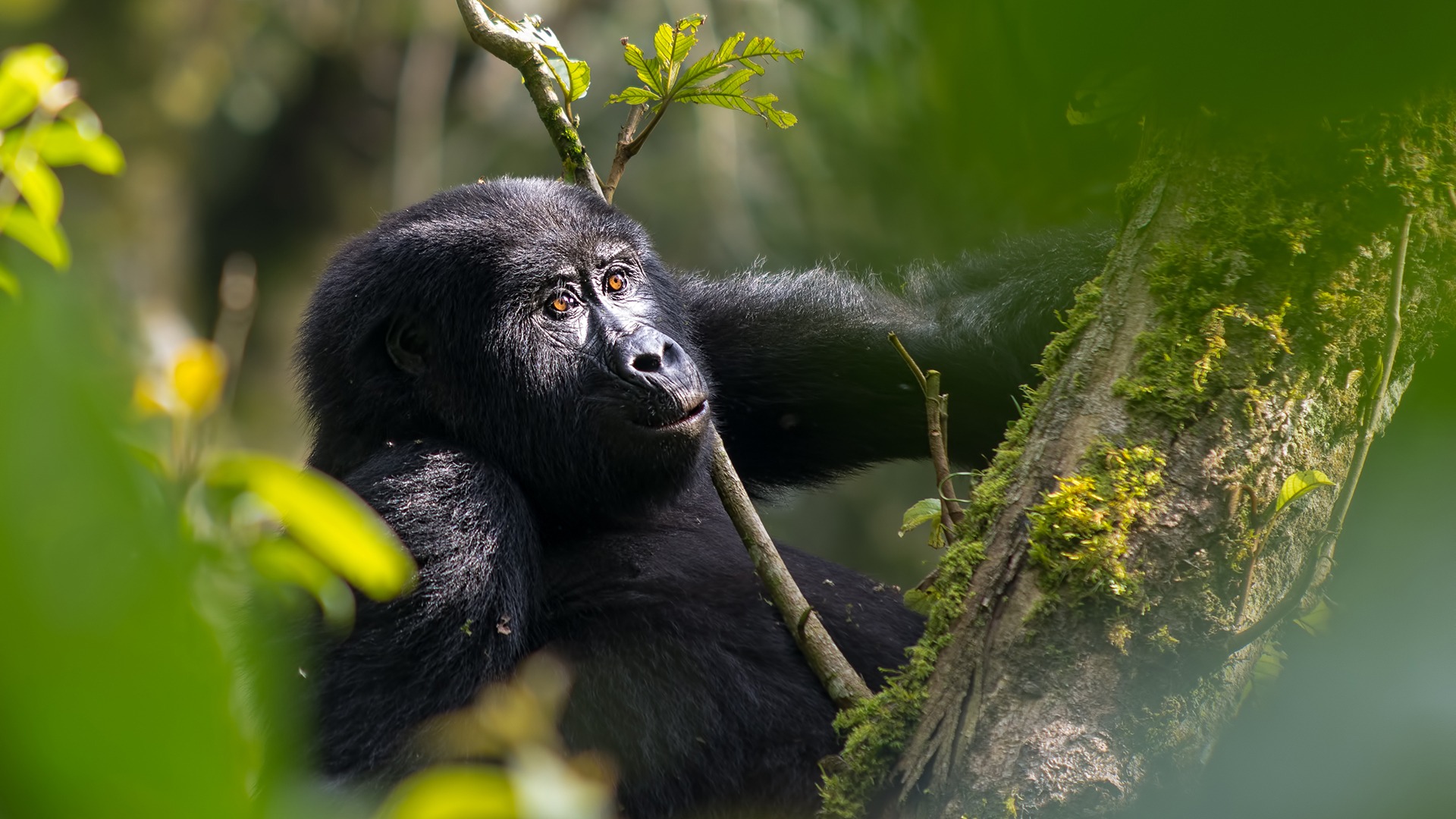
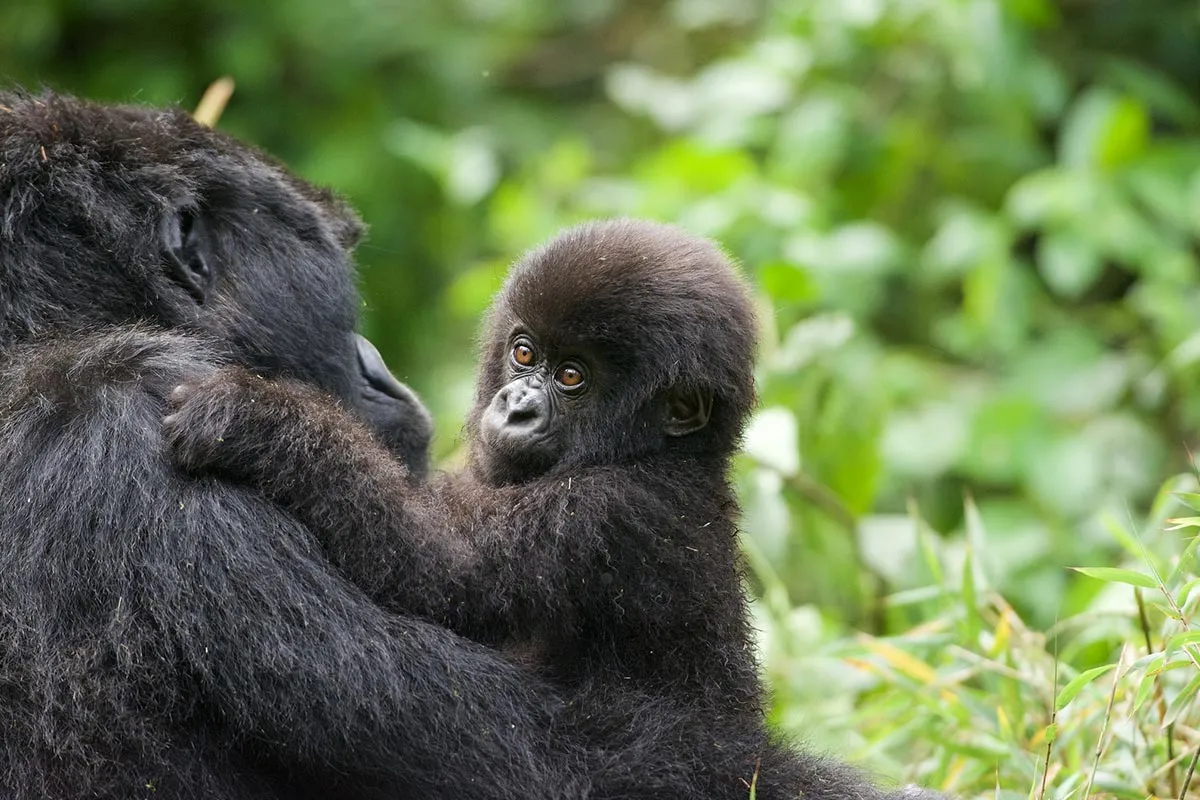
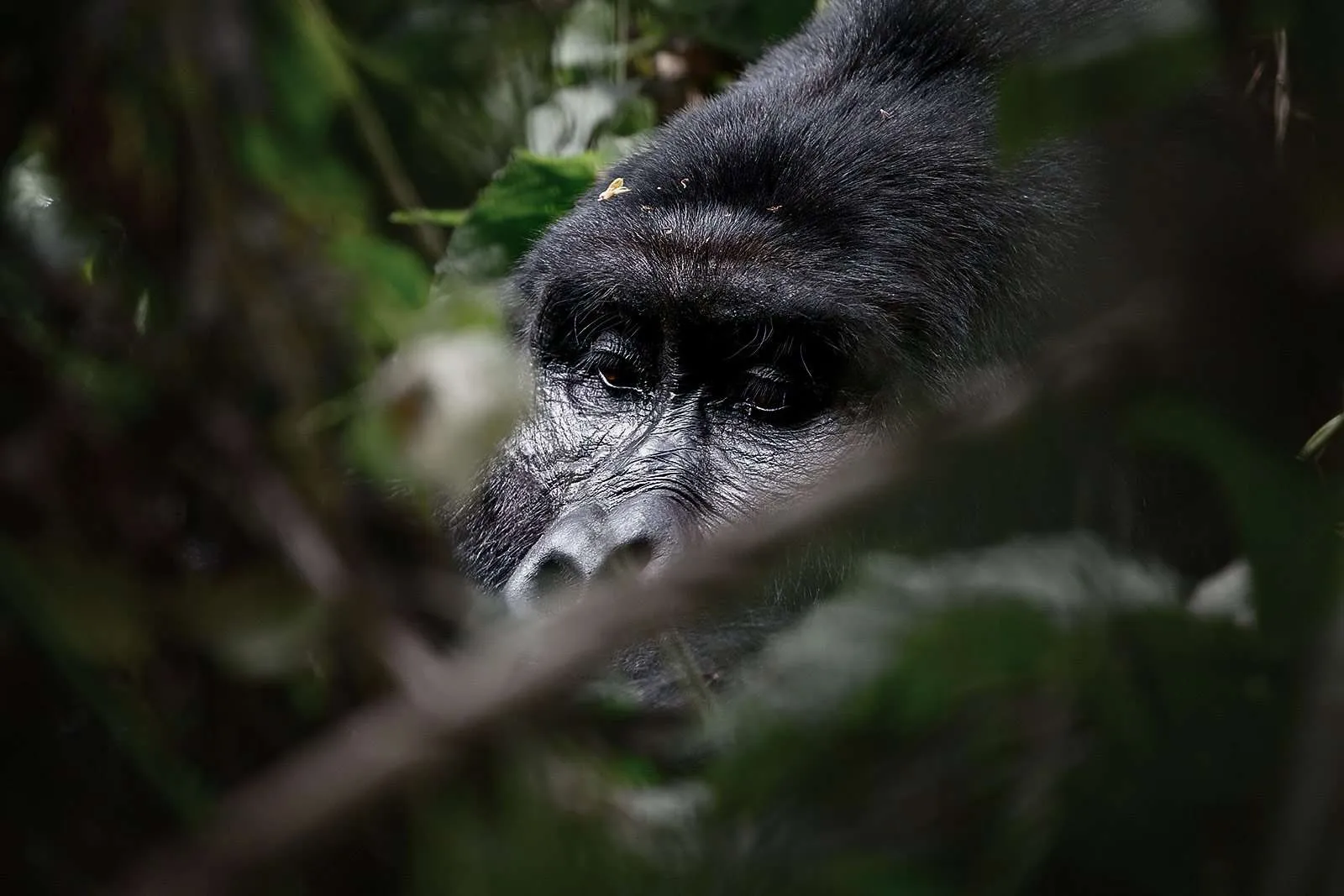
Bwindi Impenetrable National Park is not only home to the endangered mountain gorillas, but also the fascinating Batwa pygmies, a hunter-gatherer tribe that has lived in harmony with the wildlife of this ancient park for thousands of years. They lived in shelters made of leaves and branches, frequently searching for fresh food supplies.
Unfortunately, they were evicted from Bwindi Forest when it was designated a national park in 1991 and now live within the fringes of the forest. A day tour to a nearby village offers the opportunity to learn their traditions and way of life.
4. Visiting the Samburu
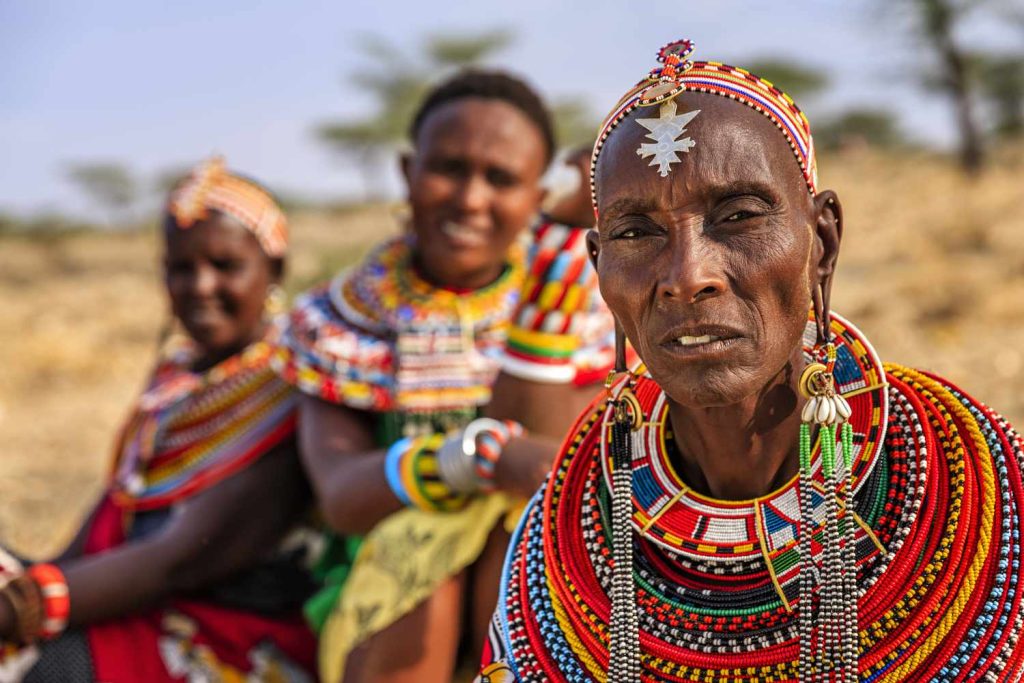
Samburu people
Similar to the Maasai, the Samburu are popular for their tradition and customs, presented in their unique attire, distinctive haircuts, and fierce warriorship. They live in the geographically fascinating Samburu County of northern Kenya. Both the Samburu and Maasai are closely related, given that they are semi-nomadic pastoralists and speak the ‘Maa’ language.
5. Iby’Iwacu Cultural Village tour
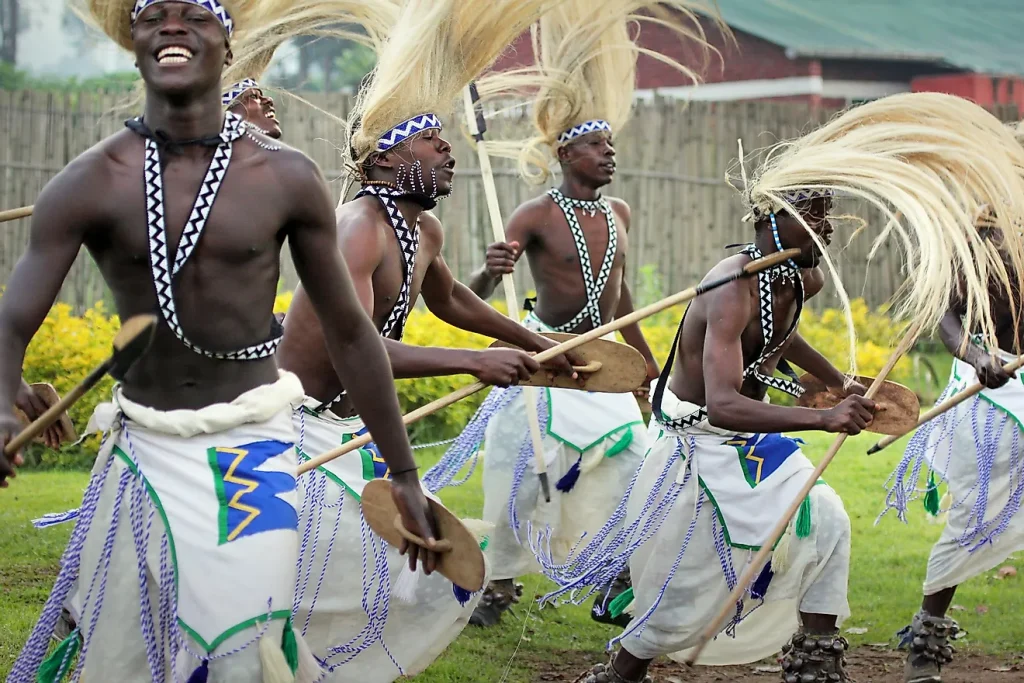
Iby'Iwacu Cultural Village tour
Located in Musanze near Volcanoes National Park, the Iby’Iwacu Cultural Village is a non-profit initiative that emerged from the ashes of Rwanda’s infamous poaching culture. It offers immersive cultural experiences showcasing Rwanda’s culture and traditions – the lifestyle, homes, traditional dances, attire, food, herbs and how the ancient kingdoms were generally organized.
6. Karamojong tour
Karamojong are the eastern Nilotic pastoral people of northeastern Uganda. They are the largest of a cluster of culturally and historically related groups including the Teso, Jie, Labwor, and Dodoth of Uganda and the Turkana of neighbouring Kenya. They are known for their distinctive culture characterized by the use of colorful beads, scarification, and blankets and for relying heavily on cattle for milk, blood, and social status. You can best experience their way of life by including a visit to their bomas with a safari in Kidepo Valley National Park.
Combine cultural experiences with wildlife safaris
Combining wildlife and cultural experiences makes for a well-rounded and enriching travel experience. It allows you to soak up some of the local culture that this vibrant continent is famous for. Below are our sample itineraries you can choose from.
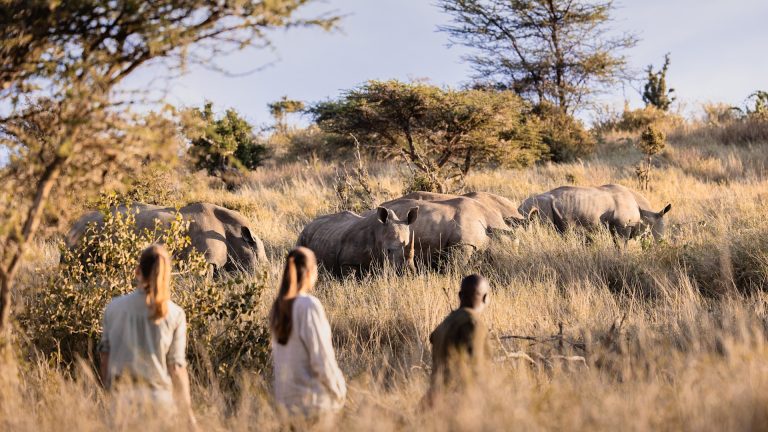
10 DAYS
Best of Kenya Safari in Private Conservancies
Destinations: Lewa, Namunyak and Naboisho
- Intimate and exclusive wildlife viewing including walking safari and camel safari
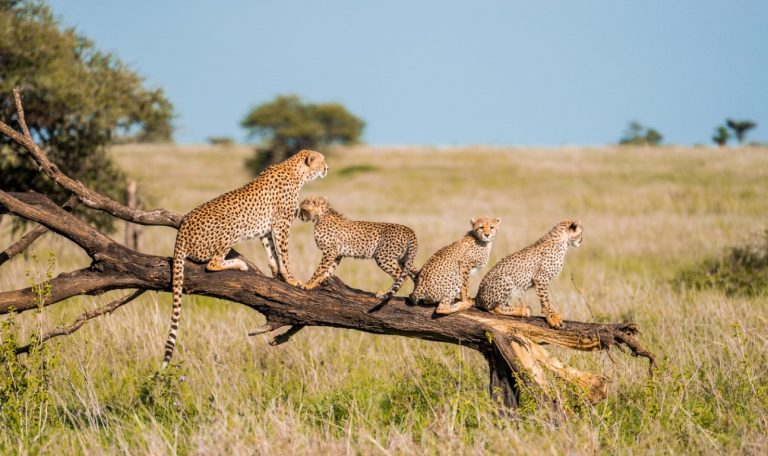
15 DAYS
East Africa Safari (Chimps, Gorillas, Wildebeest Migration)
Destinations: Kibale, Queen Elizabeth, Bwindi, Masai Mara, Serengeti and Ngorongoro
- Suitable for all kinds of travelers
