
Samburu National Reserve
Samburu National Reserve is an exceptional, less-crowded alternative to popular Kenyan parks, offering an authentic arid-wilderness experience to the adventurous traveler. Visitors can explore the vast, remote landscape featuring excellent wildlife—including the unique “Special Five”—and a fascinating cultural backdrop.
Samburu National Reserve at a Glance
Samburu National Reserve is located in Samburu County, northern Kenya, north of the Laikipia Plateau on the banks of the Ewaso Ng’iro River adjoining Buffalo Springs National Reserve and Shaba National Reserve. It is 350 kilometers from the capital, Nairobi, and spans an area of 165 km², ranging from 800 to 1230 m above sea level.
This is where the flat green vegetation of the rest of the country starts fading away, giving way to semi-arid scrubland, immense rocky outcrops, and acacia woodlands which punctuate the parched terrain. The meandering Ewaso Ng’iro River, fed by the glaciers of majestic Mount Kenya, provides a year-round lifeline for the uniquely adapted wildlife in this semi-arid ecosystem.
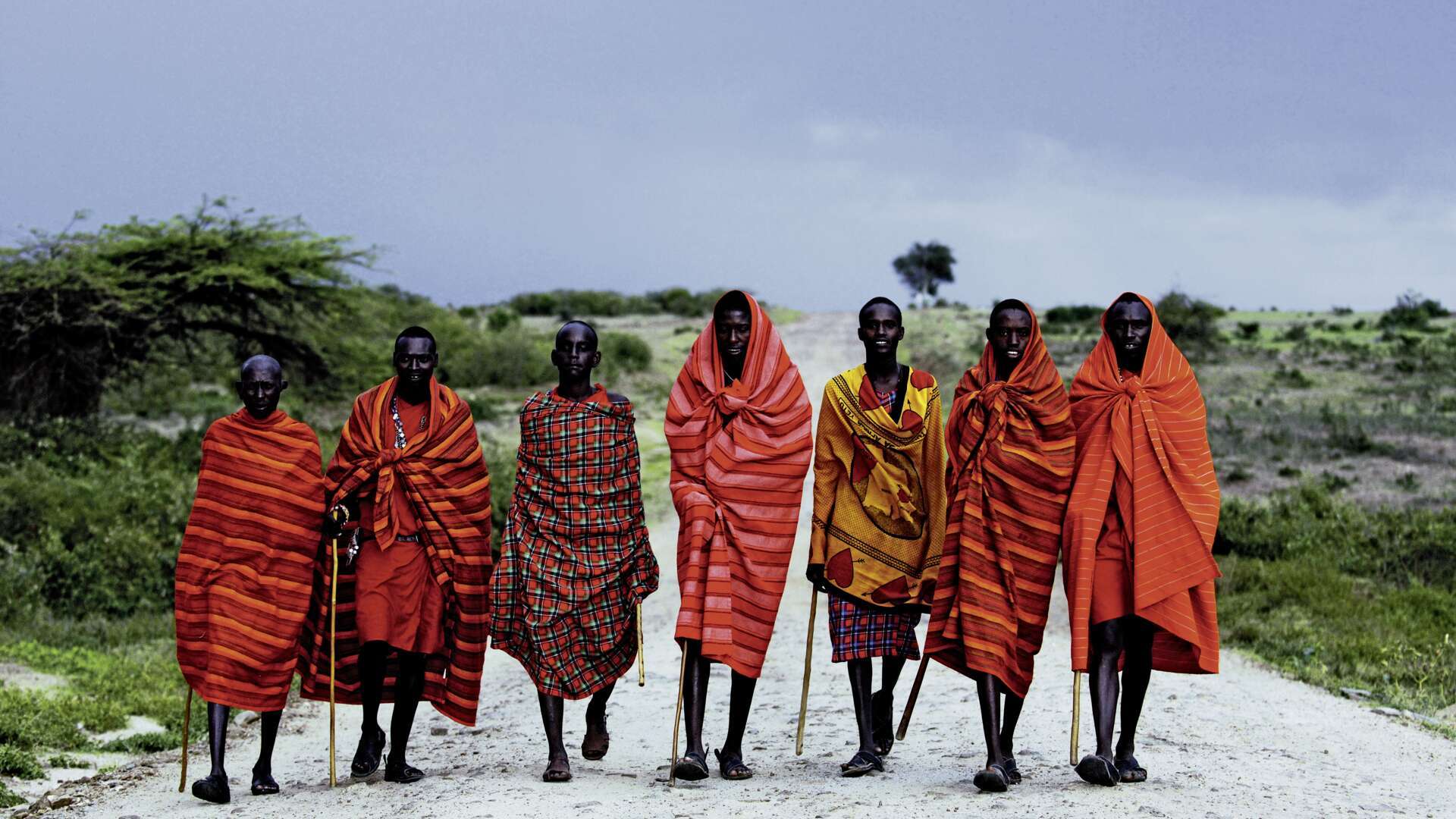
The park is named after the Samburu people—a nomadic pastoralist tribe whose traditional finery is among the most beautiful and delicate in the world. Lured to this region by the reliable Ewaso Ng’iro River, they now offer visitors the privilege of experiencing their ways of life, which are similar to, yet distinct from those of the Maasai.
Unlike more visited parks like the Masai Mara, Samburu is considered a gem among discerning travelers. It offers a secluded off-the-beaten-path experience in a unique environment featuring intimate wildlife viewing, untouched wilderness, and a sophisticated, understated atmosphere, making it a perfect destination to add to your itinerary.
Samburu National Reserve Highlights
- Be captivated by the real-life tale of a bereaved lioness adopting and protecting an orphaned gazelle – you can read the full true story at the entrance to Samburu National Park.
- Saddle up a camel to explore the scrubland of the Samburu.
- Drink in a spectacular night sky that washes you in Africa’s own ambiance and unblemished Milky Way.
- Spot the Samburu Special 5: gerenuk, beisa oryx, Grevy’s zebra, reticulated giraffe, and Somali ostrich.
- A prolific birdlife with at least 450 recorded species, including Kori bustards, vulturine guinea fowl, and secretary birds.
- Learn how the Samburu way of life differs from the Maasai.
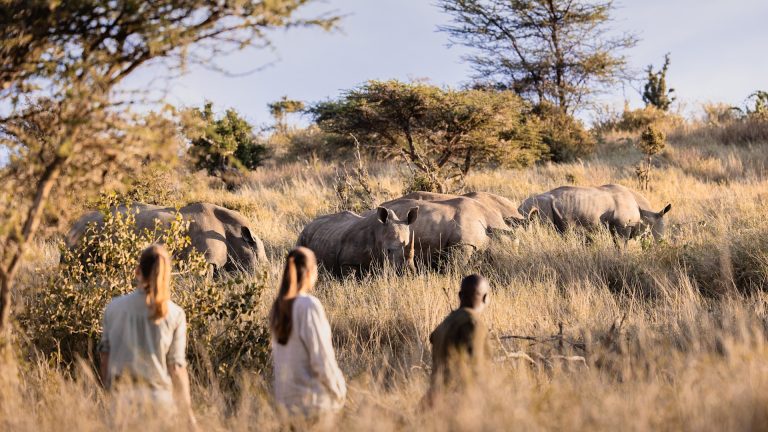
- Experience a walking safari with Samburu guides through a hilly landscape dotted with spectacular rocky outcrops.
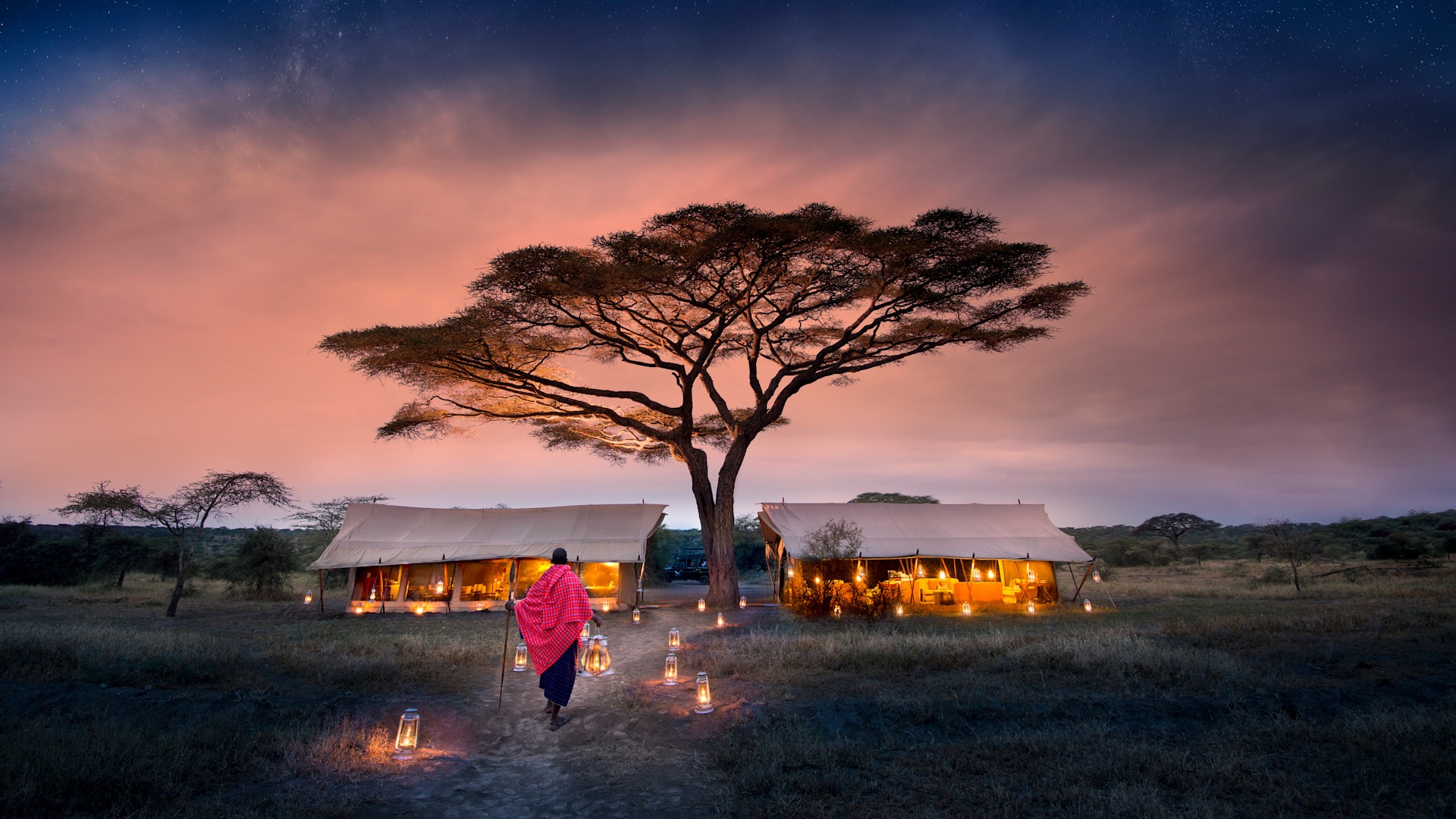
- Stay in accommodations that range from Bedouin-style tents to lodges built into and around a giant volcanic rock face.
Wildlife in Samburu National Reserve
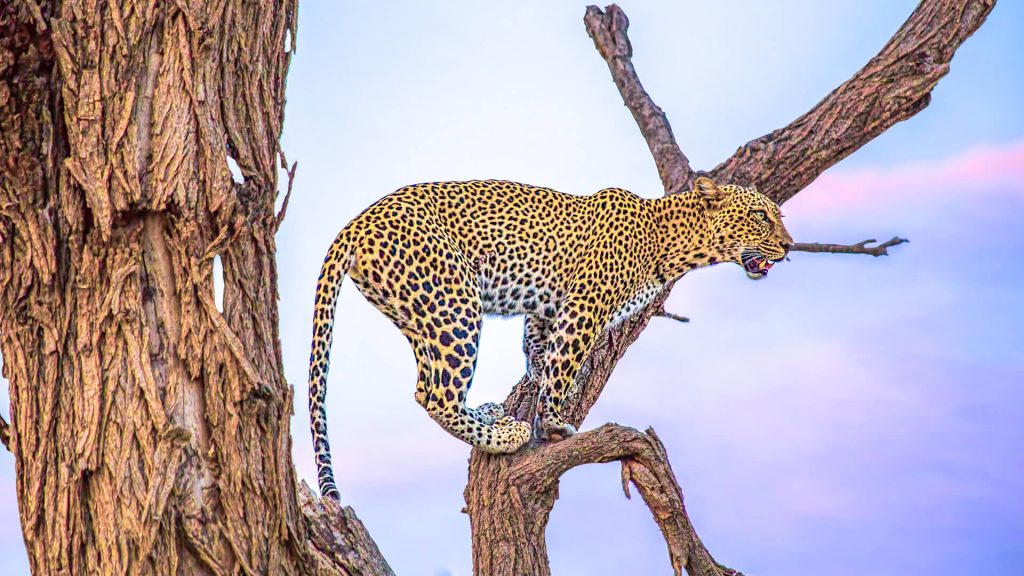
Samburu Leopard
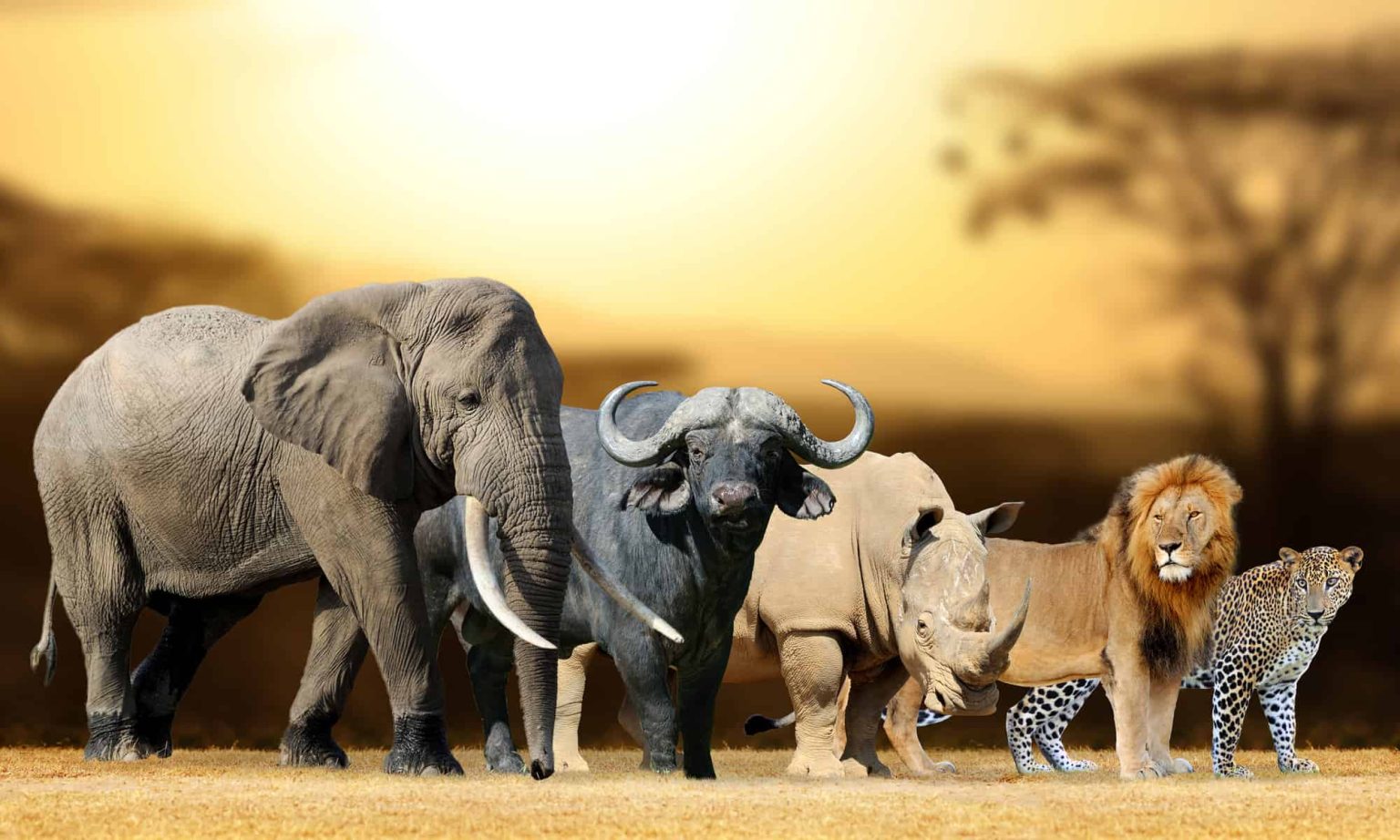
Samburu National Reserve is home to the rare Northern Special Five (Grevy’s zebra, Somali ostrich, reticulated giraffe, gerenuk, and Beisa oryx) along with four of the Big Five (rhinos are absent). The big cats (lions, leopards, and cheetahs), Samburu elephants, African wild dogs, and the critically endangered Pancake Tortoise, are found here.
Prolific birdlife of over 450 species has been recorded, including the Lesser Kestrel, Taita Falcon, Great Egret, African Darter, White-headed Vulture, Martial Eagle, and Yellow-billed Oxpecker.
Generally, this craggy, rugged region delivers an awe-inspiring African wilderness experience for the seasoned traveler.
Best time to visit Samburu National Reserve
The best time to visit Samburu National Reserve is during the dry season from June to September. Wildlife is easier to spot as they congregate along the Ewaso Ngiro River, one of the park’s few reliable water sources.
Dust hangs in the air, giving the landscape a hazy look, while decent road conditions and sparse vegetation allow for a clear view. The hot, dry months of January and February are also conducive to wildlife viewing.
Birdlife is most vibrant and spectacular in the wetter months from November to April.
Generally, Samburu National Reserve is a year-round safari destination since it does not have very intense rainy seasons, keeping the risk of malaria low.
Getting to Samburu National Reserve
Samburu Game Reserve is located about 310 kilometers north of the capital Nairobi. The drive time from Nairobi is approximately 5 to 6 hours using Thika Superhighway Road.
Flying to Samburu is a more convenient option. There are direct flights from Nairobi’s domestic Wilson Airport and it is only a 1.5-hour flight to one of the airstrips in Samburu.
Accommodations in Samburu National Reserve
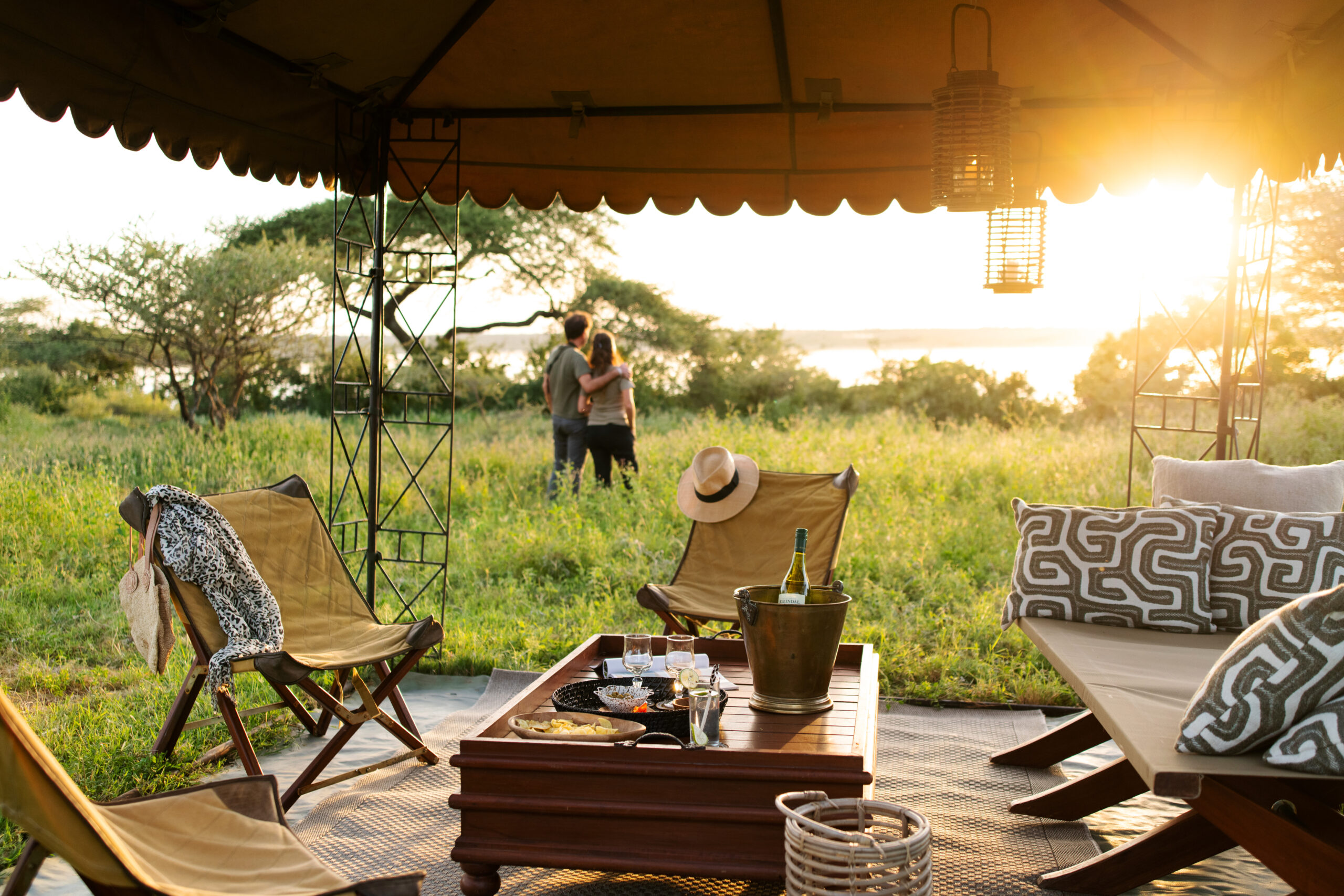
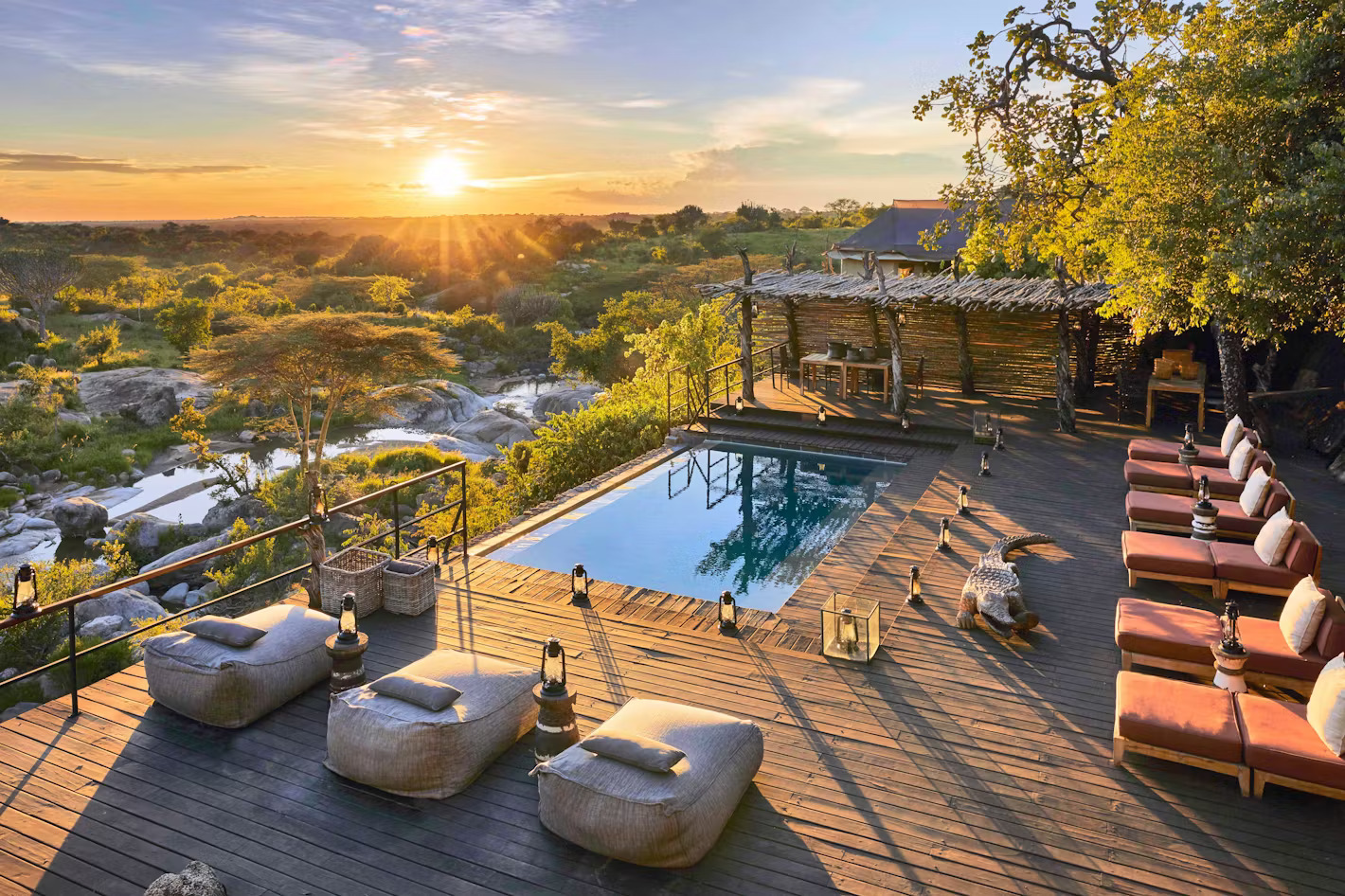
Samburu Game Reserve offers some of the most spectacular accommodations, thanks to its rocky outcrops and unique blend of Samburu and Arabian architectural influences. Popular options include;
- Saruni Samburu is a pioneer safari lodge perched atop a rocky inselberg in the exclusive, remote Kalama Wildlife Conservancy where luxury and culture blend in the heart of Africa’s most dramatic landscapes. From $500 per person sharing.
- Elephant Bedroom Camp is where rustic charm meets riverfront luxury. Set along the serene banks of the Ewaso Nyiro River, the property ensures an authentic African safari experience in a comfortable tented setting. From $355 per person sharing.
- Sasaab is a stunning Moroccan-inspired luxury tented camp situated on the banks of the Ewaso Nyiro River, offering an intimate retreat in the heart of Samburu. From $910 per person sharing.
Sample Trips
10 DAYS
Best of Kenya Safari in Private Conservancies
Destinations: Lewa, Namunyak and Naboisho
- Intimate and exclusive wildlife viewing including walking safari and camel safari
11 DAYS
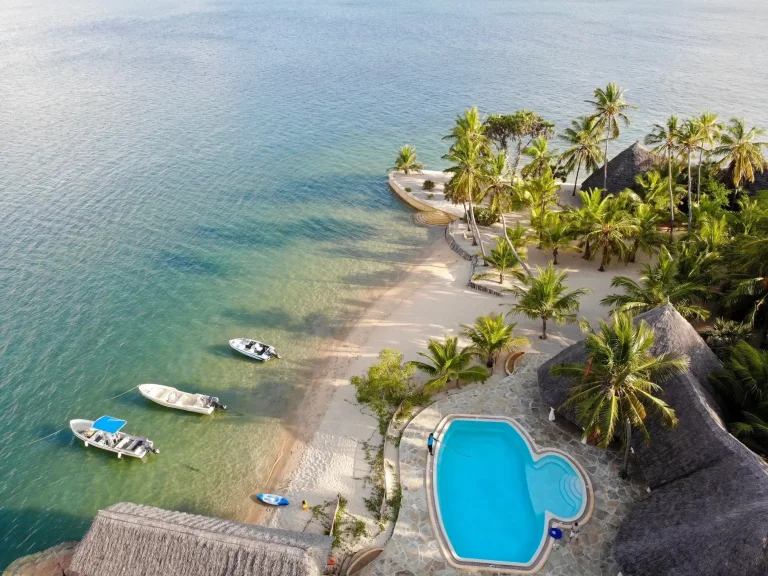
Kenya Migration and Manda Bay Safari
Destinations: Masai Mara and Lamu
- Intimate wildlife viewing
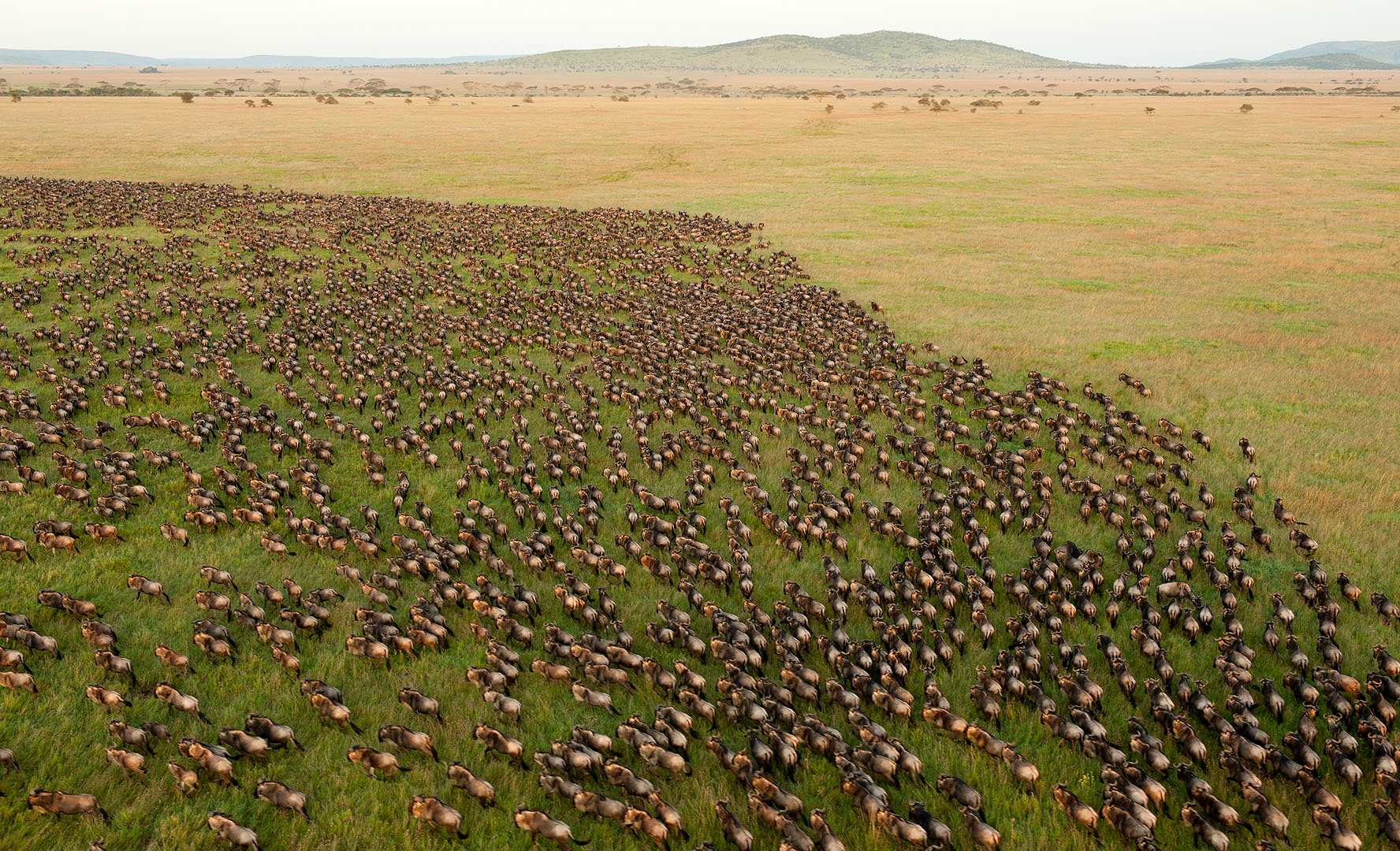
- Exclusive wildebeest migration showcase
- Barefoot beach luxury
