
Samburu People of Kenya
The Samburu are a Nilotic people of north-central Kenya. They live in the fascinating Samburu County, an arid area between Mount Kenya and Lake Turkana. Traditionally semi-nomadic pastoralists, they primarily herd cattle alongside sheep, goats and camels
Samburu language and identity
The Samburu people speak a dialect of the Maa language, making them closely related to the Maasai people, one of the most well-known indigenous tribes in Africa. Despite sharing ancestors and appearing similar, they remain distinct in their customs and clan systems.
With a population of nearly 400,000, the Samburu community is structured to encourage strong adherence to its traditions. They refer to themselves as Lokop or Loikop, which can be interpreted as “owners of the land” (“lo” meaning ownership and “nkop” for land).
Identity is rooted in age, clan, and tradition as reflected in the beads they wear, the ceremonies they go through, and the role every individual plays in the community.
As community leaders, the elders are typically the senior members who make final decisions and have the ultimate say over matters. They possess the authority to cast spells on younger, disobedient members.
The highly devout Samburu practice their traditional religion, which focuses on their multi-faceted divinity, Nkai—the supreme deity. Children and young people, especially women are known to have reported visions of Nkai.
Samburu culture and traditions
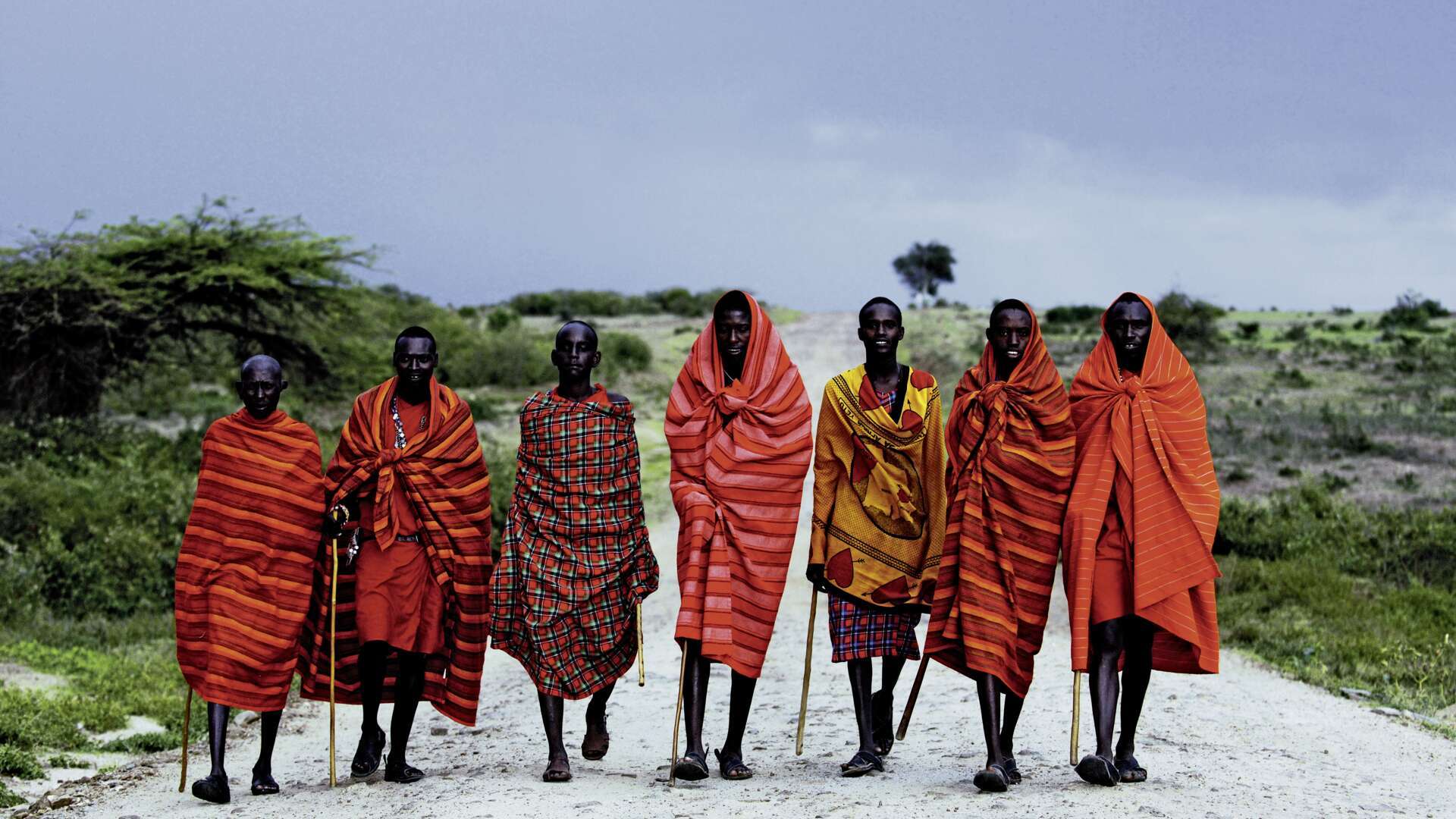
Similar to the Maasai, the Samburu are popular for their tradition and customs, presented in their unique attire, distinctive haircuts, and fierce warriorship. With vibrant beadwork, age-set rituals, and deep ties to nature, their culture remains strong even as modern life blends in.
Clothing and adornment
Beadwork isn’t merely decoration. It expresses who they are.
Men (morans)
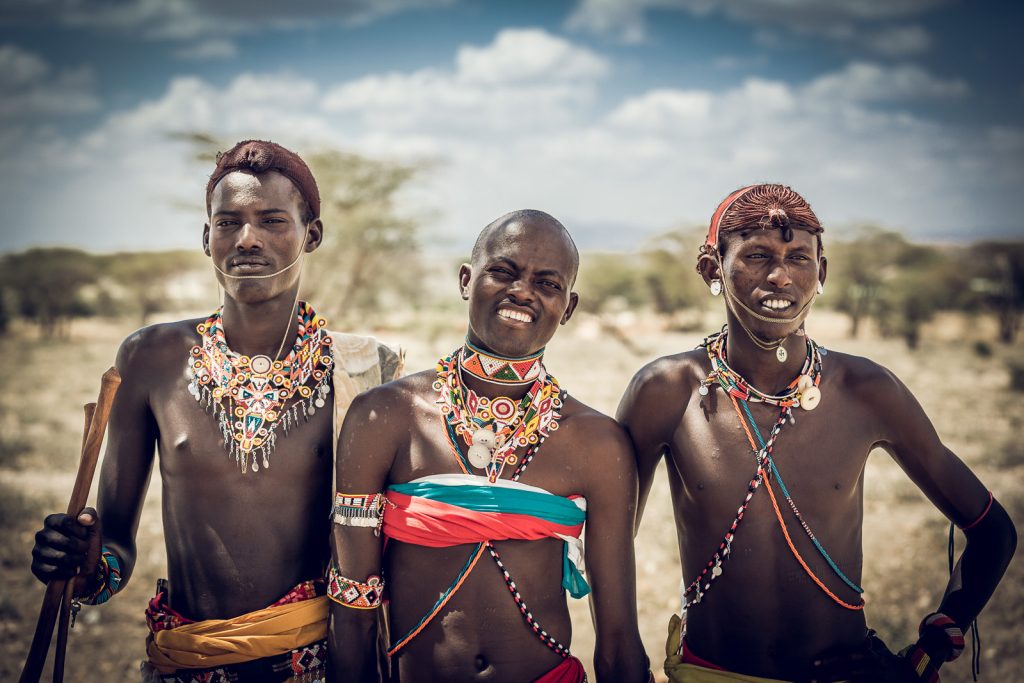
Also called morans, young men wear brightly coloured garments, usually red, purple, and blue. Their heads are shaved or braided with specific patterns, and they often wear layered necklaces, anklets, bracelets, and earrings. This marks their age group, status, and role in society.
Women
Women wear leather skirts and another layer of cloth on their chests. The outfit is completed by rows of colorful beads around their necks, beaded earrings, and thick bangles. The size, pattern, and colors of beads indicate status, such as age group or marriage.
Generally, the colors typically represent aspects of life: Red signifies bravery or blood, Blue signifies sky or rain, and White signifies purity or milk.
Even with growing access to modern clothes, many Samburu still choose to wear their traditional attire every day, especially during ceremonies or important events, thus maintaining their cultural authenticity.
rituals and ceremonies
- Circumcision marks the start of adulthood. It is practiced for both boys and girls. However, the practice among girls is outlawed and declining due to intense advocacy, and it is being replaced with safer, symbolic rites.
- Marriage is arranged by families, with bride price paid in livestock.
- Naming ceremonies: Babies are named after a blessing ritual, led by elders.
- Spiritual guidance: Elders provide spiritual guidance by interpreting dreams and signs through traditional methods. They also offer advice, healing, or protection.
Samburu way of life
Samburu men
The Samburu are highly dependent on livestock such as cattle, camels, goats, and sheep for survival. It also plays an important role in shaping their traditions, culture and way of life. Their diet is made up of mostly milk and cow blood and supplemented with vegetables, roots, and tubers to make soup.
What do the Samburu eat?
- Milk and meat from cattle, goats, sheep and camels.
- Blood from animals without killing them, sometimes mixed with milk and used in ceremonies.
- Wild foods such as honey, herbs, and greens are foraged and used for both food and medicine.
Their culture places a high value on music and dance as evidenced by the annual festival held in Loiyangalani, Turkana County. They are some of the friendliest and hospitable tribes in Kenya, yet they still embrace their nomadic way of life while jointly running some of the best Kenya safari lodges.
As nomadic pastoralists, the Samburu still live in manyattas (traditional, portable settlements), which are moved to follow fresh pasture for their livestock—primarily cattle, goats, and donkeys. Camels were later introduced by Arab traders and have thrived in this semi-arid environment.
Visitors are treated to unforgettable camel treks led by capable and knowledgeable Samburu guides. The excursion allows them to discover this iconic gem, enveloped in a tranquil ambiance and magnificent landscape.
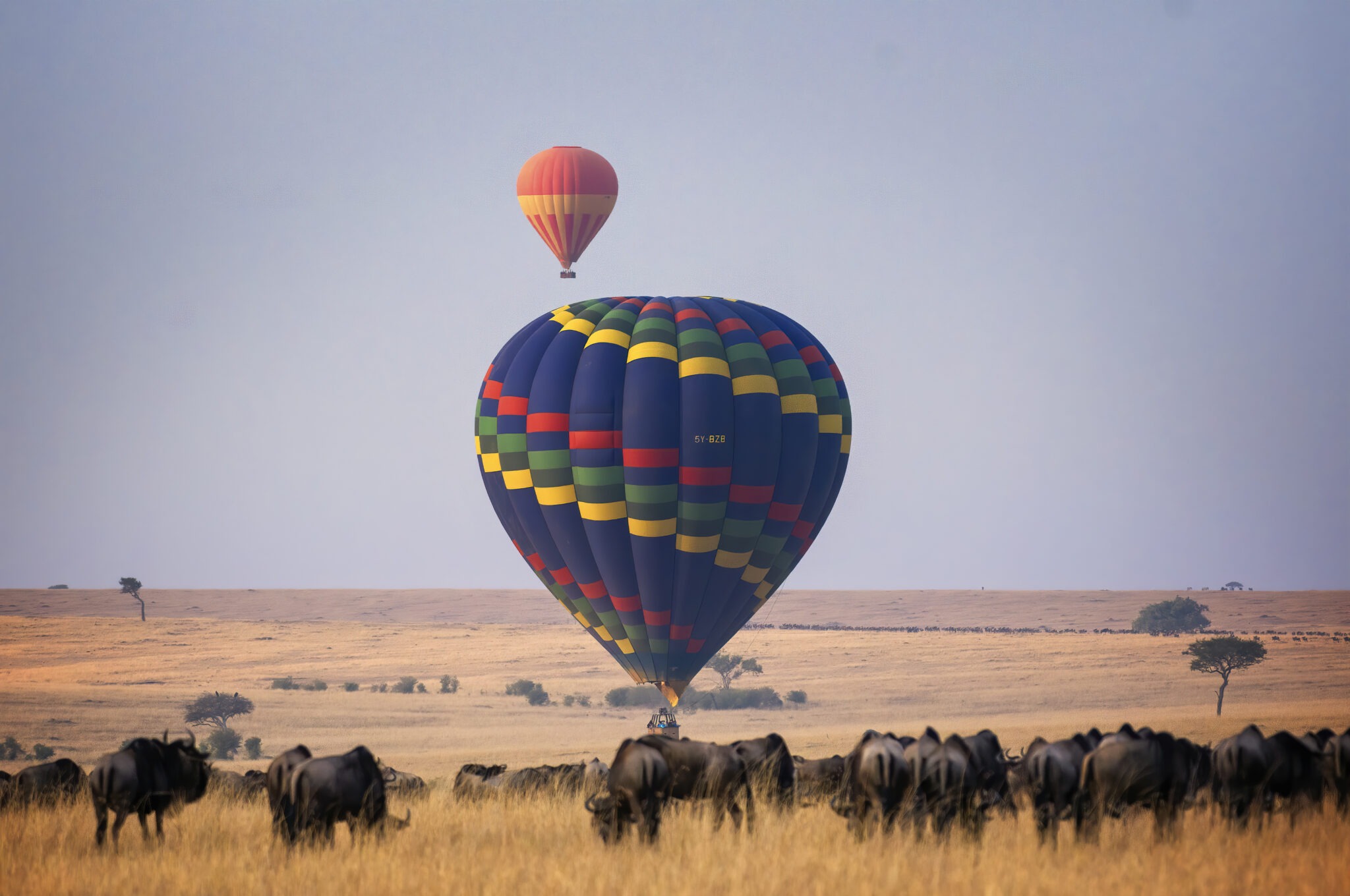
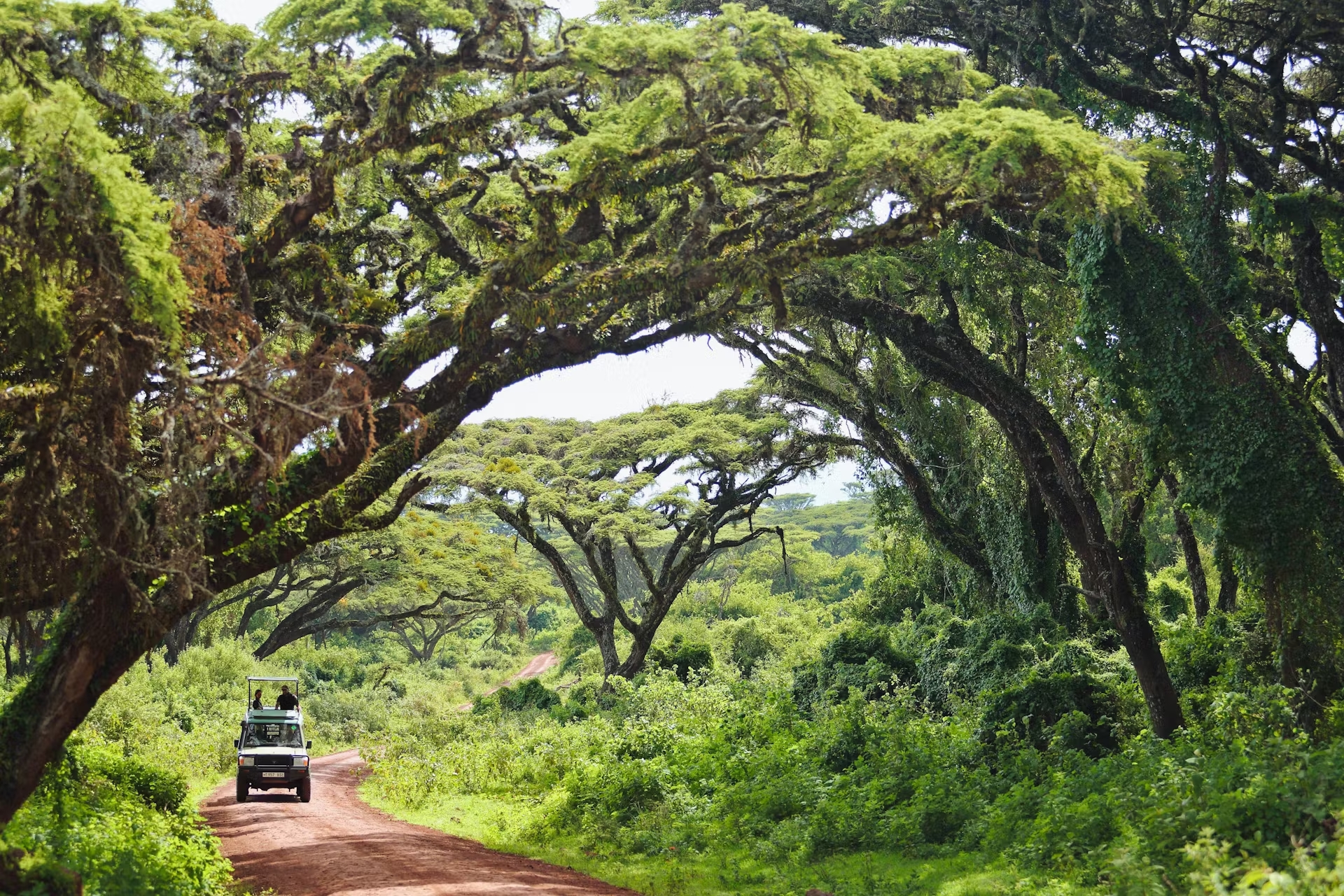
To experience an encounter with the Samburu people, you can book a trip to the Samburu National Reserve, which is also the best place to see the ‘Samburu Special Five. You can also combine Samburu with neighbouring parks like Aberdare National Park, Lake Nakuru and Maasai Mara to experience the ultimate Kenya safari adventure.
Sample Trips

7 DAYS
Kenya Wildlife Safari
Destinations: Ol Pejeta Conservancy, Lake Nakuru, Lake Naivasha and Masai Mara
- Incredible wildlife viewing
- Suitable for all kinds of travelers
9 DAYS
Kenya Safari
Destinations: Laikipia, Samburu and Masai Mara
- Private concessions ensure flexibility & exclusivity
- Explore the Samburu region
