

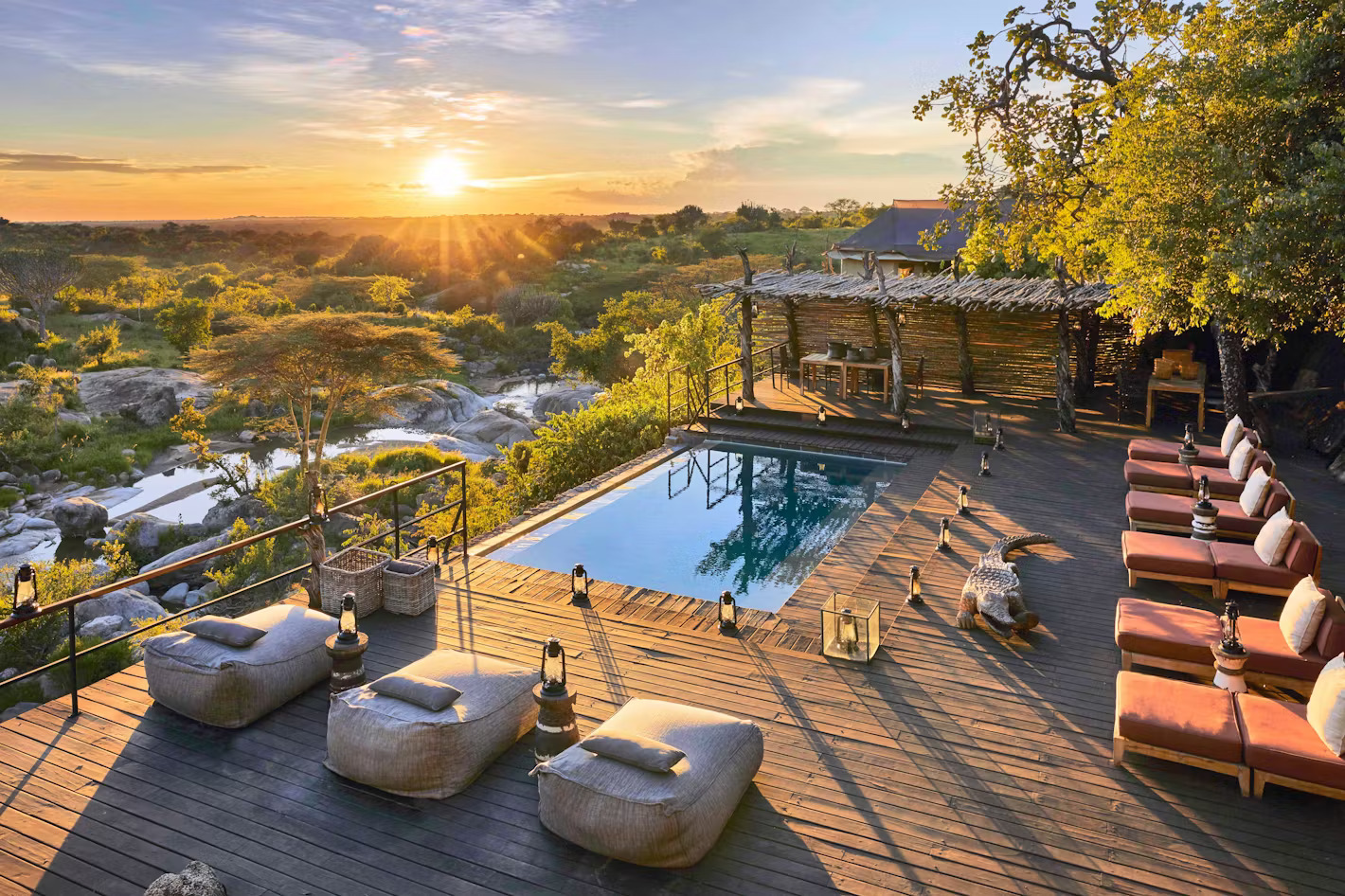
Tarangire National Park
Although Tarangire National Park is often overlooked in the rush for the legendary Serengeti and Ngorongoro, it is Tanzania’s best-kept secret. It is famous for its massive elephant herds, iconic baobab trees, an amazing spectrum of birds, and stunning landscape.
With some of the highest animal densities, and unique migration of animals during the dry season, the park delivers a fantastic year-round safari experience with fewer crowds and less congestion, making it an excellent destination to add to your northern Tanzania itinerary.
Tarangire National Park at a Glance
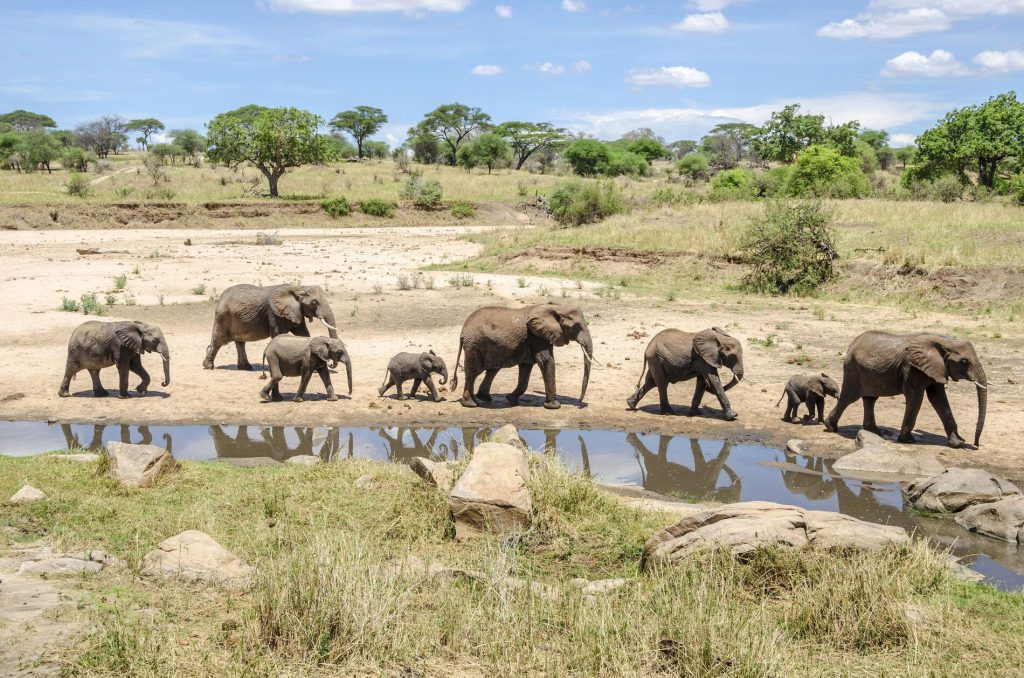
Herd of elephants walking by the water in Tarangire National Park
Location and Size
Tarangire National Park is located in northern Tanzania within the Manyara Region, approximately 120km southwest of Arusha. It spans an area of about 2,850 km² (1,100 sq mi), featuring granitic ridges, river valleys, sun-baked termite hills and swamps.
The park is part of Tanzania’s northern safari circuit, which includes the Serengeti, Ngorongoro, and Lake Manyara.
Because of its significance to wildlife, the protected area connects with surrounding Game Controlled Areas (GCAs), conservancies, and the Tarangire Conservation Area. This ensures sufficient grazing land for the animals, thus supporting the ecosystem. In the Tarangire ecosystem, safaris, wildlife, and people co-exist.
History
Originally a hunting and pastoral ground, the area was first established as a game reserve in 1957, becoming a national park in 1970 to protect the region’s wildlife.” From then on, Tarangire has become a popular safari destination in Tanzania drawing countless visitors from around the world.
The name Tarangire means ‘a river full of warthogs’, so expect to see plenty of them here! It is taken from the Tarangire River, the park’s only source of permanent freshwater, which flows through the northern part of the park.
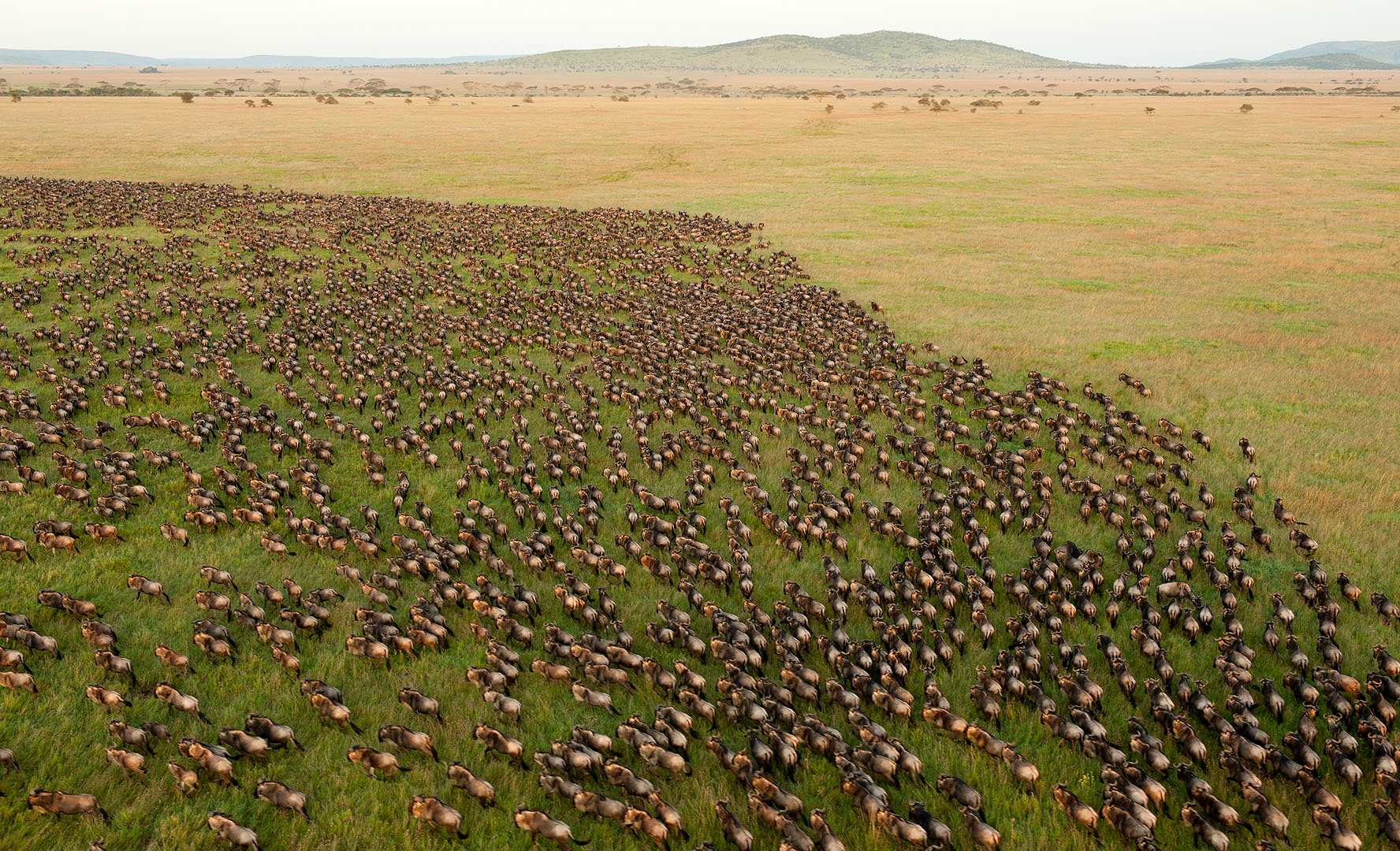
During the dry season, tens of thousands of animals are drawn to its banks and floodplains from miles away, making it a key staging ground for the annual Great Migration.
Vegetation
Tarangire‘s vegetation is defined by a mix of acacia woodland, combretum woodland, sparse whistling thorn woodland, seasonally flooded grassland, and baobab trees that impose themselves upon the backdrop.
Other trees include sausage trees, fan palms and candelabra trees (euphorbias), among others, all of which contribute to a diverse ecosystem and thus provide fantastic conditions for wildlife to thrive.
Swamps and Wetlands
Tarangire’s vast swamps and wetlands, such as the Silale Swamp located in the park’s southeast region, soak up rain like sponges in the wet season and release it during the dry season, thus maintaining a vibrant green landscape throughout the year. Not only does it act as a great water source, but also the lifeblood for wildlife in the park.
The swamps’ dense emerald-green vegetation cover provides a stark visual contrast to the surrounding golden savannah during the dry season.
The giant baobab tree
Tarangire National Park is famous for its giant baobab trees, also known as the Tree of Life. They are made up of massive trunks that can reach 11 meters in diameter and 30 meters in height, making them some of the largest on the African continent. Some date back over 1,000 years, ranking them among the oldest in the world.
The Poacher’s Hide
The Poachers’ Hide is an old, hollowed-out baobab tree located a couple of hundred meters west of the main north-south path and hundreds of meters southwest of Tarangire Hill. The tree has a slightly concealed entrance at the bottom of the trunk that opens into an internal cavern which poachers once used as a hideout.
Best time to visit Tarangire National Park
While Tarangire National Park can be visited any time of year, the best time to visit is during the dry season between June and October, when wildlife viewing is excellent. During this period, vegetation is scarce, and vast wildlife, including massive elephant herds, congregates around the Tarangire River, the only permanent source of drinking water, making the animals easier to spot.
The low season in March, April, and May coincides with the rainy season. It is the best time for birdwatching, as the birdlife is prolific due to the influx of migratory birds, and resident species are in breeding plumage. Migratory birds are usually present from November to April.
How to get to Tarangire National Park
Tarangire National Park is highly accessible, just a few hours from the city of Arusha and Kilimanjaro International Airport, making it a convenient stop for travelers venturing into the northern safari circuit. You can equally combine it with the Serengeti and the Ngorongoro Conservation Area for a comprehensive northern Tanzania safari.
Where to stay in Tarangire National Park
There are several accommodation options ranging from exclusive luxury resorts to more budget-friendly camps inside the park and in the concessions on the park’s fringes. Here are our top picks.
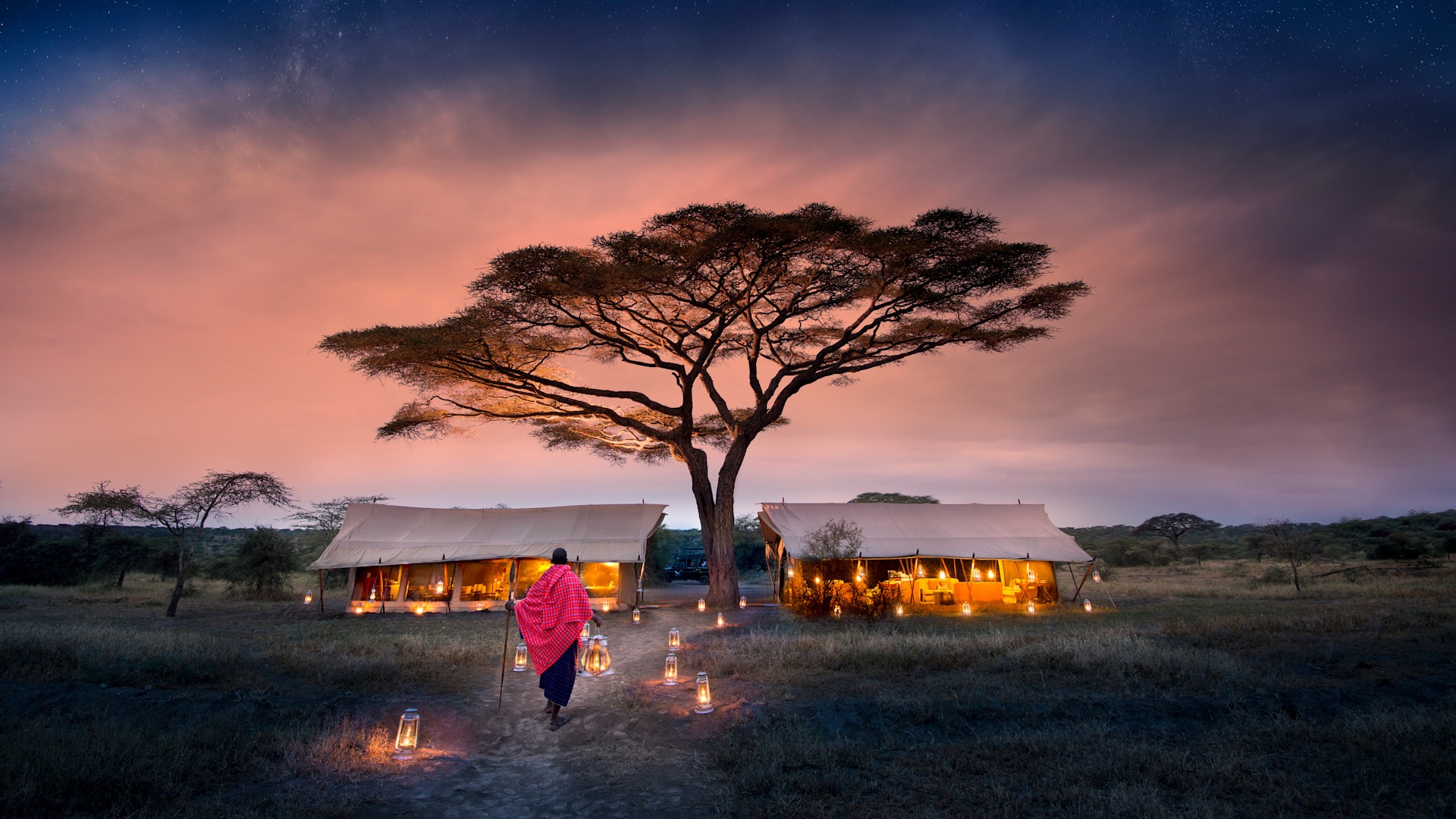
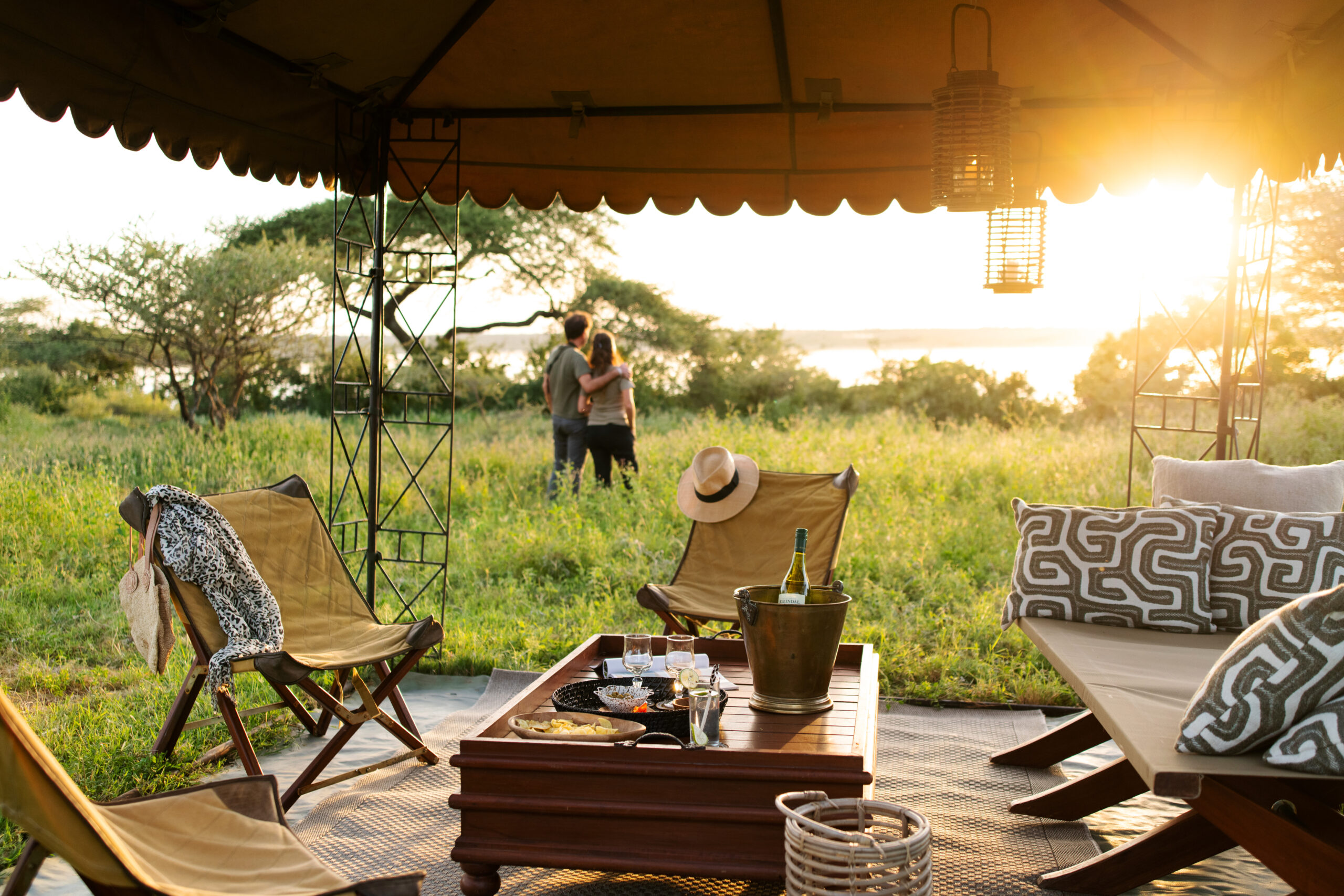
- Sanctuary Swala: This comfortable and stylish luxury safari retreat features 12 elegantly furnished canvas pavilions, each with a private deck. It is tucked away in the very south of Tarangire amongst mature acacia tortilis trees overlooking an active watering hole.
- Tarangire Treetops features 20 luxury chalets which are high in the branches of ancient baobab and marula trees, offering spectacular views of Lake Manyara and Mount Kilimanjaro. Bordering the Masai Steppe to the southeast, guests can expect unique dining experiences, such as lantern-lit dinners.
- Oliver’s Camp is a high-end option and one of the best bases to enjoy exclusive and intimate safari experiences right in the remote southern reaches of Tarangire near the wildlife-rich Silale Swamps.
Trips to inspire
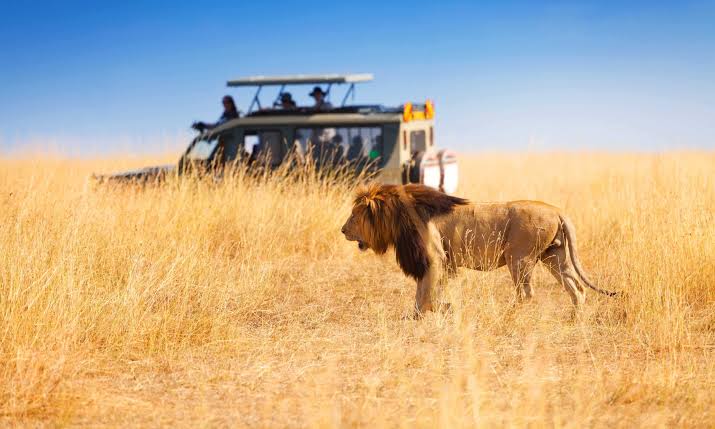
5 DAYS
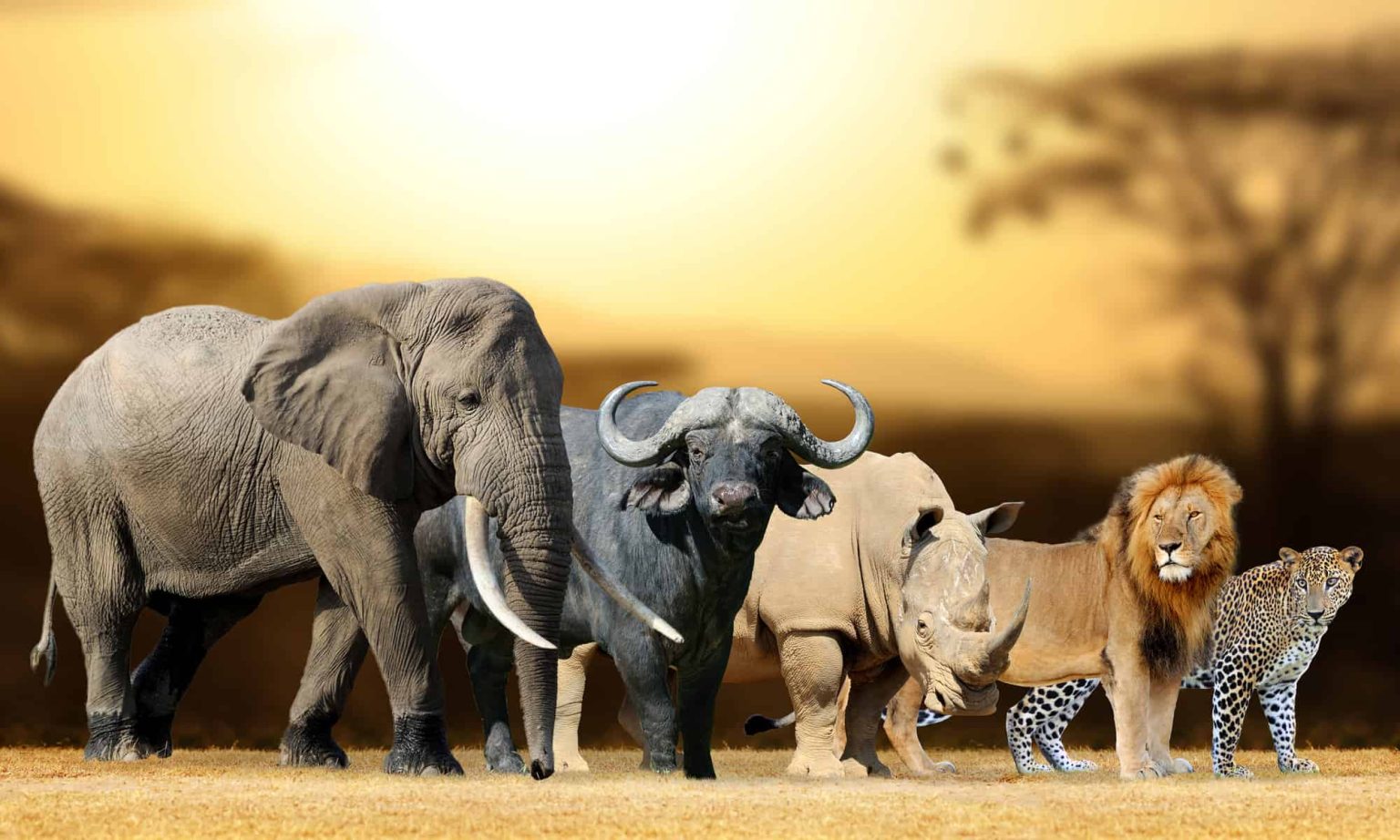
Tanzania Big Five Safari
Destinations: Tarangire, Serengeti and Ngorongoro Crater
- Excellent wildlife viewing & can be paired with Zanzibar beaches
- Can be customized to your preferences
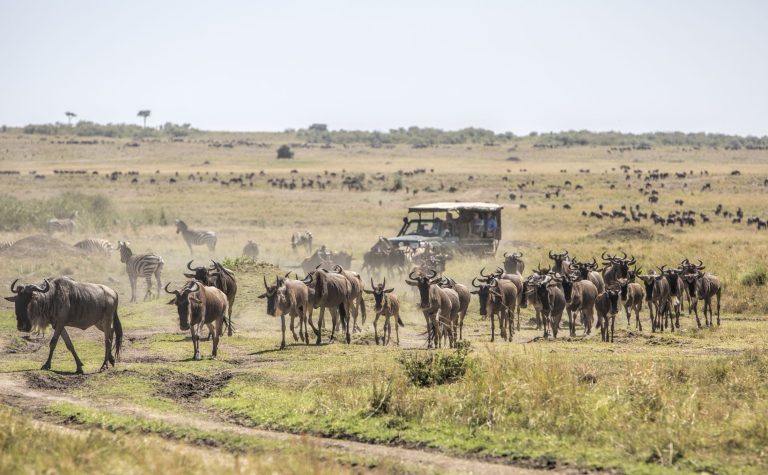
11 DAYS
Tanzania Migration and Zanzibar Safari
Destinations: Tanzania
- Excellent wildlife viewing including the Big Five and wildebeest migration
- Barefoot beach luxury
