
Uganda safari cost – How much does a safari in Uganda cost?
This guide gives you an idea about the cost of a safari in Uganda.
known as the Pearl of Africa, Uganda is one of the best places to add to your itinerary. This is largely due to its lush vegetation, dramatic landscapes, wonderful wildlife, and extraordinary natural beauty.
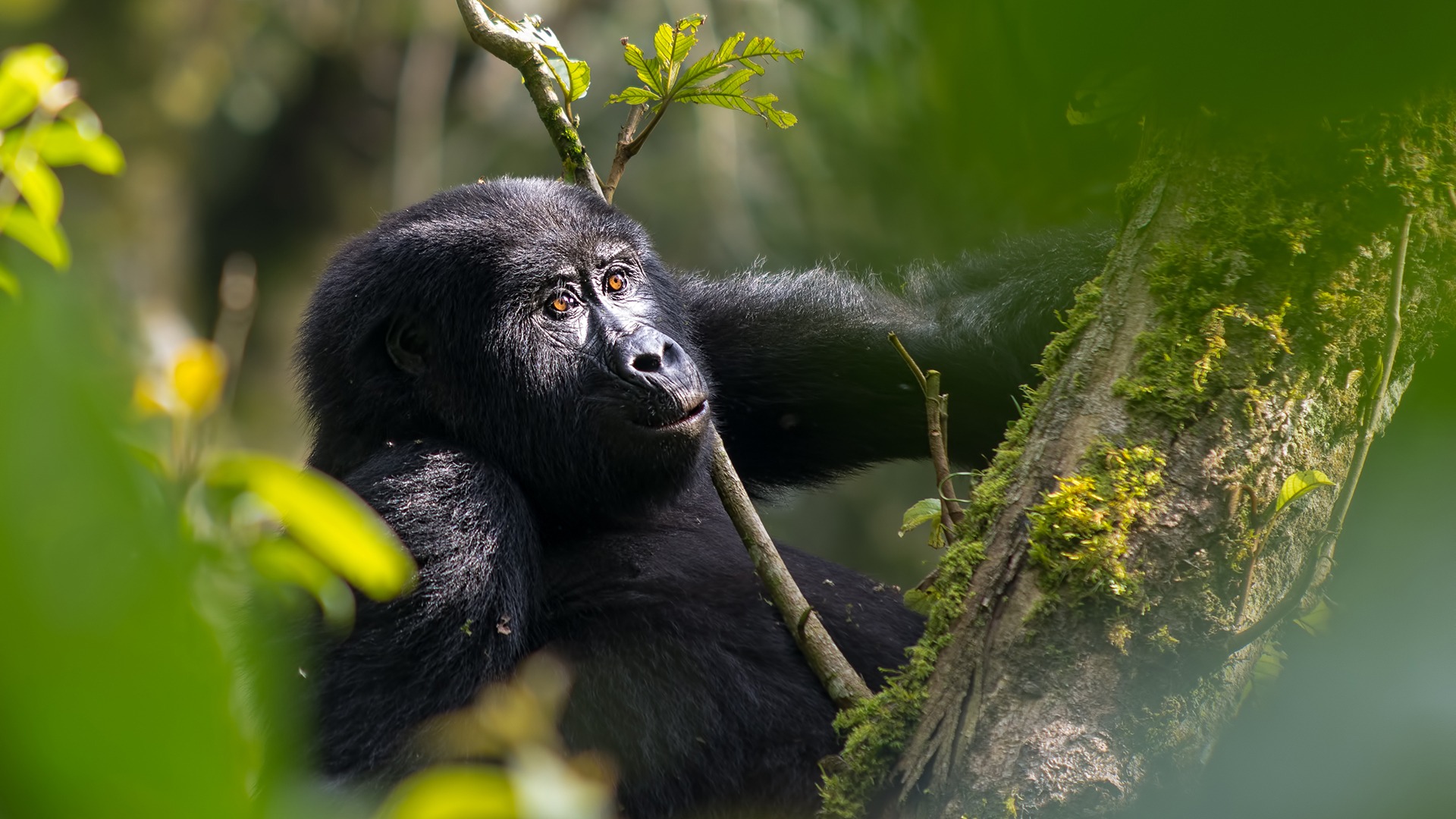
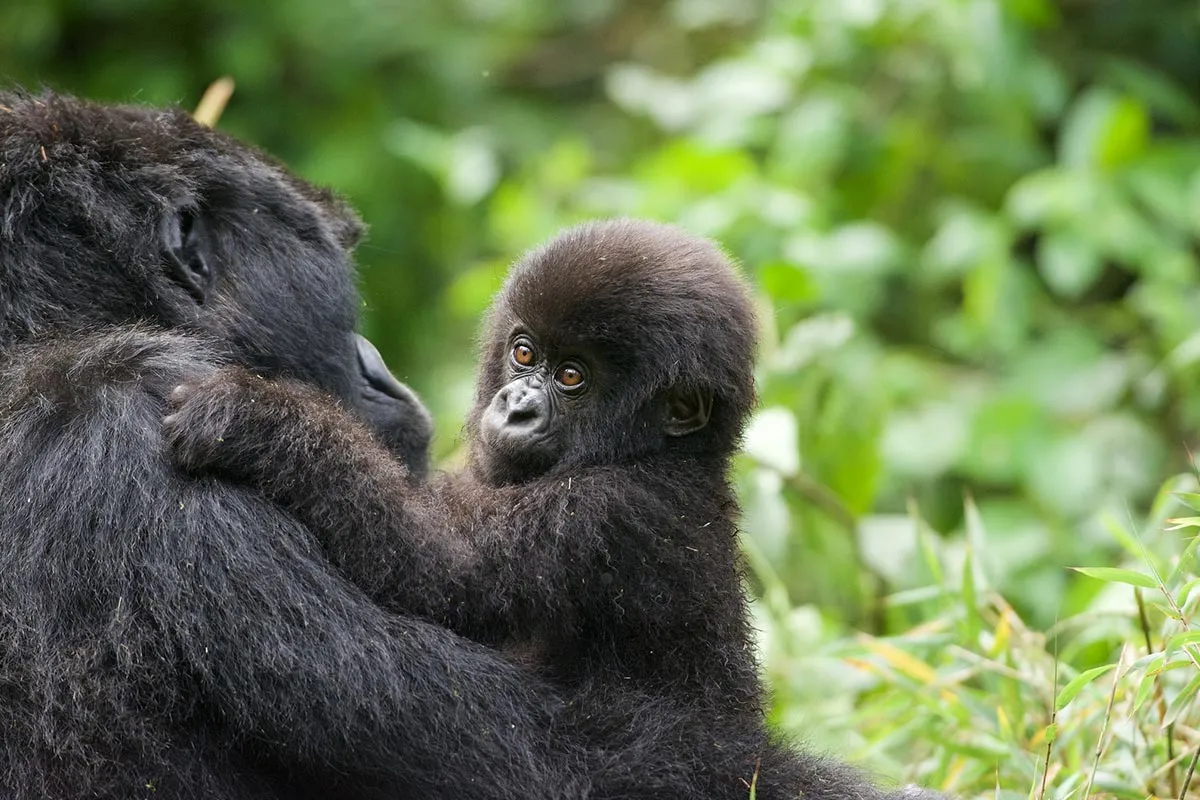
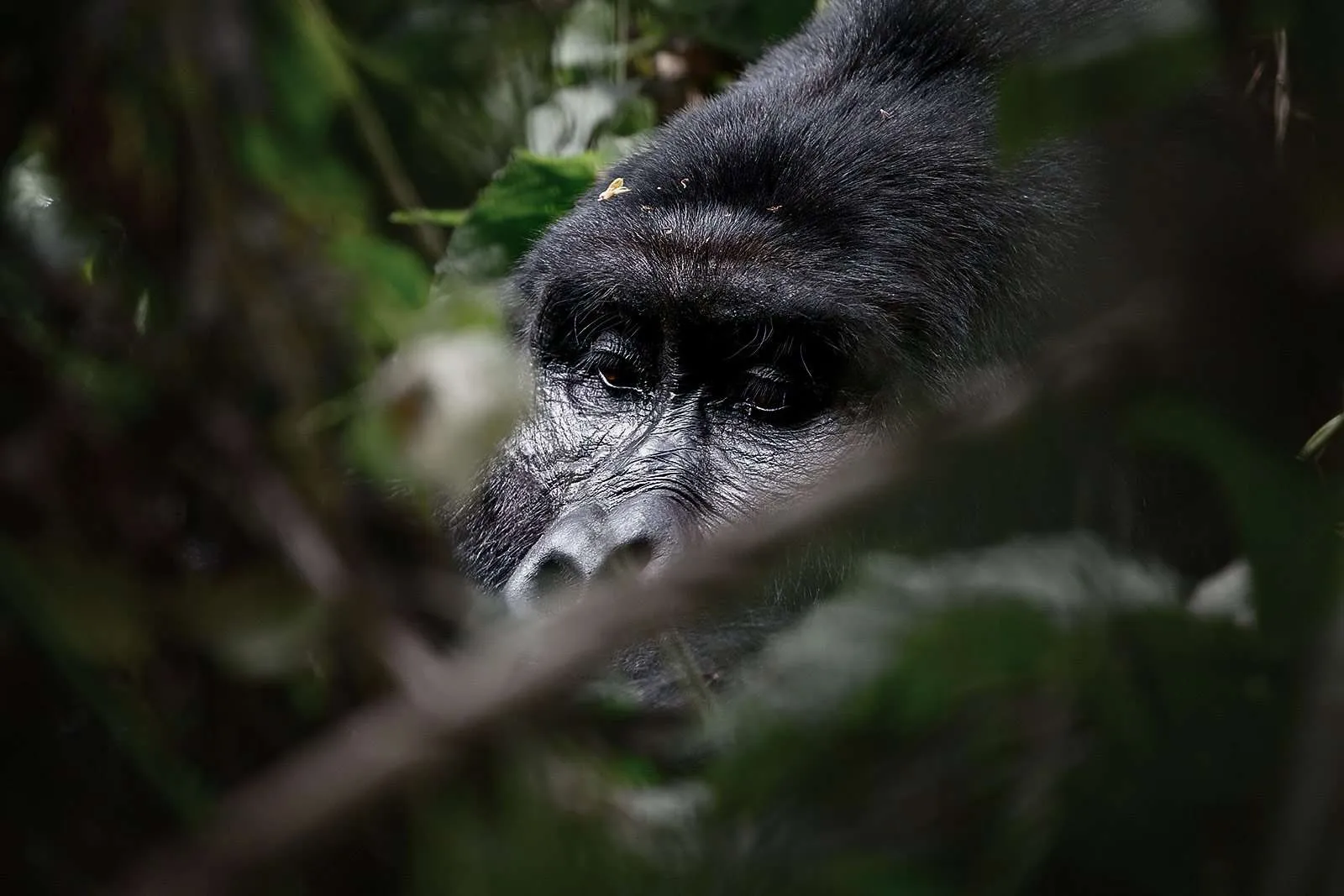
A safari in Uganda offers a rare opportunity to observe mountain gorillas in their natural habitat, an experience for which the country is famous. The best time to visit is from June to August and December to February, a good thing to keep in mind when planning. Apart from mountain gorillas, Uganda is also excellent for viewing other primates and diverse wildlife.
The cost of a Uganda safari is anywhere between USD 200 and USD 1,500 per person per day depending on your style of travel, whether budget, mid-range or luxury.
Average Cost of a Safari in Uganda
- Budget safari costs USD 300 per person per day
- Mid-range USD 425 per person per day
- Luxury costs USD 750 per person per day
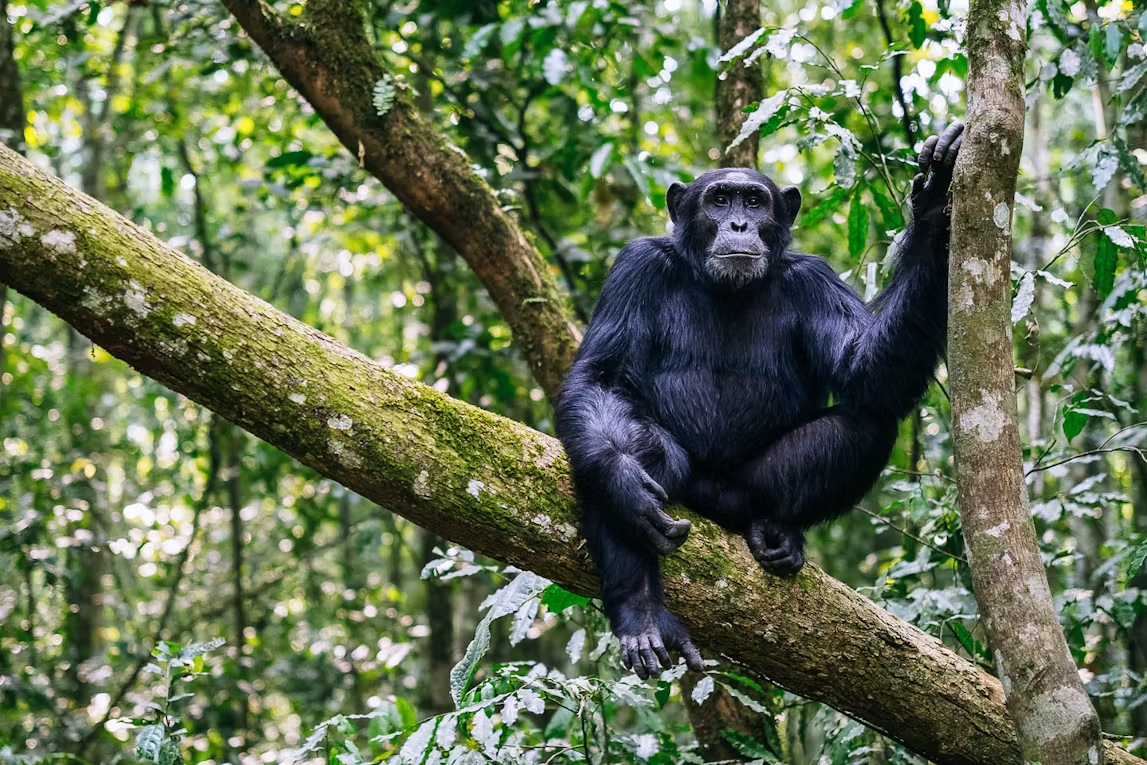
A Uganda gorilla permit costs USD 800 per person per day, the gorilla habituation experience permit costs USD 1500 per person per day and a chimpanzee permit costs USD 250 per person per day, making it one of the most affordable safari destinations although overlooked.
While it may not be logical to generalize the cost of a Uganda safari, different factors come into play in determining how much a safari in Uganda costs. These are what will determine your final budget. Below are some of the factors that determine the final cost of a safari in Uganda.
Factors that Determine the Cost of a Uganda Safari
- Time or season
- Accommodation
- Duration or number of days
- Number of travelers
- Activities
- Transport
- Food and drinks
- Extensions
1. Time or season
The time or season in which you plan to visit will determine the overall cost of a safari in Uganda. There are two seasons in Uganda: the dry season (also the peak season), from December to February and June to September, and the wet season (low season), from March to May and October to November.
During the dry season, expect a higher cost of safari in Uganda than in the wet season. This is because of the high influx of travelers into the country, forcing prices to go up as demand for things like safari lodges, gorilla permits, and other service providers increase.
However, during the wet season, travelers can take advantage of low prices and discounts offered, making it ideal for low-cost safaris.
2. Accommodation
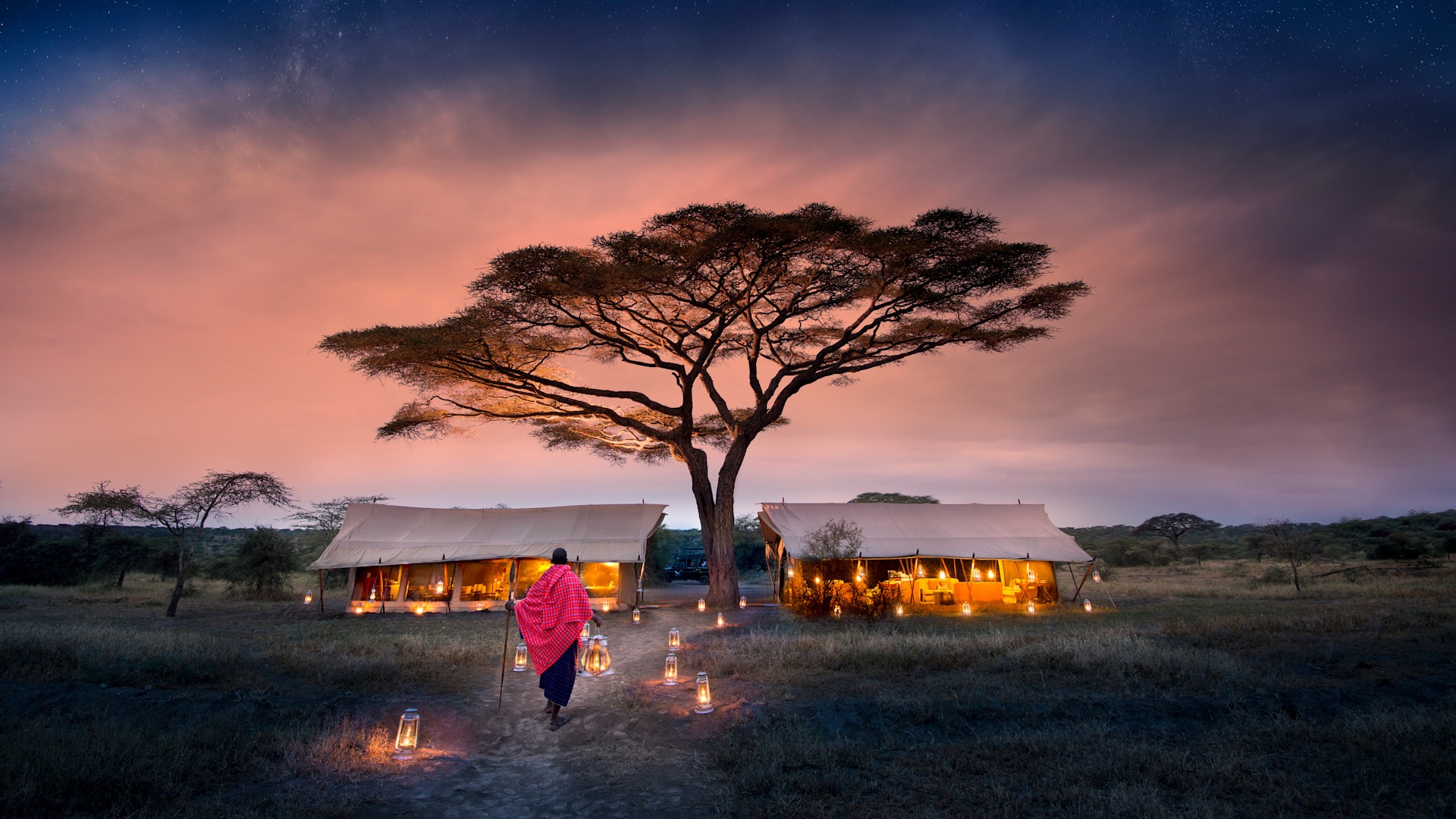
The choice of accommodation determines the overall cost of a Uganda safari. Luxury accommodation features all the modern conveniences including spacious and comfortable rooms, spa treatments, luxurious amenities and impeccable service, making it more expensive than staying in a mid-range or budget facility.
While luxury accommodation costs more than midrange or budget, Uganda generally offers more modest, slightly more affordable luxury than Rwanda, Kenya and Tanzania with excellent comfort. Accommodation facilities within national parks are pricier than those outside. You should take all these factors into account when planning an unforgettable Uganda safari.
3. Trip Duration/number of days
Short trips of 1 to 5 days usually cost much lower than long trips of 8 or more days, meaning you will spend less on transport, accommodation, and other services, although you may not have the opportunity to explore all that Uganda has to offer.
4. Number of travelers
Group travel is one of the best ways for a low-cost safari. This is because members will share the costs of transportation, lodging, and other services, which a solo traveler may not. Solo travelers usually incur higher costs for all these services than they would with a partner.
5. Activities
Your choice of activities in the safari itinerary will determine the overall cost of your safari trip. Activities like gorilla trekking involve expensive permits unlike game drives, boat cruises or cultural safaris.
Gorilla trekking permits cost USD 800 for foreign non-residents, USD 700 for foreign residents, and UGX 300,000 for East African citizens. Gorilla habituation experience costs USD 1500 per person.
Gorilla permits usually cover park entrance fees, ranger fees, and trekking certificate. When you purchase these permits, you indirectly contribute towards the conservation of these endangered species.
6. Transport
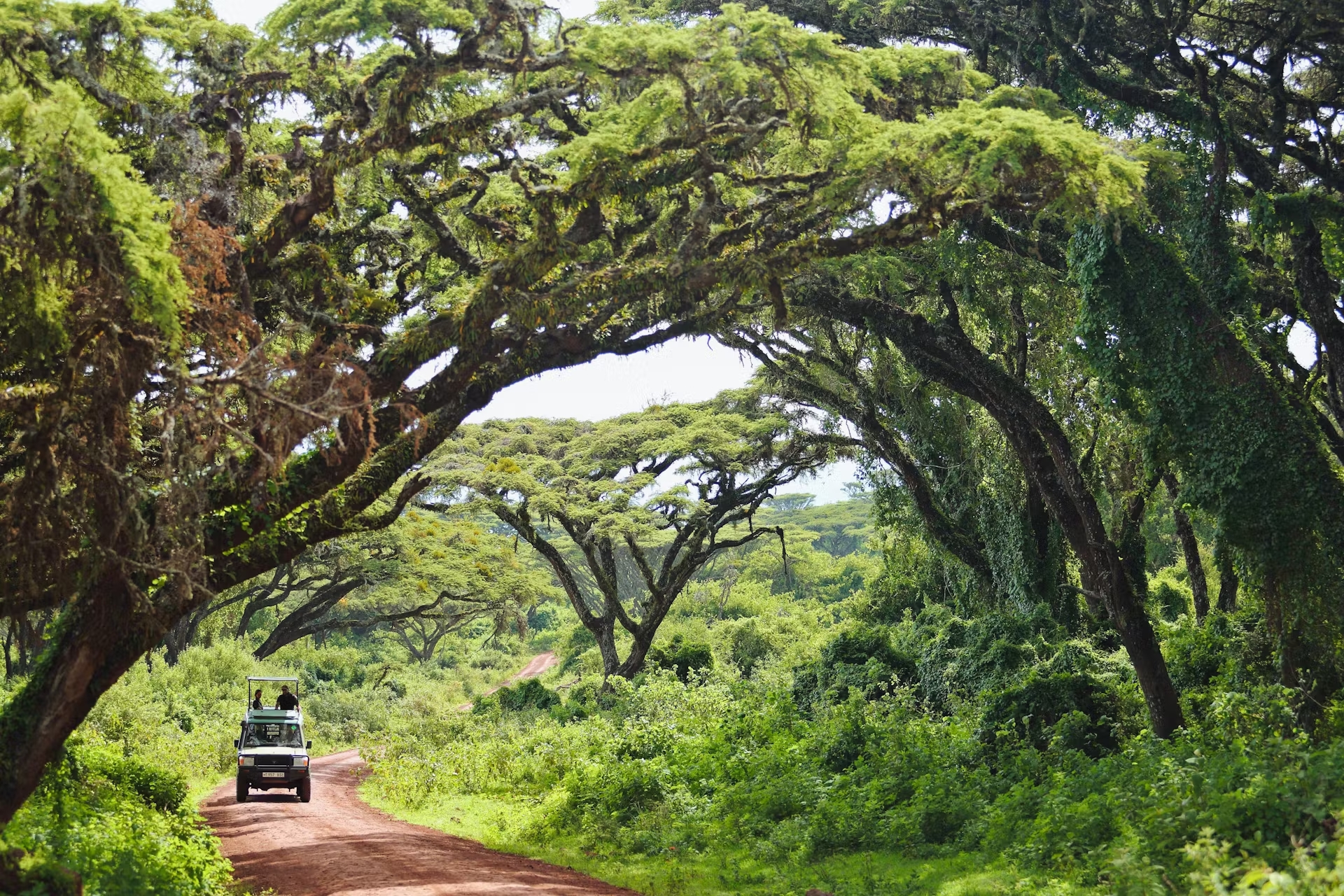
Visitors can access these wildlife areas by either road or air. Road travel is a common means of transportation on safaris with the use of a 4×4 safari truck or van. Charter flights can also be used with either Aerolink or Bar Aviation, which are usually arranged by tour operators.
Air transport is quicker but more expensive than road transport. Traveling by road, however, is an interesting way to experience the countryside, an opportunity you won’t have while in an aircraft.
7. Food and drinks
While travel companies usually include meals in your safari package, those traveling on a self-drive or using public transport can find decent meals from USD 15 to USD 20 at restaurants along designated tourism hubs including the Igongo Cultural Centre and the Equator Crossing in Kayabwe.
8. Extensions
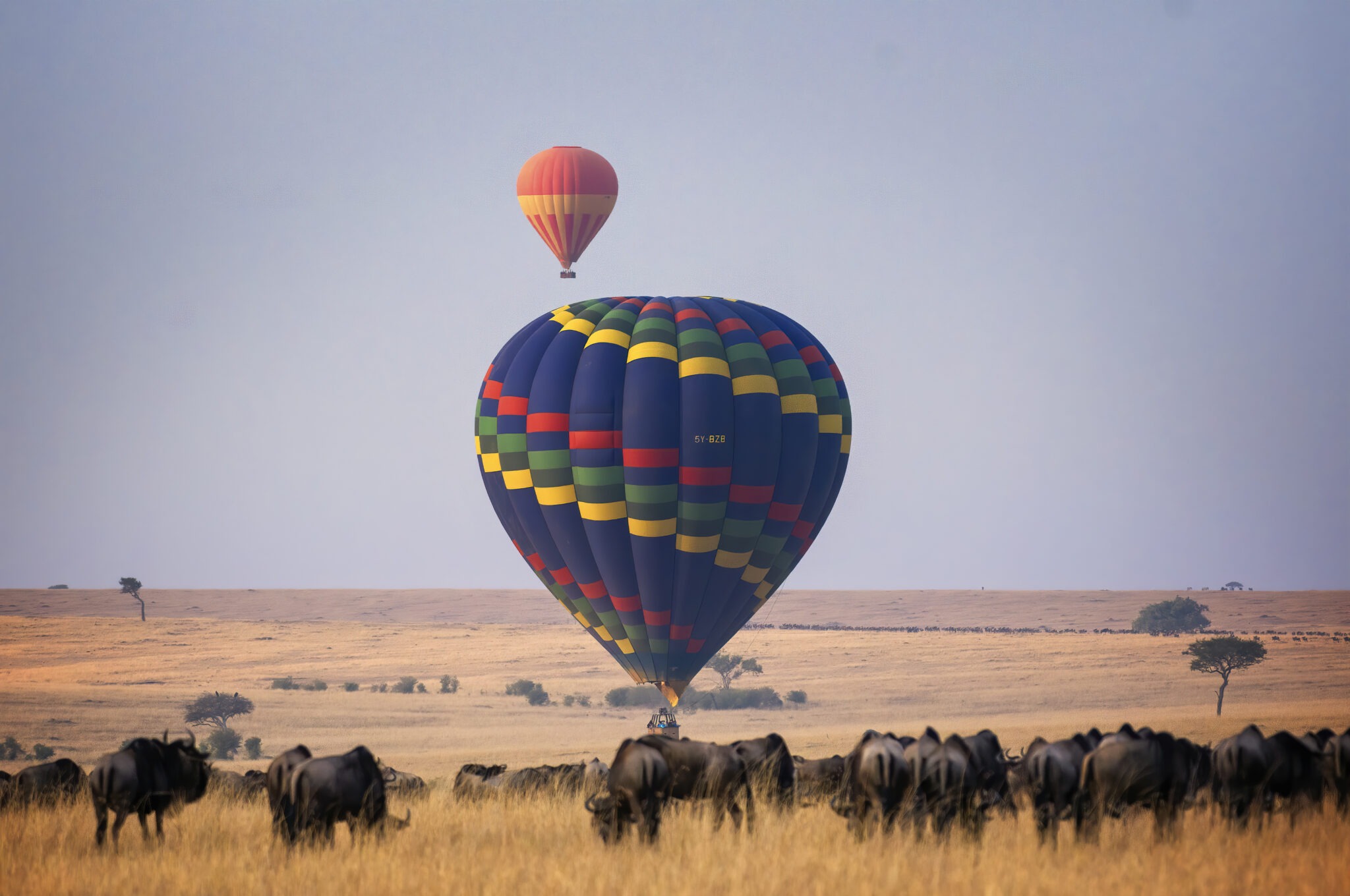
Many travelers usually combine a Uganda safari with a short safari in Rwanda or Kenya. This will add quite considerably to the overall cost.