

Wildebeest Migration Serengeti
Great Wildebeest Migration Serengeti
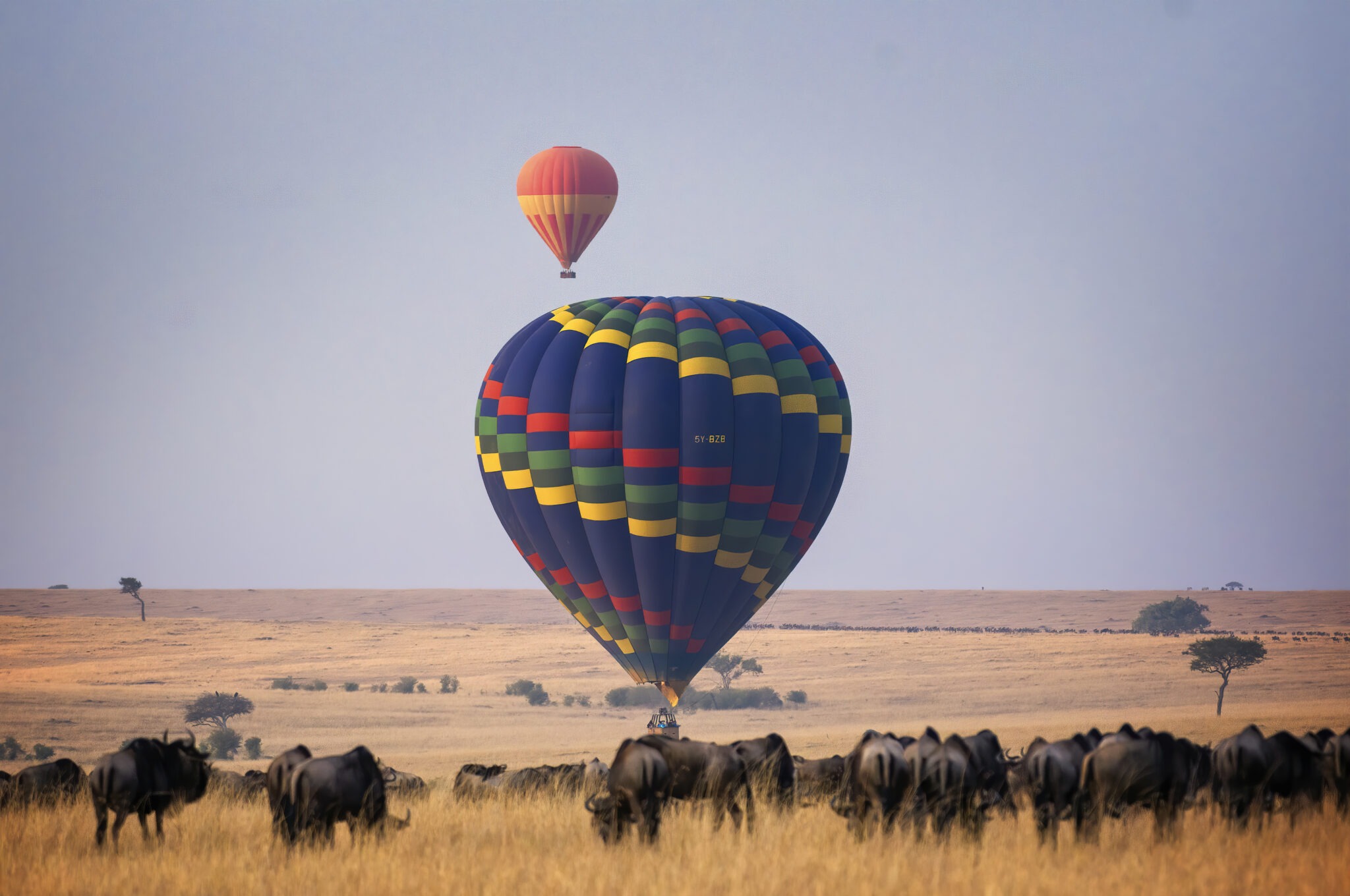
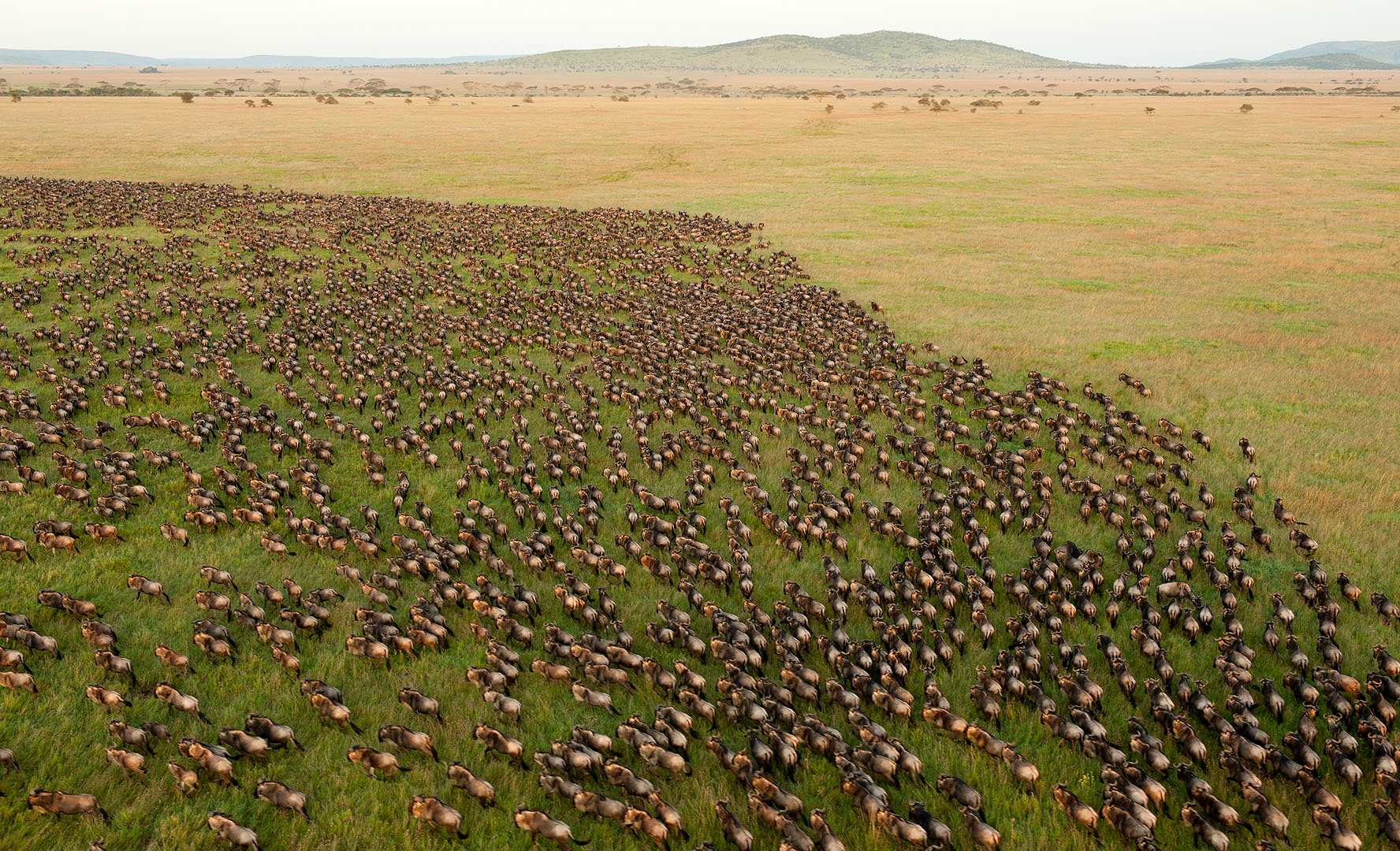
The great Serengeti wildebeest migration is one of the most epic wildlife spectacles. Each year, roughly two million wildebeest accompanied by hundreds of thousands of zebras and gazelles journey across the Serengeti-Mara ecosystem in search of fresh grazing and water.
While the wildebeest migration happens throughout the year, the spring is when the 500-mile mass movement of the herbivores occurs—from Tanzania’s southern Serengeti to Kenya’s Masai Mara to the north.
The herds move in a clockwise direction following the seasonal rains. The journey for the key players in the Great Migration starts in the south of the Serengeti, after the birth of half a million calves between January and March.
Ahead of them lies danger: predators, drought, and steep riverbanks ensure that no two crossings of the Serengeti are ever the same. Predators like lions and hyenas are constantly on the lookout for victims, and crocodiles take their share of the stragglers.
Why do wildebeest migrate?
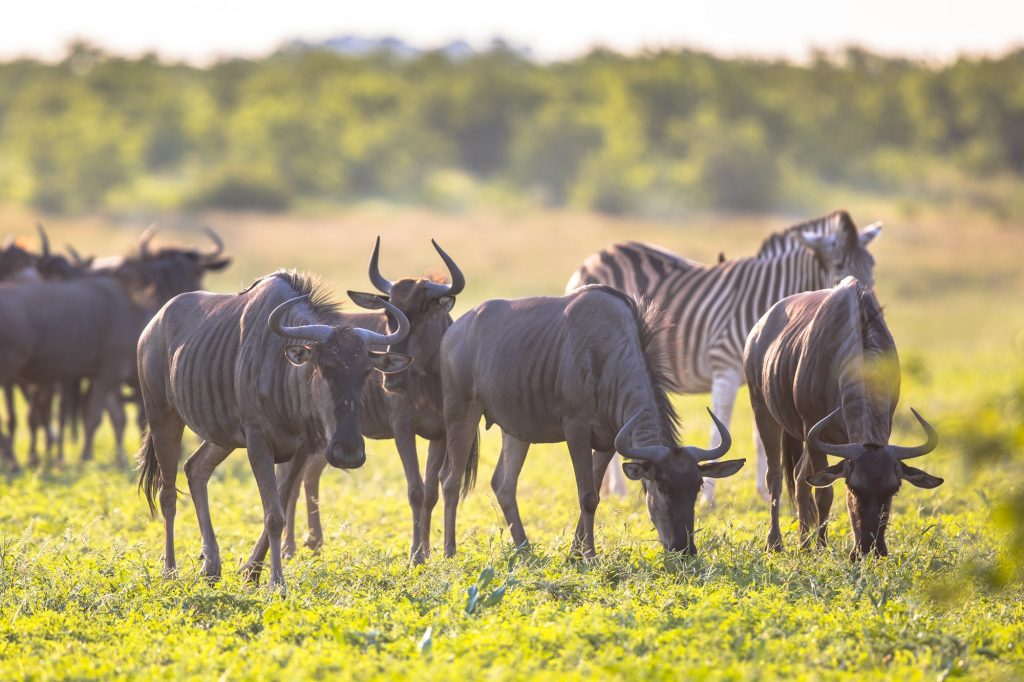
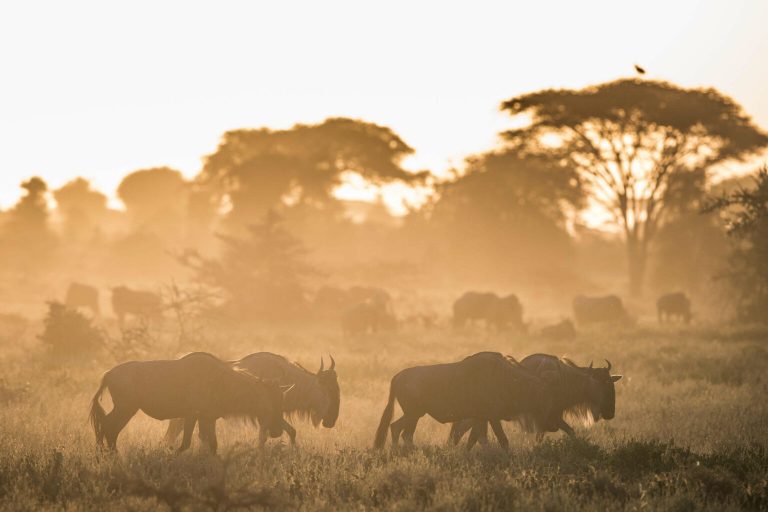
Wildebeest and zebra in Serengeti
The wildebeest migrate primarily for survival. Their constant, instinct-driven search for fresh pastures and water is often dictated by the stark dry and wet seasons in the Serengeti. As the rains arrive, the herds effectively follow as they know that where there’s rain, there’s fresh and nutritious grass, thanks to their ability to detect rain more than 50 kms away.
How the Serengeti Great Migration Unfolds
Between January and April, it’s the calving season and wildebeest gather in the southern Serengeti and Ngorongoro Conservation Area (Ndutu region) to give birth. The herds then move northward into Kenya’s Masai Mara before looping back to the east and into southern Serengeti in the later part of the year from November to December to begin the cycle again.
The wildebeest migration is not without risk: the dramatic river crossings in the Mara and Grumeti Rivers mean facing about 3,000 crocodiles, patiently waiting for a kill in the treacherous waters, making the event one of the most thrilling wildlife spectacles.
While the Great Wildebeest Migration is a continuous, year-round movement, its rhythm is dictated entirely by seasonal rainfall patterns, which are difficult to predict as no one knows when the herds will start moving. The seasons can be early or late, throwing the entire wildebeest calendar out of sync. The Serengeti great wildebeest migration cycle breaks up into the following periods.
Serengeti great wildebeest migration cycle
January-March
Wildebeest gather in the calving grounds in the area southeast of Seronera: typical Serengeti plains (Southern Serengeti) stretching all the way to the Ngorongoro Conservation Area (Ndutu region). Short rains in November and December trigger their move and they stick around until the end of the long rains at the end of April or early May. February is usually the most intense calving window and the best time to visit with nearly 500,000 wildebeest calves born, approximately 8,000 born daily.
April-May
The migration is in Central and Western Serengeti. The herds begin moving north and west as early as March or April entering the Western Corridor for the first major obstacle: the Grumeti River crossing. Although seeing the actual migration in this period is more difficult, chances are that you will encounter very large herds on the move. They congregate on the southern bank, staying for up to two weeks before crossing the river.
June-July
After crossing the Grumeti River, the herds continue northward, facing the next big hurdle, the challenging Mara River crossings in Northern Serengeti as they approach Masai Mara.
August – October
The wildebeest herds arrive and graze in the bountiful plains of Masai Mara, Kenya. The period from mid-August to September is the peak viewing time for the high-intensity Mara River crossings as about half of the herds stay on the Tanzanian side in the Northern Serengeti/Kogatende area. Expect high visitor numbers but also staying at one of the Serengeti Mara camps makes for a fantastic treat.
November – December
Driven by the short rains, the herds return from the dry north to the short-grass plains and calving ground in the southern Serengeti and Ndutu region in late November. They must cross the river one more time before commencing the southward trek. And from here, the Great wildebeest Migration cycle starts all over again.
Best time for the Serengeti great wildebeest migration
The best time to see the wildebeest migration in Serengeti is typically between late July and early September for the dramatic Mara River crossings, and from late December to mid-March for the calving season in the southern Serengeti, when thousands of young wildebeest are born in just a few weeks.
We recommend booking way in advance, especially for the peak months from July to September.
Sample wildebeest migration safaris