

Lake Kivu, Rwanda
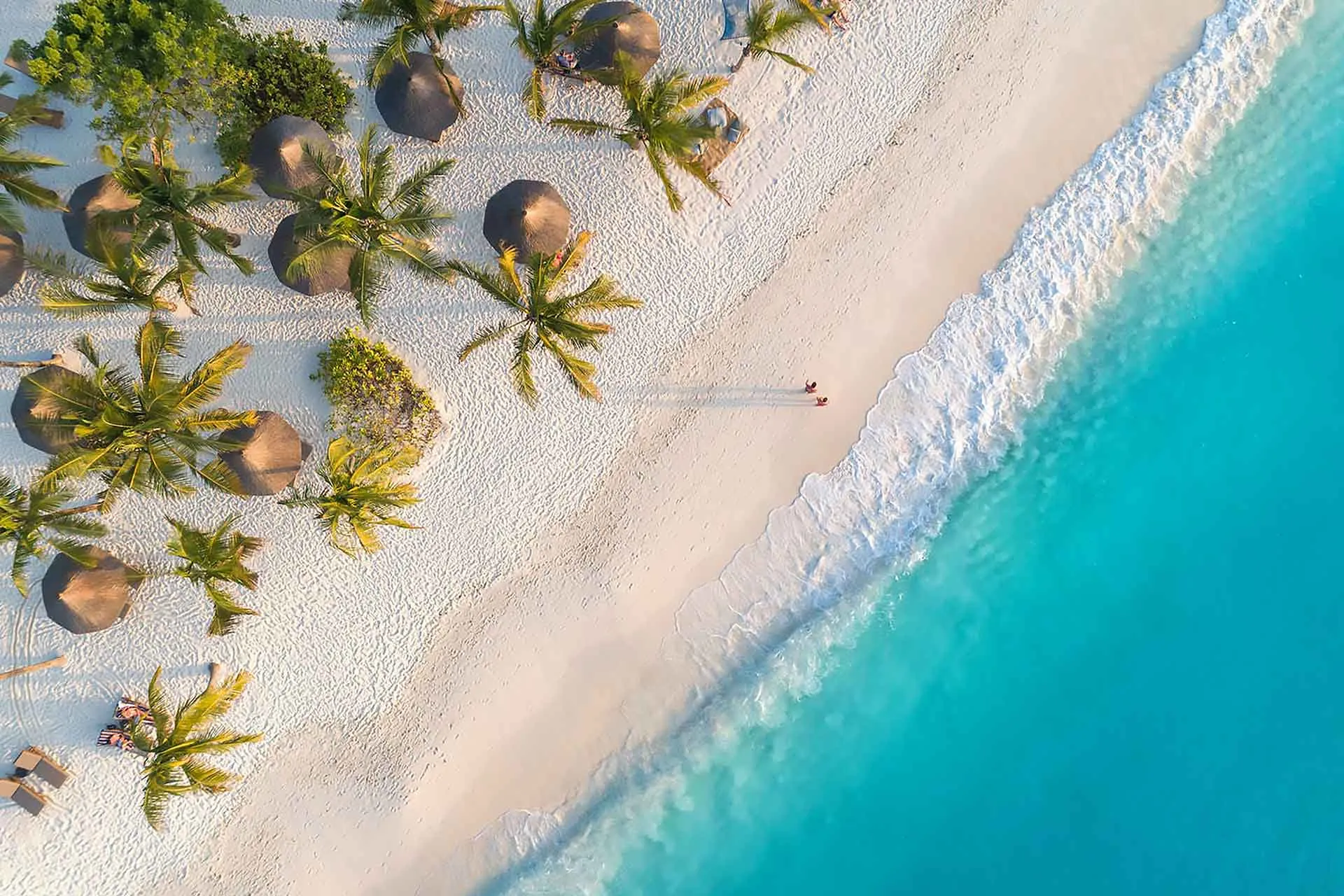
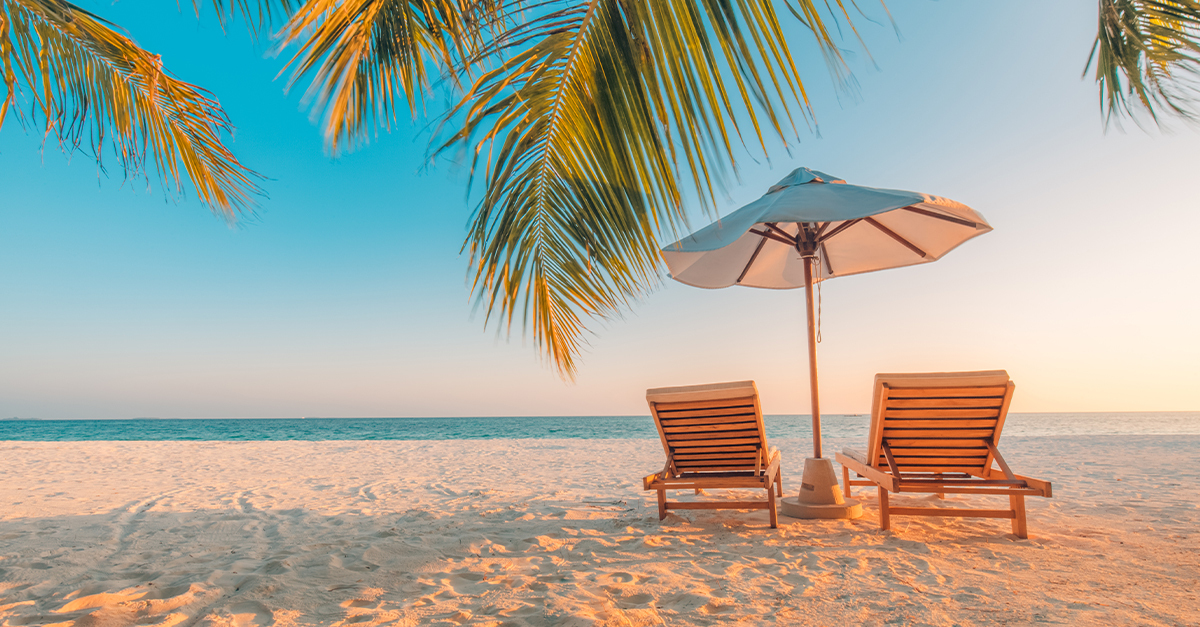
Lake Kivu makes it possible for travelers to enjoy a beach escape in Rwanda. The lake is a great spot for a relaxed shoreside experience before or after a gorilla trekking safari, thanks to its scenic, tranquil shores and lack of dangerous wildlife.
Spend your days swimming, boating, kayaking and unwinding as you soak up the sun or hiking along the Congo-Nile Trail.
About Lake Kivu
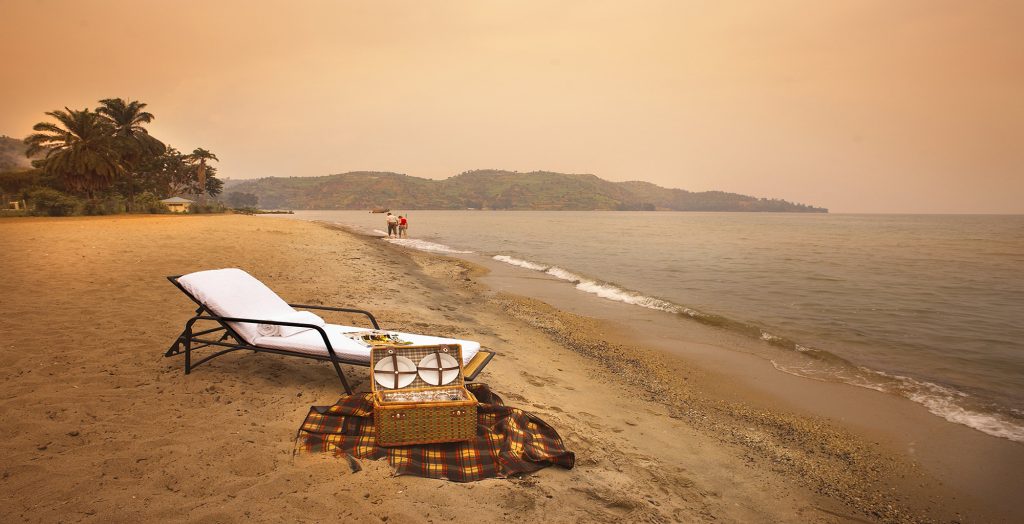
Lake Kivu Serena Hotel Beach
Lake Kivu is located in Rwanda’s western region at the border with the Democratic Republic of the Congo in the Albertine Rift. It empties into the Ruzizi River, which flows southwards and eventually drains into Lake Tanganyika. As one of the African Great Lakes, it is the country’s largest freshwater lake, and a vital local source of fish.
The lake has deep emerald green waters with a maximum depth of 485 meters (approximately 1,591 feet), while its average depth is around 220 to 240 meters (722 to 787 feet), making it the tenth deepest lake in the world and the third deepest of the seven African Great Lakes.
Lake Kivu covers a total surface area of 2,700 square kilometers (1,040 sq mi), making it Rwanda’s largest lake and the eighth largest in Africa. It is approximately 42 km (26 mi) long and 50 km (31 mi) wide and stands at a height of 1,460 meters (4,790 feet), surrounded by magnificent mountains, rolling hills, terraced farmlands, and lush vegetation.
Its peaceful, warm and safe waters conceal a unique set of properties in its bottom layers, including methane (CH₄) and carbon dioxide (CO₂). This is due to the tectonic rifting and volcanic activity of nearby Virunga volcanoes, which shape the spectacular surrounding landscape.
Three national parks encompass Lake Kivu: Volcanoes National Park and Nyungwe Forest National Park in Rwanda and Virunga National Park in the Democratic Republic of Congo.
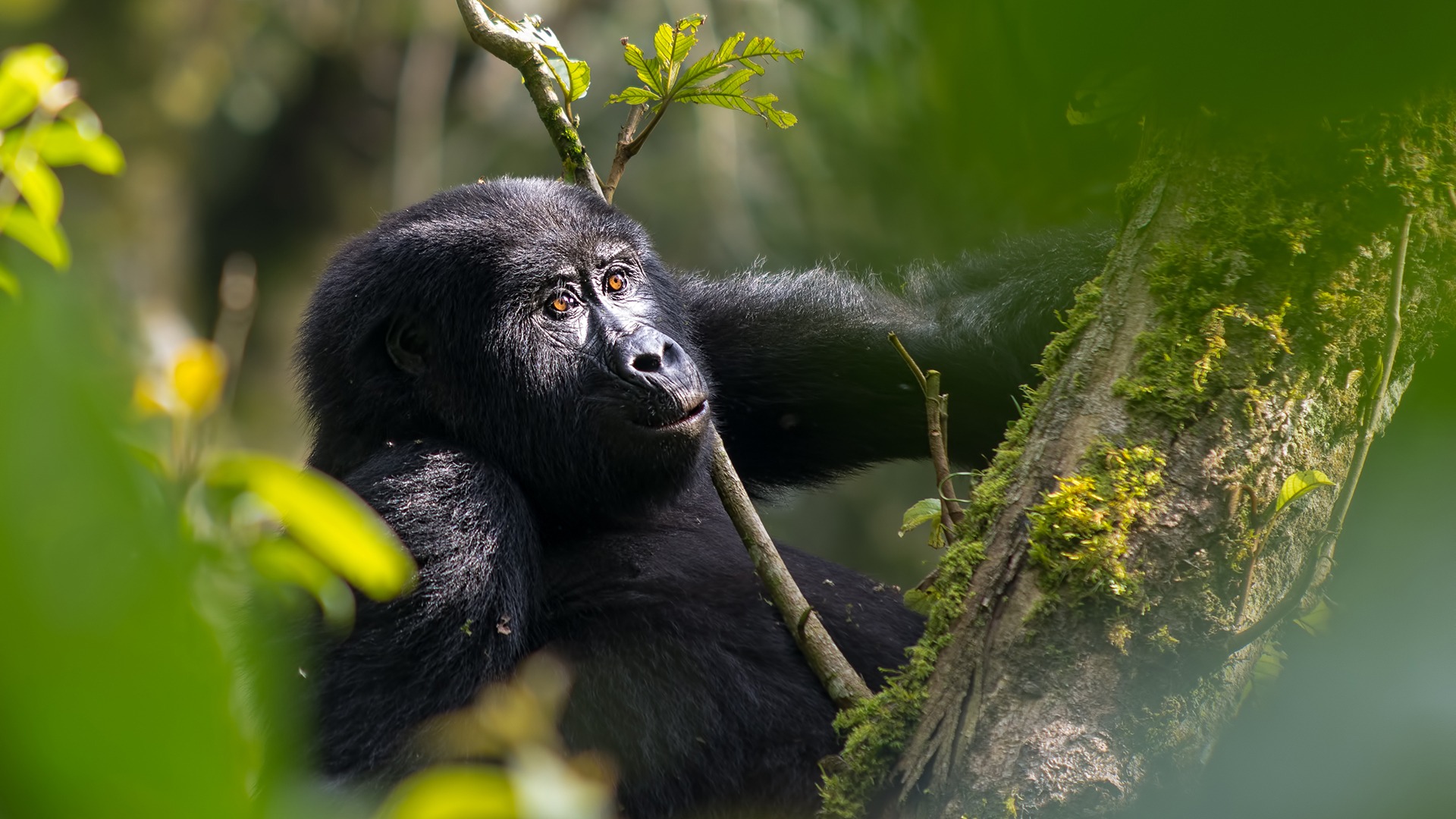
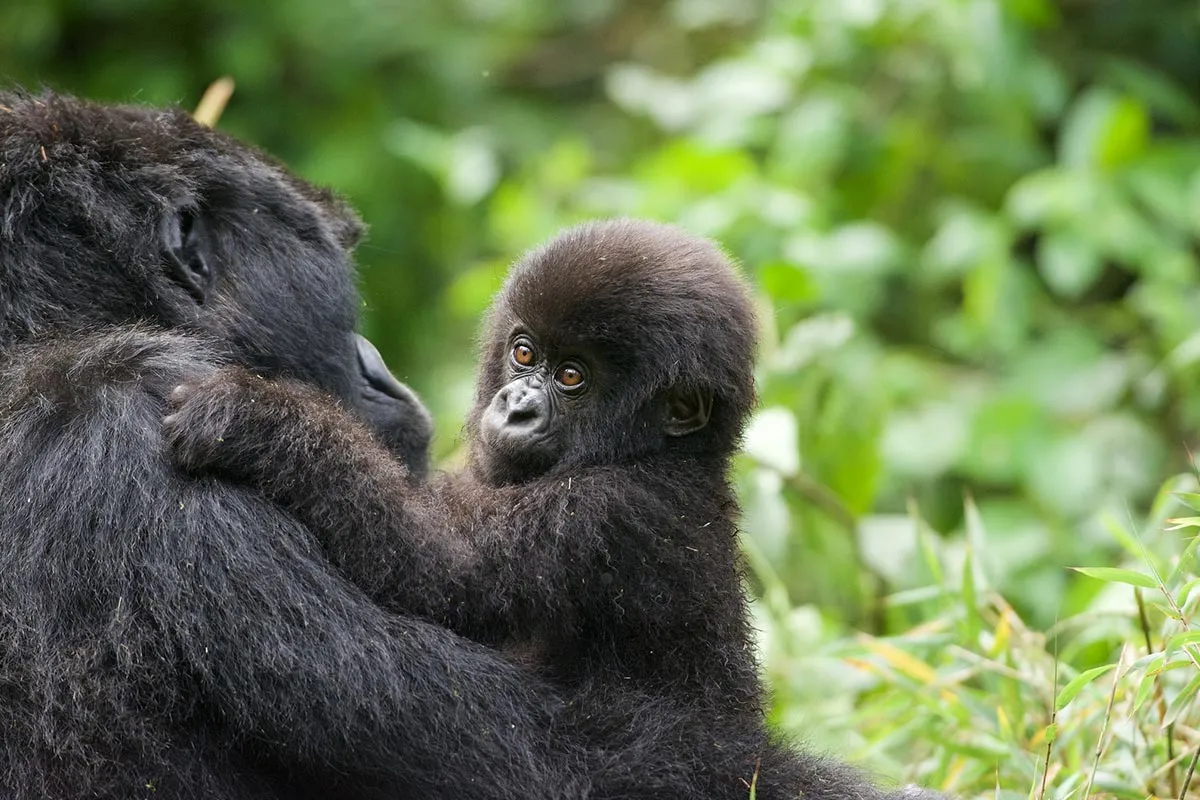
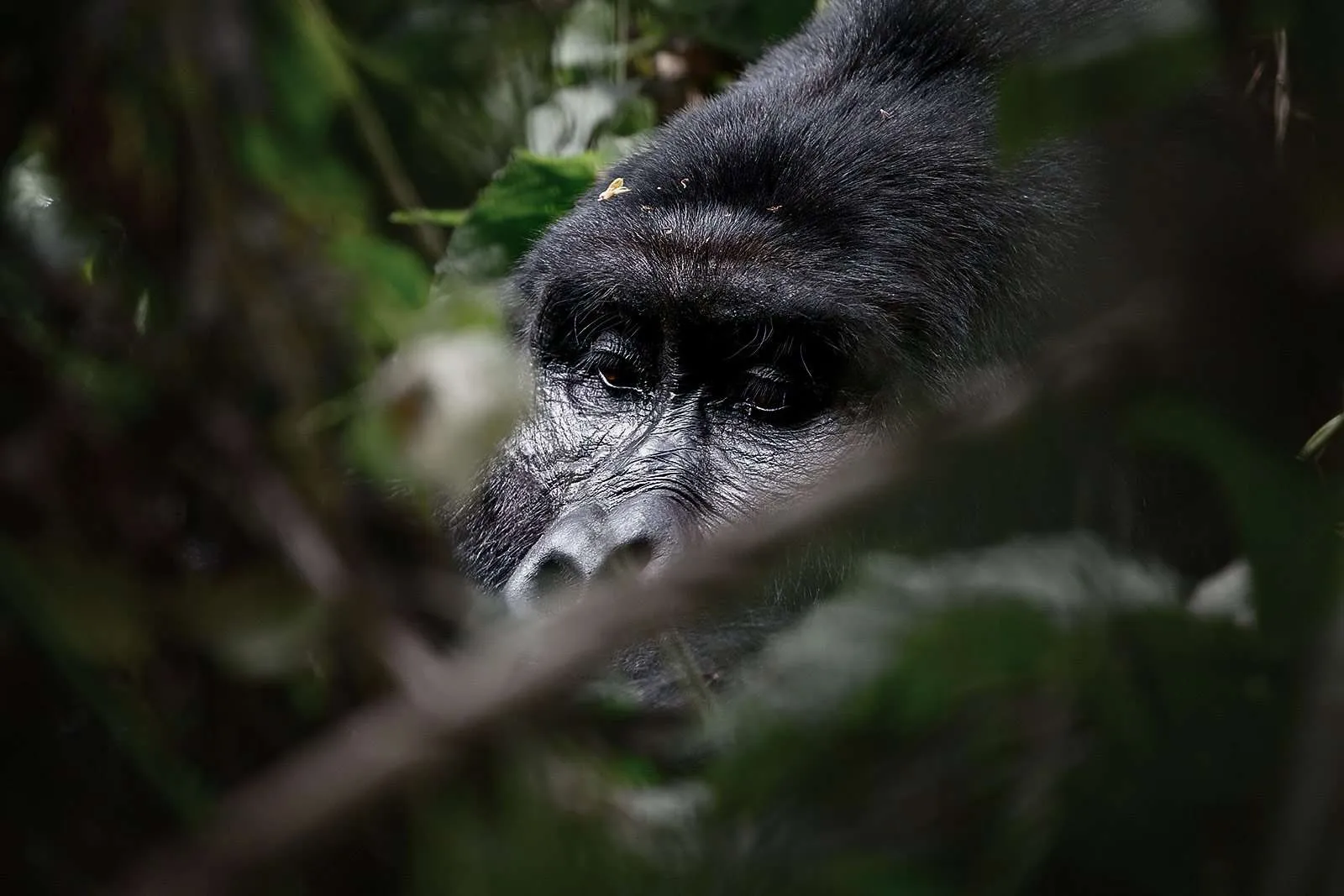
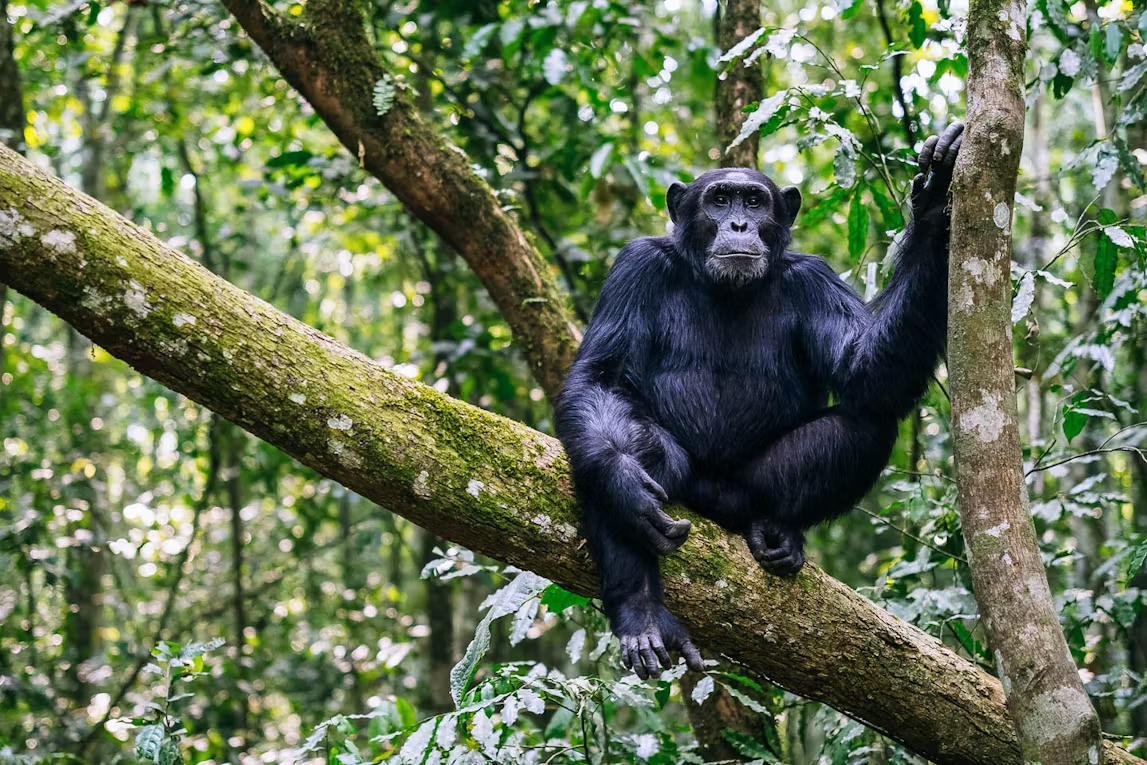
These parks offer unique experiences; Volcanoes and Virunga are major gorilla trekking destinations and home to about half of the world’s mountain gorillas, while Nyungwe is popular for chimpanzee trekking in its untouched tropical rainforest.
About 58 percent of the lake’s waters, approximately 1,370 square kilometers (529 sq mi) lie within the Democratic Republic of the Congo (DRC), with settlements like Bukavu, Kabare, Kalehe, Sake and Goma on its shores. The remaining 42 percent lie in Rwanda, with wonderful lakeside towns like Gisenyi, Kibuye, and Cyangugu.
Best time to visit Lake Kivu
The best time to visit Lake Kivu is in the dry seasons of June to September and mid-December to mid-February, which are ideal for sunbathing, swimming, hiking, kayaking, and enjoying uninterrupted lake views.
March to May and September to November are associated with heavy rains which are ideal for birdwatching. The vegetation can become vibrant with lush greenery and visitors can experience fewer crowds.
How to get to Lake Kivu
To get to Lake Kivu, you can take a scenic 3-hour road trip (around 187 km) from the capital, Kigali, through rolling hills and tea plantations to Rubavu, a waterfront town on the lake with red sandy beaches. Rubavu is just 1 hour from Volcanoes National Park and approximately 3 hours and 56 minutes (191 km) from Nyungwe Forest.
A 30-45 minutes charter flight from Kigali International Airport (KGL) to Gisenyi Airport (KGE) near Rubavu is a faster way to reach the lake.
Sample Rwanda safaris
5 DAYS
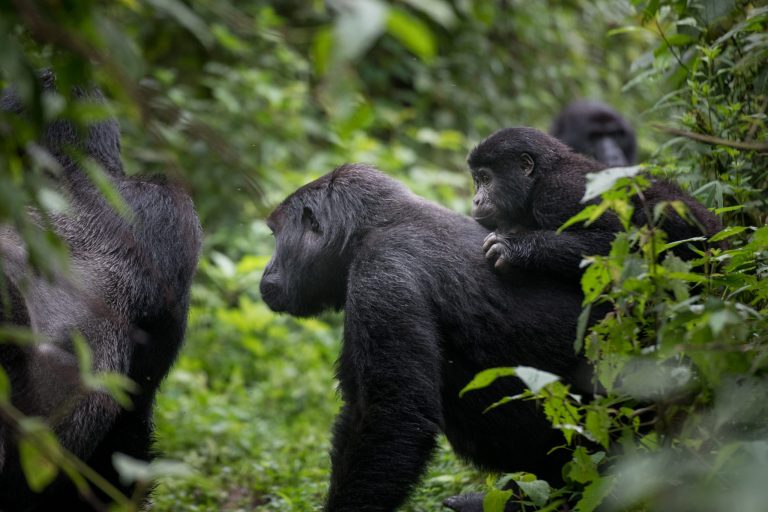
Luxury Gorilla Trekking Rwanda Safari
Destinations: Volcanoes
- Dramatic landscapes, gorilla trekking and visiting Ellen DeGeneres Campus to learn gorilla conservation

7 DAYS
Rwanda Primate Safari (Gorilla & Chimpanzee Tracking)
Destinations: Volcanoes and Nyungwe Forest, Rwanda
- Vibrant city and mystic jungle experience & a resort haven in Lake Kivu
