

Tips for Gorilla Tracking in Rwanda, Uganda and DR Congo
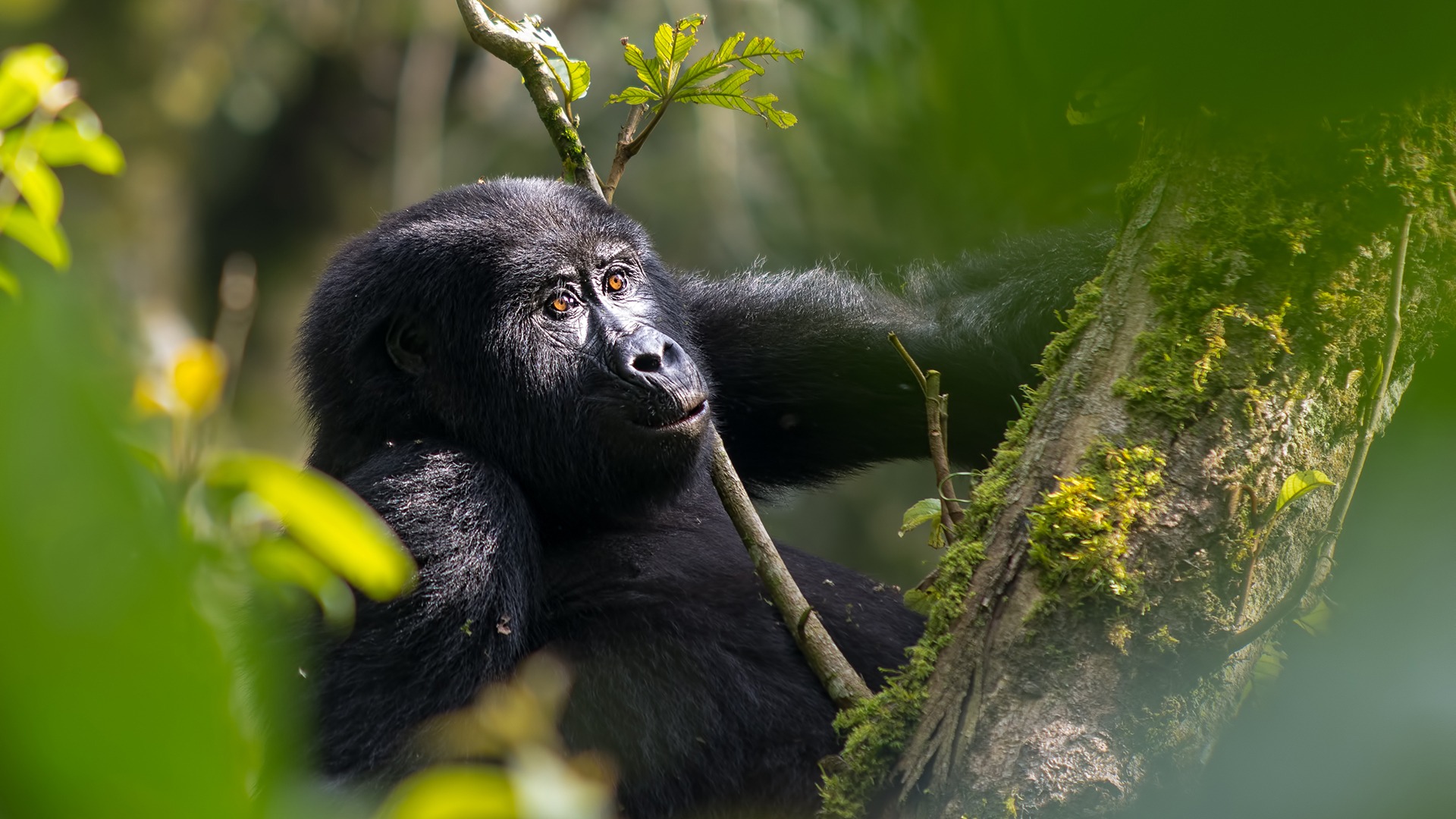
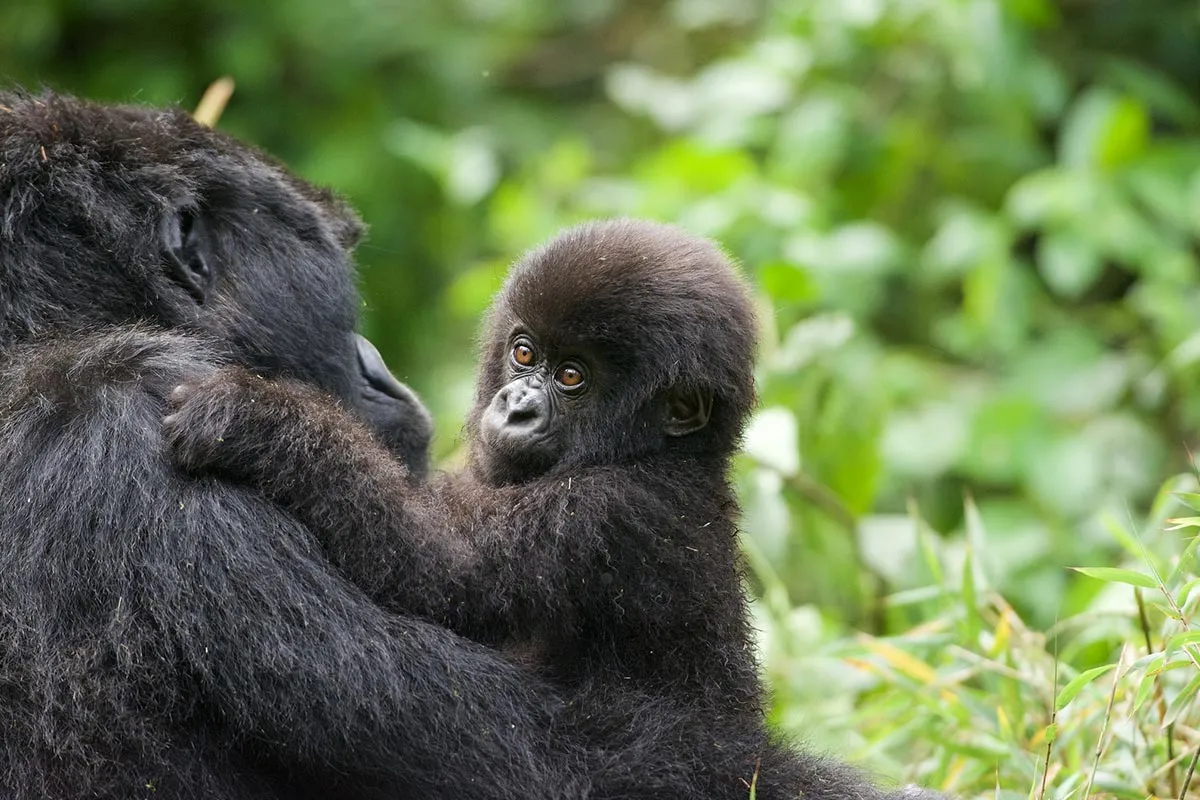
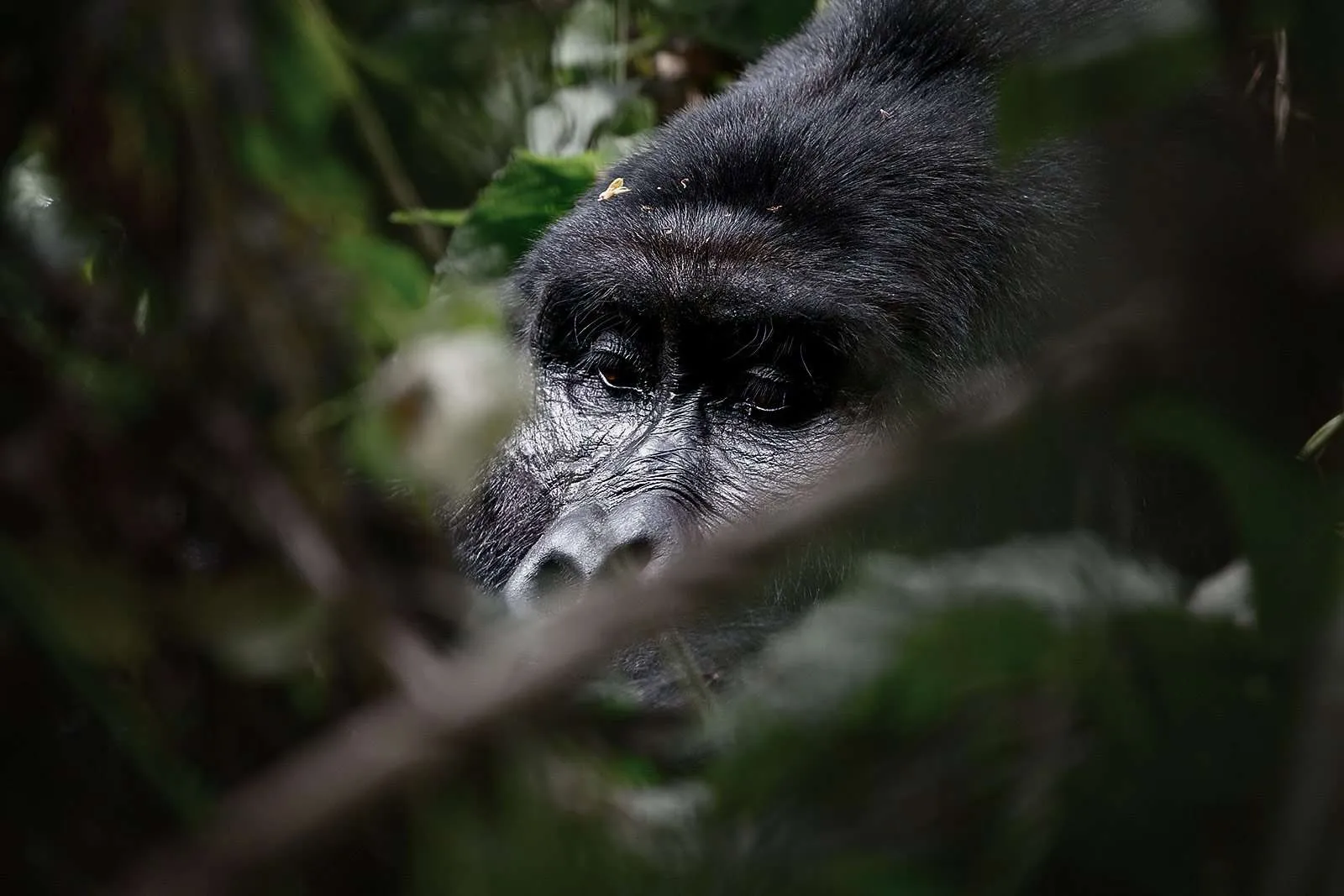
Gorilla tracking is one of the world’s most sought-after wildlife experiences and a fantastic conservation success story. While there are only between 980 and 1,100 mountain gorillas left in the wild and listed as critically endangered, this number marks a steady increase in the past several years, and much of it is attributed to controlled tourism and conservation efforts.
It’s no surprise, then, that the chance of encountering these gentle creatures in their natural habitat on trekking excursions is high, making it the ultimate bucket-list experience for every safari-goer.
There are two mountain gorilla populations in the world with almost half residing in Uganda‘s Bwindi Impenetrable National Park. The rest reside in the Virunga Mountain Ranges distributed across Uganda’s Mgahinga Gorilla National Park, Rwanda’s Volcanoes National Park and DR Congo’s Virunga National Park.
To see mountain gorillas face-to-face, you will have to go to the wild as they cannot survive in captivity. However, early preparation is crucial for a successful trekking experience. Below, we’ve shared essential tips for gorilla tracking in Africa.
Tips for Gorilla Trekking
1. Early bookings
We recommend booking your gorilla safaris as early as possible. Gorilla permits in Uganda cost USD 800 and Rwanda cost USD 1,500 and are highly limited. Only 8 people are usually permitted per gorilla family each day. Early booking also enables you to secure a lodge close to the starting point of your trek.
2. Go in the dry season
While gorilla trekking in Uganda and Rwanda is a year-round activity, the best time to visit is during the dry season from June to September and December to February. These months provide easier trekking conditions as the trails are usually dry. Trekking in the torrential rains and trying to keep your gear dry is no fun. Although rain can fall at any time of year, it is less likely to fall during the dry season and almost certain to fall during the wet season.
3. Pack and dress appropriately for the hike
Since Bwindi Impenetrable is a rainforest, expect heavy rain almost any time during your trek so a proper rain jacket will be of great help. We recommend wearing long-sleeved shirts and long pants made of moisture-wicking fabric, along with sturdy hiking shoes. Packing everything you’ll need in your day pack and dressing appropriately will ensure you are prepared and comfortable during the hike. Read our full guide on what to pack and wear for gorilla trekking.
4. Improve your fitness before your trip
This should probably be everyone’s first piece of advice. Gorilla trekking is a thrilling activity but can be challenging and strenuous, requiring some level of fitness since you’ll be hiking in high altitude areas where these majestic creatures live. You can make your whole experience far more pleasurable if you get in shape before embarking on it. If possible, practice some hill climbing or jogging.
5. Inform the rangers about your level of fitness
You should let the rangers know if you don’t think you’re very fit so they can, if possible, place you in a less difficult group. If you don’t let anyone know, you can end up hiking farther than you are able to. Hiring a porter can be of great help.
6. Take breaks and move at a rate that seems comfortable
If you feel the need to slow down or take a brief break, let your guide know right away. Drink a lot of water as you travel.
7. Book a porter
Before embarking on your trek, the park rangers will ask you if you would like to book a porter to carry your luggage. We strongly recommend booking a porter for each trekker. Here’s why;
- Support local jobs: You are creating income for the locals from nearby villages.
- Carry the load: The hike can be quite challenging, and you’ll be glad you have someone who can safely carry your backpack.
- Great company: It’s fun to chat with your porter, an experience that can result in feeling a sense of connection.
8. Take cash with you
It’s normal to tip in Uganda, Rwanda or Congo. The amounts don’t need to be excessive, but it’s a good idea to have some local currency on hand to tip the trackers and rangers in your group. Trackers are people who set out very early morning to find the gorilla families for you, and you will obviously follow in their footsteps while trekking.
After the trek, they will most likely not walk back with you to the starting point, so if you would like to tip them, you need to do so when you part ways in the forest. Additionally, you’ll need cash if you want to hire a porter, purchase souvenirs, or participate in optional activities that are not part of your current trip.
9. Stay overnight near the meeting point
If you’re tracking gorillas in Bwindi Impenetrable Forest, the park has four main sectors: Buhoma, Ruhija, Rushaga, and Nkuringo. Choose a lodge near your trekking start point (trailhead) to minimize your travel time in the morning. We also advise staying in the same location for the night of your scheduled trek to ensure you have enough time to rest without having to travel anywhere.
10. Be prepared for any weather
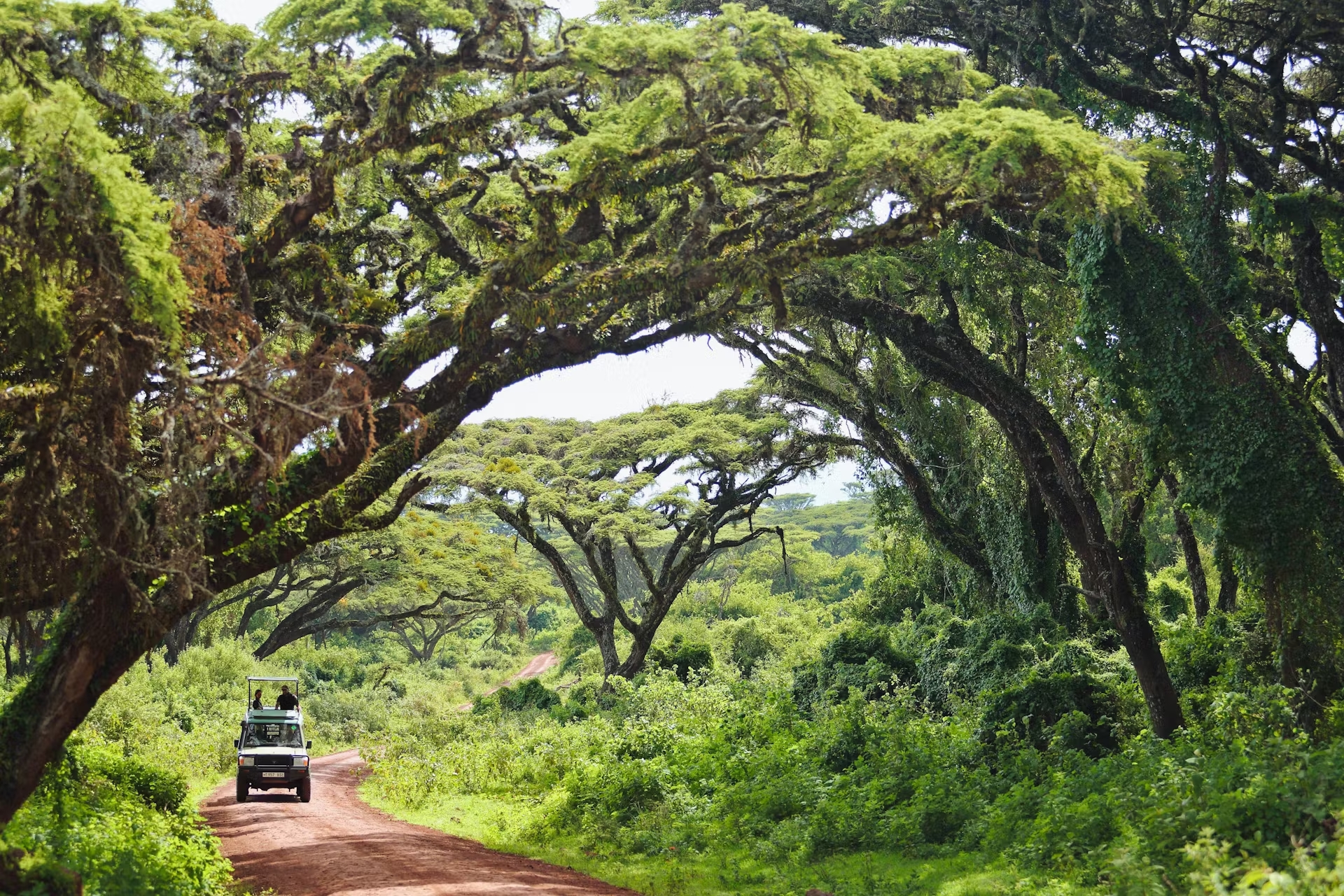
Gorillas live in tropical rainforests of Uganda, Rwanda and DR Congo which receive rain throughout the year. The weather is most likely to be both hot and humid as well as slightly chilly and rainy on the same day. So, timely preparation for varying weather conditions on your gorilla trekking adventure will make for a comfortable gorilla tracking experience.
11. Have good travel insurance
For most tour companies, you’ll be required to have travel insurance as part of booking a safari package. In any case, it’s usually a good idea to get travel insurance that explicitly pays for things like medical expenses and air evacuations. The cost of travel insurance is a small fee to pay for peace of mind, even if it is unlikely that anything will happen to you.
12. Enjoy the moment!
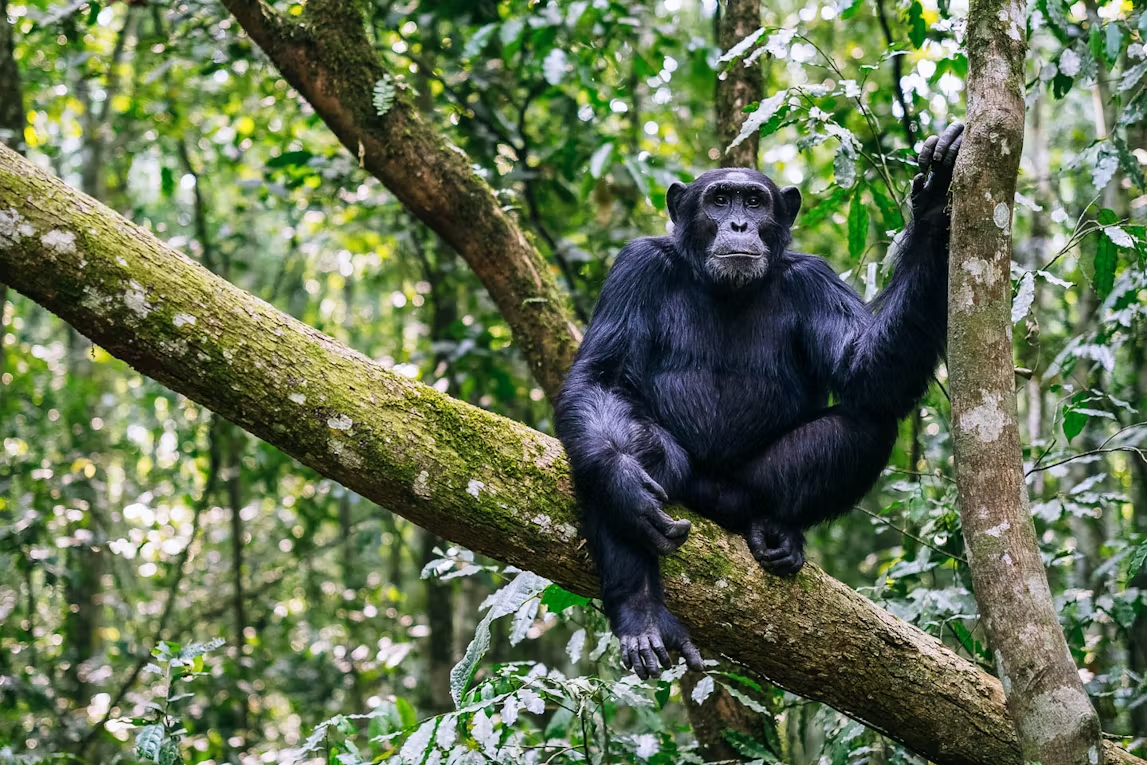
For most people, meeting the gorillas face-to-face for the first time in their natural habitat is a once-in-a-lifetime experience. You will hike through shrubs, tree branches, thickets, and streams to look for a family of habituated mountain gorillas, and after finding them, you will be allowed a maximum of one hour in their presence. This time is enough for you to observe them munching, playing, grooming and napping. So be careful to enjoy the hike and your time with these gentle giants in their natural habitat.