
When is The Best Time for Gorilla Trekking?
Best time to see Mountain Gorillas in Rwanda, Uganda & Congo
The best time for gorilla trekking in Uganda and Rwanda is during the dry seasons between June and September, and December and February. During these periods, you can still expect some rain, but conditions are generally more comfortable, and the hiking trails are less muddy, making trekking an easier experience. Here’s a quick summary of when to go for gorilla trekking.
Summary of When to Go for Gorilla Trekking
- High/peak season: June to August
- Low season: April to May and September to November
- Best weather: Between June and September, and between December and February
- Worst weather: Between March and May and September and November
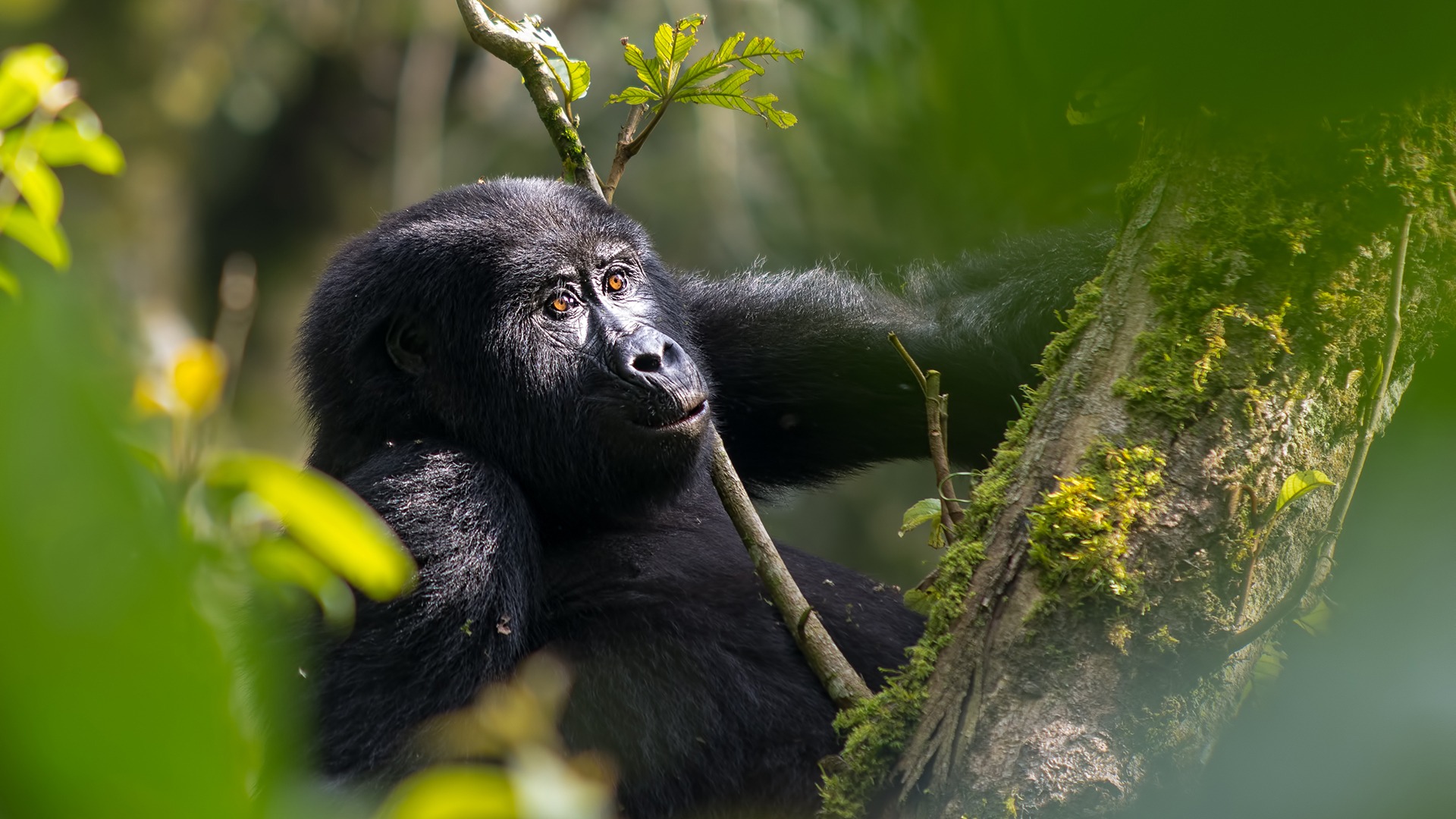
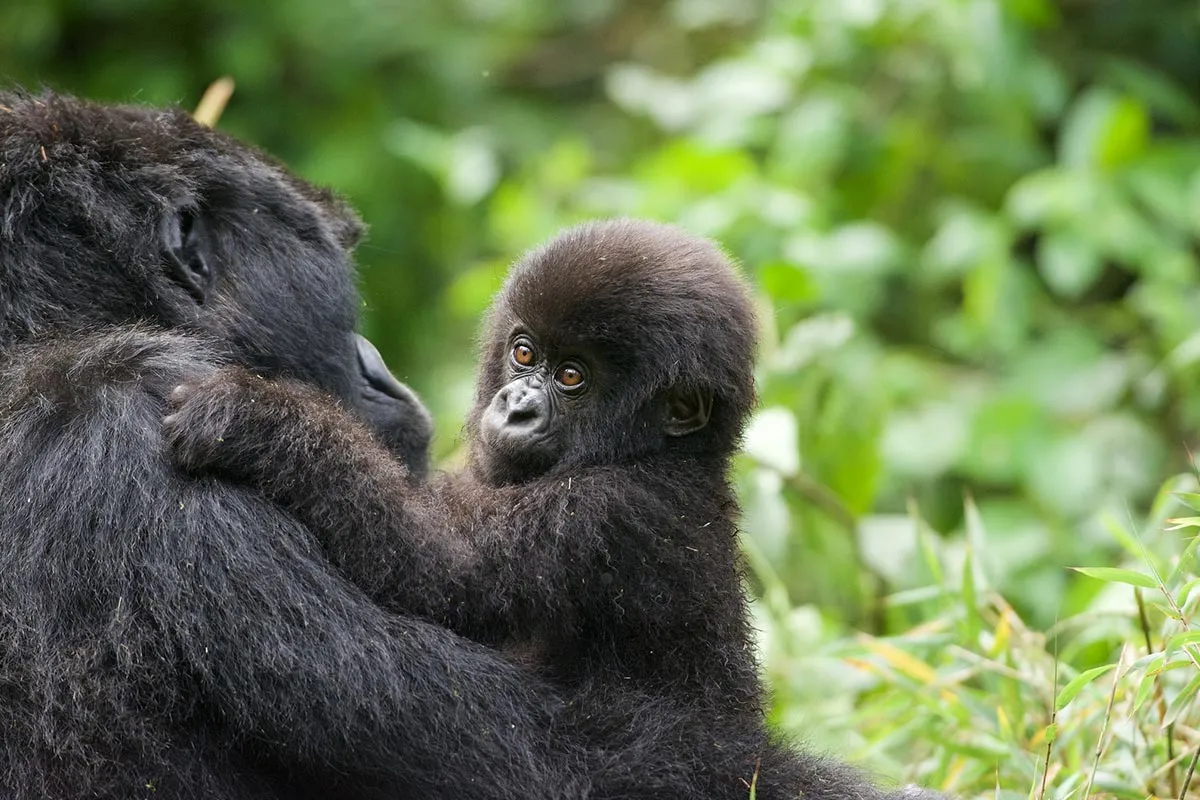
Gorilla trekking is one of the most breathtaking wildlife experiences on an Africa safari. Uganda, Rwanda, and the DRC are the only three countries where you can see mountain gorillas in their natural habitat. They live in four protected areas: Bwindi Impenetrable National Park, Mgahinga Gorilla National Park, Volcanoes National Park and Virunga National Park.
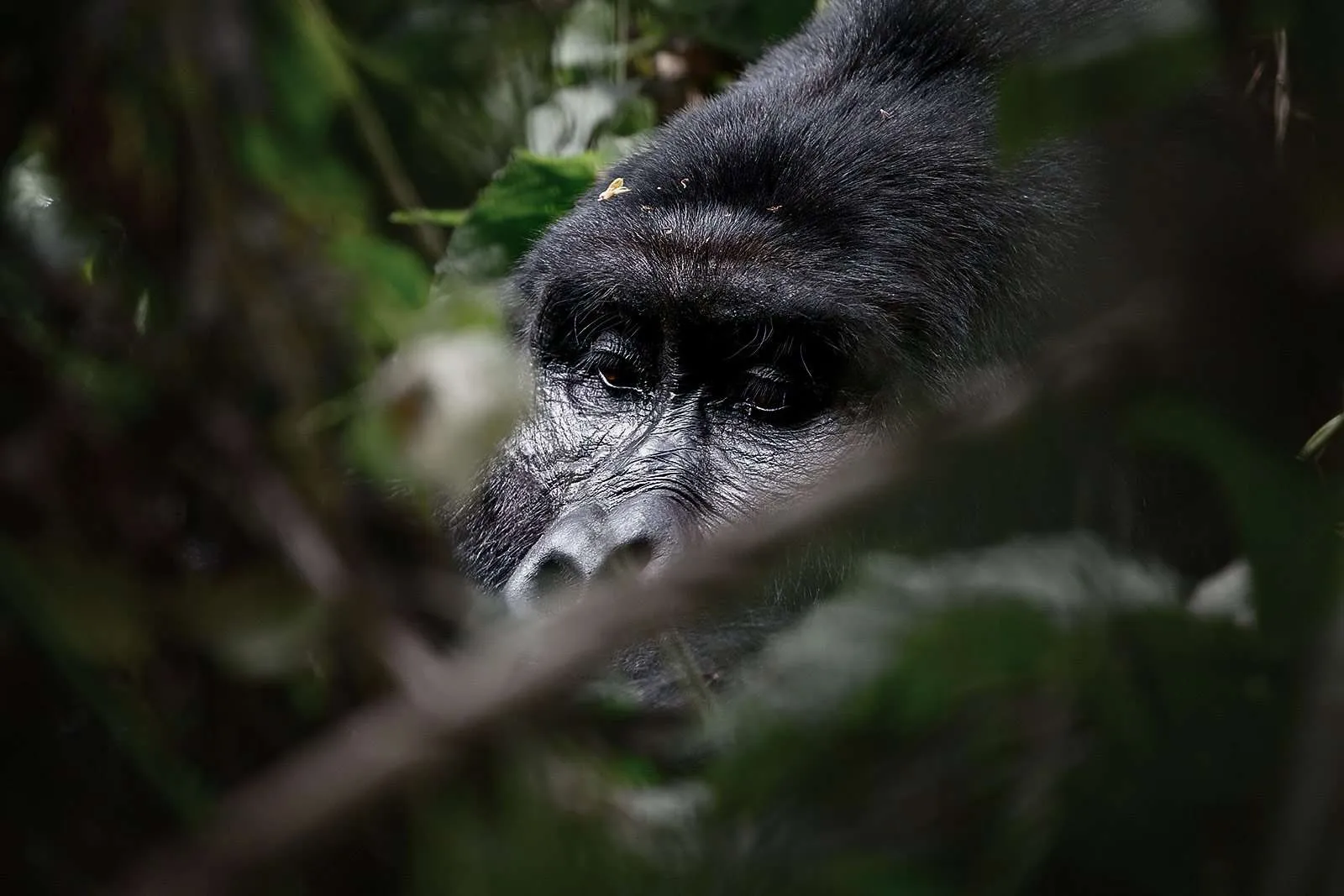
Bwindi Impenetrable National Park and Mgahinga Gorilla National Park in Uganda are home to more than half of the world’s remaining mountain gorilla population, making Uganda the ultimate gorilla haven with reliable gorilla trekking. Trekking through the mist-covered rainforest and locking eyes with a benevolent silverback is an encounter that resonates deeply.
Mountain gorillas are present all year round, with a great record of sightings. The best time for gorilla trekking is, therefore, totally up to you. However, before going on a gorilla trekking adventure, understanding the best time, including the seasons, weather patterns, and visitor trends is crucial and will determine your experience of seeing these gentle creatures in their natural habitat.
When to Go Gorilla Trekking: Month by Month Guide
The climate, safari seasons and trekking conditions are more or less similar across Uganda, Rwanda, and the DRC, as they all share two distinct dry and wet seasons (June–September and December–February are the peak dry periods and the best time to see mountain gorillas).
- January and February are usually the beginning of the short dry season (fairly dry). These months present good conditions for trekking, minimizing slippery trails and improving the hiking experience. Unlike the second dry season, this is a time of year often considered the low season with few visitors.
- March, April and May are the start of the first rainy season. The heavy rains make hiking a challenging experience with the trails getting muddy and slippery. However, don’t be completely put off by the rains, as you will have the forests and mountains to yourself (the guides, gorillas and birds) and gorilla trekking permits in Uganda and DRC may be discounted in April and May.
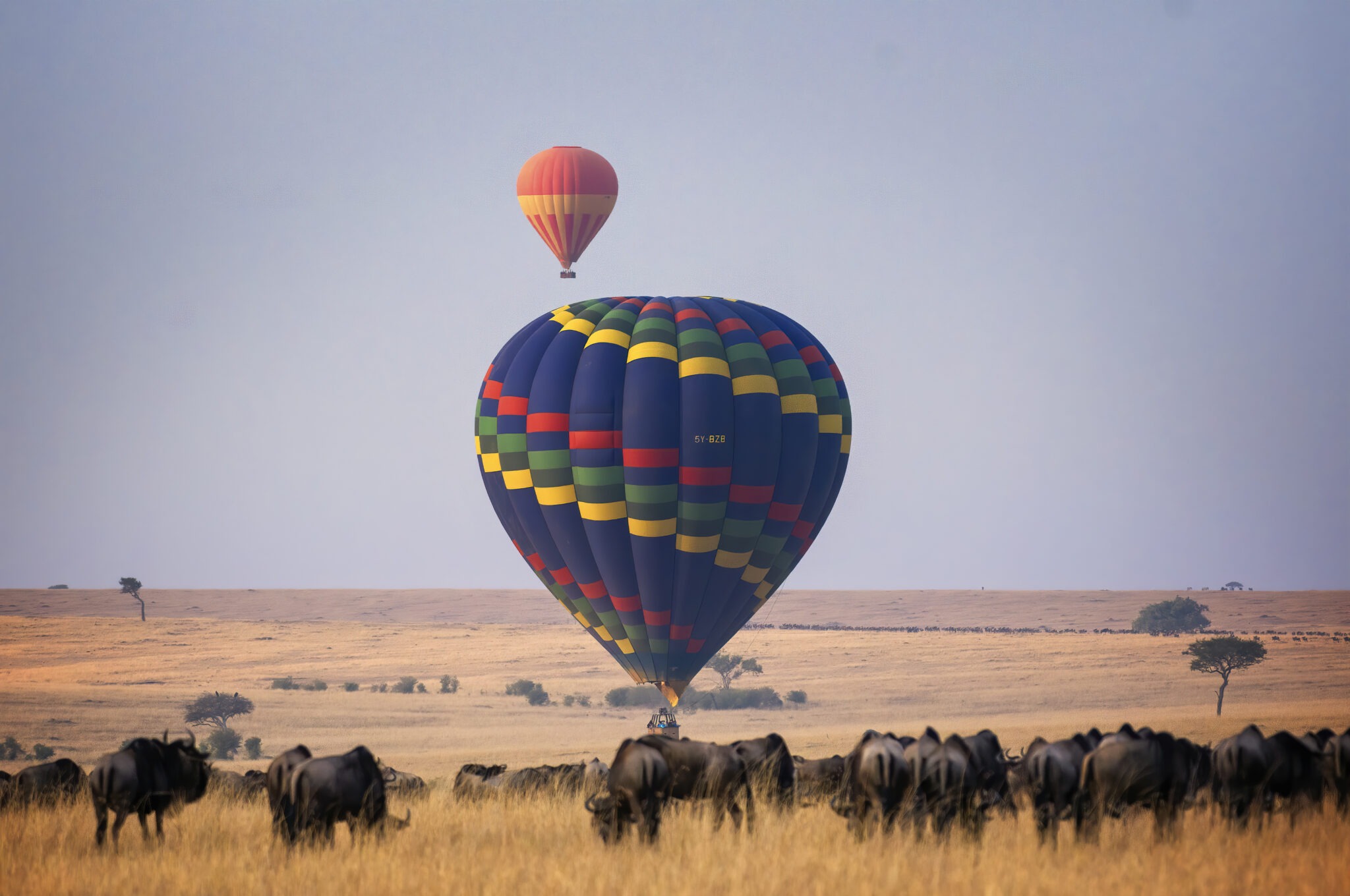
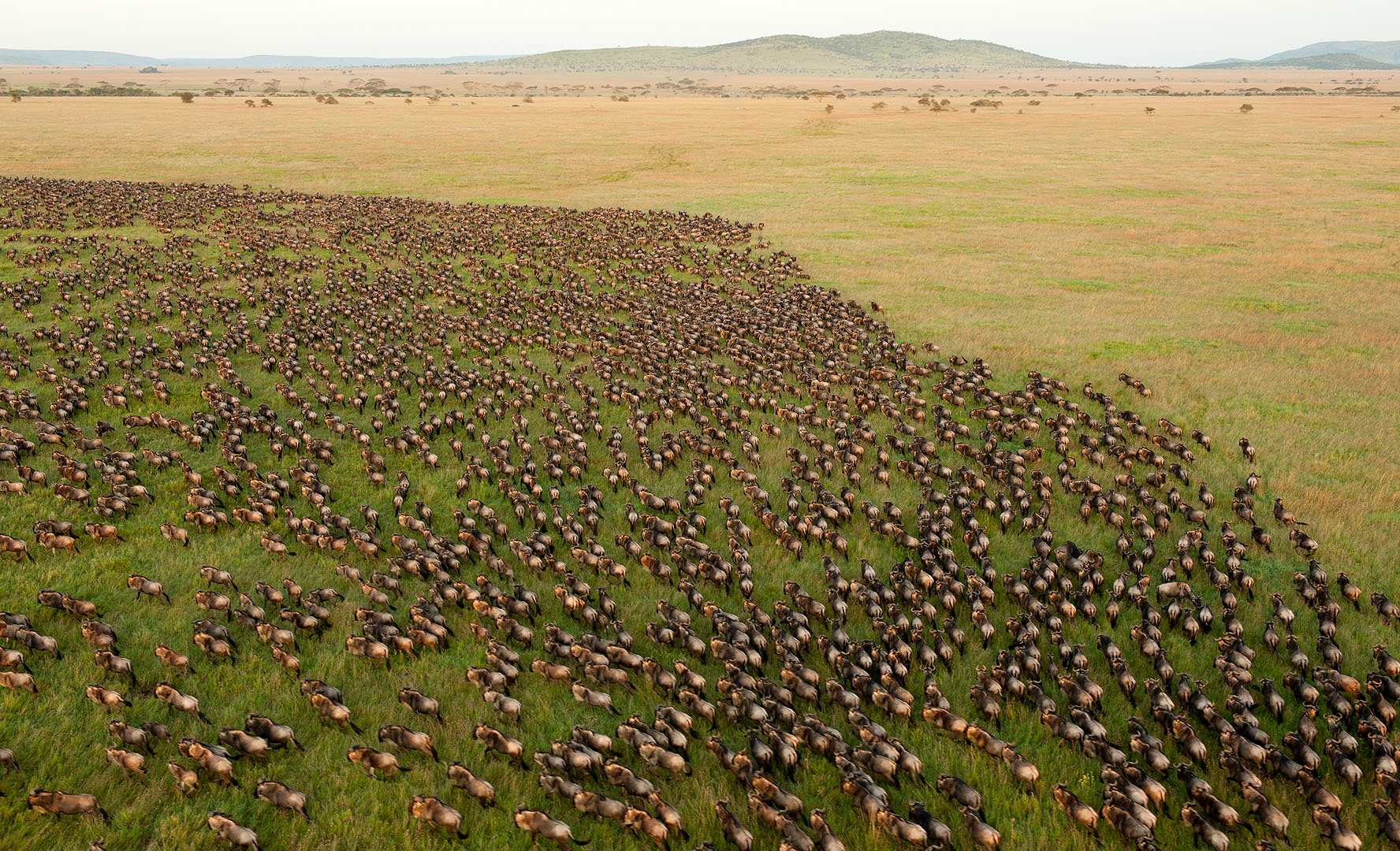
- June, July and August are the peak season and the best time for gorilla tracking. June marks the beginning of the dry season with little or no rainfall, making trekking an enjoyable experience. However, expect high costs of gorilla trekking safaris. We recommend booking as far in advance as possible at this time; permits can sell out as much as a year in advance. This is also the best time to combine gorilla trekking with the wildebeest migration in Kenya or Tanzania.
- September and October: September is when the dry season comes to an end with crowds beginning to thin out as light rains start. October is best for low-cost gorilla safaris with discounted gorilla permits. This period is also excellent if you’re planning to climb Mount Kilimanjaro, across the border in Tanzania, as conditions are ideal for both activities.
- November is another wet month with green vegetation. Expect few visitors and lower permit prices in Uganda and the DRC – ideal for budget travelers.
- December: By mid-December the rains have eased off to light showers, making the three East African nations the ideal place for Christmas holiday gorilla trekking and bird watching vacations.
If you’re planning to visit the Central African Republic, December to May is the dry season, and the best time to track gorillas in the humid, swampy Dzangha-Sangha Reserve.
Sample wildebeest migration safaris
3 DAYS
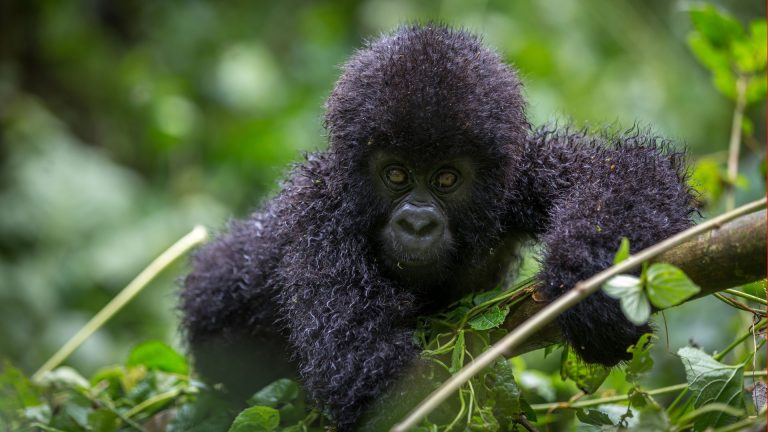
Uganda Gorilla Trekking Luxury Flying Safari
Destinations: Bwindi Impenetrable National Park
- Gorilla trekking in an ecologically biodiverse environment | Batwa trail
5 DAYS
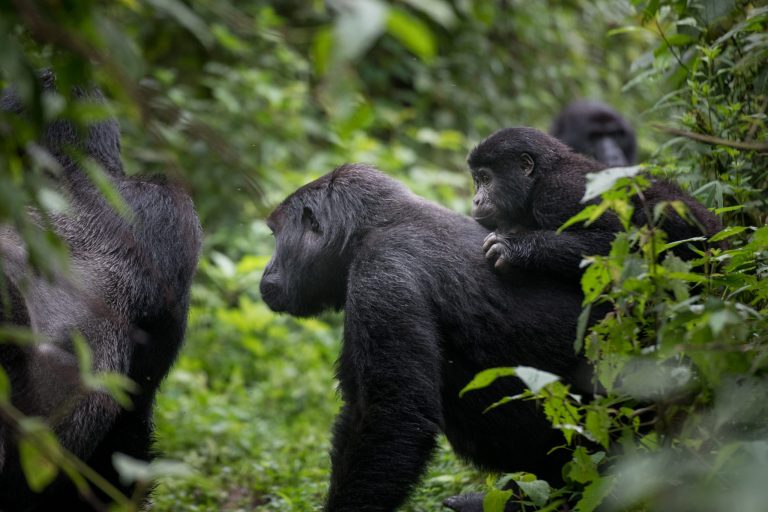
Luxury Gorilla Trekking Rwanda Safari
Destinations: Volcanoes
- Dramatic landscapes, gorilla trekking and visiting Ellen DeGeneres Campus to learn gorilla conservation
