

Great Wildebeest Migration in Masai Mara vs Serengeti
Masai Mara vs Serengeti: Comparing and contrasting the Great Wildebeest Migration in the Masai Mara vs Serengeti. Which is the better place to experience one of the world’s most iconic natural phenomena?
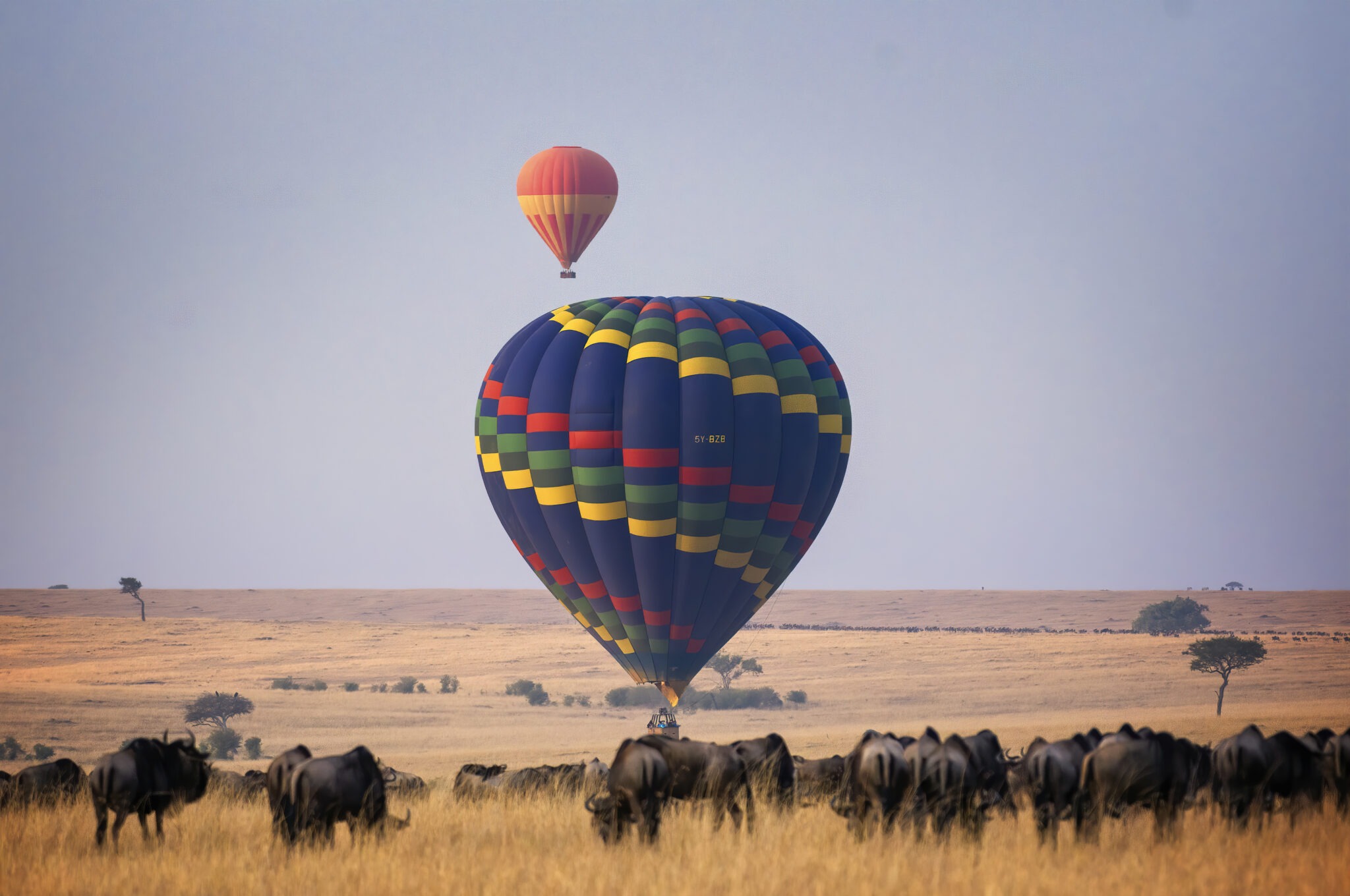
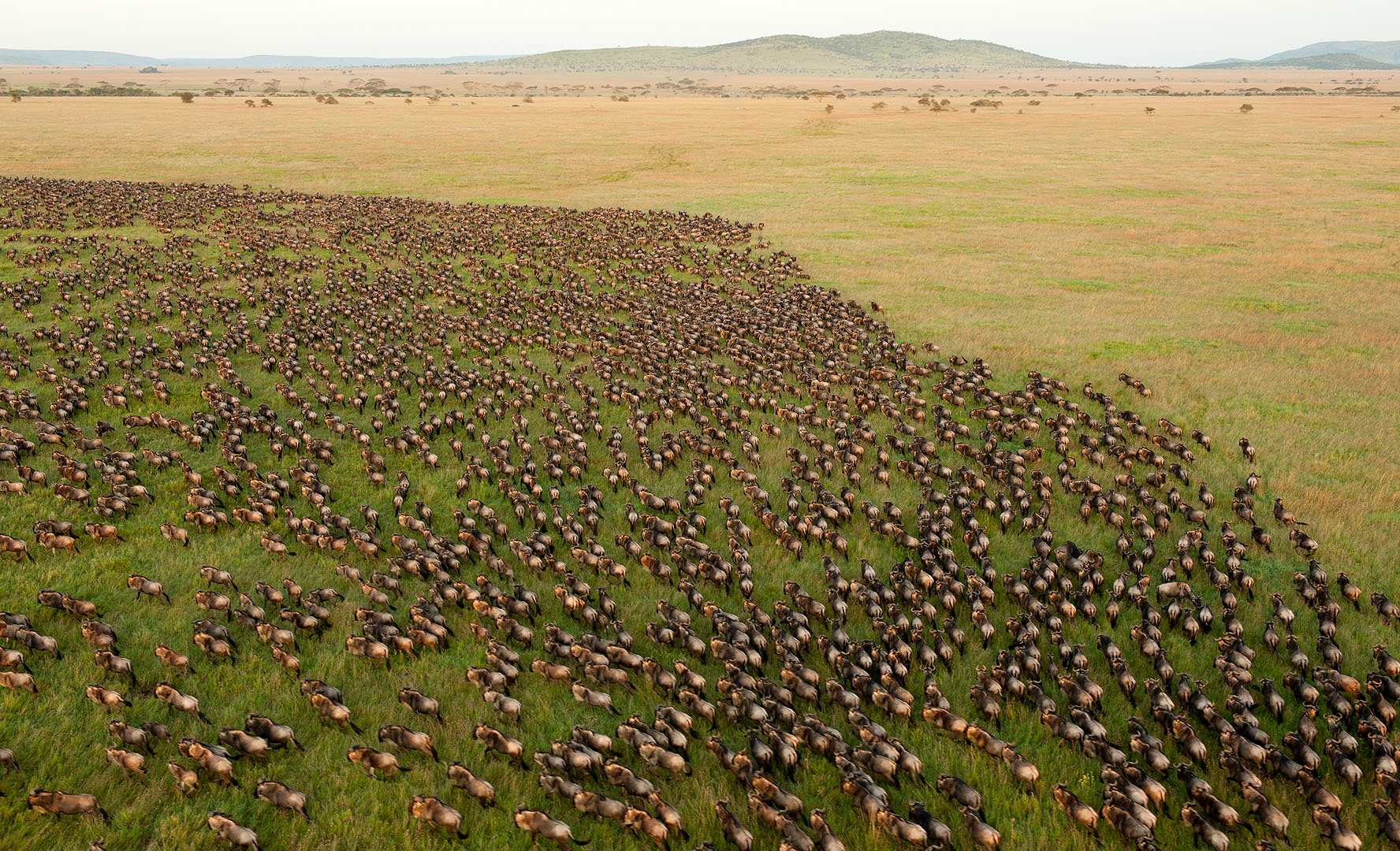
The Great Wildebeest Migration is Africa’s most sought-after wildlife experience. Every year, over 1.5 million wildebeest, 400,000 zebra, 300,000 Thomson’s gazelle and other herbivores follow their age-old migration route across the Serengeti–Mara ecosystem in search of fresh grazing. Guided by seasonal rains, the herds traverse the Serengeti plains in Tanzania into Masai Mara in Kenya in an endless cycle, creating distinct wildlife highlights throughout the year.
Among the herds of herbivores are wildebeest, zebra, Thomson’s gazelle, Grant’s gazelle, eland, and topi. They are beset by carnivores including lions, hyenas, cheetahs, jackals and wild dogs stalking them as they traverse the dry landscape. Meanwhile, huge Nile crocodiles lie in wait in the murky waters of Mara and Grumeti Rivers to take their share of strugglers, causing high drama and making this epic journey the world’s most dramatic wildlife movement.
Both the Serengeti and the Masai Mara are famous for delivering thrilling year-round Wildebeest Migration experiences, making them prime locations for witnessing this dramatic wildlife spectacle. However, when planning an authentic safari, it all comes down to choosing between the Masai Mara or the Serengeti, which is the better place to experience an unforgettable wildebeest migration?
Fortunately, we’ve been planning Great Migration safaris in Africa for over a decade, helping thousands of travelers get front-row seats to the intense river crossings, calving season and the expansive herd movements at the best possible time and price.
This handy beginner’s guide compares the Masai Mara vs Serengeti great wildebeest migration covering park size, accessibility, accommodation, safari costs and park fees. Understanding the annual Great Wildebeest Migration will help you choose the right destination, travel dates, and camp location—especially for mid-range and budget travelers.
Similarities and differences between the Masai Mara and the Serengeti
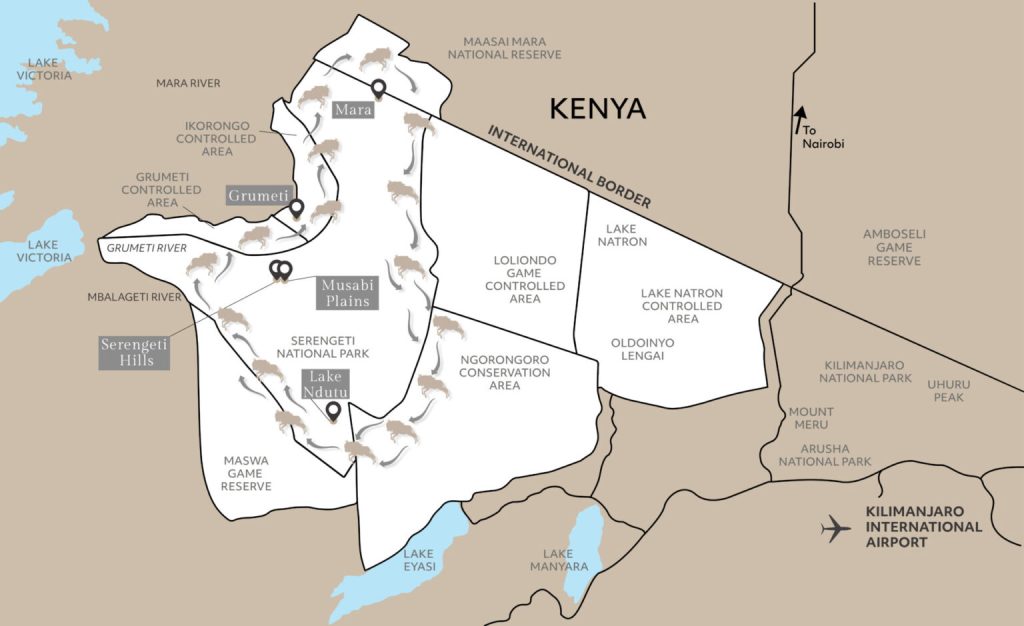
The route map highlights:
- January–March: Wildebeest calving season in the southern Serengeti and Ndutu region
- April–June: Expansive herd movement toward the western corridor and the Grumeti Reserve
- July–October: With peak river crossings (Grumeti and Mara Rivers) in August in the northern Serengeti and Masai Mara
- November–December: Herds return south following the short rains and repeat the cycle
The Great Wildebeest Migration is a continuous, year-round movement, with both Tanzania’s Serengeti and Kenya’s Masai Mara offering different experiences.
1. Serengeti vs Masai Mara Wildebeest Migration in terms of Size
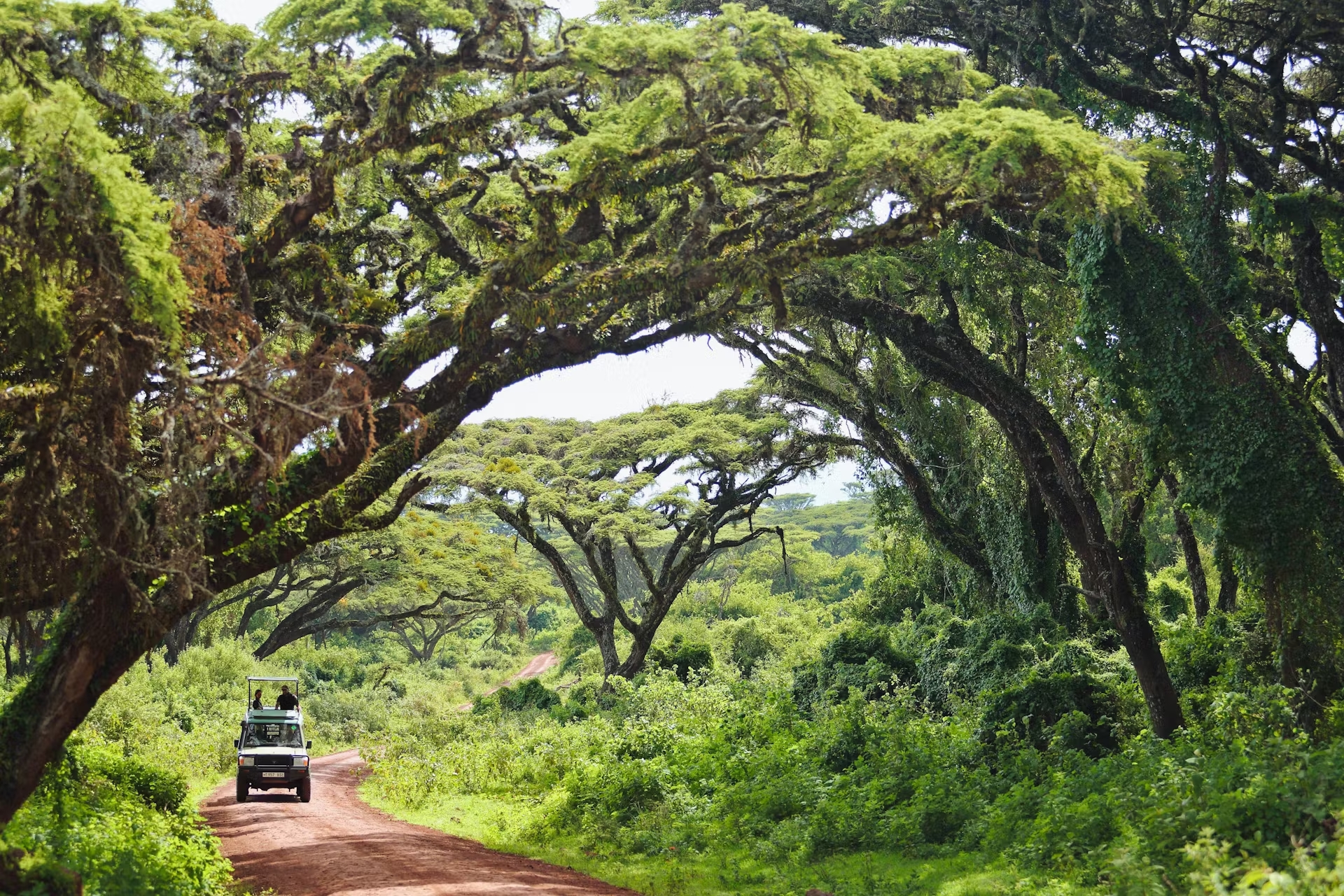
The Serengeti is vast, spanning a good 30,000 square kilometres characterized by rolling grasslands, flat-topped acacias, huge horizons, and incredible wildlife. Its sheer size allows travelers to experience the migration across multiple regions all-year-round, from calving season in the southern plains to river crossings in the north.
while the Masai Mara is comparatively small at only 1,510 square kilometres, it delivers the most concentrated and busier great migration experience. For instance, between July and October, large herds congregate along the Mara River which increases the likelihood of seeing the dramatic river crossings and intense predator action.
The reserve’s relatively compact size also means sightings are much closer together, allowing a more efficient game drive experience.
2. Masai Mara vs Serengeti Wildebeest Migration in terms of Scale and Timing
The Great wildebeest migration largely takes place in Tanzania’s Serengeti, covering roughly 8 to 9 months of the year from November to July (around 80% of the cycle), providing the greatest opportunities to experience breathtaking moments – from the birth of wildebeest calves in the south and the Ngorongoro Conservation Area to the dramatic river crossings at the Grumeti and Mara Rivers, where huge crocodiles wait to feast.
In contrast, the herds only enter in Kenya’s Masai Mara to graze from around July to October—roughly 5-10%—only a small portion of the overall wildebeest migration route. Not even all the herds cross at once: significant numbers often remain in the northern Serengeti.
3. Serengeti vs Masai Mara Wildebeest Migration in terms of Experience
Serengeti National Park is more expansive, wild, and less crowded, providing a more diverse, year-round experience. Visitors can spend long stretches of time surrounded only by wildlife.
In contras, Masai Mara provides a more compact and crowded experience, highlighting the reserve’s limited space against a high density of jeeps and visitors. This makes the experience feel less intimate although shorter driving distances between sightings offer a “higher-impact” viewing experience.
4. Masai Mara vs Serengeti Wildebeest Migration in terms of other wildlife experiences
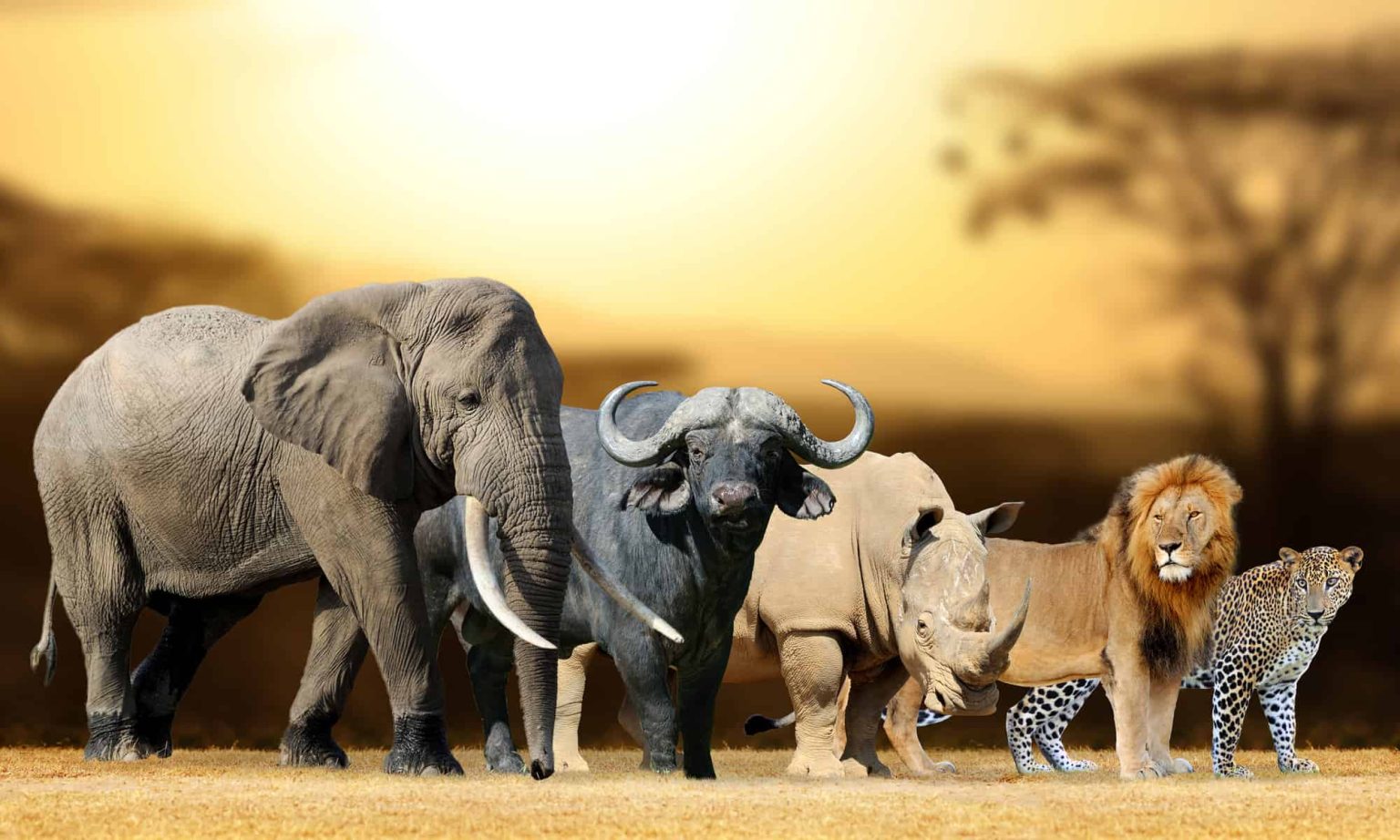
Masai Mara National Reserve and Serengeti National Park are premier places to sight other wildlife species. The wildlife in both parks is virtually similar in terms of diversity and offers fairly equal chances of spotting the Big Five animals (lion, leopard, rhino, buffalo, and elephant).
From a traveler’s perspective, sighting the Big Five is much easier and more frequent in Masai Mara because of its compact size which contrasts with Serengeti’s vast plains. Furthermore, although the number of Lions in the Masai Mara is fewer, the density is higher than in the Serengeti.
5. Serengeti vs Masai Mara Wildebeest Migration in terms of Prices and Costs of Safari
Kenya’s Masai Mara generally offers a more affordable, compact, and accessible wildebeest migration safari compared to Tanzania’s Serengeti. For instance, visitors staying inside Serengeti end up paying daily concession fees in addition to the park entry fee which often costs 15-30% more than Masai Mara.
Furthermore, Serengeti’s remote location and limited budget lodging causes prices to shoot up. There are more Camps and Lodges in Masai Mara than in Serengeti which results in lower pricing. A 24 hour stay inside Serengeti can cost around USD 140 per adult while in Masai Mara, it can cost only USD 70 per adult.
The price difference may not reflect the quality of experience in both parks. In short, Masai Mara is ideal for short, high-density, 3–4-day trips, while the Serengeti suits longer, exclusive, 5+ day experiences.
In conclusion, whichever destination you choose, each has something unique for both the beginner and seasoned traveler. However,
- For the iconic dramatic river crossings, choose the Masai Mara. June is the best time for the Grumeti River crossing and September marks the climactic Mara River crossing.
- For a more exclusive and authentic and year-round viewing safari experience, choose the Serengeti. January-March is best for the calving season and late May to June for the Grumeti crossing.
- For a shorter, high-impact safari experience in a smaller, busier area, choose the Masai Mara.
- If you prefer fewer tourists and more time, choose the Serengeti, but you’ll have a larger budget.