






Unique Risks Associated with Safari Activities
There are inherent risks of travel and inherent risks of certain activities. Some itineraries Exploits Travel provides may include the following activities where the outlined unique risks may be involved.
1. Activity: Above the Ground Suspension Activities Including but not Limited to Climbing, Ziplining, and Other Rope Activities.
Potential Unique Risks:
Risks include disorientation; vertigo; altitude and motion sickness; slipping; sliding; tripping and falling from platforms; steep, inconsistent, and wet terrain; collision; crashing into other people, the bridge, the ground, trees, and other objects; rope abrasion; entanglement; clothing and body parts being caught in moving parts; falling objects, including trees, rocks, equipment, and dropped items, including ropes, holds, and climbing hardware; equipment failures, including failure of ropes, climbing harnesses, anchor points, carabiners, and any other structures (including bridge structures, if applicable); adverse weather conditions, including wind, lightning, and extreme temperatures; injury while getting on and off of platforms, on and off lifts, and in and out of vehicles; injury by wildlife; fire dangers; physical exertion; and emotional trauma.
2. Activity: Animal Activities Including but not Limited to Donkey and Horseback Riding, and Activities Involving Other Wildlife
Potential Unique Risks:
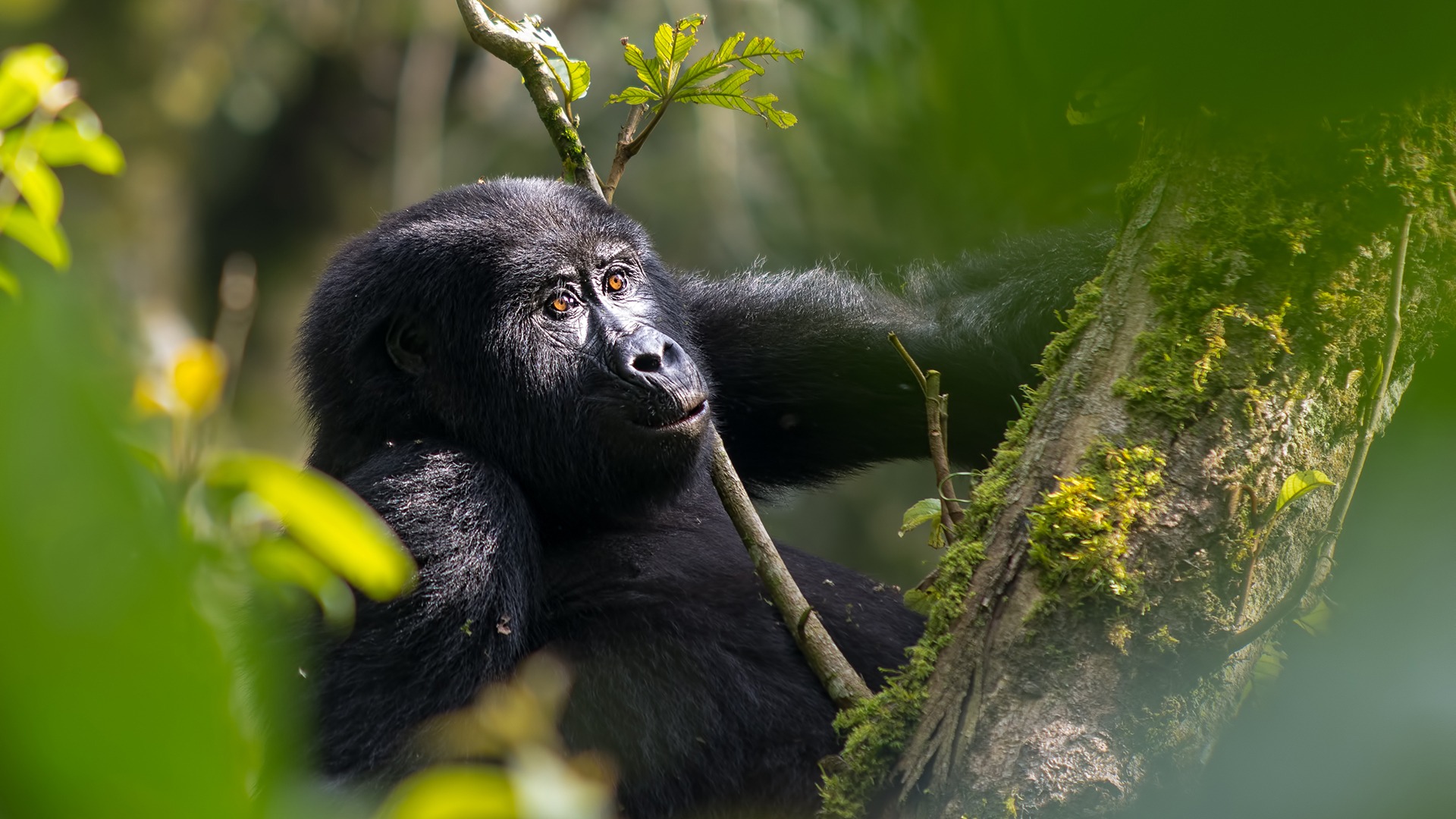
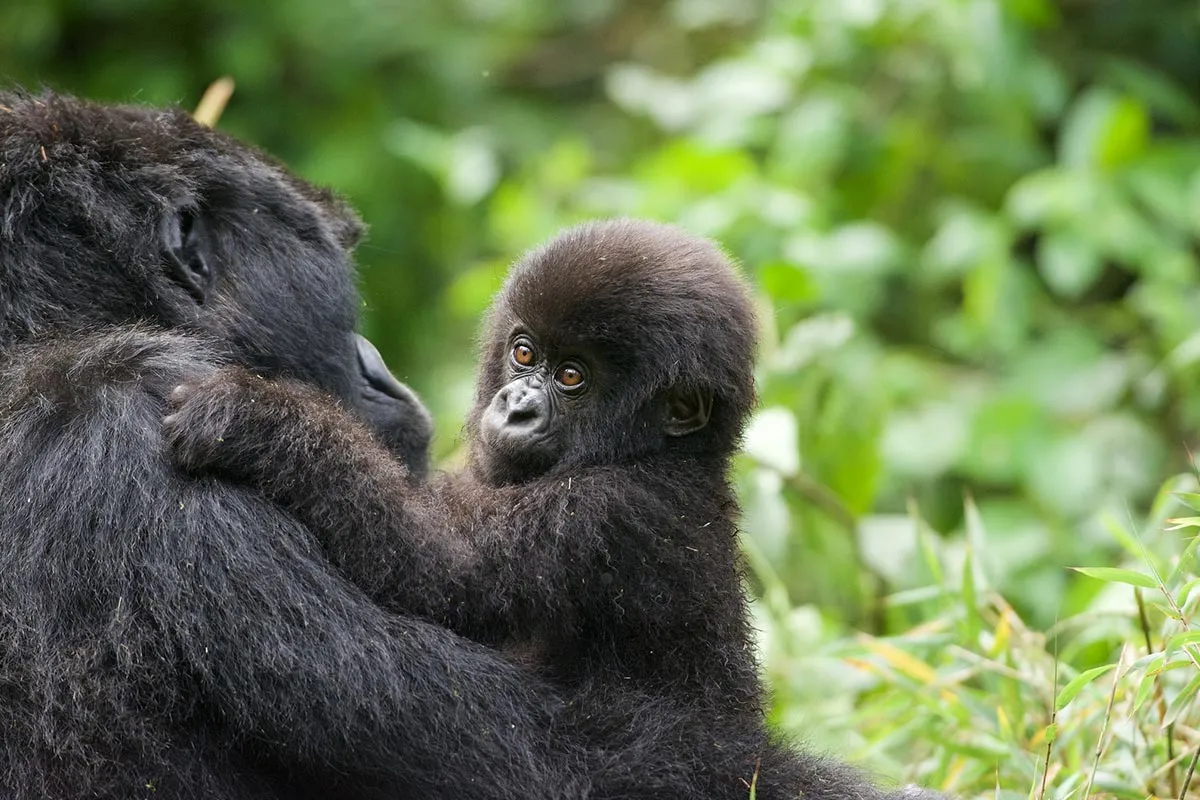
Risks include injury by animals that may act unpredictably, kick, bite, stomp, spit, stumble, rear, bolt, fall down and move suddenly due to their reactions to the person riding, petting, feeding, and shearing them, other persons, other animals, loud noises, light and vehicles; injury by other wildlife and marine animals; injury from means used to protect guests from wildlife; falling, collision and injury from sitting on animals; injury that may result from the training and selecting of the animals, maintenance, care, fit and adjustment of saddles and brindles, instruction on riding skills, and leading and supervising riders; injury caused by embarkation and disembarkation from an animal; altitude sickness; and allergic reaction.
3. Activity: Boating Activities Including but not Limited to Zodiac and Jet-Boating, Kayaking, Canoeing, and Whitewater Rafting
Potential Unique Risks:
Risks include drowning; hypothermia; injury from falling over or through protective barriers overboard while vessel is stationary or moving, or being thrown by the forces of water motion or movement of the vessel through rough and unpredictable waters; head and other bodily injury from being thrown or falling from the vessel onto rocks, trees or other objects or into cold water, or from coming in contact with gear, cargo, rigging, or other people; injury caused by embarkation and disembarkation from slippery, uneven, or unstable surfaces; vessel capsizing or sinking; trauma caused by hot sun or cold water, including sunstroke, sickness, and being wet, cold, and uncomfortable; and attack or injury by wildlife, sea creatures, and marine animals.
4. Activity: All-Terrain Vehicle Activities Including but not Limited to Driving, Riding, and Participating in a Game Drive, Safari Drive, Military Vehicle Drive, Jeep Drive, 4×4 Tour, and Snow Mobile Drive
Potential Unique Risks:
Risks include falling; collision; being struck by objects as a result of traveling on trails, terrain, and other pathways of varying conditions which may contain holes and depressions; injury due to being jolted, jarred, bounced, thrown about and shaken; exposure to varying temperatures; cold weather and heat related injuries and illnesses, including frostnip, frostbite, heat exhaustion, heat stroke, sunburn, sun exposure, hypothermia, and dehydration; attack and injury by wildlife; operator error; impairment of sense of balance; fatigue; chill; and dizziness.
5. Activity: Water Activities Including but not Limited to Surfing, Boarding, Swimming, Scuba Diving, Snorkeling, and Cold-Water Immersion
Potential Unique Risks:
Risks include drowning and effects of water with full knowledge that the surfing, swimming, or immersion activity may be undertaken in an environment with changing tides and water flow and without the presence of a lifeguard; waterborne illness; trauma caused by hot sun and seasickness; injury from exposure to rocks; attack and injury by wildlife, sea creatures, and marine animals; injury from equipment; falling and slipping due to wet and unstable surfaces; capsizing; heart attack; panic; and hyperventilation.
