
Amboseli National Park
Amboseli National Park’s signature attraction sets it among Africa’s elite game-viewing destinations. Sighting enormous herds of big-tusked elephants dotting the landscape against the backdrop of the iconic snow-capped Mount Kilimanjaro is surely one of a kind. A visit to this quintessential Kenyan wonderland is one of the most rewarding experiences.
Amboseli National Park at a Glance
Amboseli National Park is located in southern Kenya at the border with Tanzania, northwest of the majestic Mt. Kilimanjaro and 220 km (140 miles) southeast of Nairobi.
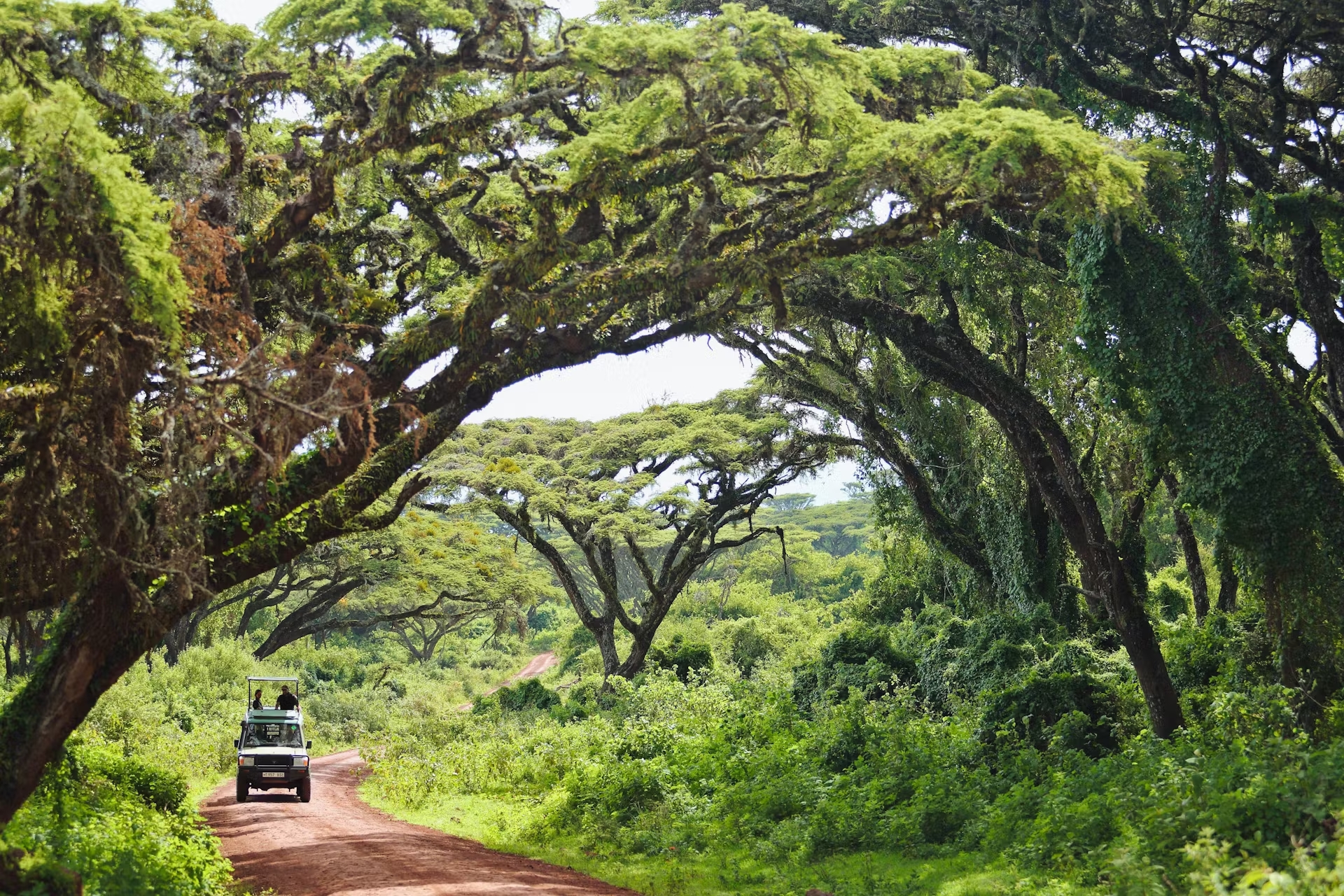
It is relatively small spanning approximately 150 square miles (392sq km), characterized by wide-open savannahs, tangled acacia forests, thorn scrub, swamps, marshlands, and the dried-up bed of Lake Amboseli.
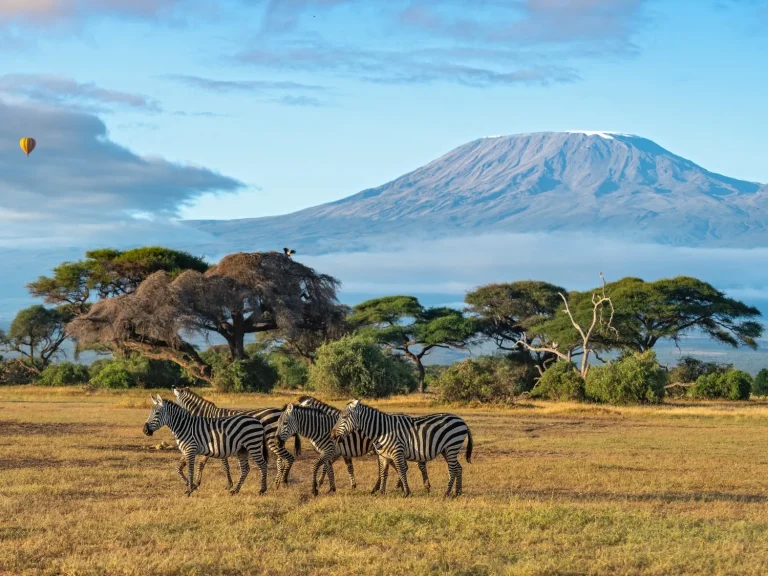
The park offers one of Africa’s best views of Mt Kilimanjaro (5895m), which is visible from across the Tanzanian border. The snow-capped mountain, rising above the southern border, is often shrouded in clouds during the day but typically reveals breathtaking vistas at dawn or dusk.
Its glacial water feeds the park’s unique swamp system, flowing underground, replenishing the swamps and providing a reliable, year-round water source for the park’s various wildlife, even during the dry season.
The diverse habitats which attract large concentrations of wildlife, combined with the backdrop of Mount Kilimanjaro, contribute to the park’s rich biodiversity and make Amboseli a truly unique safari destination and the second most visited park in Kenya after Masai Mara.
Amboseli National Park is famous for its incredible elephant sightings set against the backdrop of Mt. Kilimanjaro (Africa’s highest peak). Large herds of free-ranging elephants, ranging from wise old matriarchs to tiny calves and comprising over 100 individuals, can easily be spotted on the sparsely vegetated landscape.
Furthermore, it is arguably the most photographed wildlife park in Africa, attracting professional and amateur photographers alike who seek unparalleled opportunities to capture the essence of African wildlife.
Did you know?
The name Amboseli is an English corruption of the Maa word Empusel, meaning a salty, dusty place.
Wildlife in Amboseli National Park
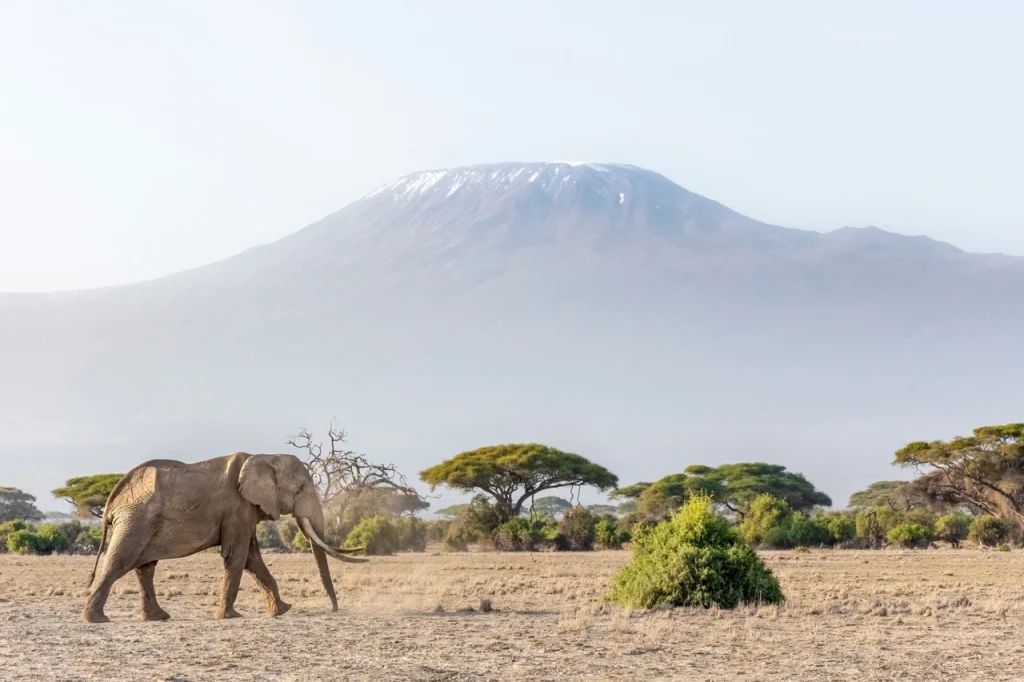
An African elephant walks through the dry plains of Amboseli National Park, with the backdrop of the majestic, snow-capped Mount Kilimanjaro
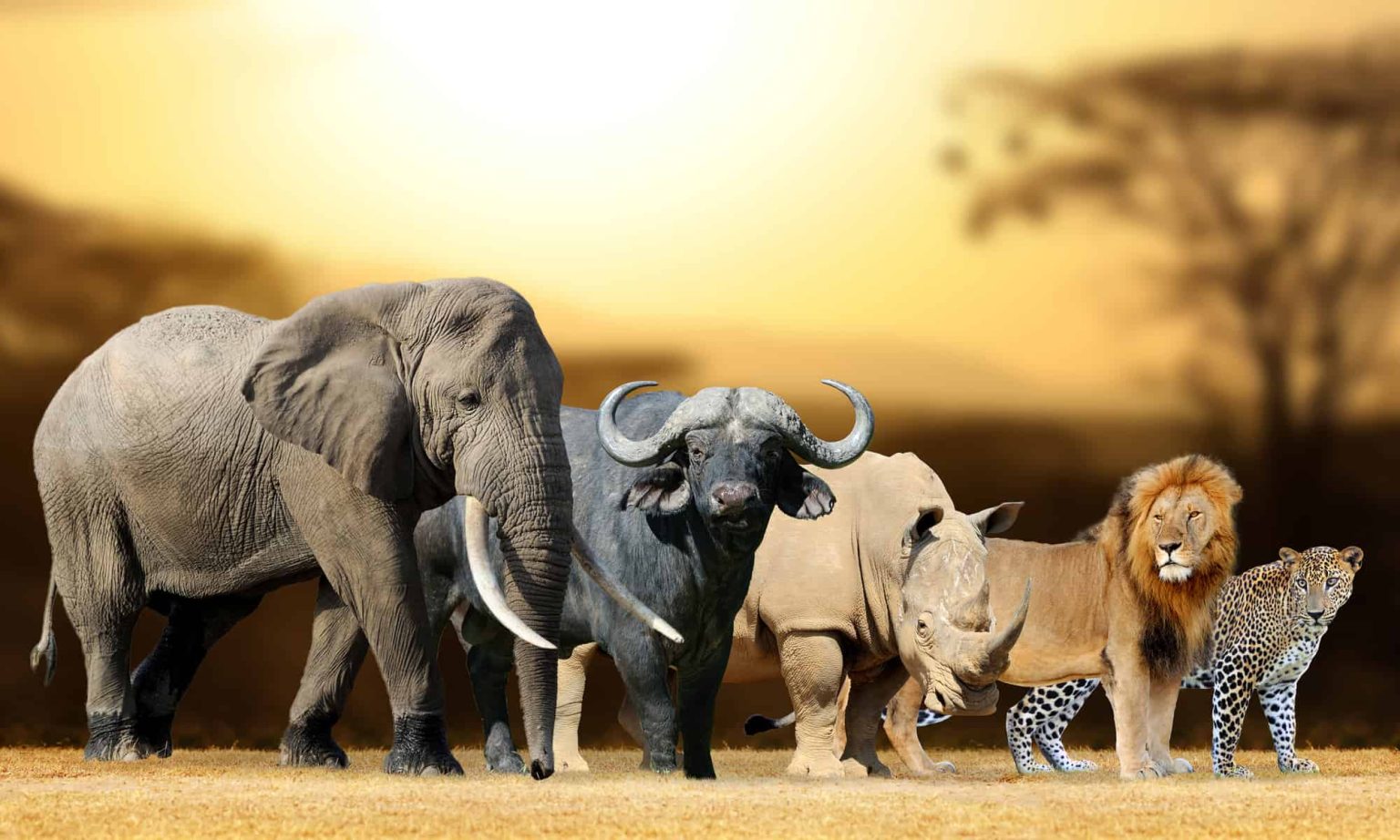
Apart from guaranteed elephant sightings, expect to see buffalos, lions, and leopards roaming the park, accounting for four of the Big Five. Amboseli is also home to a variety of ungulates, including impala, Thomson’s gazelle, resident wildebeest, Grant’s zebra, lesser kudu, and the towering Maasai giraffe.
You’ve a reasonable chance of spotting rarer carnivores like cheetah, bat-eared fox and spotted hyena, although the park is not as famous for its predator sightings as other Kenyan reserves like Masai Mara.
There are over 400 different bird species to look out for in Amboseli, including 47 different types of raptors. The profusion of water birds includes seasonal flamingos, pelicans, and more than 12 species of heron.
Best time to visit Amboseli National Park
Although Amboseli National Park offers a year-round safari experience, the best time to visit is the dry months of July to October, as they offer the best weather conditions for game viewing. The vegetation is sparse, making it easier to spot wildlife since they don’t stray far from water sources.
However, this time of year coincides with the peak season, when the rates are higher and the park can get somewhat busy – so, don’t expect to have the wildlife to yourself. We recommend booking early to secure accommodation.
For a quieter safari experience, consider visiting between January and February after the short rains have dispersed or staying in one of the nearby conservancies to avoid peak crowds. November to May offers the best views of Kilimanjaro, as skies are clear of dust or cloud.
How to get to Amboseli National Park
Most international flights to Kenya land at Jomo Kenyatta International Airport (NBO), 15 km/9 mi southeast of Nairobi. Several airlines (including Airkenya and Safarilink) offer domestic flights from Wilson Airport in Nairobi to Amboseli Airstrip, which takes approximately 40 minutes.
Some lodges in the park also have their own private airstrips. It’s crucial to have your travel documents in order so you book your transfer right in advance.
Driving from Nairobi via Emali takes about 4 hours to reach Amboseli National Park’s Iremito Gate, 215km/134mi southeast of Nairobi. Or, enter through the Kimana Gate, 240km/149mi from Nairobi, which takes about 4½ hours via Emali.
You can also drive to Amboseli from other parks like Tsavo West National Park (via Emali and Mtito Andei), which is approximately 200km/125mi away, and drive time is 3 to 4 hours.
Where to stay in Amboseli National Park
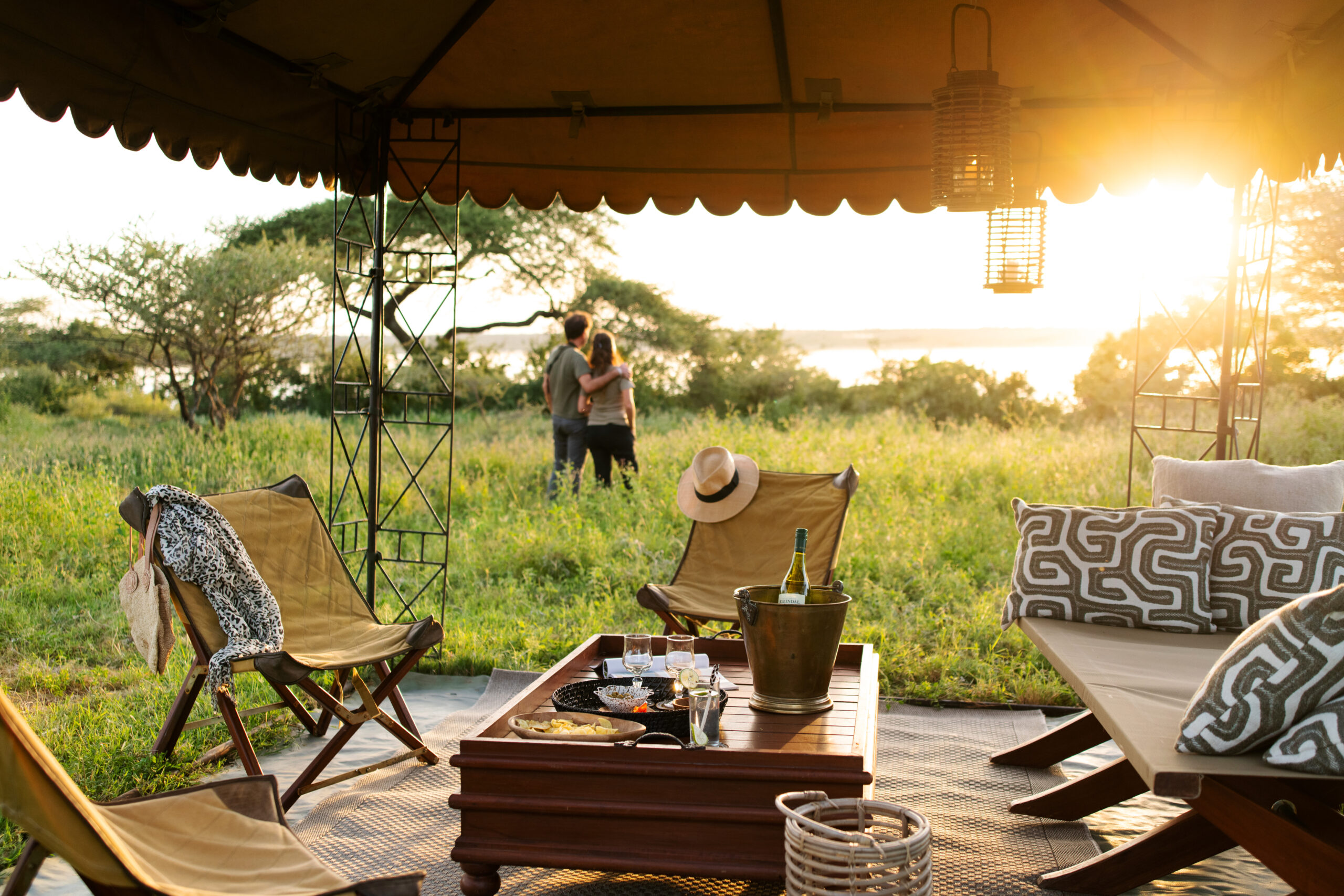
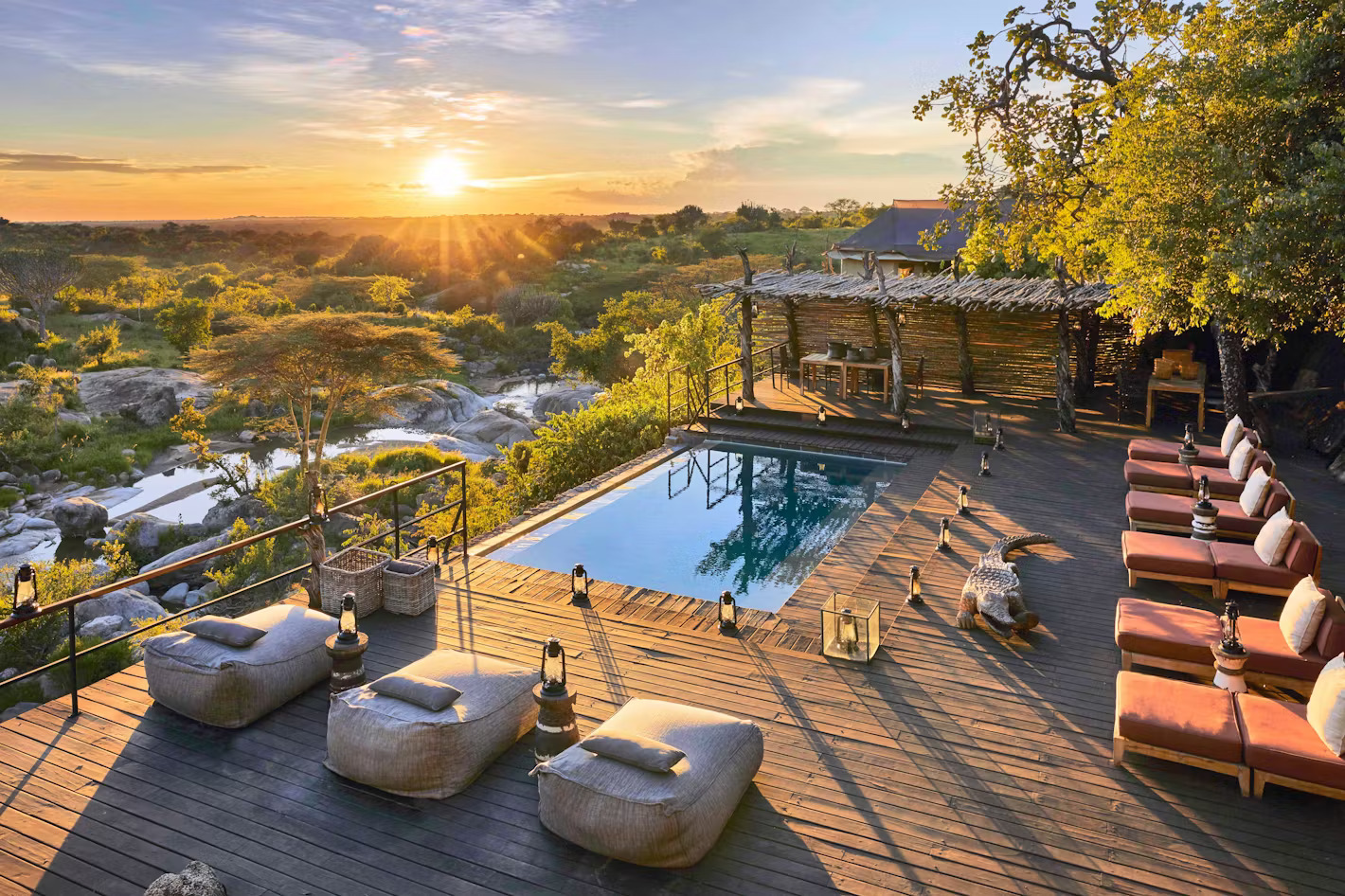
Amboseli offers an excellent array of accommodations ranging from intimate private camps to well-established larger hotel-style lodges.
- The Kenya Wildlife Service offers the self-catering bandas as a more affordable accommodation option. They include Simba Cottages, Chui Cottages, and Kilimanjaro Guest House, where you’ll benefit from a comfortable yet straightforward temporary generator-powered home equipped with a kitchen and living room.
- Amboseli Serena Safari Lodge: The 92-room deluxe lodge influenced by native Masai architecture offers breathtaking views of Mount Kilimanjaro which dominates the horizon, and a range of amenities and activities to ensure a comfortable stay.
- OL Tukai Lodge is one of the more luxurious accommodation options in pristine Amboseli, with beautifully appointed and inviting chalets offering uninterrupted views of the tranquil wilderness or the snow-capped mountain in the distance.
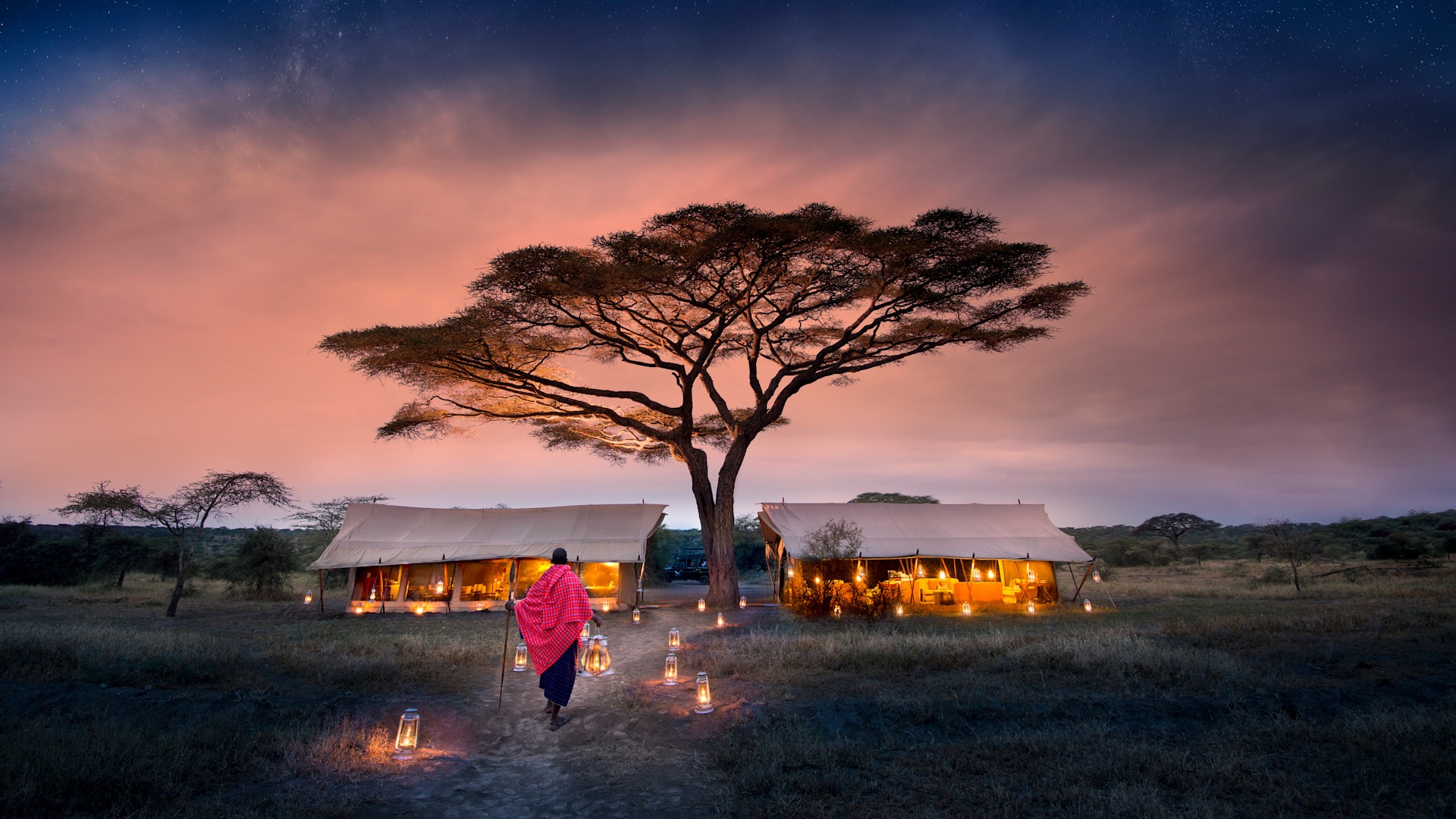
- Porini Amboseli Camp, Tortilis Camp and Tawi Lodge, are eco-friendly camps located in private concessions outside the park. They offer the opportunity to enjoy an authentic and intimate safari experience in Kenya.
Sample Trips
11 DAYS
Ultimate Kenya Safari
Destinations: Nairobi National Park, Amboseli, Masai Mara and Laikipia Plateau
- Embark on a walking and horseback safari through the Laikipia Plateau’s varied landscape

13 DAYS
Days Bush and Beach Kenya Safari Vacation
Destinations: Amboseli, Masai Mara, Laikipia Plateau and Diani Beach
- World-class hospitality and barefoot coastal bliss
