

Lewa Wildlife Conservancy
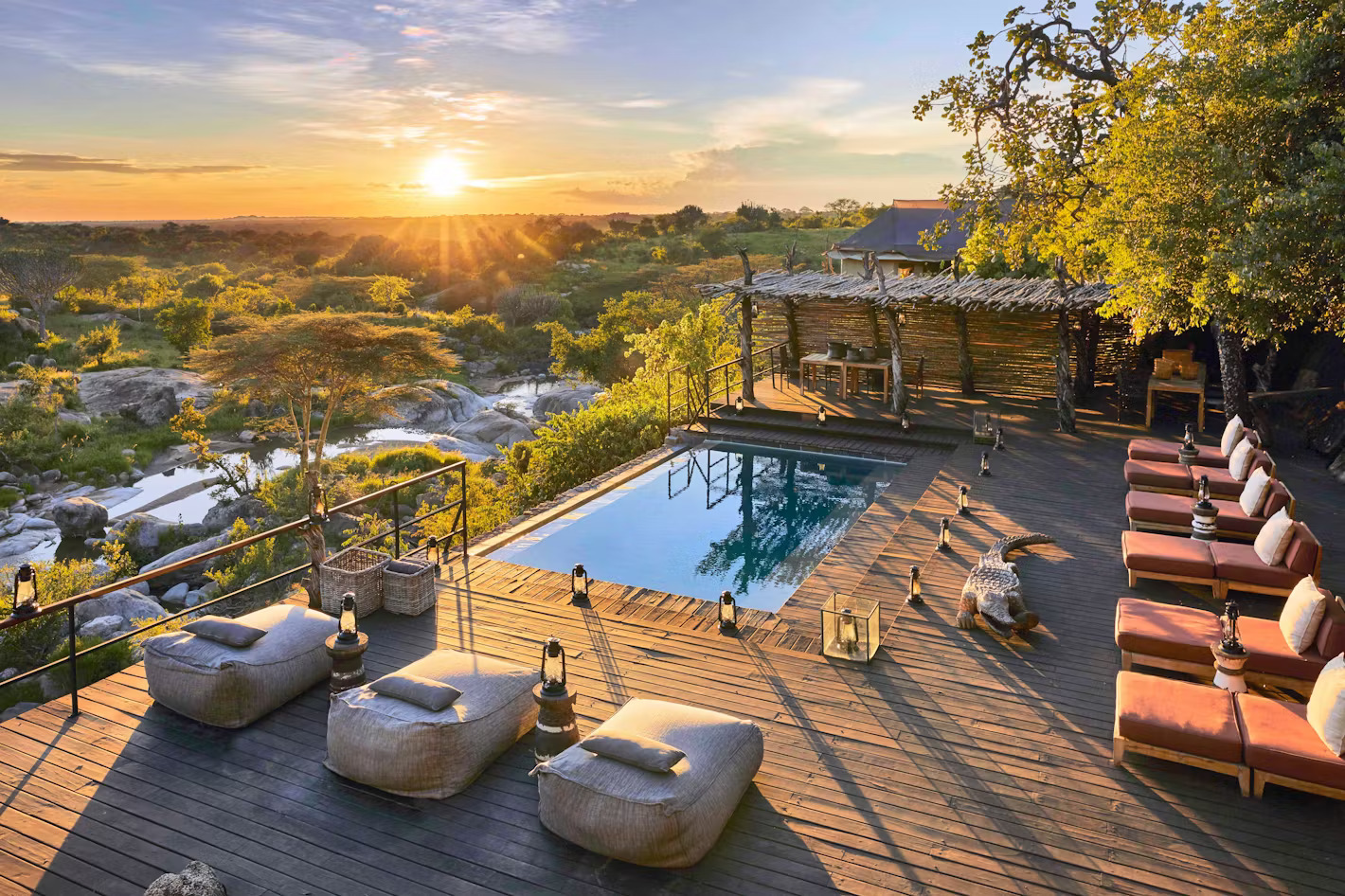
Lewa Wildlife Conservancy, a stunning landscape with a rich history offers a safe haven for some of Kenya’s endangered wildlife. Known for its successful rhino conservation efforts, the conservancy remains a vital force against the ever-present threat of illegal poaching and a pacesetter for restoring endangered species.
Visitors can enjoy exclusive off-the-beaten-track wildlife encounters in a remote setting while experiencing ground-breaking conservation work firsthand, making it a premier destination and a great addition to any Kenya safari bucket list.
Lewa Wildlife Conservancy, at a Glance
Situated at the foot of Mount Kenya on the Laikipia Plateau, Lewa Wildlife Conservancy is a pioneering reserve in northern Kenya and has become a symbol of conservation success. It lies just south of Isiolo, bordering the rugged Samburu and Mathews Range to the north.
Spanning approximately 65,000 acres of pristine wilderness, Lewa’s landscape is spectacular, with the jagged figure of Mount Kenya looming on the horizon just 40 km to the south. Rolling foothills, open savannahs, acacia woodlands, swamps and riverine areas provide a dramatic topography and scenic environment for wildlife and safari activities.
Lewa Wildlife Conservancy represents one of the most successful, pioneering models for wildlife conservation translating into a world-class safari destination where wildlife, people, and conservation thrive together.
Founded in 1995 by the Craig family, it began as a cattle ranch known as Lewa Downs, operating on 250 square miles since 1924. In 1983, 5,000 acres were allocated for a sanctuary particularly to protect the endangered black rhino from poaching. The breeding and conservation programmes proved so successful that by 1995, the entire ranch was dedicated to wildlife conservation.
Today, however, Lewa is a UNESCO World Heritage Site and home to a significant population of wildlife while simultaneously offering one of the most exclusive and personalized safari experiences in East Africa.
Furthermore, it was merged with the neighbouring Borana reserve to form the Lewa–Borana Conservancy, creating one of the most significant migration corridors in northern Kenya. This massive and contiguous protected ecosystem allows free movement of large mammals including elephants between Mount Kenya and the arid northern rangelands (the Samburu ecosystem).
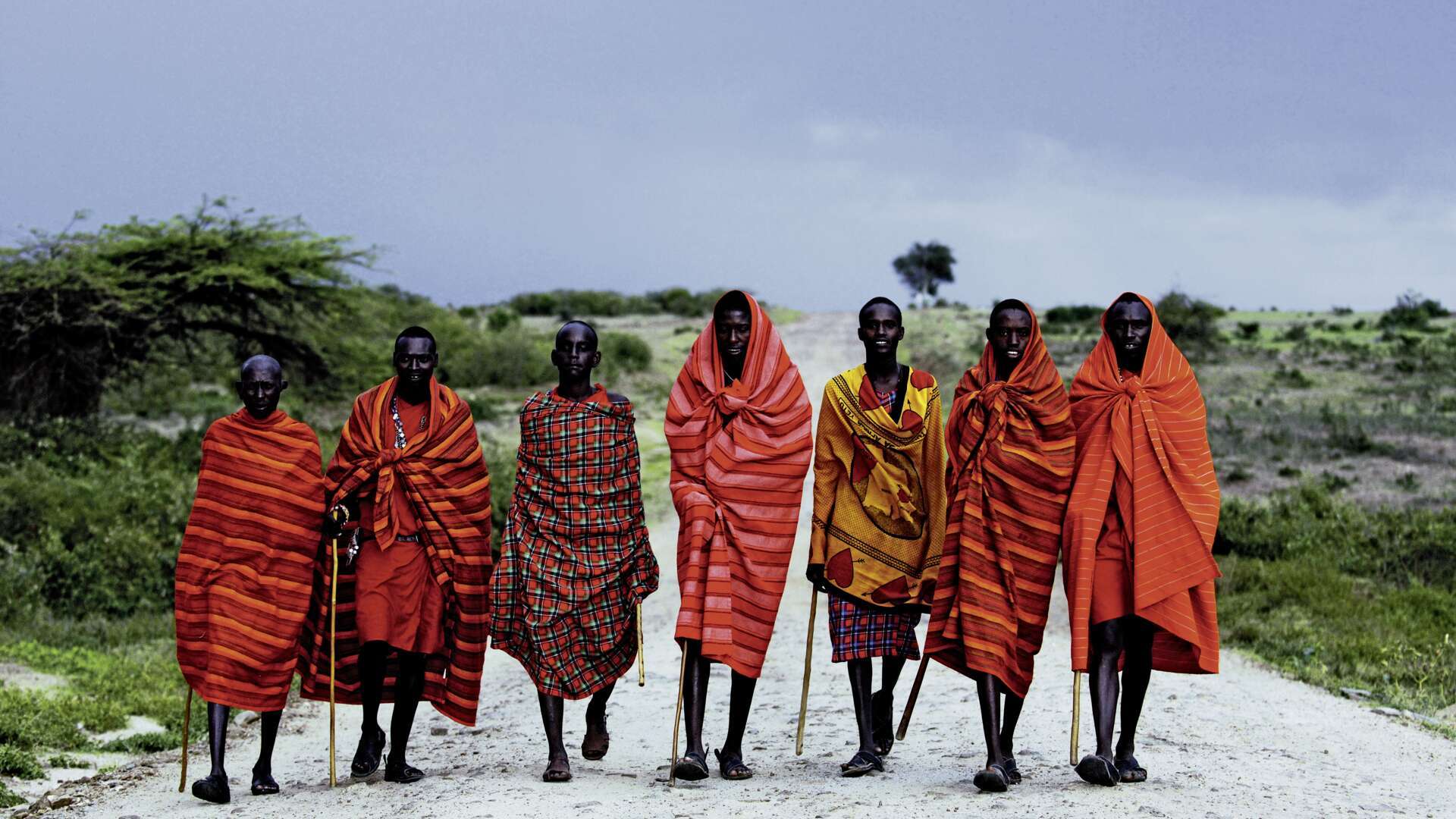
The conservancy is a not-for-profit organization committed to community empowerment, education, and anti-poaching initiatives. It also works closely with local Maasai communities to provide a sustainable safari experience, ensuring a united front for conservation while serving as a model for sustainable tourism across Africa.
Lewa has hosted many famous visitors, including HRH Prince William who proposed to Kate Middleton during a stay here in 2010, gaining global attention. This highlights the conservancy’s serenity, privacy, and timeless natural beauty.
It also hosts the famous annual Lewa Safari Marathon, allowing over 1500 runners to compete alongside the iconic “Big Five” animals, making it one of the most picturesque marathons in the world. The marathon has raised over $8m in its 20-year history, funds meant for conservation and community development.
Wildlife in Lewa Wildlife Conservancy
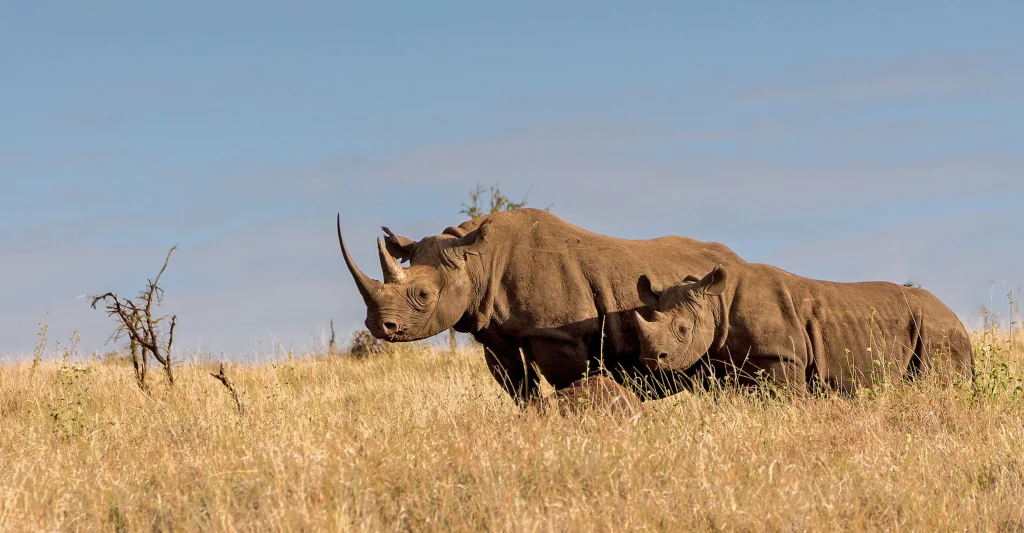
Black rhinos in Lewa
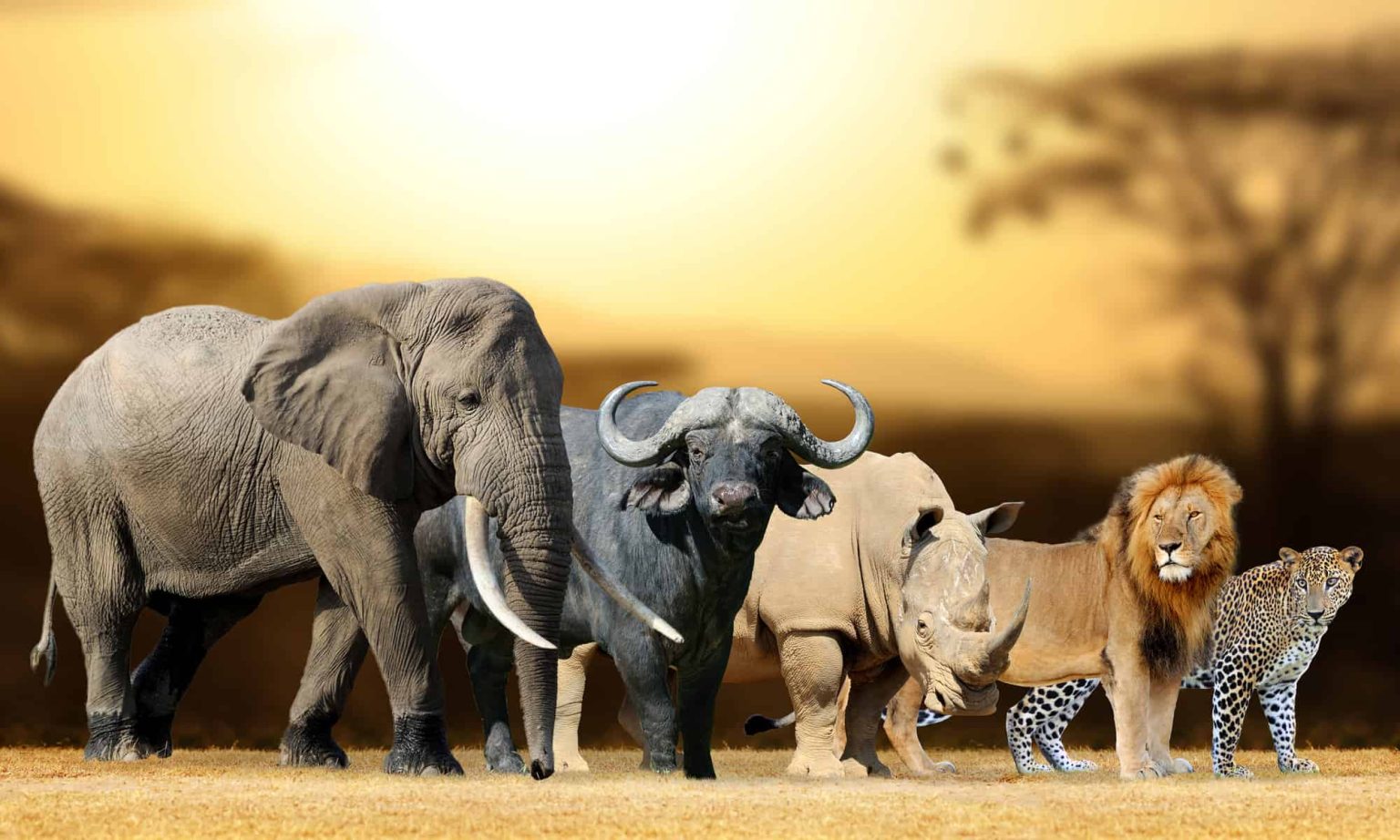
Lewa Wildlife Conservancy boasts an incredible diversity of wildlife. Over 10% of Kenya’s black rhino population and 14% of its white rhinos, alongside thriving populations of elephants, buffaloes, lions, leopards and cheetahs, call Lewa home, making it a superb destination to spot the Big Five.
Other wildlife includes the Grevy’s zebra, reticulated giraffe, and Beisa oryx, which are endemic to northern Kenya. Furthermore, rarer species like the greater kudu, gerenuk, and Sitatunga antelope also add to Lewa’s ecological richness and are a delight for any visitor to see. Packs of African painted dogs occasionally make a fleeting appearance.
The birdlife is prolific with over 400 species for avid birders to look out for, including numerous species of bustards, plovers, coursers, and birds of prey.
Activities in Lewa Wildlife Conservancy
A Lewa safari is unlike any other. Visitors have exclusive access to this wilderness playground, allowing them to witness diverse wildlife, immerse in breathtaking landscapes, and engage in a range of exciting adventure activities including bush breakfasts and sundowners in magical spots.
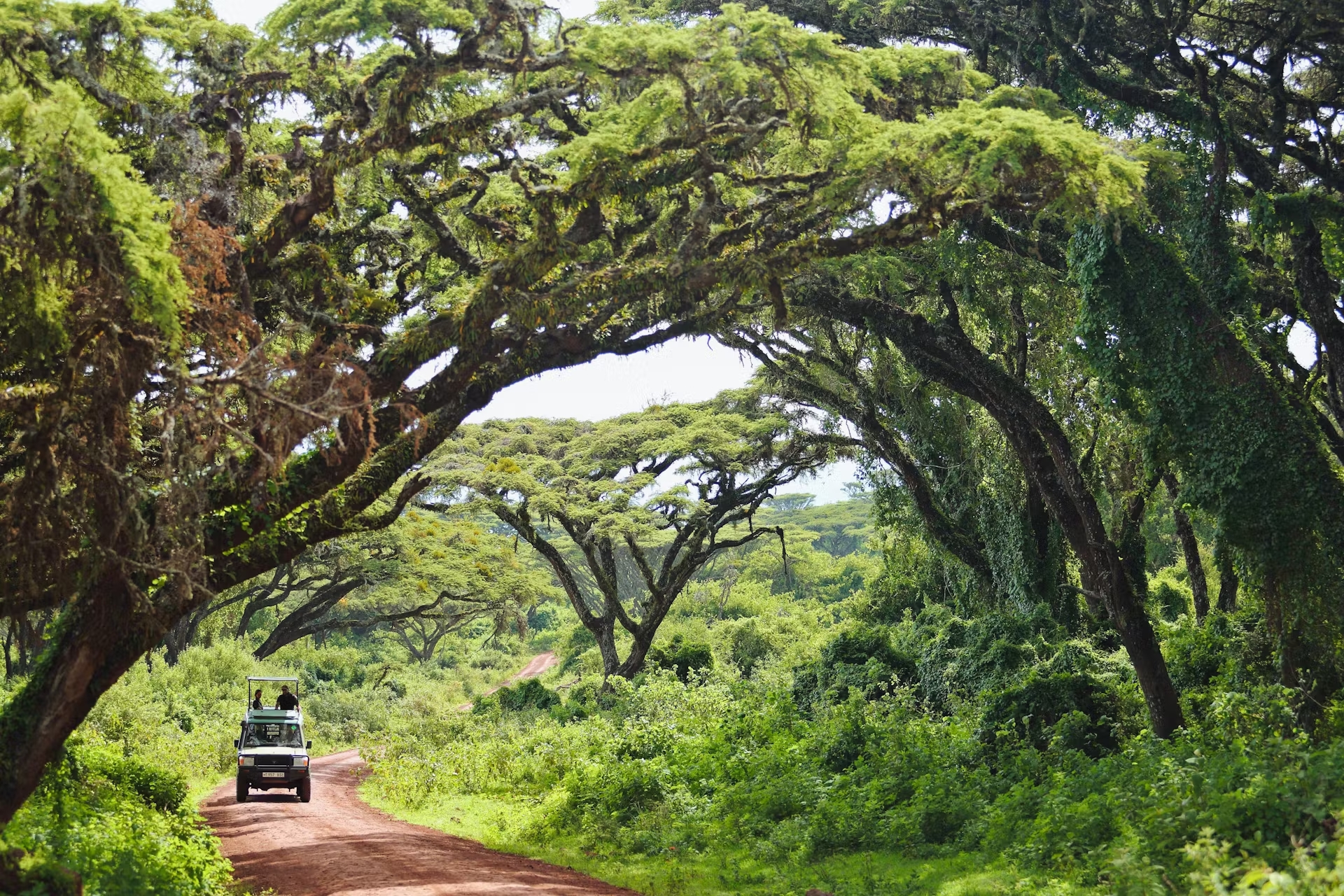
- Classic game drives and night drives reveal the rich variety of Lewa wildlife, including the more elusive residents such as aardvarks, caracals, and bat-eared foxes. However, the real magic lies in the freedom to go far beyond the average game drive.
- Guided walking safaris or bush walks allow you to appreciate the smaller details of the bush against the backdrop of snowcapped Mt. Kenya. You can join the guides tracking the wildlife on foot.
- Horse riding: Riding quietly among zebra and antelope on a horseback safari is exhilarating.
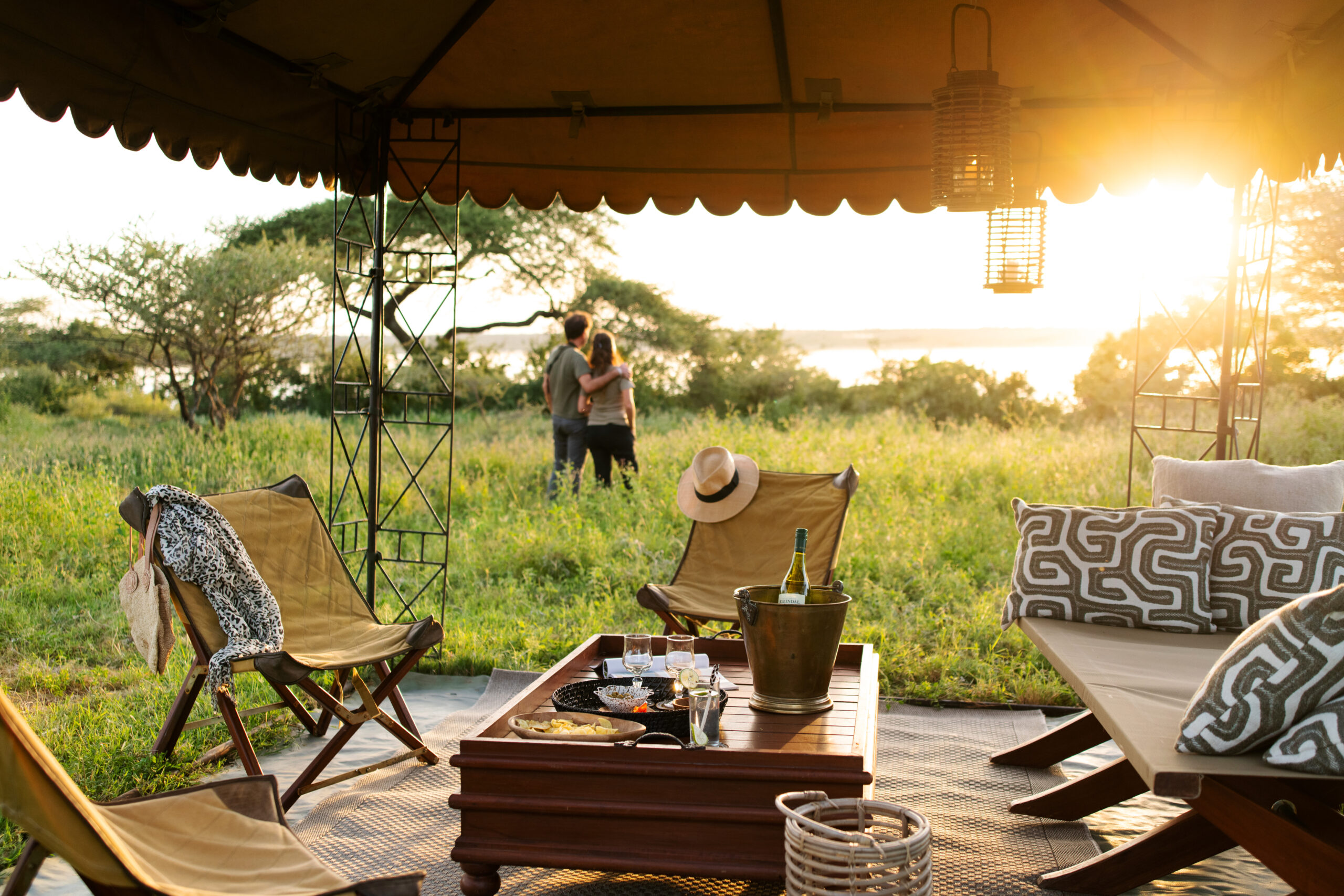
- Enjoy tailored family adventures, while couples will find romance in the seclusion of luxury camps and lodges designed for an unforgettable honeymoon experience.
- Luxury experience: The atmosphere remains down-to-earth – a perfect blend of homely warmth and world-class luxury experience.
- Camel trekking: Rock your way across the landscape on the back of a camel.,
- The more immersive fly camping allows guests to experience a night out under the stars. The lodges will set up a fly camp upon request.
- Cultural or village visits with the Maasai. The 1 to 3-hour visit provide opportunities to learn about traditional Maasai culture and community conservation.
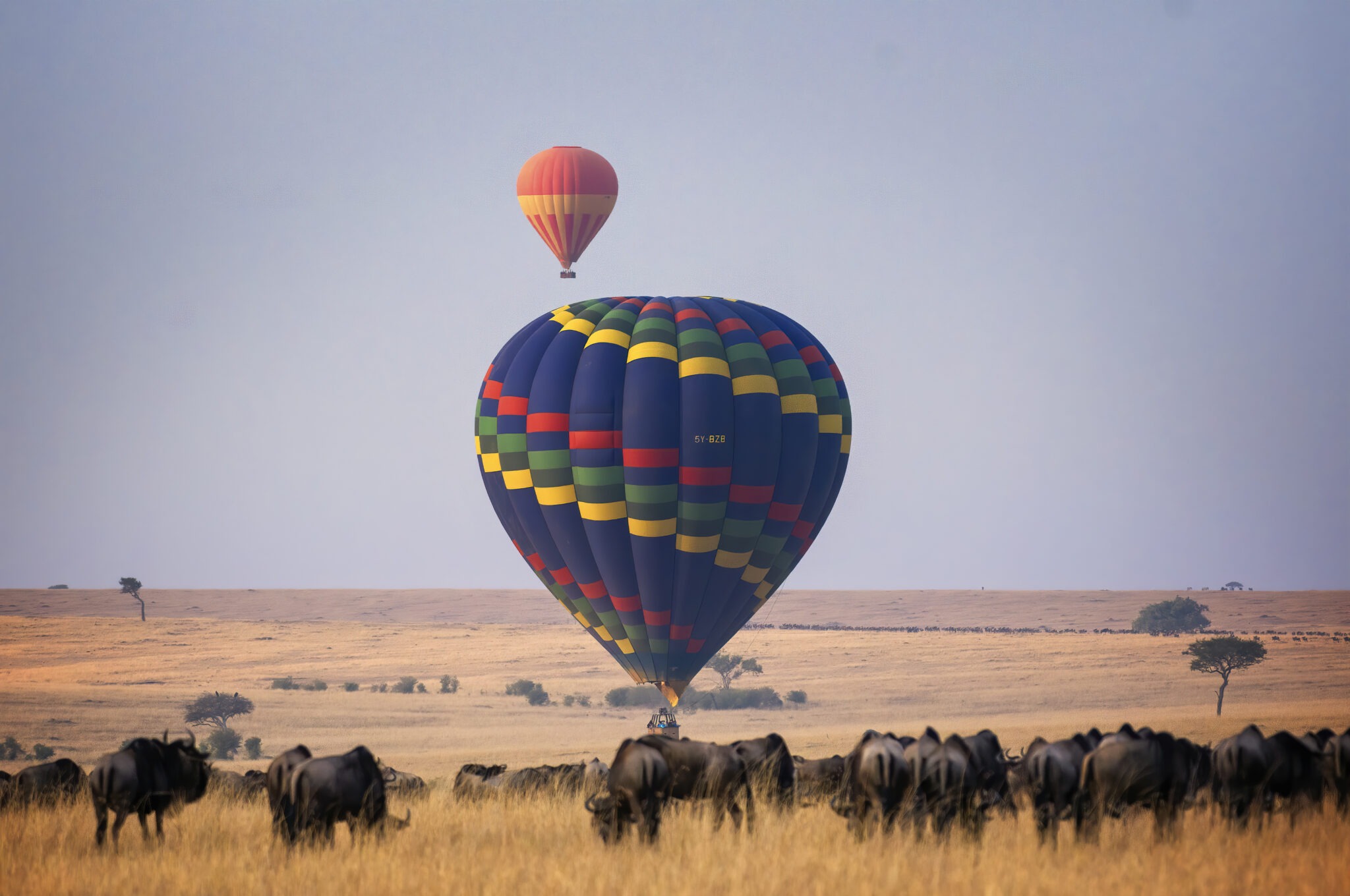
- Enjoy hot air balloon safaris at dawn revealing the beautiful landscape and wildlife below.
- Explore the Ngare Ndare Forest: Lewa is connected to the dense and beautiful Ngare Ndare Forest further afield in the foothills of Mount Kenya.
Best time to visit Lewa Conservancy
The best time to visit Lewa conservancy is during the dry seasons, from June to September and December to March. These months offer excellent wildlife viewing opportunities as animals congregate around permanent water sources, and vegetation is sparse, allowing for high-quality visibility. However, the conservancy still offers exciting experiences any time of year.
How to get to Lewa Conservancy
Lewa is a 4-hour drive north of Nairobi along the Thika Road, passing through the A104 and A2 highways en route to Nyeri and Nanyuki. Although it’s easily accessible by road, most visitors choose to fly from Nairobi’s Wilson Airport which takes roughly 35 minutes to the Lewa Airstrip.
Accommodation in Lewa Conservancy
Lewa features a collection of small, thoughtfully luxurious camps and lodges. Below are some of our favourites, handpicked by our travel specialists.
- Lewa Wilderness: Family run and cared for, this exquisite lodge invites you to be a part of the lives of the Craig family. It combines stunning views with exciting wildlife encounters in the wildlife-rich Lewa wildlife conservancy.
Sample Trips
10 DAYS
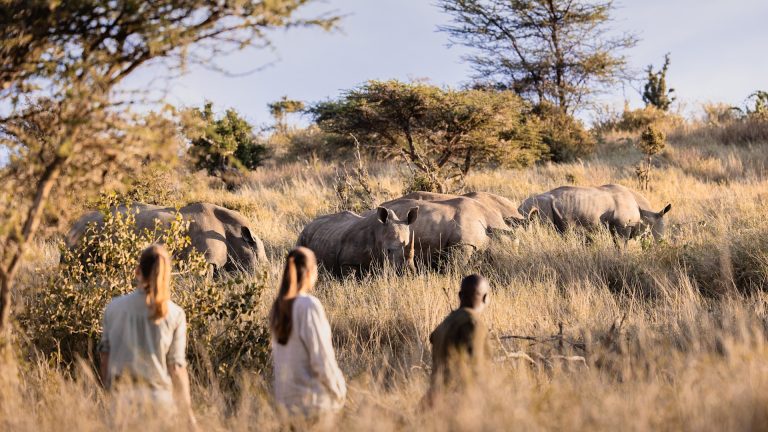
Best of Kenya Safari in Private Conservancies
Destinations: Lewa, Namunyak and Naboisho
- Off-the-beaten-track experiences
- Intimate and exclusive wildlife viewing
10 DAYS
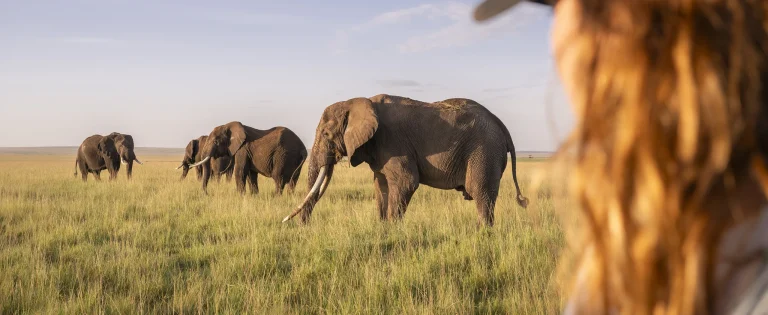
Kenya Wildlife and Beach Safari (Big Five & Wildebeest)
Destinations: Masai Mara and Mombasa
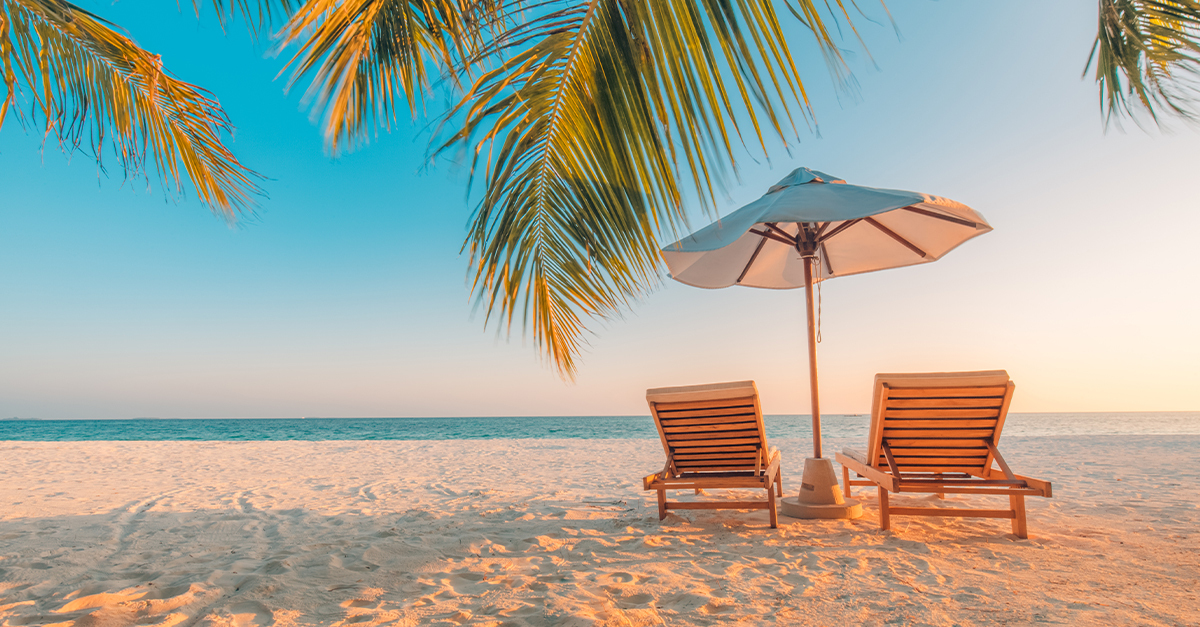
- Witness the wildebeest migration, spot the Big 5 and relax at the coast on a beach experience
