
Where to See the Wildebeest Migration
Where to See the Wildebeest Migration | Best places to see the Wildebeest Migration
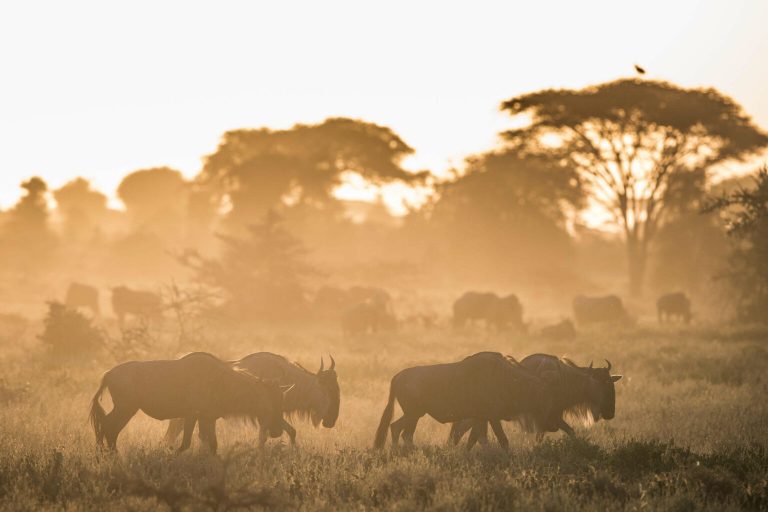
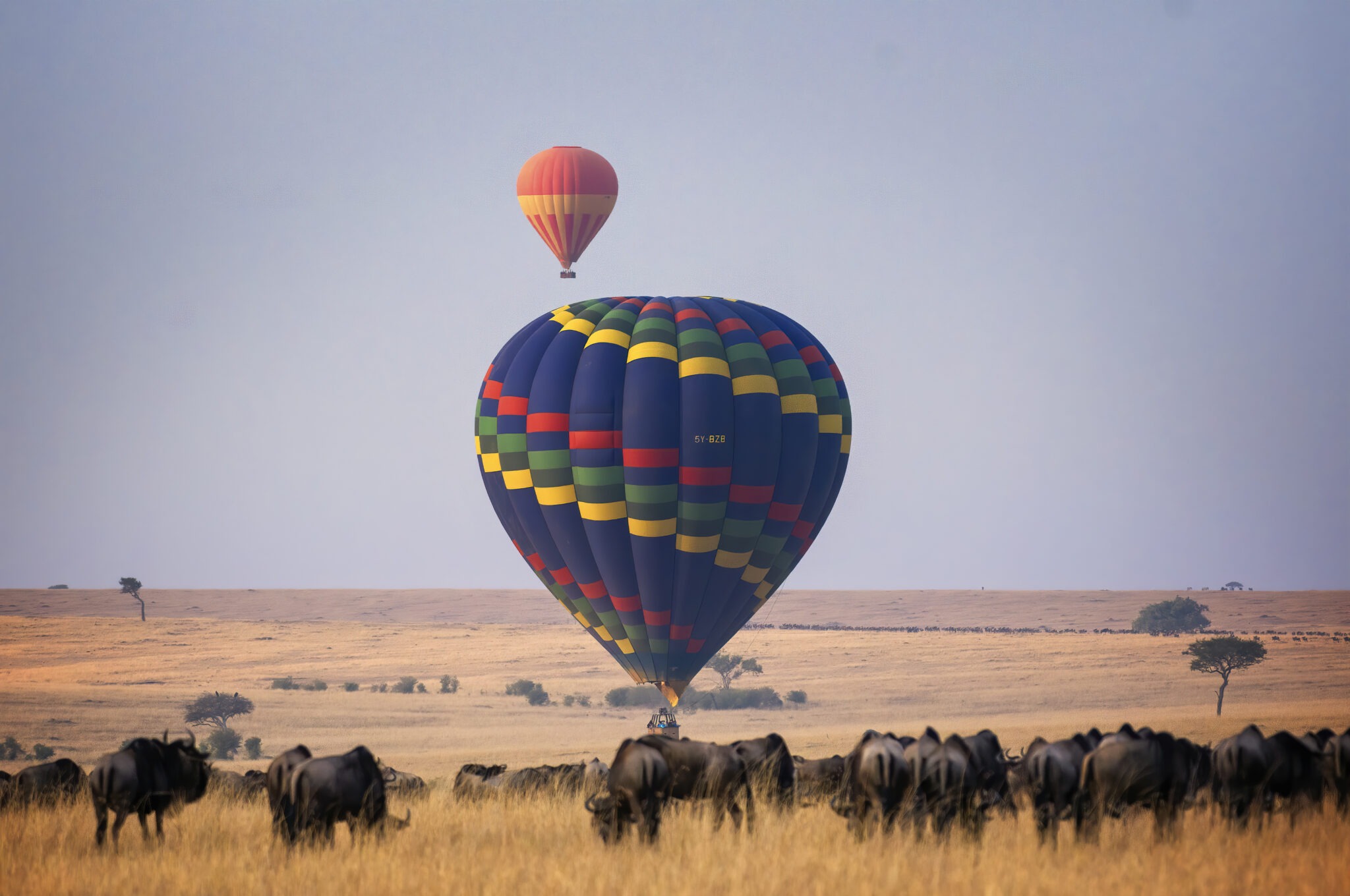
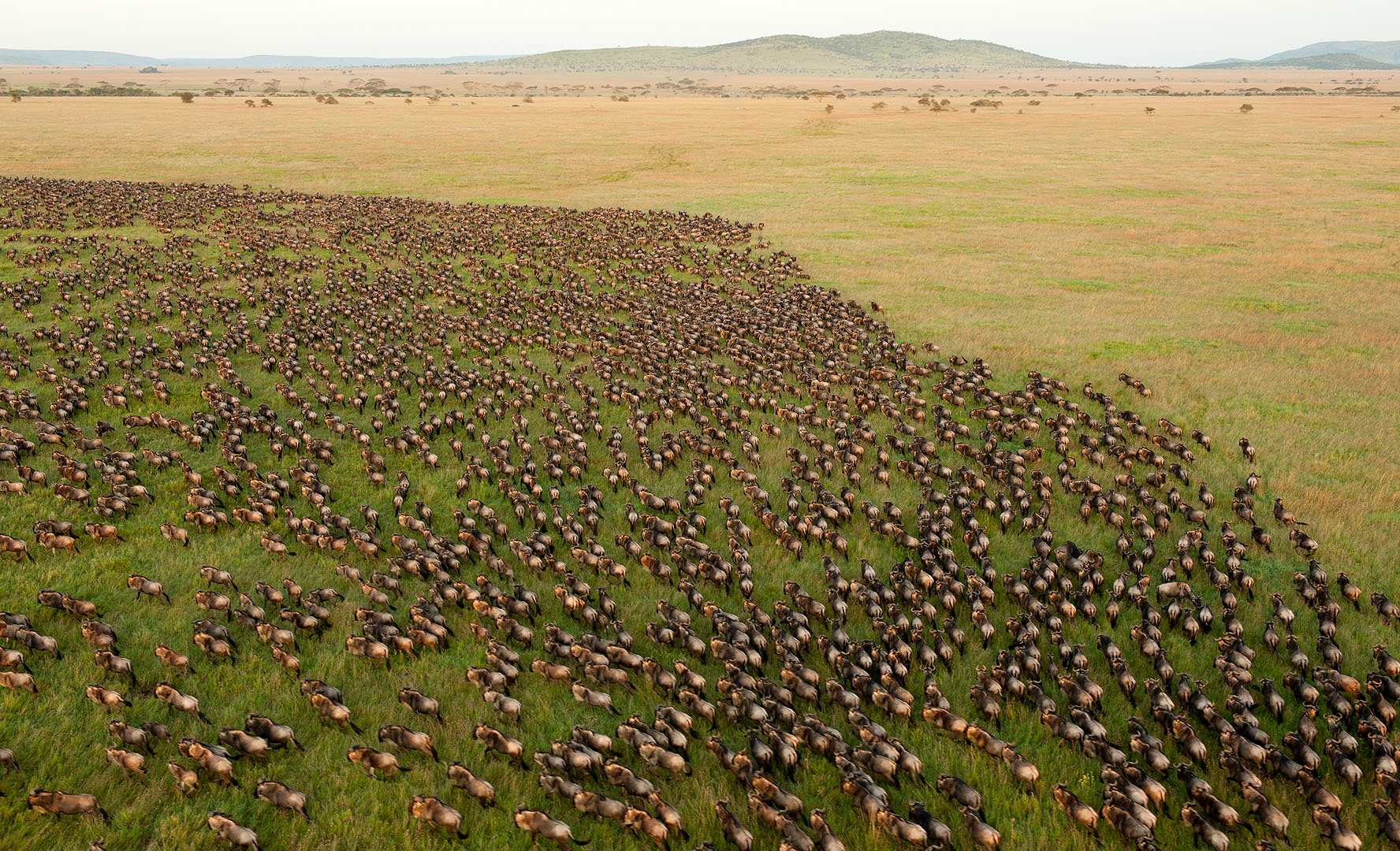
Known as ‘the greatest show on earth’, the wildebeest migration is a natural spectacle that sees roughly two million wildebeest, zebras, Thomson’s gazelles, Grant’s gazelles and other ungulates travel thousands of kilometers in a broadly clockwise direction from Tanzania’s southern Serengeti to Kenya’s Masai Mara every year in search of fresh grass.
Guided by survival instincts and highly developed senses to detect rain from 50km away, the herds traverse the golden Serengeti-Mara landscape while chasing seasonal rains. It’s the November short rains that prompt the wildebeest to leave the dry plains of Masai Mara and northern Serengeti for the calving grounds of southern Serengeti.
In this pursuit, the herds experience the full cycle of life and death, where they must face brutal predators of the savannah and huge Nile crocodiles lying in wait in the murky waters of the Mara and Grumeti Rivers.
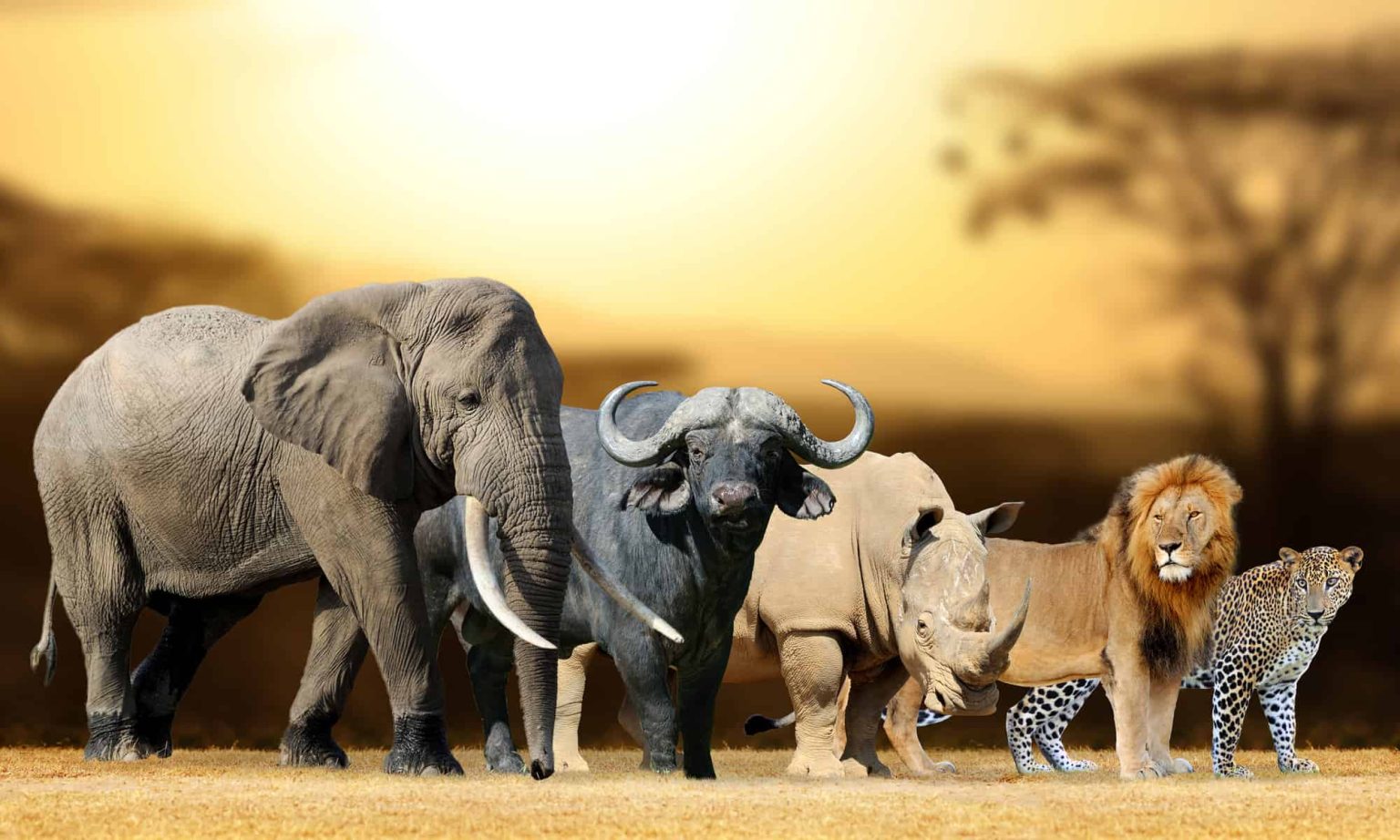
Predators that play a role in the migration include lions, leopards, cheetahs, hyenas, jackals, and African Wild Dogs, while scavengers like vultures & eagles play a massive cleanup role.
It takes a full year for the migration cycle to complete, meaning you have plenty of opportunities to see the herds throughout the year. However, because the animals cover huge distances, certain highlights only occur in particular months or seasons.
- Calving or birthing Season from January to March in Southern Serengeti
- Rutting or breeding Season from April to May in Western & Central Serengeti
- Grumeti River Crossings from late May to June in Central Serengeti
- Mara River Crossings from July to August in Northern Serengeti & Masai Mara
- Transition from Masai Mara & Northern Serengeti to Southern Serengeti from November to January
While the wildebeest migration is a continuous circular movement throughout the year, the events remain unpredictable. No one knows when they will occur. The herds may cross four times in a single day, or they may stay still for two weeks. The migration routes also differ from year to year, making the precise location for a migration safari somewhat tricky to predict. Timing is really important to be in the right place at the right time.
The perilous river crossings are the most sought-after highlights of the wildebeest migration. However, since they are unpredictable, consider seeing them as a bonus, rather than the main focus for your travel.
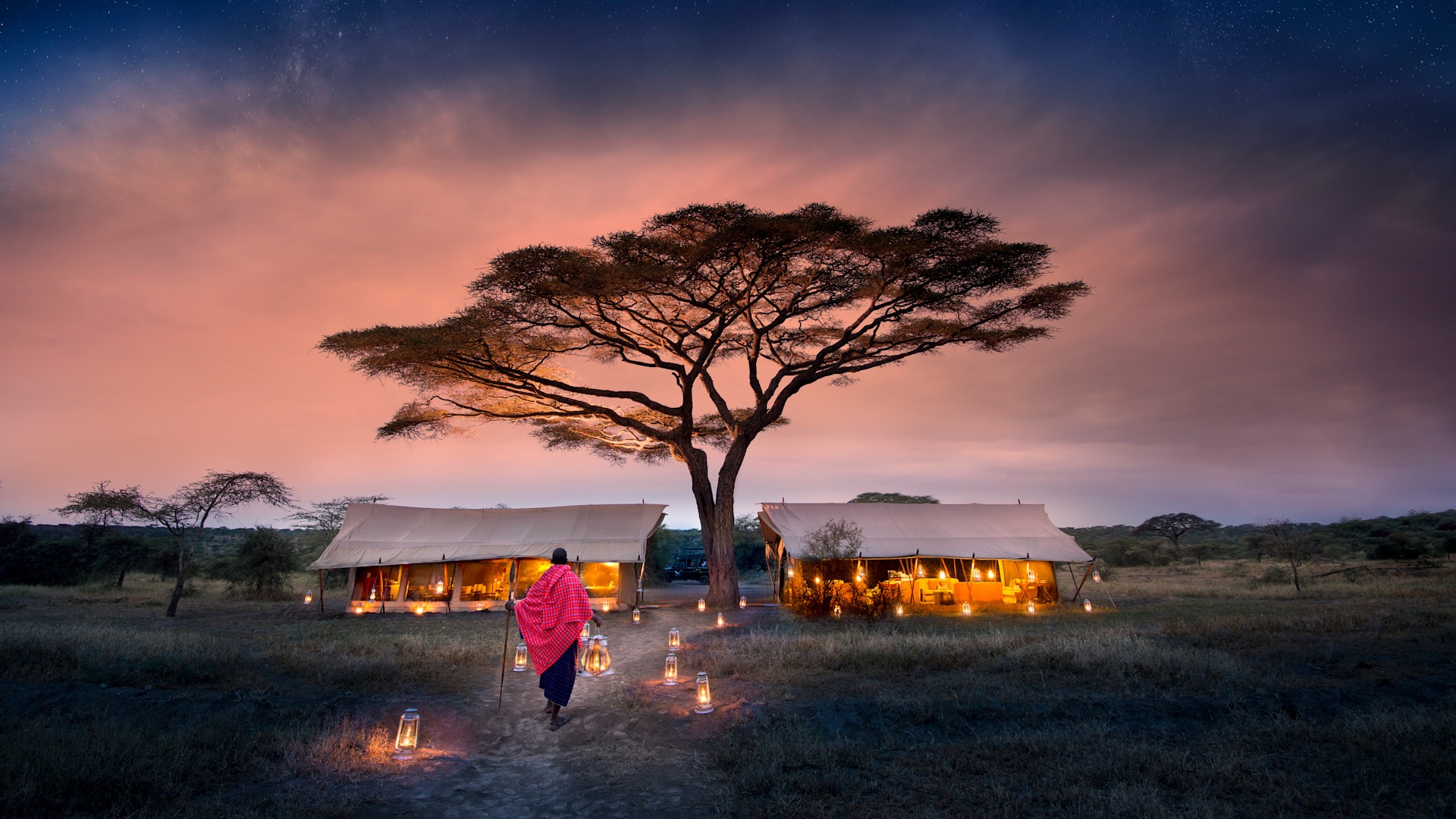
Staying at a mobile safari camp places you at the center of action as these properties are designed to follow the herds and are stationed at prime migration routes each season. If you have the time, aim to stay at two or three migration camps in different locations in the Serengeti or the Mara.
The wildebeest migration is one of Africa’s premier wildlife experiences, drawing visitors year-round to witness this magnificent spectacle. Here are some of the best places to witness the wildebeest migration.
Best Places to See the Wildebeest Migration
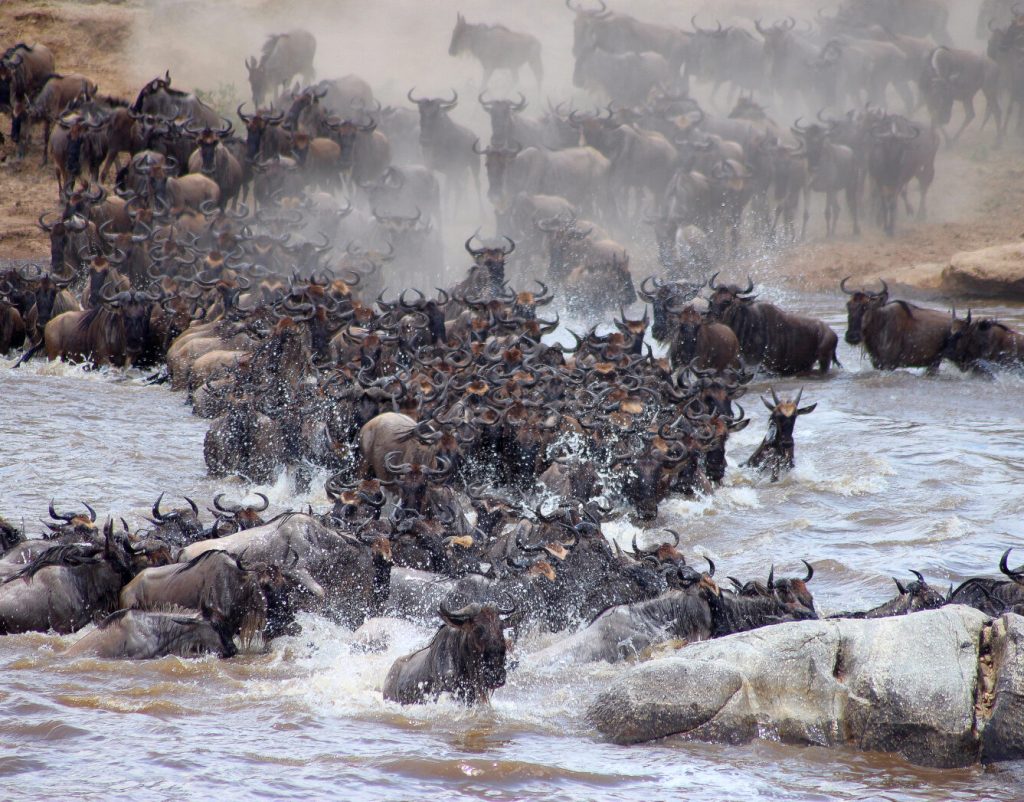
Wildebeest cross the Mara River
1. Masai Mara, Kenya (July to October)
Masai Mara National Reserve forms the northern fringe of the greater Serengeti-Mara ecosystem. It is situated in southwestern Kenya, spanning approximately 1,510 square kilometers (583 square miles). The Reserve is Kenya’s most popular wildlife park characterized by breathtaking vistas, abundant wildlife, and endless plains.
The wildebeest migration typically passes through the Masai Mara between June and October, making it one of the best places to witness this thrilling natural occurrence. The Mara River runs through the centre of the reserve, and is a prime river crossing territory—the most coveted highlight of the migration.
2. Northern Serengeti & the Mara River (July to October)
Straddling Tanzania and Kenya, the Northern Serengeti and the Mara River are known for delivering one of the Great Wildebeest Migration’s dramatic stages – the iconic Mara River crossings. The Kogatende area in particular is the most prime location where vast herds brave crocodile-infested waters between July and October with August typically the peak month.
The herds continue north through the Ikorongo Game Reserve en route to the Kogatende and Lamai areas, on the banks of the Mara River. The area also provides one of the best year-round predator viewing opportunities as there is a permanent pride of lions, as well as leopards and cheetahs.
3. Central Serengeti & the western corridor (April to June)
The wildebeest consume the southern plains and the ‘long rains’ begin in April, triggering their movement northwestwards. Some split out into the central Serengeti and eventually, into the ‘Western Corridor.’
The Seronera River valley, with its permanent water source (Seronera River) at the heart of the park, draws both migrating herds and resident predators due to its diverse habitats and stable water supply. After reaching the western corridor, the herds eventually meet their first major hurdle on their long trek north—the Grumeti River.
4. Southern Serengeti & Ndutu (December to March)
Best known for the calving season, the remote southern Serengeti borders the Ndutu Plains in the Ngorongoro Conservation Area and the Maswa Game Reserve to the southwest. It is an expansive area of open savanna dotted with acacia, creating a perfect space for the herds to congregate on the short-grass to give birth.
Roughly half a million calves are born within a few weeks (about 8,000 per day), drawing predators in high numbers and making the calving season one of the most dramatic stages of the wildebeest migration in Africa. Beyond the migration, the Ndutu plains provide excellent year-round wildlife viewing opportunities.
5. Eastern Serengeti & Gol Kopjes: Big Cat Central
After the short rains return in the southern Serengeti from November to December, the herds are prompted to make a southward trek (return journey) through the eastern Serengeti to complete the cycle and begin anew.
The eastern landscape features savanna grasslands, punctuated by acacia woodlands and rocky outcrops – the most popular of which is Gol Kopjes. This is one of the best places to see big cats chasing down their prey. The herds disperse and pass through the Loliondo and Lobo areas.
Sample wildebeest migration safaris