




Ngorongoro Crater
Ngorongoro Crater . Ngorongoro Conservation Area . Tanzania Safaris
Often referred to as the ‘Garden of Eden’, the Ngorongoro Crater is a breathtakingly beautiful place and a bucket list destination for any Tanzania safari. Visiting this iconic natural wander is an experience of a lifetime.
The Ngorongoro Crater, at a Glance
The Ngorongoro Crater is the world’s largest intact, unflooded volcanic caldera where open lush green plains, forests, wildflowers and water sources exist within a single basin.
Located in northern Tanzania 180 km (110 miles) west of Arusha, within the Ngorongoro Conservation Area, the 600-meter-deep (2,000 ft) basin spreads over about 260 square kilometers.
A Geological Landmark
The Ngorongoro Crater was formed 2.5 million years ago when a large volcano the size of Mount Kilimanjaro collapsed in on itself. Today, its steep walls rise 2,000 metres above the crater floor, creating a steep natural enclosure where different habitats and species thrive.
Over the years, the crater’s highly fertile volcanic soil and year-round water supply have attracted one of the highest concentrations of wildlife in Africa. Roughly 25,000 animals, including the “Big Five” and the endangered black rhino find shelter here and they can be seen as soon as you arrive or as you move across the landscape below. This makes Ngorongoro a truly stunning site and a premier bucket list destination.
The Wider Ngorongoro Conservation Area
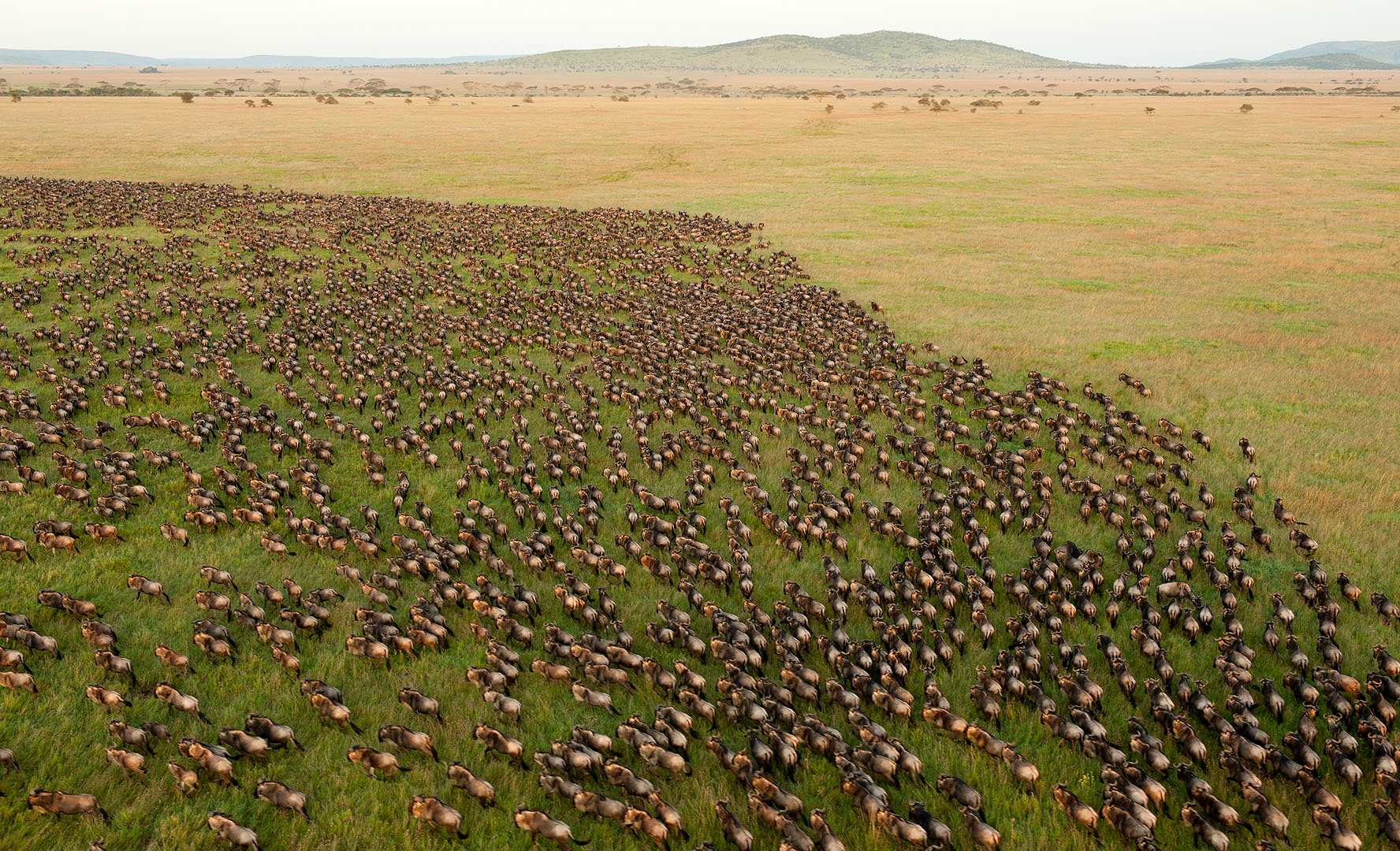
The ancient caldera remains a significant landmark for human history, as well as an essential habitat safeguarding animal diversity and several globally threatened species. The vast plains surrounding it which connect to the Serengeti ecosystem and surrounding volcanic highlands form part of the route of the Great Migration.
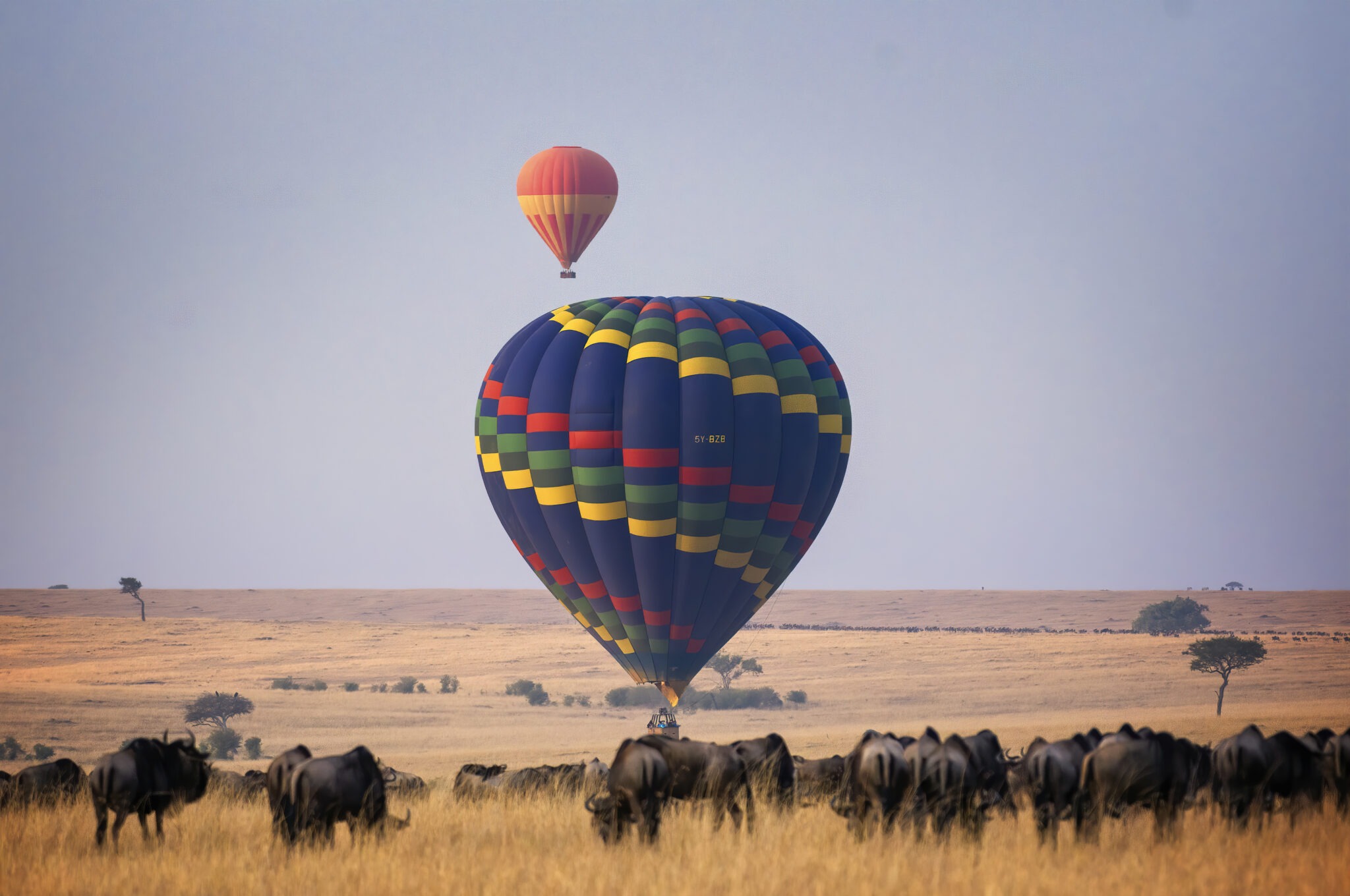
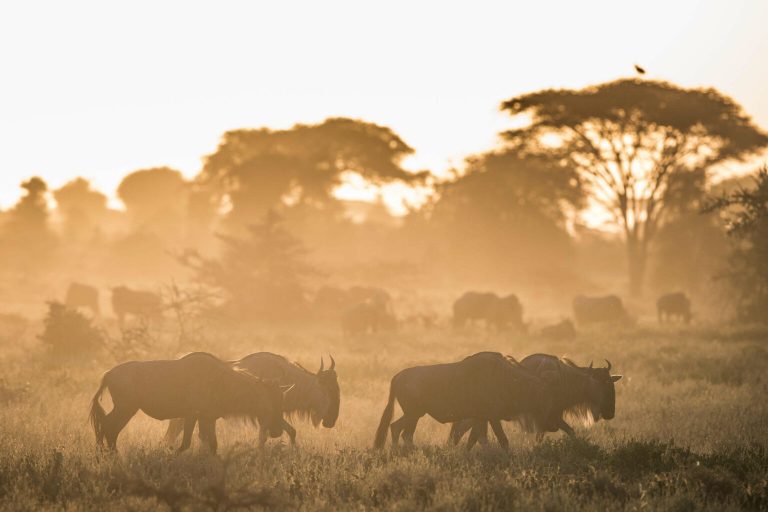
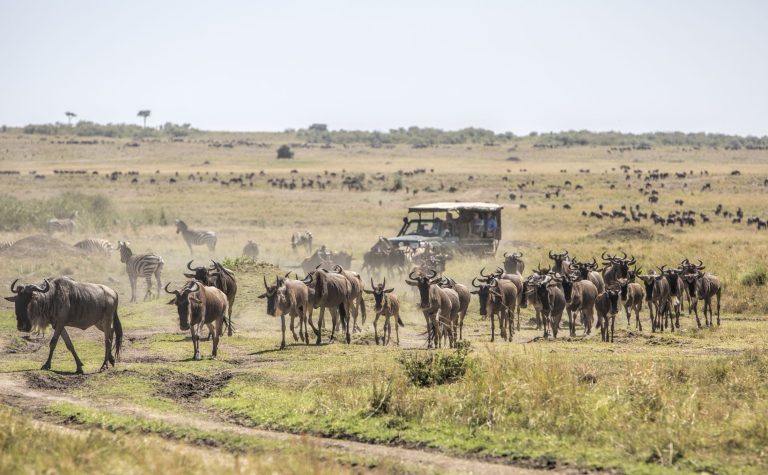
The massive herds traverse the wider Ngorongoro Conservation Area, around the fertile Ndutu plains; though, they do not descend into the actual crater. They gather here between December and March during the short rains to graze on the nutritious grass and give birth. Once the rains end, they move northwest through the Serengeti to find fresh grazing.
Scenery
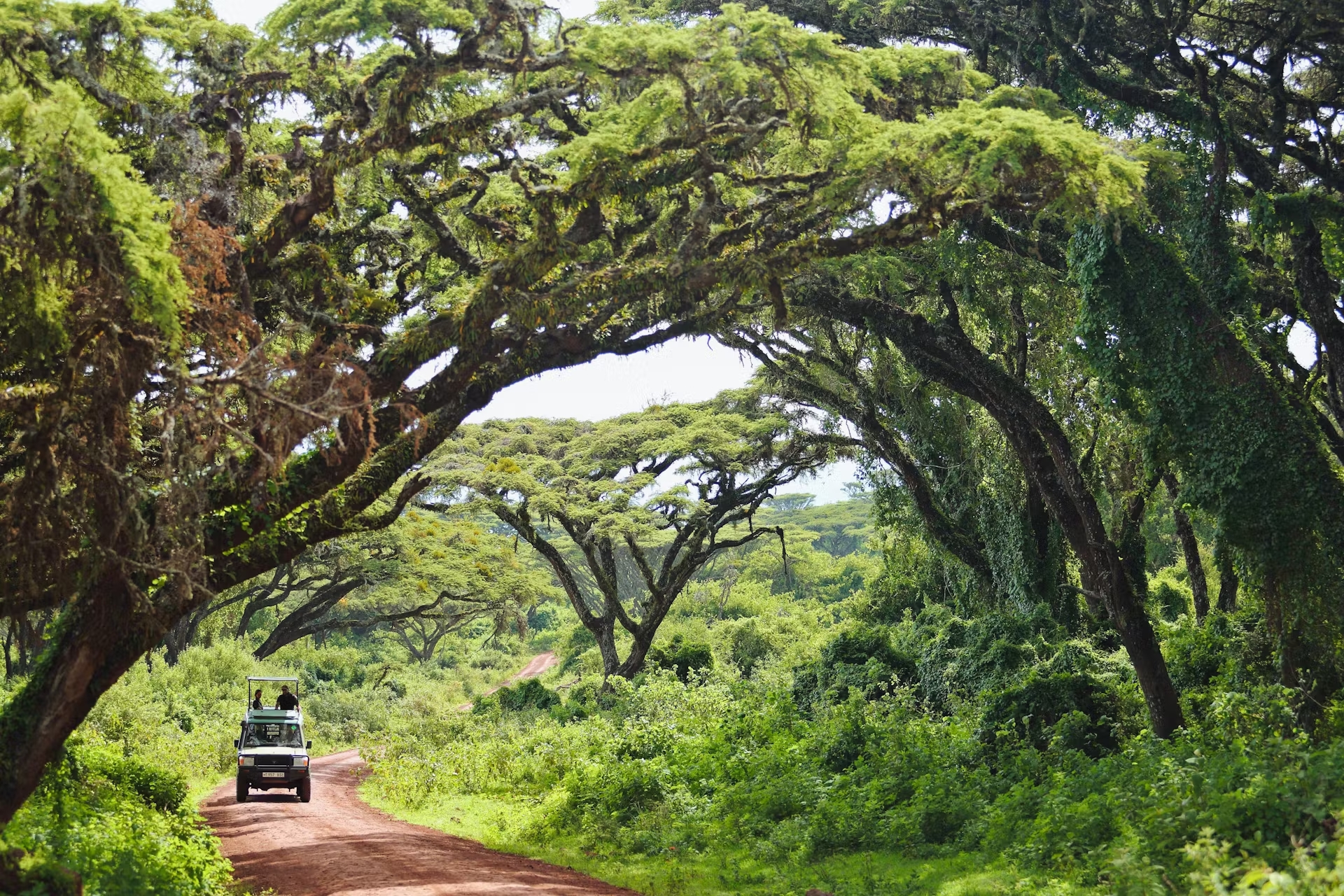
The Ngorongoro Crater is a peculiar geographical feature characterized by grasslands, swamps, rivers, and woodlands. The forested crater rim offers a stark contrast to the grassland and marsh on the crater floor, where saline Lake Magadi is home to large flocks of pink-hued flamingos. These distinct habitats form a landscape uniquely abundant in wildlife and vegetation.
Wildlife in the Ngorongoro Crater
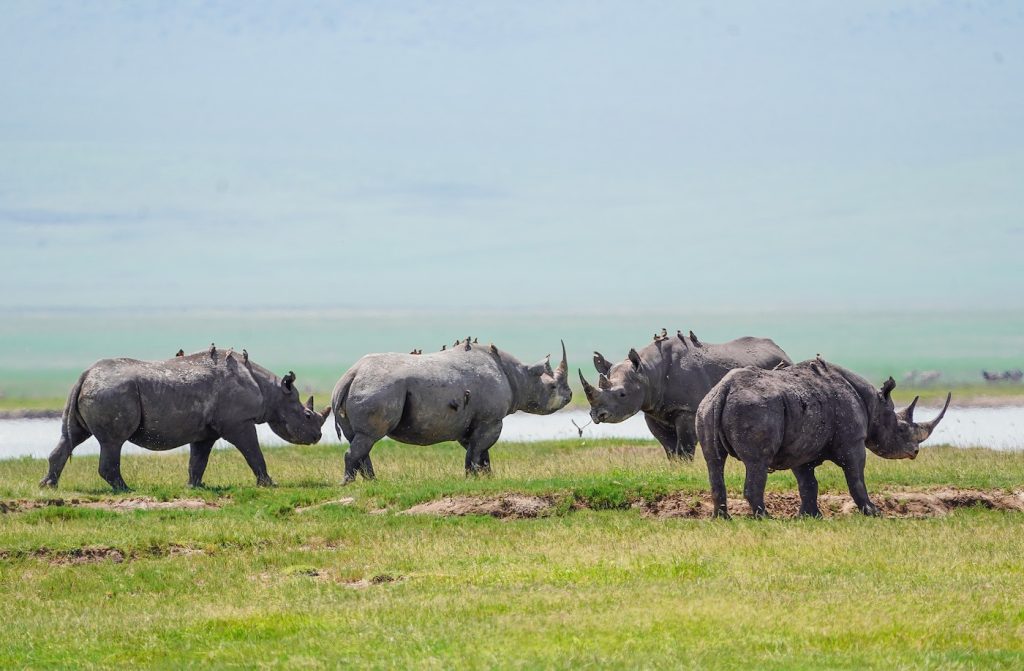
Black rhinos in the Ngorongoro Crater
The Ngorongoro Crater is home to a rich diversity of wildlife. It is one of the few places in Africa that offers excellent chances of spotting the Big 5 (elephant, buffalo, rhino, lion and leopard) within a single, compact area. The main predators are lion and spotted hyena as well as leopard.
Rhinos are more difficult to spot elsewhere in Tanzania, making the resident population of the critically endangered black rhinos a major attraction. Wildebeest, zebra, eland and gazelle are also present and herds can be seen grazing in the open, often within view of predators resting nearby.
The crater is an incredible avian paradise with over 500 species recorded but the most striking are the pink flamingos, which often mottle the waters of Lake Magadi.
Activities in the Ngorongoro Crater
Wildlife Viewing
Now inactive and teeming with wildlife, the Ngorongoro crater is a playground that offers some of the best wildlife viewing in Africa. Visitors can enjoy game drives and spot the Big Five in the continent’s most dramatic setting. This concentration of wildlife, combined with varied habitats, creates one of the continent’s most rewarding safari experiences.
Our safari specialists have been here on safari and in the wider Conservation Area. Using their first-hand experiences, they can help curate the perfect itinerary for you incorporating the crater and the surrounding regions.
Other Activities:
- Take a day trip to the beautiful and hiker-friendly Empakaai and Olmoti Craters.
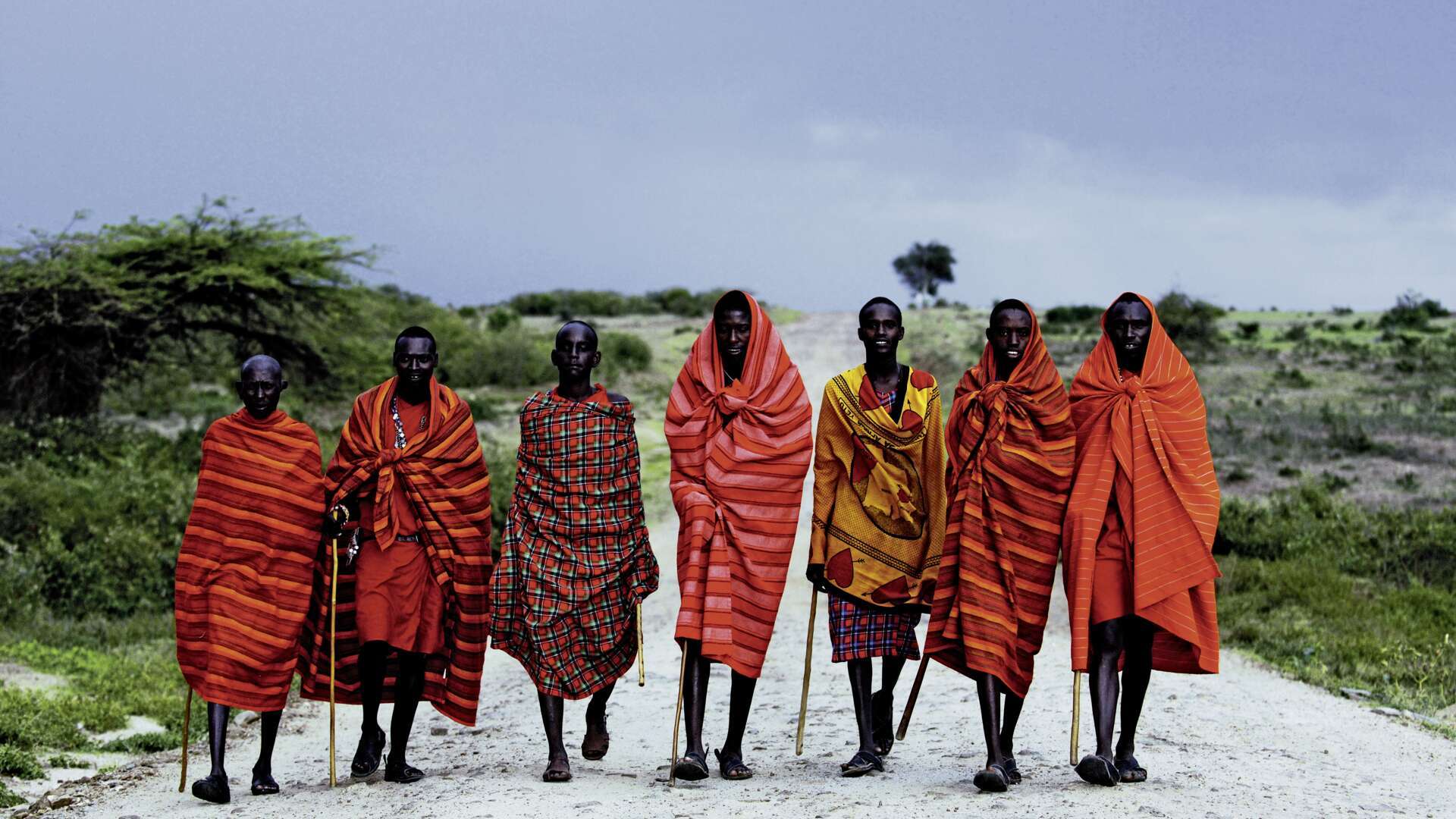
- Learn more about the local culture by visiting one of several Maasai villages within the Ngorongoro Conservation Area.
- The Olduvai (Oldupai) Gorge lies about 45 km (28 miles) northwest of the Ngorongoro Crater floor. It is a natural stopping point for travelers and a great place to gain deeper insight into the wealth of hominid fossils discovered in the area.
For those planning an unforgettable Tanzania safari, Ngorongoro is without a doubt a true highlight, bringing together wildlife, landscapes and cultural heritage within a single, accessible destination.
Sample Trips
9 DAYS
Tanzania Safari
Destinations: Lake Manyara, Ngorongoro and Serengeti
- Excellent wildlife viewing including Big Five and Wildebeest migration
11 DAYS
Tanzania Migration and Zanzibar Safari
Destinations: Tanzania
- Excellent wildlife viewing including the Big Five and wildebeest migration
