


Serengeti-Mara Ecosystem
The Greater Serengeti-Mara Ecosystem is a vast, complex and interconnected wilderness area in East Africa, particularly in Tanzania and Kenya. Its incredibly diverse habitats and its role as the stage of the Great Wildebeest Migration make it one of the most intriguing, protected ecosystems on earth.
Understanding the intricacies of how the Serengeti-Mara ecosystem works reveals the delicate balance between biodiversity preservation (one of the planet’s greatest wildlife spectacles), climate regulation, and the economic livelihoods of the surrounding communities. Here’s what you need to know.
Location, Geography and Core Areas of the Serengeti-Mara Ecosystem
The Serengeti-Mara ecosystem is a 30,000 to 40,000 square kilometers (12,000 to 15,000 square miles) transboundary wilderness spanning across northern Tanzania and southwestern Kenya. It forms one of the largest ecosystems on earth encompassing several protected areas including:
1. Serengeti National Park
The Serengeti National Park in Northern Tanzania spans approximately 14,763 square kilometers (about 5,700 square miles). It is under the management of the parastatal body called TANAPA – Tanzania National Parks.
2. Masai Mara National Reserve
The Masai Mara National Reserve in Southwestern Kenya spans approximately 1,510 sq km (about 583 square miles). It is managed and run through a split system;
- The Narok County Government directly administers, operates, and manages the main and most frequently visited eastern section of the reserve (east of the Mara River). It encompasses the vast majority of the reserve including the Sekenani and Talek gates.
- The Mara Conservancy, a non-profit organization, in conjunction with Narok County Government administers and co-manages the remote, western portion of the Mara (west of the Mara River), also known as the Mara Triangle.
- Mara conservancies are community-owned and privately managed areas of land surrounding buffer zones and wildlife conservancies, including Mara North, Olare Motorogi, Mara Naboisho, Ol Kinyei, and Lemek. These conservancies are part of a model where local Maasai landowners lease their land to tour operators and safari companies to protect the ecosystem through wildlife conservation and tourism.
3. Additional Buffer Zones
Additional Buffer Zones including the Ngorongoro Conservation Area, the adjacent game reserves, game-controlled areas, wildlife management areas, and conservation areas like Grumeti, Maswa, Loliondo, Mwiba and Ikorongo form a softer boundary between the parks and human populations and the unregulated activities that take place outside the protected areas.
While the Ngorongoro Conservation Area is managed by the Ngorongoro Conservation Area Authority (NCAA), a state-owned organization that operates under the Ministry of Natural Resources and Tourism;
- The game reserves such as Maswa, Grumeti, and Ikorongo are controlled by the central government via the Wildlife Division. They are allocated on a tender process to interested parties usually on a five-year cycle and the company or organization that wins the tender is allowed to manage the area under the division’s rules.
- The Loliondo Game Controlled Area on the north-eastern side of the Serengeti is managed by the Tanzanian Wildlife Division, although it allows settlement, cultivation (including large-scale mechanized agriculture), pastoralism, wildlife tourism and licensed hunting.
Vegetation and Terrain of the Serengeti-Mara Ecosystem
From Tanzania’s Ngorongoro Crater Highlands to Kenya’s Loita Hills, the Mara-Serengeti ecosystem stretches across 30,000 to 40,000 square kilometers, making it one of the largest remaining wildlife refuges and the most extraordinary landscapes on earth.
The terrain of the Serengeti-Mara ecosystem is dictated by volcanic activity, water runoff, and plate tectonics. It transitions from the iconic nutrient-rich, flat volcanic plains of the southeastern Serengeti—a treeless expanse of short and long grasses—to the rolling hills, rocky outcrops and kopjes dotted with drought-resistant thickets of the north.
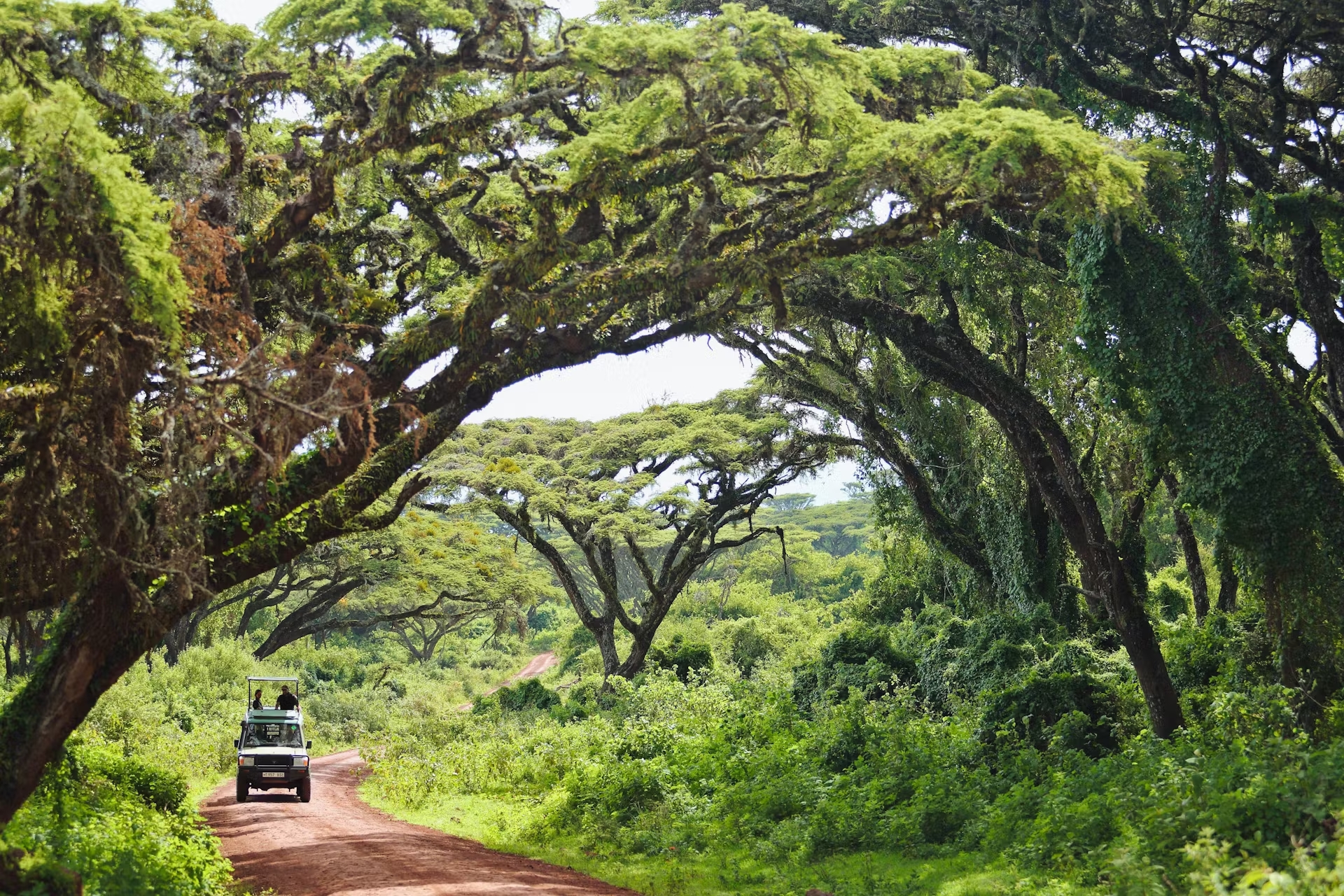
From the central, northern, and western Serengeti, the acacia woodlands stretch up into the Masai Mara passing sheer rocky escarpments like the Rift Valley, and lush riverine forest.
The major Mara River, a critical transboundary natural resource, cuts through the region, providing permanent life-giving water source in the ecosystem and forming the lifeline of the Great Wildebeest Migration. It also sustains the livelihoods of over 1.2 million people across Kenya and Tanzania, underscoring the inextricable link between ecosystem health, biodiversity conservation, and human well-being.
The Wildebeest Migration in the Serengeti-Mara Ecosystem
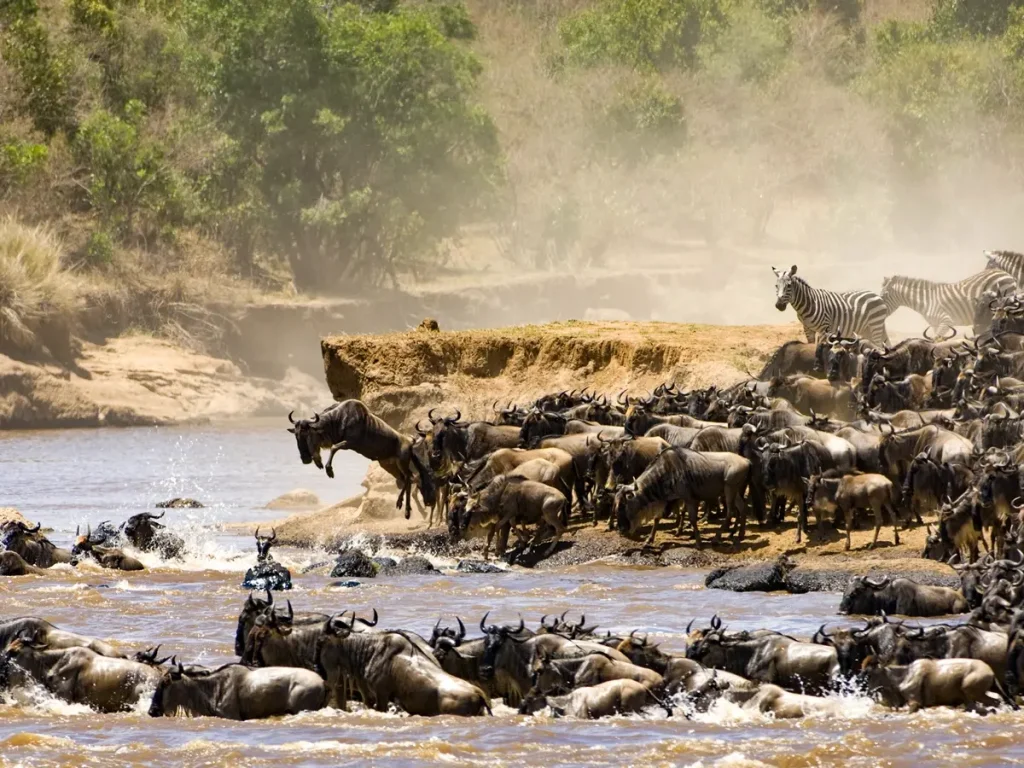
Great Wildebeest Migration Mara River Crossings
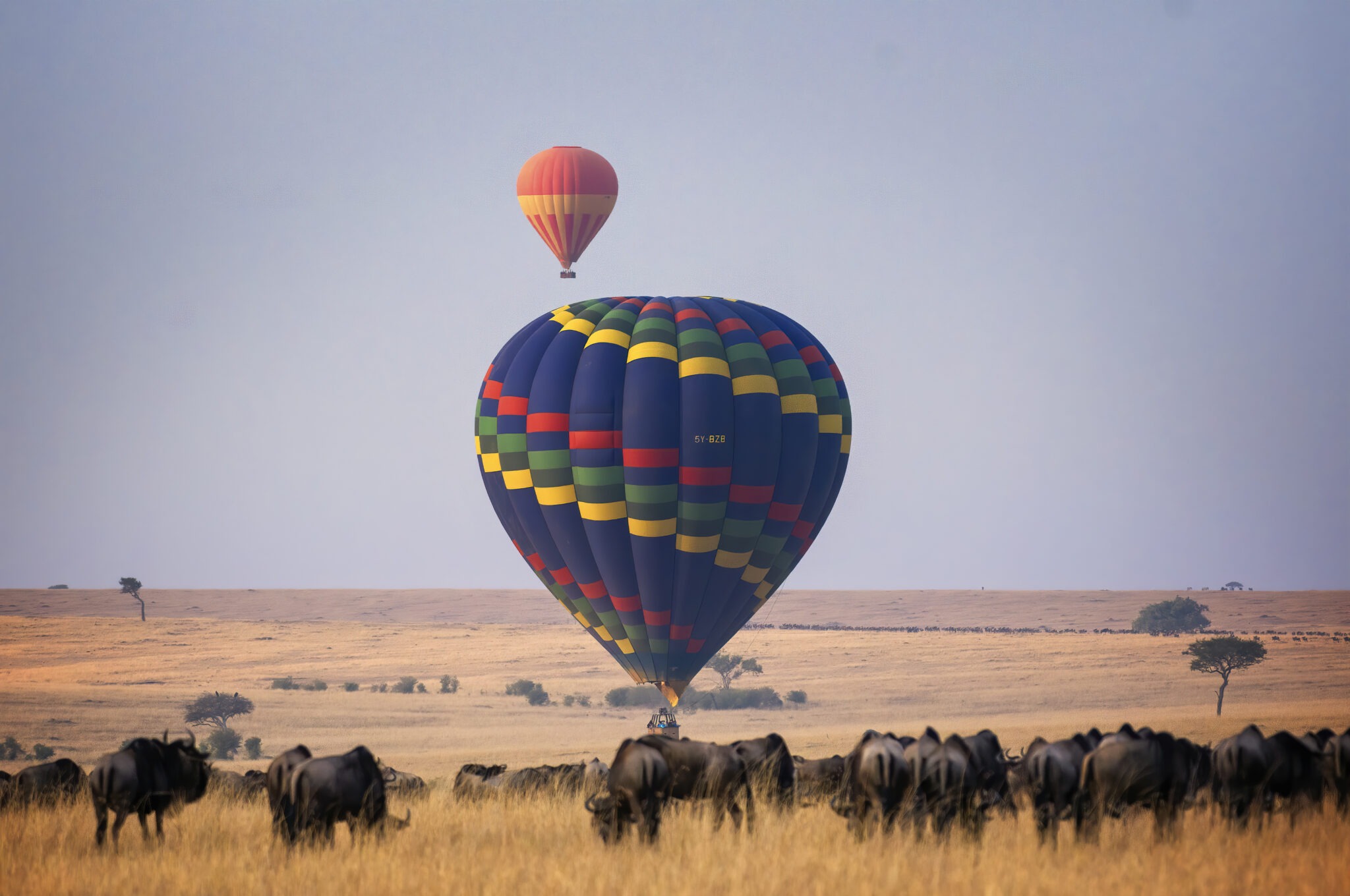
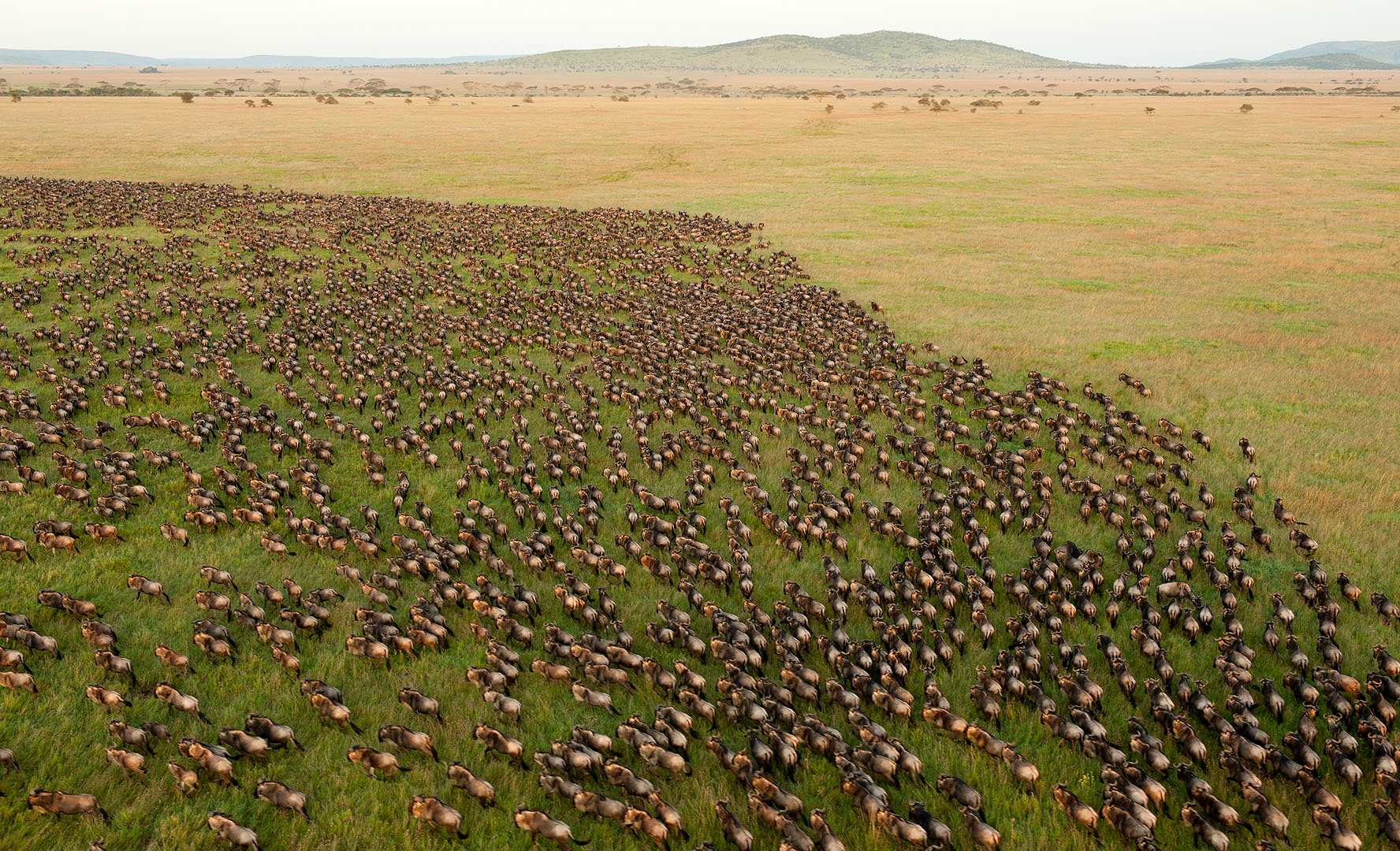
Often called “the stage of the Great Wildebeest Migration,” the Mara-Serengeti ecosystem offers one of the world’s most important habitat areas where a million wildebeest, half a million gazelles, and 200,000 zebras make the perilous trek from the southern Serengeti in Tanzania to the Masai Mara in Kenya on a clockwise circuit every year in search of fresh grass.
It culminates in one of the most iconic wildlife events, the dramatic Mara River crossings where over 1.5 million animals brave crocodile-infested waters and strong currents to reach the well-watered plains in the Masai Mara between July and October.
The Serengeti-Mara ecosystem boundary is drawn around the full wildebeest migration circuit and its watershed. This expansive transboundary zone enables wildlife herds to roam seasonally across international borders.
The wildebeest migration has defined the Mara-Serengeti for over 1.5 million years, shaping the ecosystem and keeping it healthy for the benefit of other wildlife. For example, areas impacted by wildebeest are highly fertile due to the nutrient-rich dung they produce which act as a natural fertilizer, allowing the land to regenerate and support browsers like giraffes.
Some species follow the Wildebeest, eating insects and seeds kicked up from the grass. Apart from enjoying protection from the enormous wildebeest herd, other migrating species—such as zebra and gazelle—are close companions with different grazing habits: the zebras eat the tough, fibrous, upper canopy of tall grasses, exposing the short, fast-growing grasses for the wildebeest to graze, and the gazelles eat leftover vegetation.
Such extraordinary relationship plays out well, benefitting the three species as each has a set of adaptations that perfectly complement those of the other while reducing competition for food.
Communities and Conservation
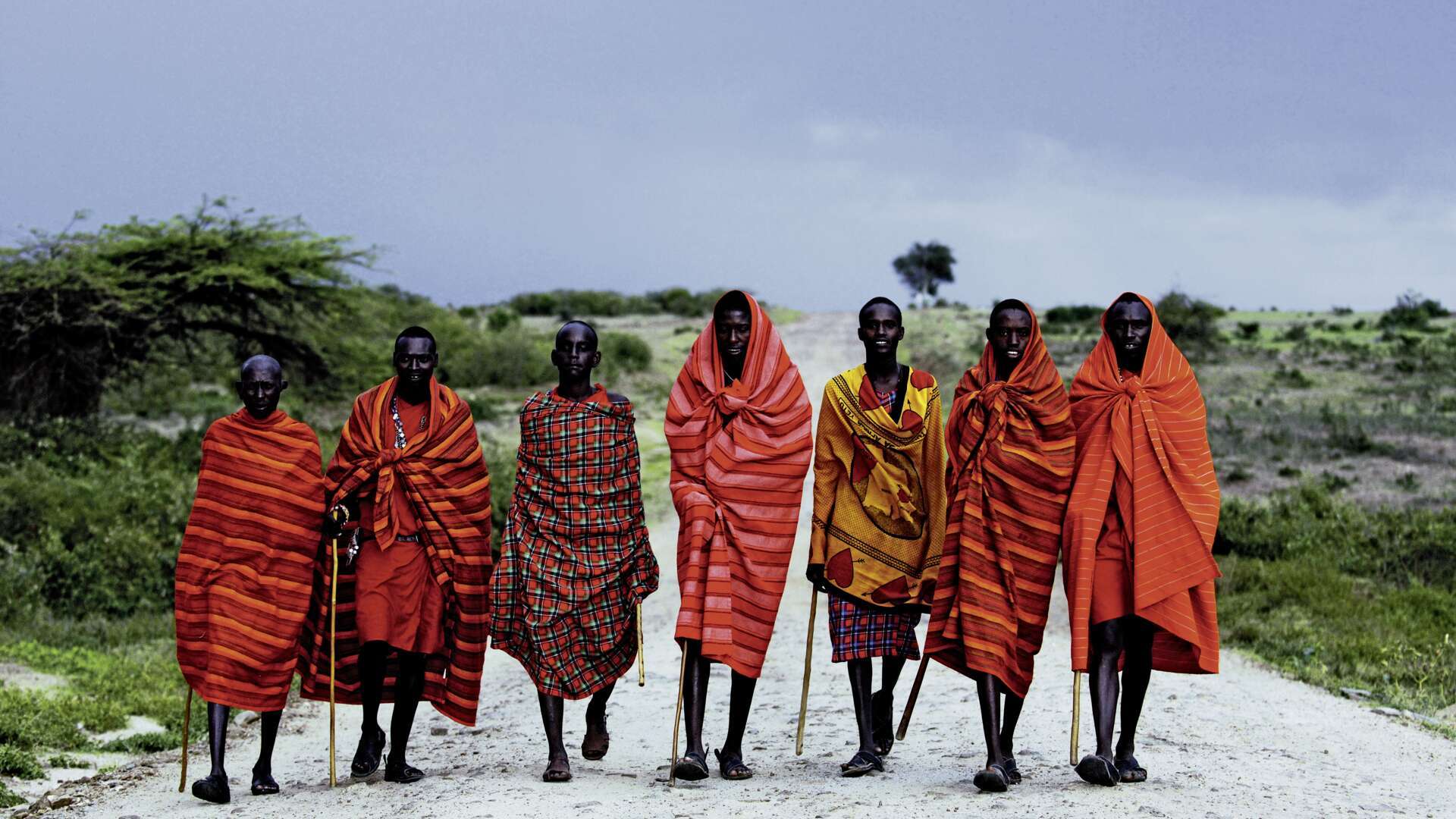
The Serengeti-Mara ecosystem is not just occupied by wildlife, but also by a growing community of people, particularly the Maasai, who live in coexistence with wildlife. This has led to human-wildlife conflict evidenced by threats of extinction to big cats like lions and cheetahs. However, through the protection efforts taken within the ecosystem, their numbers are now growing.
These communities are also receiving support from international foundations like the Cottar’s Wildlife Conservation Trust, which has allocated resources to help improve their lives. This gives back to the communities, encourages conservation and protection of this ecosystem by the locals.
This stretch of wilderness brings the wild closer to visitors, allowing them to witness one of the last remaining mass terrestrial wildlife movements on earth as well as conservation efforts through organizations like the African Wildlife Foundation.
Best time to visit the Serengeti-Mara Ecosystem
The best time to visit the Serengeti-Mara ecosystem is during the dry season from July to October which coincides with the peak safari season and the wildebeest migration. Wildlife viewing is excellent during this period as animals congregate around permanent water sources, making them easily visible. August is the peak month and best time to witness the dramatic River crossings.
Sample Trips
4 DAYS
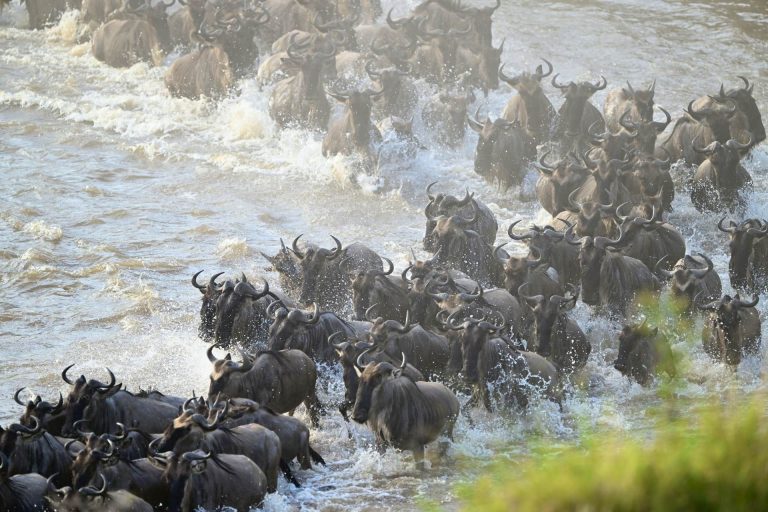
Wildebeest Mara River Crossings
Destinations: Northern Serengeti Plains
- Intimate and exclusive Mara River crossing showcase
- Wilderness experience
11 DAYS
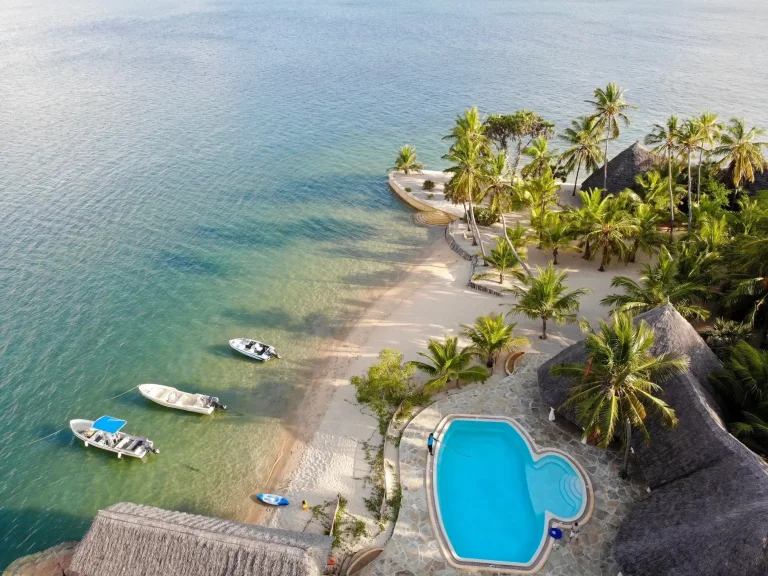
Kenya Migration and Manda Bay Safari
Destinations: Masai Mara and Lamu
- Exclusive wildebeest migration showcase
- Barefoot beach luxury
