

General Rules for Gorilla Trekking
Rules and regulations for gorilla trekking
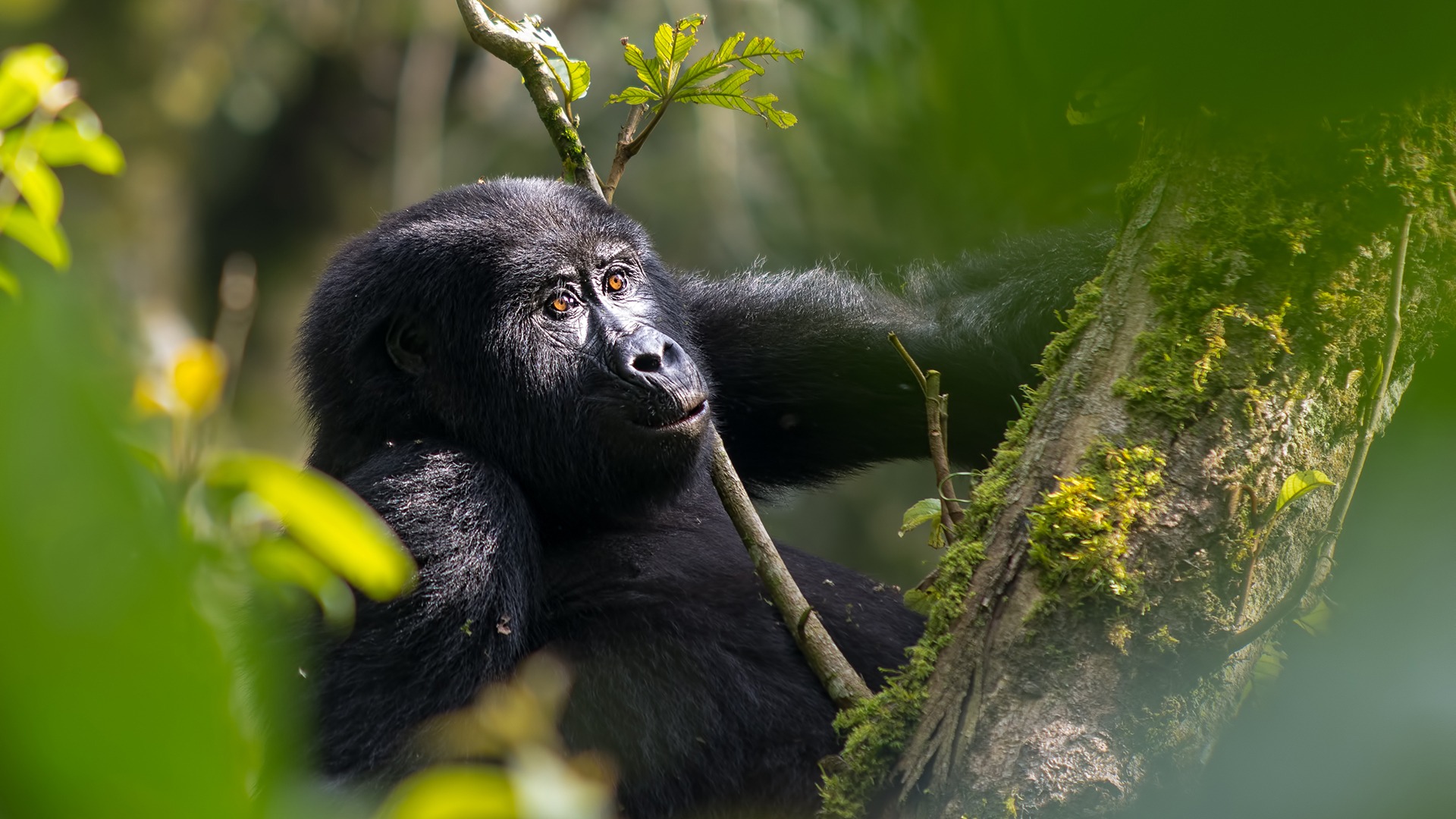
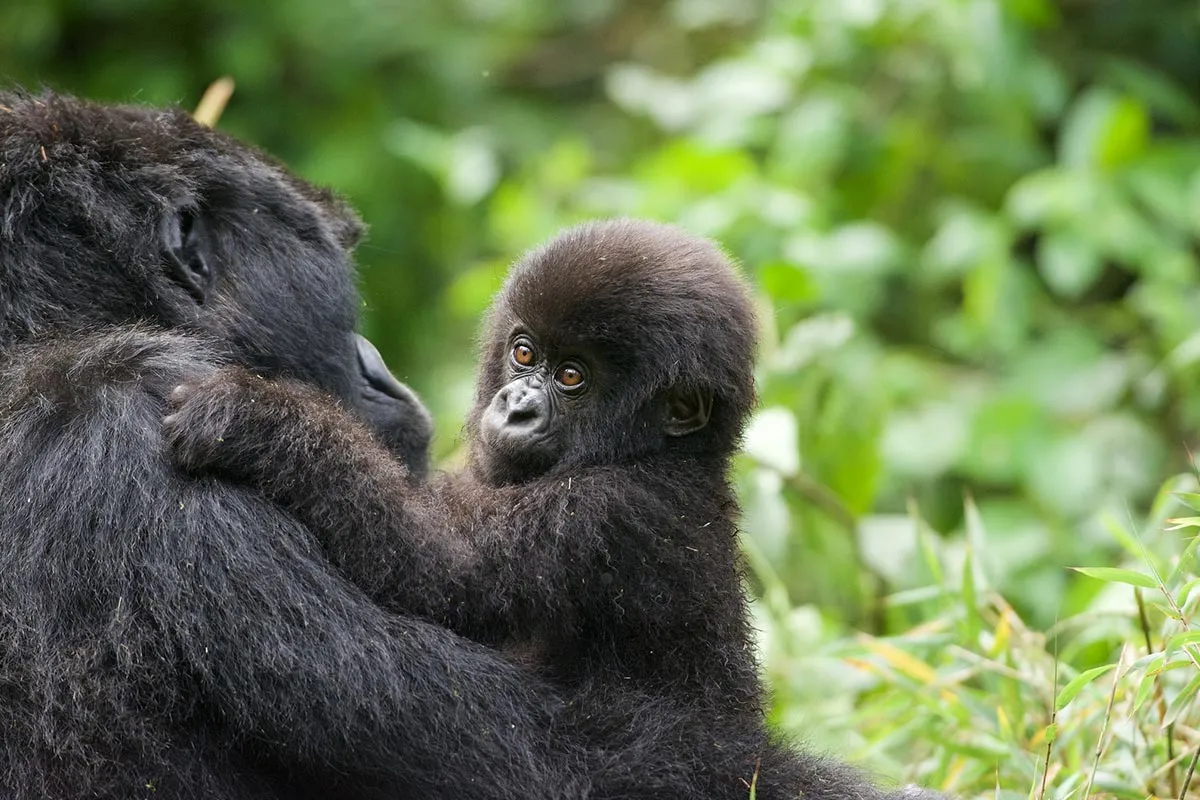
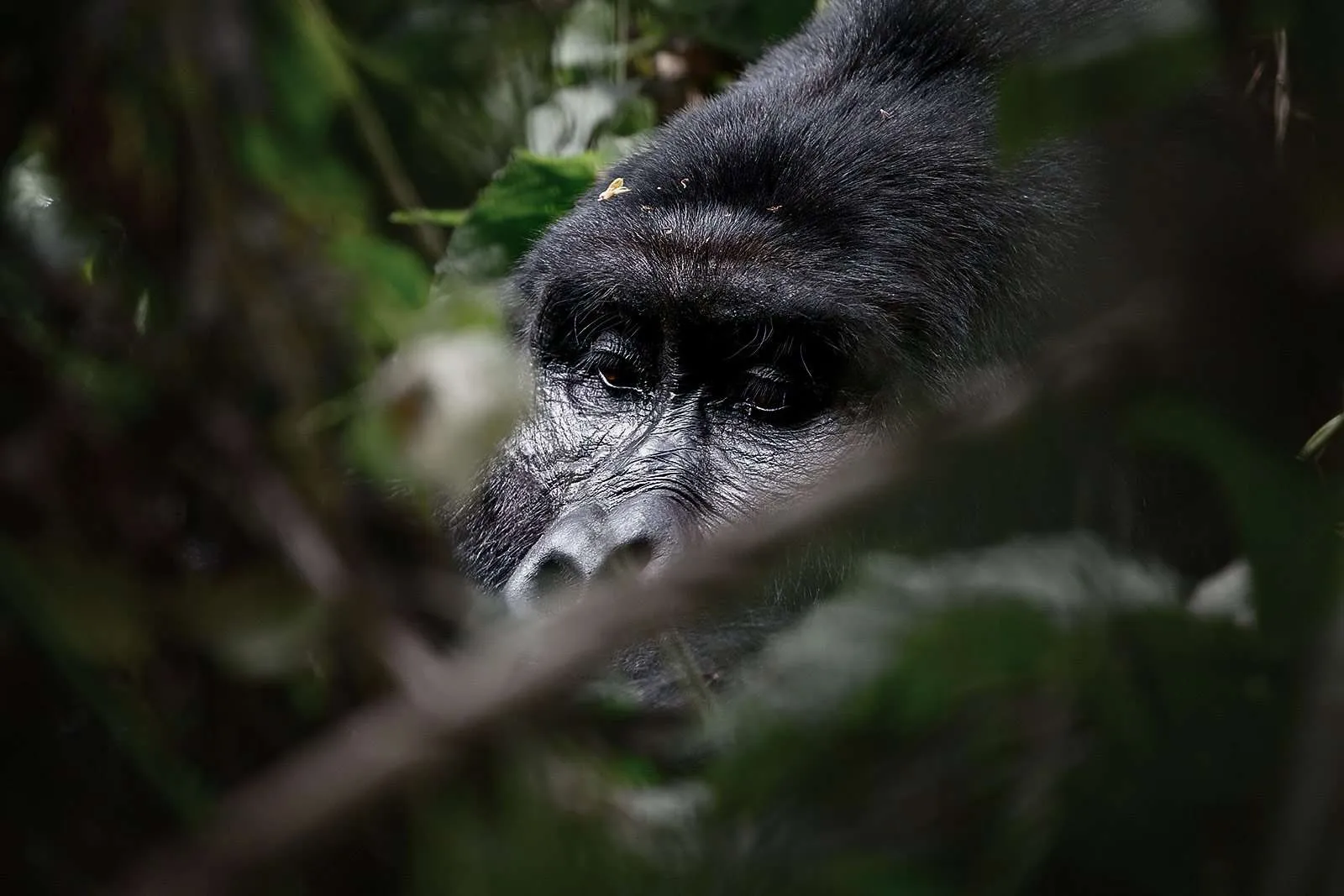
Gorilla trekking is not only one of Africa’s once-in-a-lifetime wildlife experiences, but also highly sought-after. Coming face-to-face with a family of these critically endangered species in their natural habitat is an experience that lasts with you forever. Ultimately, most travelers describe this rare connection as a deeply moving and humbling moment.
With a global population of approximately 1,063 mountain gorillas, these magnificent creatures are heavily protected in their natural habitat. Rules and guidelines have been put in place to ensure their safety and that of the visitors and consequently, to conserve their habitat. Visitors are expected to follow these rules at any point of their trekking experiences.
Why Gorilla Tracking Rules Are Essential
- To protect gorillas from human-borne diseases: Gorillas share 98% of their DNA with humans, making them highly prone to human illnesses. The rules and guidelines are designed to protect them by reducing the risk of disease transmission.
- To reduce behavioral stress: Gorillas have a very complex social system, and can easily be disturbed by human presence. Therefore, the rules are in place to reduce disruptions to their natural behavior and family structure.
- To ensure tourist safety: While generally peaceful, gorillas are powerful wild animals that will protect their family if they feel threatened. The rules ensure minimal movements and respect of spaces—prohibiting visitors from approaching the gorillas under any circumstances.
- For purposes of promoting responsible tourism: Following gorilla tracking rules and regulations directly contributes to sustainable tourism and conservation which in the end benefits both the gorillas and humans (for future generations).
Prior to your trekking excursion, you will undergo a mandatory briefing covering all the main rules and guidelines of gorilla tracking. However, to give you an idea of what to expect, here’s a quick overview of the main rules you need to keep in mind whether you go to Uganda, Rwanda or the DR Congo.
Rules and guidelines for gorilla trekking
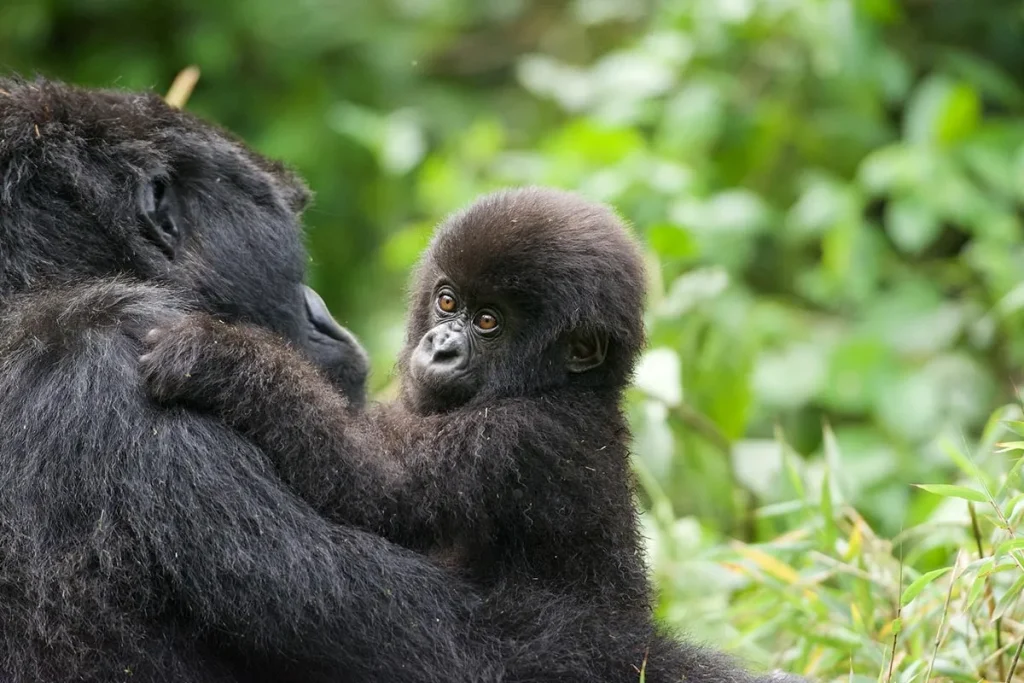
Gorillas in Volcanoes National Park
- Age restriction: Visitors must be 15 years or older to be allowed to see the gorillas. Children can have unpredictable reactions such as screaming, making sudden movements, or even running in fear when encountering the gorillas hence posing a safety risk to the entire trekking team.
- Limited permits and group size: Group sizes are set to a maximum of 8 people in order to ensure control of the number of visitors and minimize the disturbance of the gorillas. The number of gorilla trekking permits issued daily are also limited.
- Health check: Visitors are usually encouraged to inform the authorities if they are feeling unwell. Anyone with symptoms of illnesses including a cold, flu, or diarrhea will not be allowed to participate in the trek. This protects the gorillas from contracting any human-borne diseases.
- Wearing a face mask: Although mask wearing became common around the world during the Covid-19 pandemic, it has often been the norm when visiting the gorillas. This helps to keep them safe.
- Distance and positioning: Maintain a safe but intimate distance of at least 10 meters (32 feet) from the gorillas and under no circumstance should anyone attempt to interact with them by making sounds or attempt to touch them.
- Time Limit: Once you find the gorillas, you are allowed a maximum of one hour with them. This helps to minimize disruption to their (gorillas) routine and allows other trekkers their turn.
- Guided experience: Treks are conducted with expert guides and armed rangers for safety from potential wildlife threats, like forest elephants and buffaloes.
- Noise control: Keeping quiet or speaking in a low voice while in the presence of the gorillas is paramount. Visitors ought to avoid making loud noises or sudden movements that could startle or alarm the apes.
- No eating, drinking, or smoking: Eating, smoking and drinking near the gorillas are prohibited. In doing so, you’ll be attracting unwanted attention from these curious creatures which could be harmful to them.
- Photography: Photography and video are allowed throughout, but without flash. Flash photography can frighten and disorient the gorillas, so make sure your camera’s flash is turned off.
- Waste disposal: Do not litter or leave rubbish in the park. Whatever you bring into the forest must be carried back with you – leave no trace of your visit to protect the gorillas’ habitat. You can only pee off the trail during the hike, and it must be away from water. If you need to poo, it must be buried in a hole at least 30cm deep. The ranger will have a small shovel, so just let them know if you need it. Proper disposal of waste is essential to minimize environmental impact.
- Eye contact: Avoid making direct, prolonged eye contact with gorillas or lifting up your hands as they might be interpreted as hostility and aggression. Follow your guide’s instructions to avoid any aggressive responses from the gorillas.
Preparing for Your Gorilla Trek
- Physical fitness: You have to consider your physical fitness levels before setting out for a gorilla trekking experience because it involves hiking through dense forests and steep terrain.
- Appropriate clothing and gear: Carry appropriate clothing including comfortable clothes, hiking boots, long pants, and long-sleeved shirts to shield you from thorns and insects. Please read more about what to wear for gorilla trekking.
- Hire a porter: A porter will carry your backpack and relieve you of the weight while trekking. Hiring one also shows your support for the local community. They can be hired at the trailhead before starting the trek.
- Booking: Gorilla permits are in high demand and subject to availability. We recommend booking at least three to six months in advance for popular dates to avoid missing out. Remember permits are 100% non-transferable and non-refundable.
Sample Trips

5 DAYS
Uganda Primate Safari
Destinations: Bwindi Impenetrable Forest and Kibale National Park
- Suitable for all kinds of travelers including solo, family, honeymoon and adventure seekers.
7 DAYS
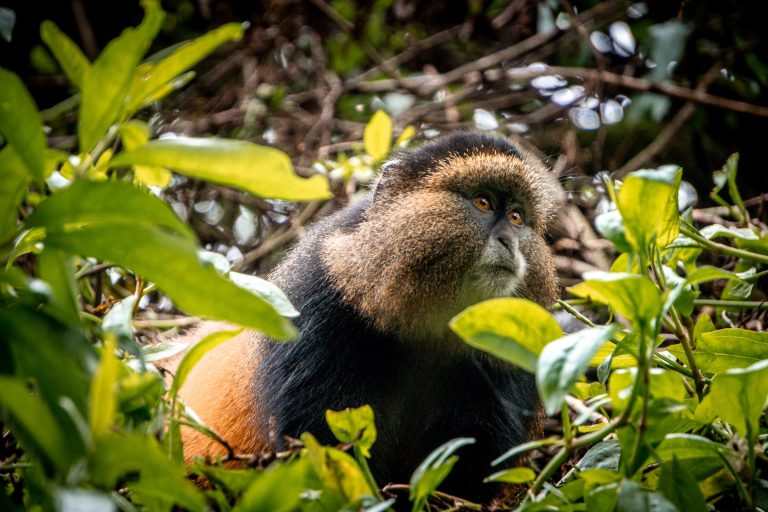
Gorilla and Golden Monkey Trekking Safari
Destinations: Uganda’s major parks
- Gorilla and golden monkey tracking, hiking Bwindi and culture
