


Tsavo East National Park
Tsavo East National Park is located in Kenya’s southeast region in Taita-Taveta County, approximately halfway between the capital Nairobi and the coastal city of Mombasa.
Famous for its herds of dust-red elephants, unique maneless lions and vast semi-arid wilderness, Tsavo East National Park offers an authentic, back-to-nature escape and an ideal place for those who wish to combine their inland safari with a beach vacation.
Spanning a staggering 13,747 km², the park is by far the biggest of Kenya’s parks. To put it in perspective, it is roughly nine times the size of the legendary Masai Mara. When combined with Tsavo West National Park, it forms the wider Tsavo Conservation Area which covers roughly 22,000 km², making it one of the largest protected wildlife sanctuaries on earth.
Wildlife in Tsavo East National Park
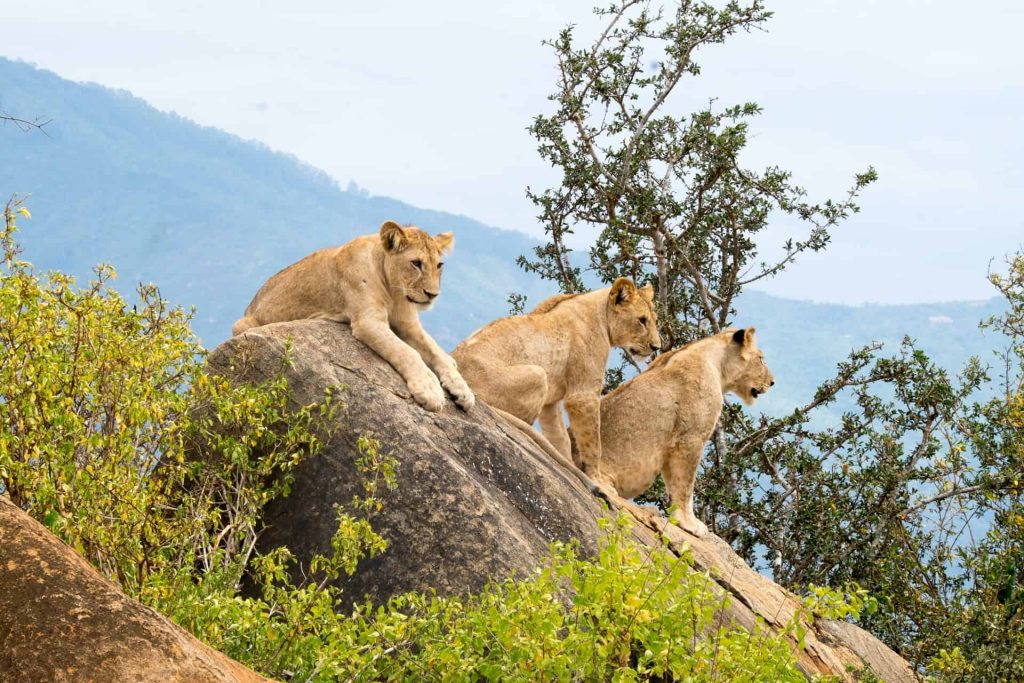
Lions in Tsavo East National Park
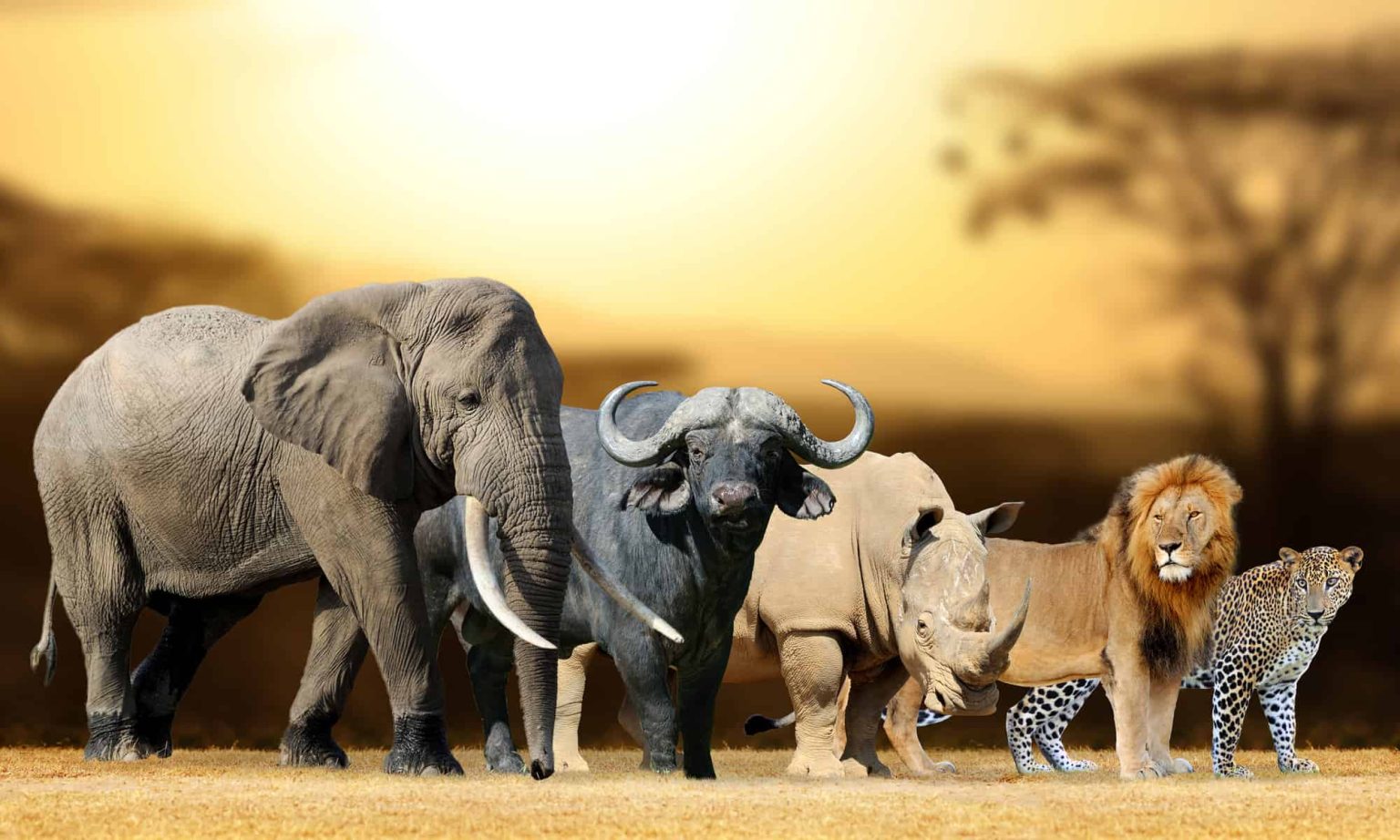
Tsavo East National Park’s rugged volcanic landscape is a haven for Kenya’s northern and southern species, including the ‘Big Five’, cheetahs, gerenuk and the Somali ostrich, which you can rarely see elsewhere this far south. The park also boasts over 500 recorded avian species, including the gray-crowned crane, black kite, lovebird, and sacred ibis, making it an excellent birding destination.
Scenery in Tsavo East National Park
Tsavo East is virtually flat, with dry plains of semi-arid grasslands, savannah and iconic dusty red soil which you’ll experience during your trip. It is traversed by the palm-shaded Galana River, which receives water from the Athi and Tsavo rivers. The park is also defined by the impressive Yata Plateau—the longest lava flow in the world at 300 kilometers, and the Lugard Falls.
1. Mudanda Rock
Mudanda Rock is a towering 1.6-kilometer inselberg of stratified rock situated in the southwestern shrublands of Tsavo East National Park. As a water catchment area, it not only supplies a natural dam below, but also serves as a vital lifeline for hundreds of elephants and other wildlife, particularly during the dry season, making it one of the park’s premier game-viewing locations. Its strategic spot offers sweeping 360-degree views of the park from its summit.
2. Yatta Plateau
Lying along the western border of Tsavo East National Park, the Yatta Plateau extends over approximately 300 kilometers in length and averages 10 kilometers in width, primarily dominating the landscape of the park. It formed by volcanic activity originating from Ol Doinyo Sabuk, making it the world’s longest lava flow and one of the park’s most fascinating features.
3. Lugard Falls
Named after the British explorer Captain Frederick Lugard, the spectacular Lugard Falls features a series of whitewater rapids and sculpted volcanic rock formations created as the wild Galana River rushes through the rocks that block its flow. It is one of the highlights of a Tsavo East National Park experience.
4. Aruba Dam
Aruba dam attracts a large concentration of wildlife including lions while the open grasslands either side can be good for cheetahs, and sightings are often regular. With its prolific birdlife, the dam offers incredible bird watching opportunities as well as nature walks.
Activities in Tsavo East National Park
- Wildlife viewing on game drives with a variety of animal species including cheetahs, zebras, hippos, wildebeest, giraffes, wild dogs and hyenas.
- Bird watching features numerous species including the gray-crowned crane, black kite, lovebird and sacred ibis.
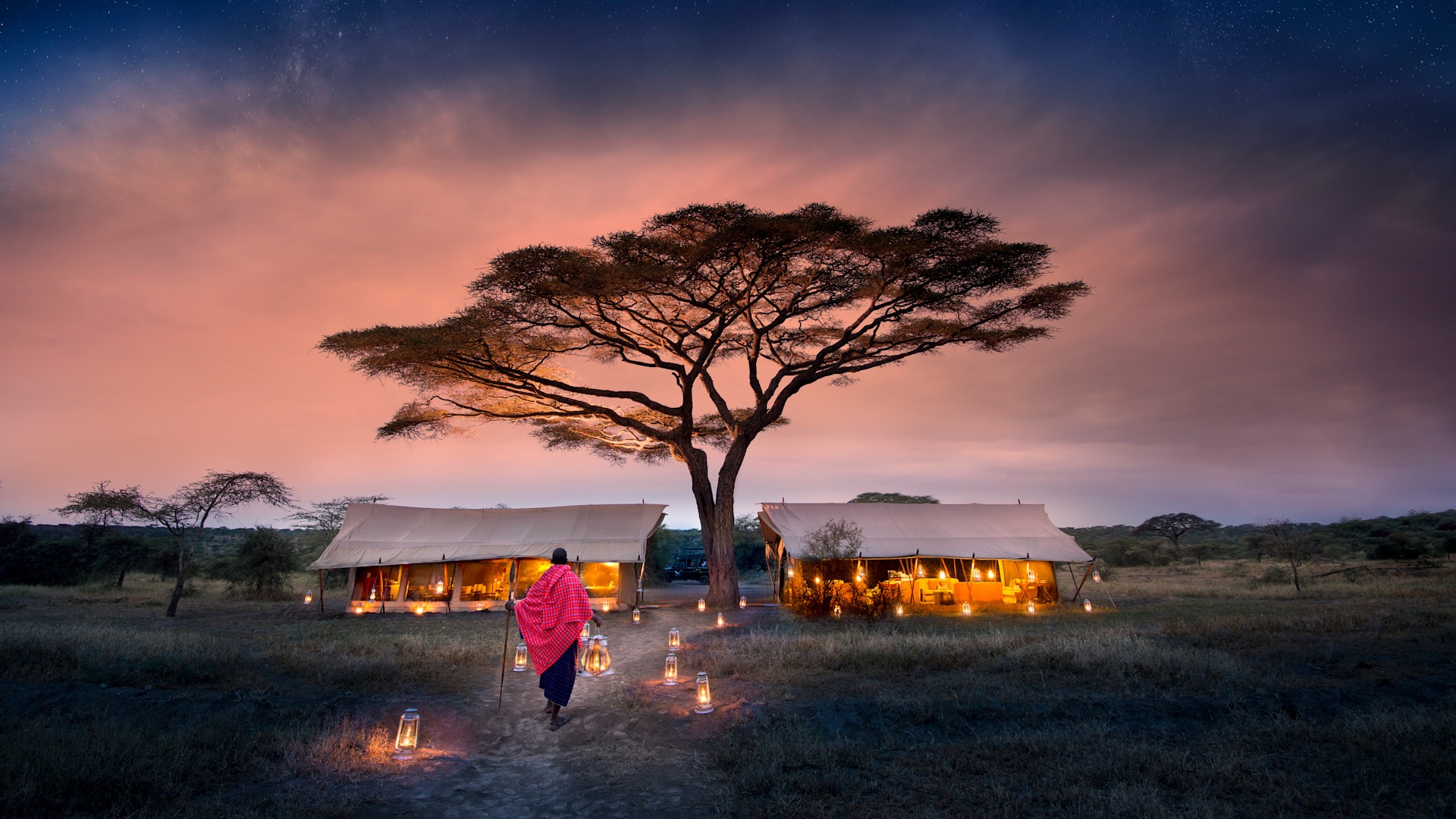
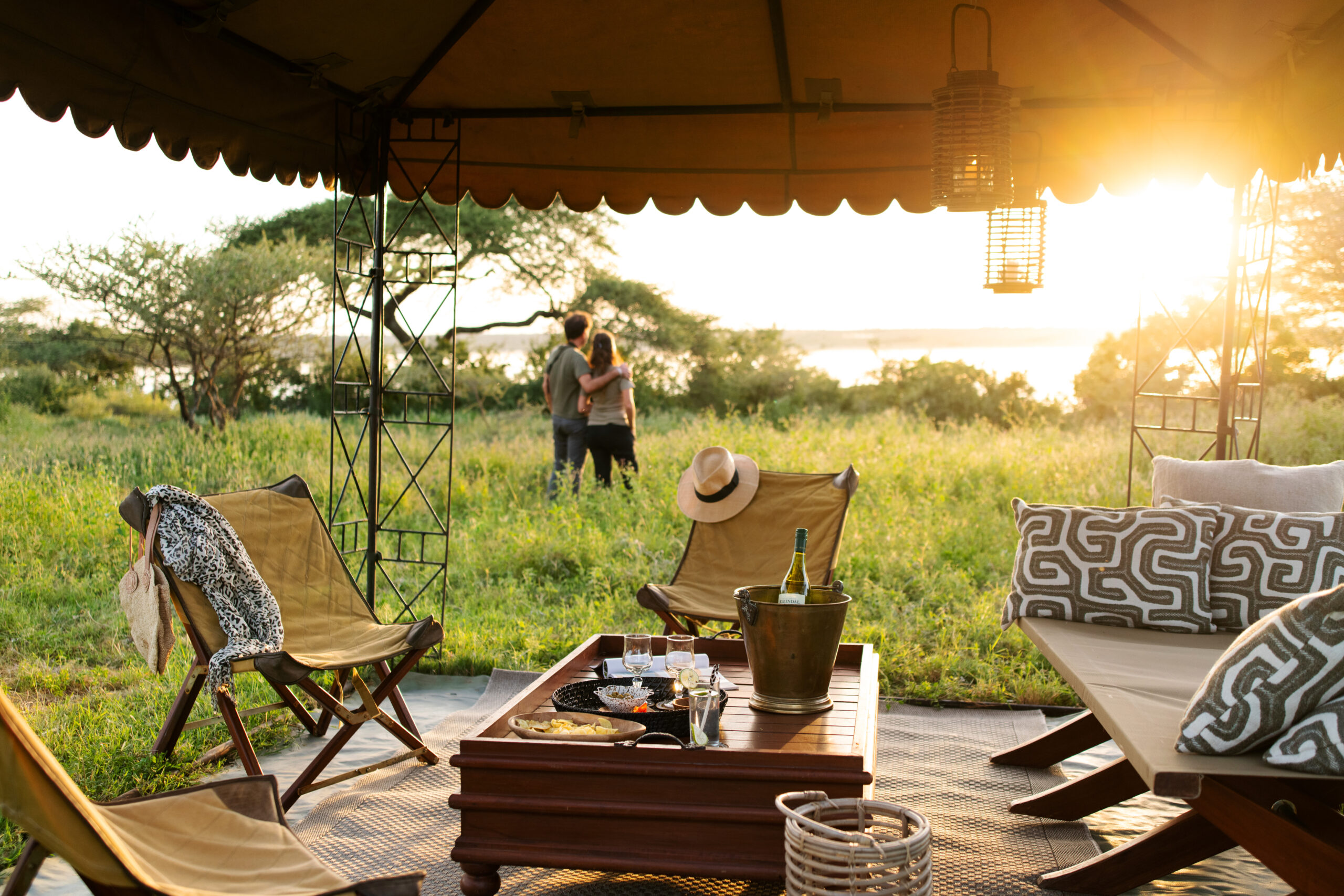
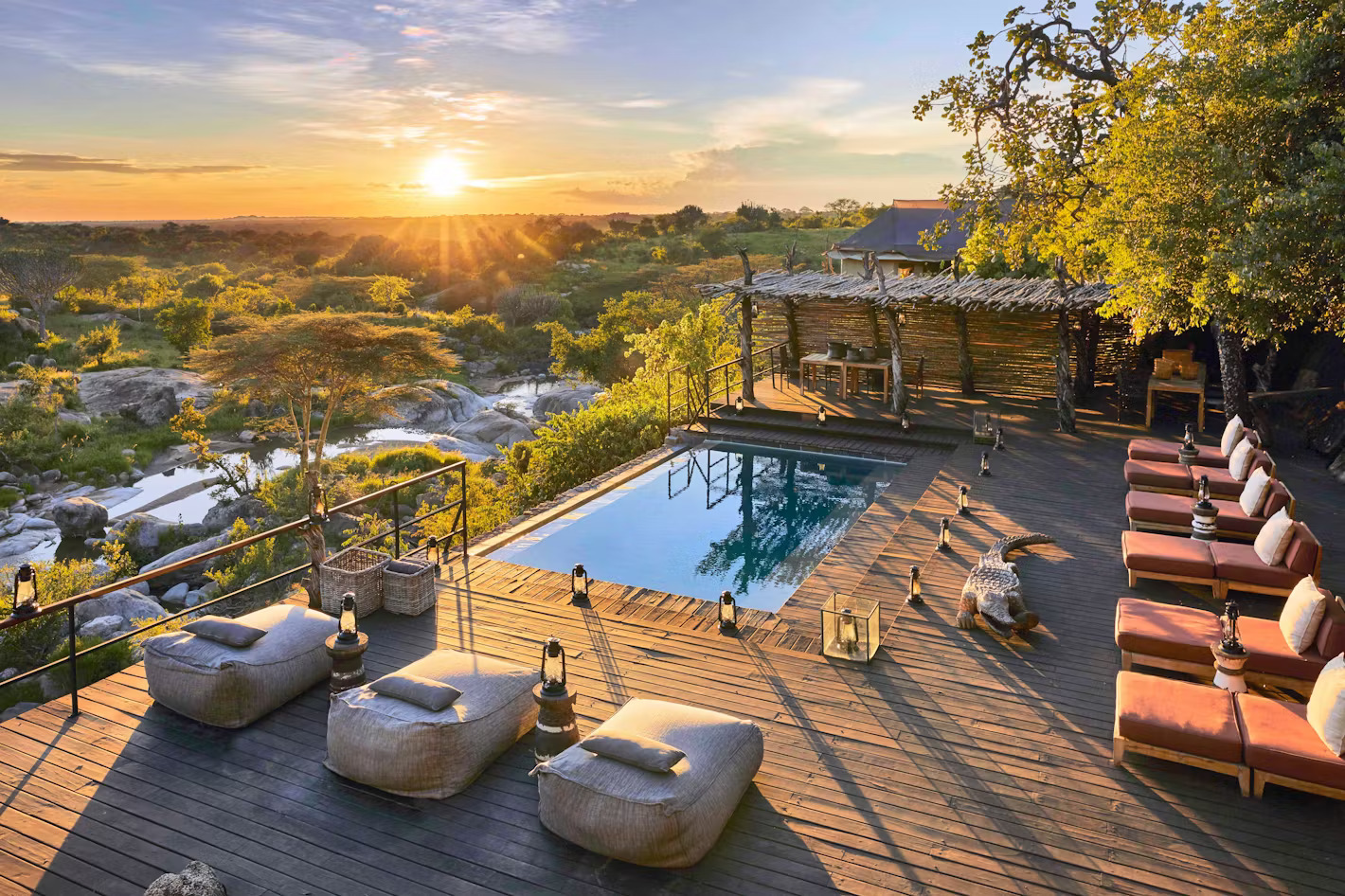
- Camping: Several lodges, tented camps, and campsites have been established in the park, offering breathtaking views of Tsavo.
- Walking Safaris: Nature walks offer an incredible wildlife experience
- Hiking and rock climbing: With several hiking trails available, visitors are rewarded with great views of the Peak Tower as they finish the 40-minute hike.
- Bush breakfasts, sundowners and picnics
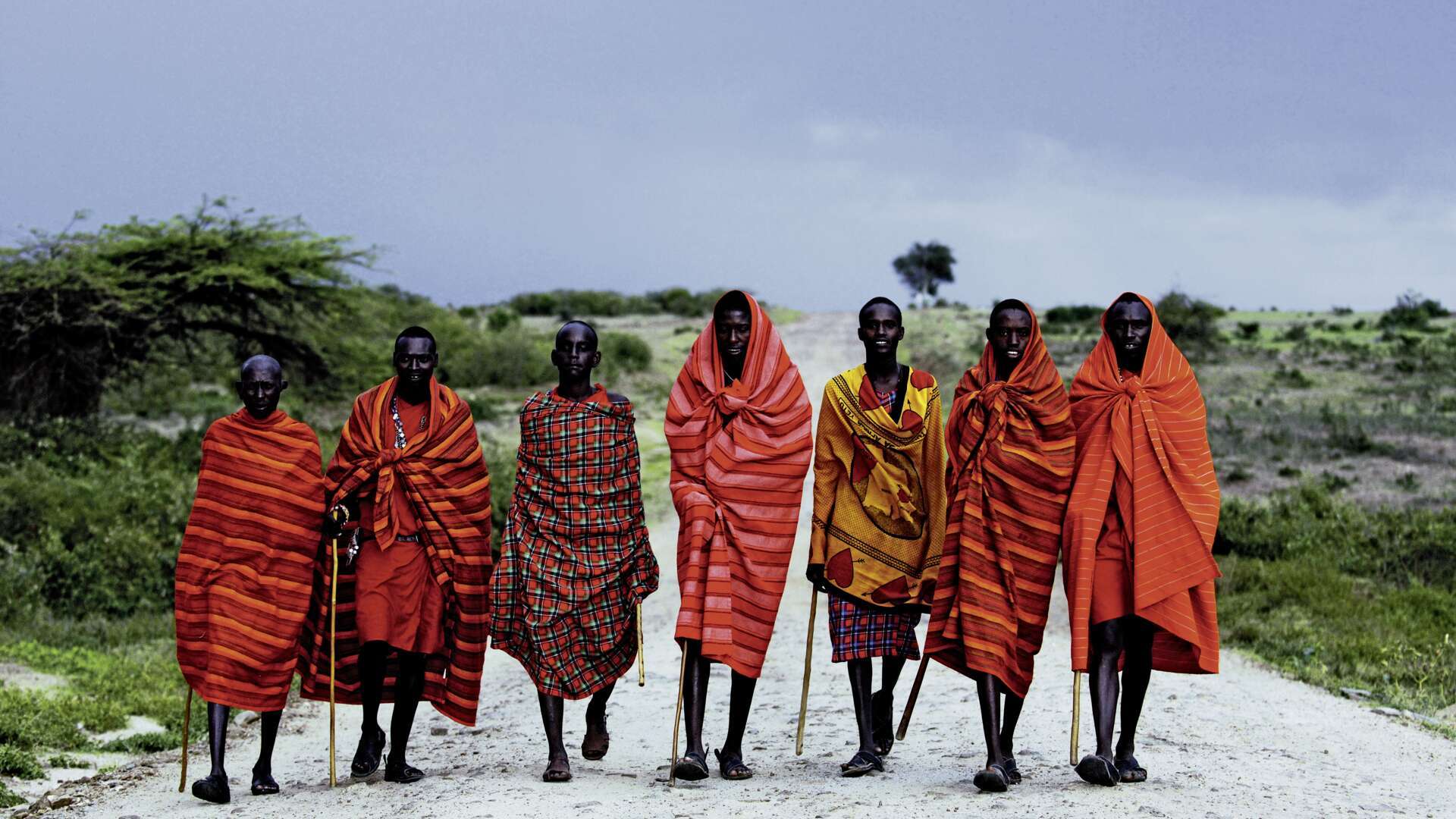
- Cultural tours
Best time to visit Tsavo East National Park
The best time to visit Tsavo East National Park is during the dry seasons from June to October and January to February. During these months, wildlife viewing is excellent when the vegetation is thinner and animals are more likely to gather around water sources, making them easily visible.
Sample Trips
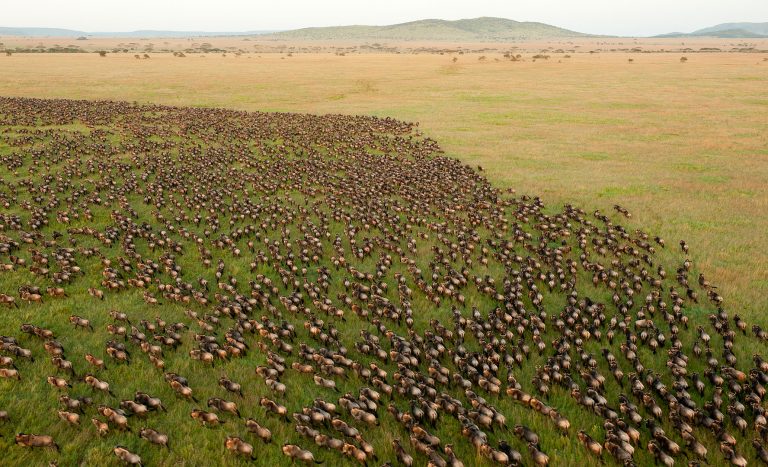
7 DAYS
Kenya and Uganda Safari
Destinations: Bwindi Impenetrable Forest and Masai Mara
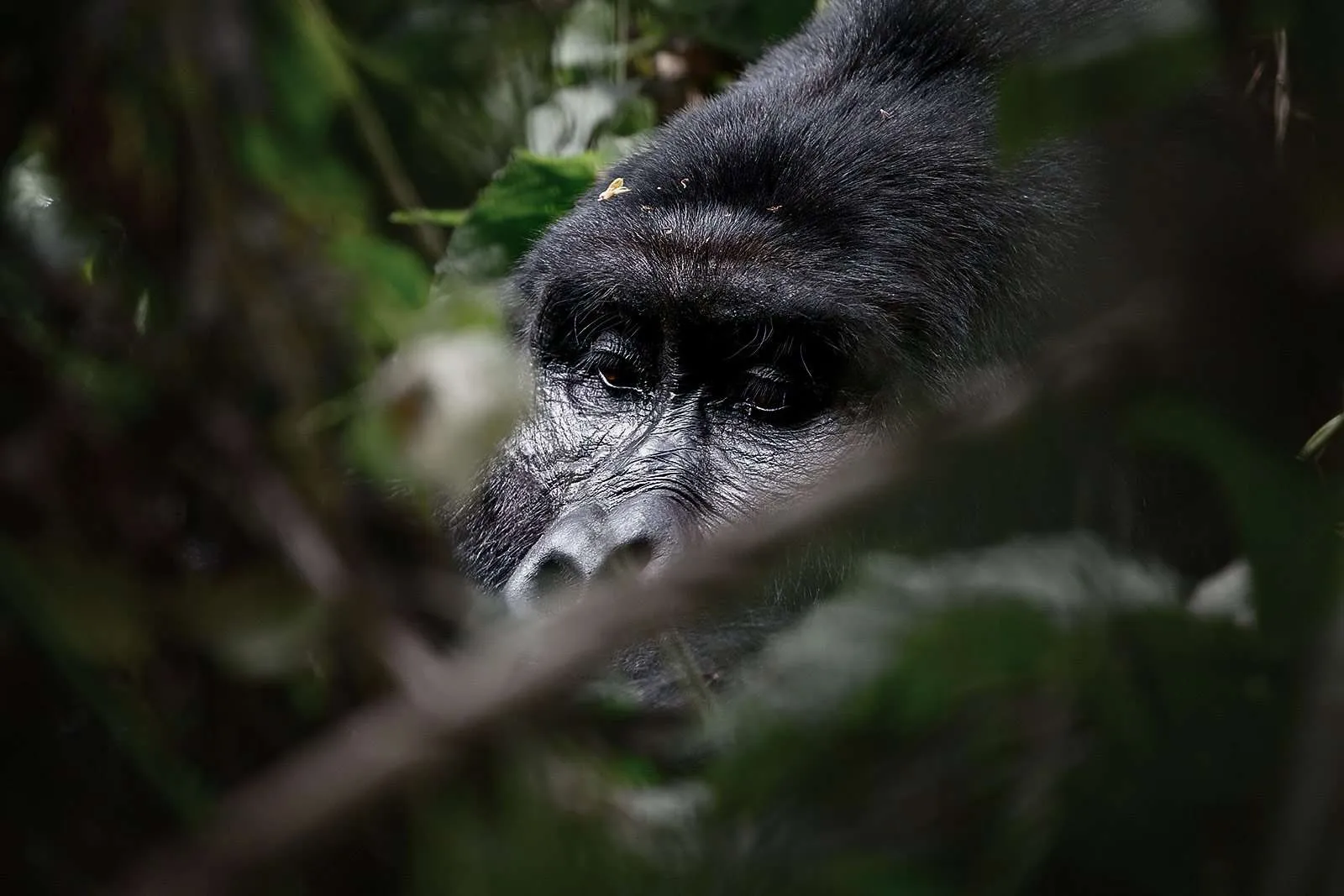
- Intimate and exclusive gorilla trekking and wildebeest migration experiences
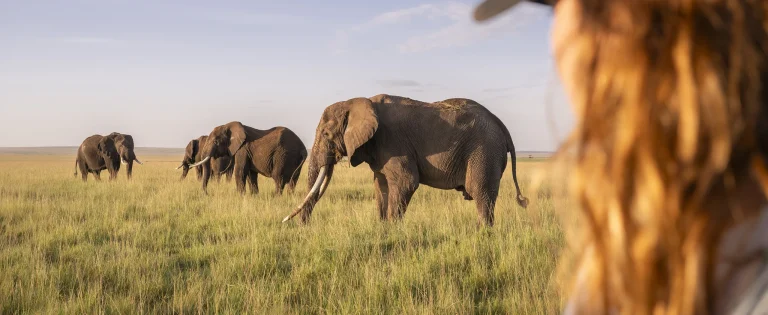
10 DAYS
Kenya Wildlife and Beach Safari
Destinations: Nairobi National Park, Masai Mara and Mombasa
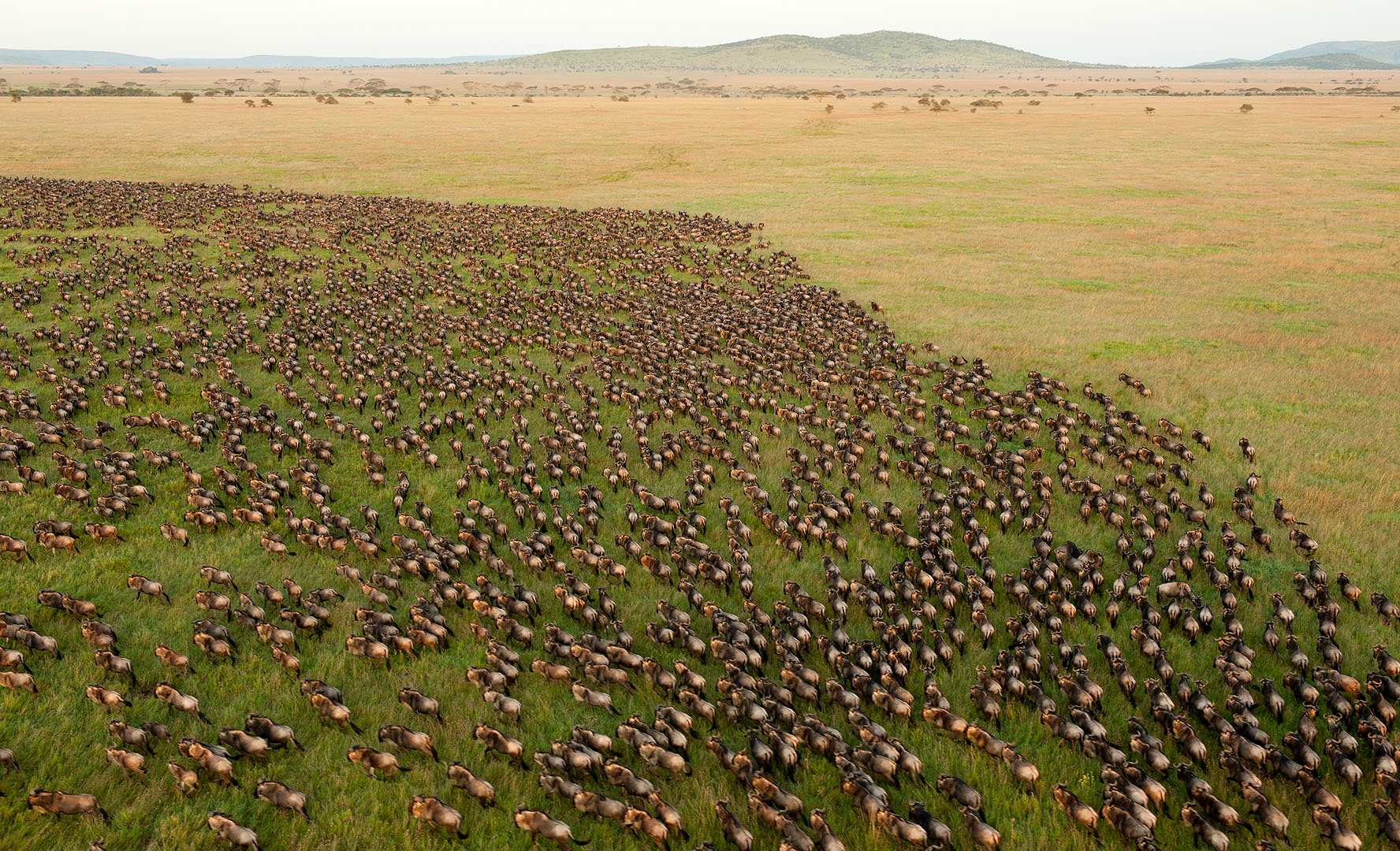
- Intimate and exclusive wildebeest migration and Mombasa experiences


