


Walking Safaris in Africa
Luxury Guided Walking Safaris in Africa | The Art and Soul of Walking Safaris | A Walk on the Wild Side with Experts.
Before roads were tarmacked and off-road 4x4s roamed the plains, walking safaris were the original form of African safari for the early pioneers, as walking was the only way to get around – which of course remains the purest form. Today, however, this format of adventure has grown in popularity and spread throughout the continent, allowing travelers to experience the rawest form of the wild side of Africa.
In this expert guide, discover the thrill of walking safaris in Africa. Learn why you need to experience a walking safari and what to expect.
What is a walking safari?
A walking safari is an immersive, guided expedition in the African wilderness on foot rather than in a traditional safari vehicle. Unlike traditional game drives, where you can observe wildlife from the comfort of a vehicle, walking safaris offer a more intimate and direct connection with the environment in the care of an expert guide.
They offer a unique yet thrilling, slow-paced immersion in nature, stripping away the noise and speed of modern travel. The focus shifts from quickly ticking off your favourite sightings to slowing down and appreciating the smaller details of the bush—like tracks, birdlife, insects, the rustle of leaves, the earth beneath your feet and the intricate ecosystem as a whole.
The Origin of the Walking Safari
The walking safari tradition was begun in the 1950s by British conservationist and legendary safari pioneer Norman Carr in the South Luangwa National Park of Zambia.
He initiated the far-reaching and visionary philosophy of exploring the wilderness on foot, shifting the safari industry away from colonial hunting expeditions to immersive, photography and wildlife tracking, allowing visitors to gain a deeper understanding of the natural world.
His philosophy was simple: rather than hunt the animals down, why not just experience them in their natural habitat on foot? Widely considered the father of the walking safari, Norman Carr pioneered a concept that paved the way for modern conservation and tourism not only in Zambia, but Africa as a whole.
Today, however, the tradition continues in South Luangwa National Park, where some of Africa’s most experienced guides lead guests through the wilderness on foot, continuing Carr’s legacy. This visionary approach laid the foundation for Zambia to be widely considered the ultimate walking safari destination, with South Luangwa maintaining its position as a top choice for those seeking a truly authentic experience.
What to expect during a walking safari
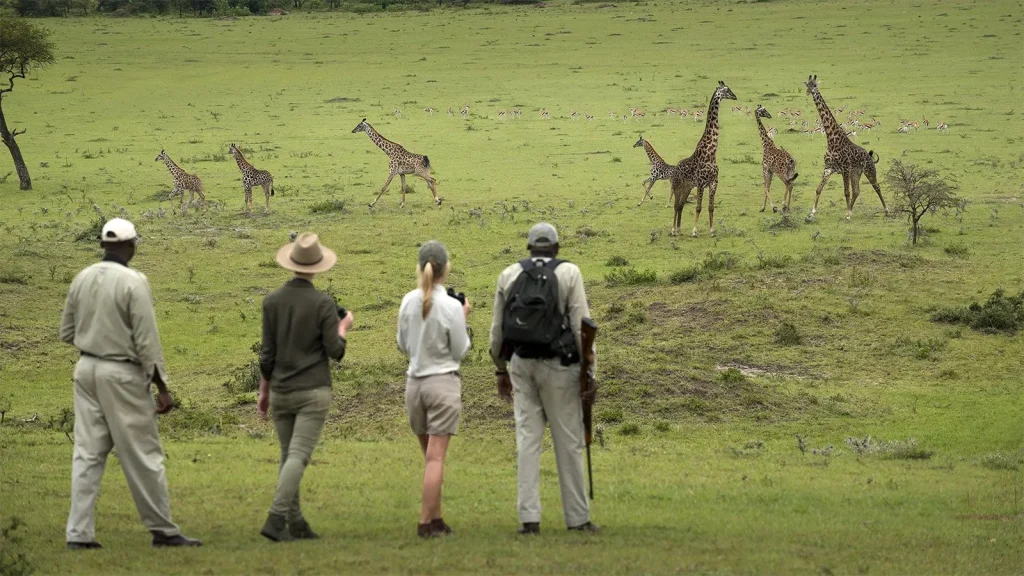
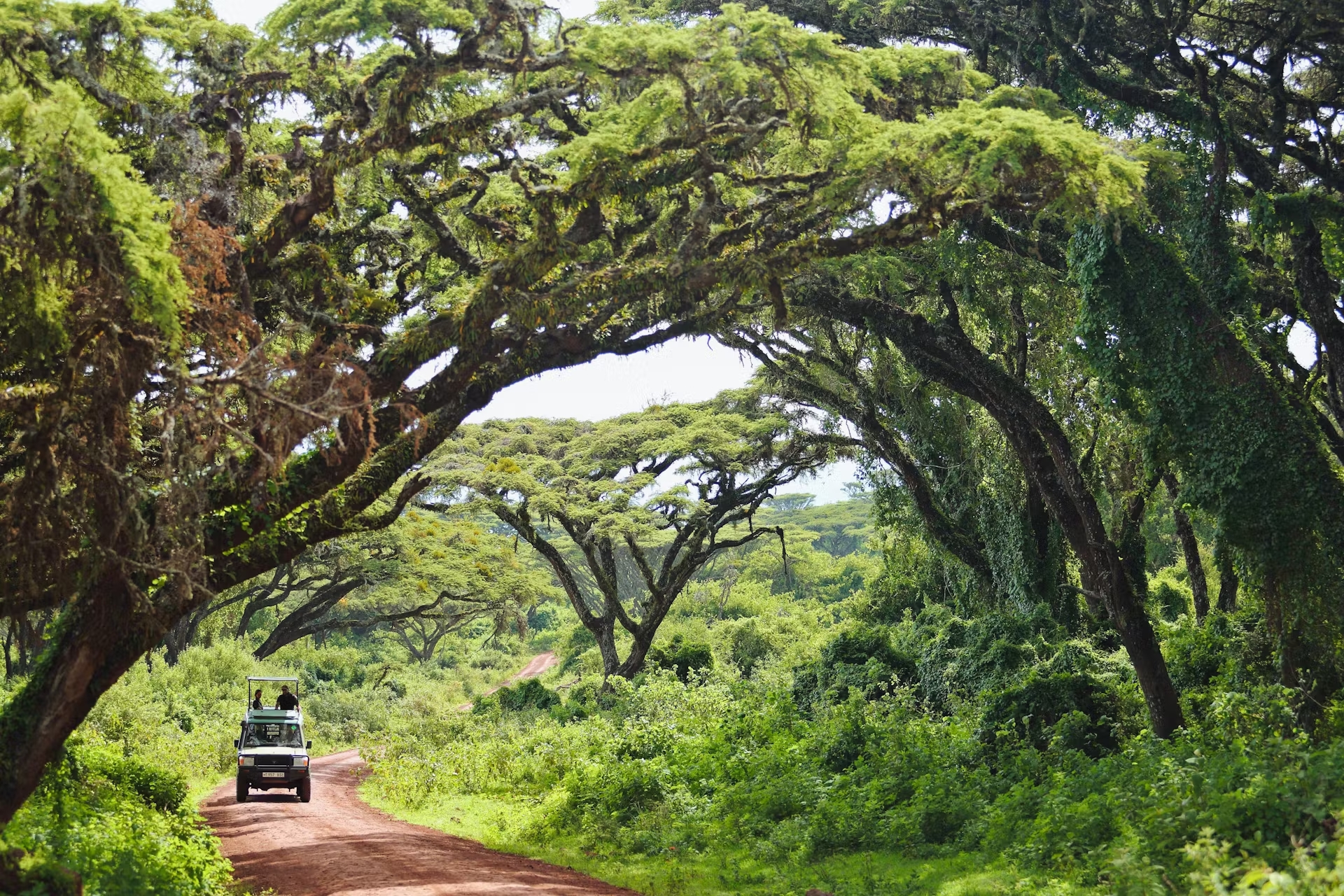
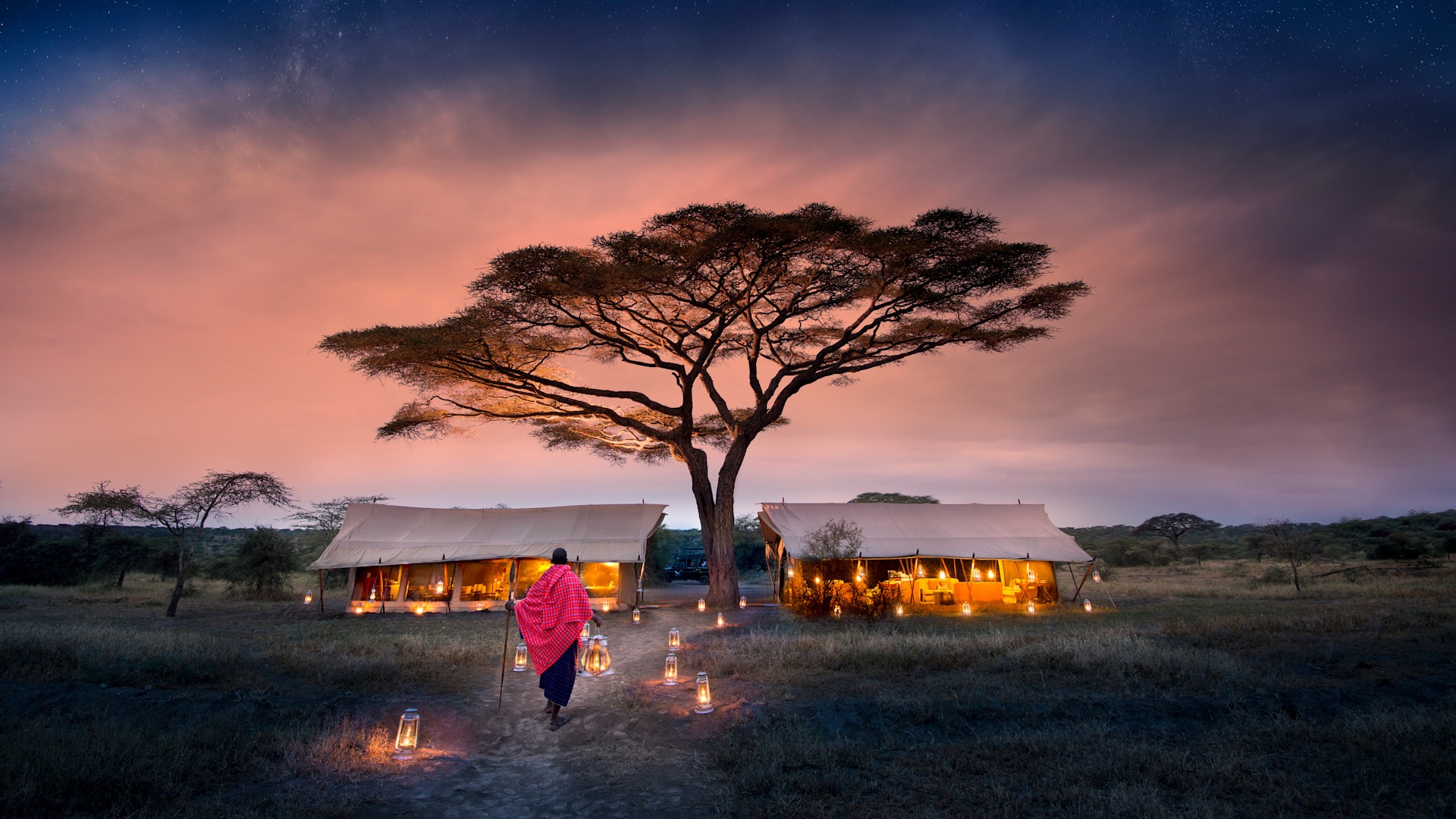
Walking safaris in Tanzania
Rather than observing wildlife exclusively from your safari vehicle, you’ll experience the African wilderness on foot with professional guides who will explain the landscape, wildlife and animal behaviour. There are frequent stops to rest, examine tracks, observe plants, or watch wildlife up close.
You can slow down, notice the smaller details of the ecosystem: learn about ancient animal trails, identify different spoor (footprints, scents, droppings, or broken foliage), plants, insects as well as some of the smaller creatures that often go unnoticed. It’s an opportunity to connect profoundly with the landscape, noticing its rhythms, details and stories. Every sound, scent and track tells a story of the African wild.
The distance covered varies, but most walks typically cover 3 to 5 kilometers, depending on the terrain and group preference. However, during a mobile walking safari, the distance may be longer, covering up to 10 kilometers as guests move from one camp to another. While thrilling and educational, the adventure is typically more suited for those in good physical condition and well-prepared for it.
You’ll be walking on significantly uneven terrain with some areas consisting of open plains or riverine forests, while others are covered by shrubland or floodplains. The ground is often rugged and uneven, requiring steady footing. Consider wearing sturdy, closed-toe walking boots.
You may be required to traverse dry sandy riverbeds, navigate rocky outcrops, or even remove your shoes for a short wade through shallow water crossings. Walking in the wild is a fully immersive experience, as you rely on all your senses to adapt to the natural rhythm of the bush.
Are walking safaris safe?

Walking safari
Yes! Walking safaris are generally very safe because you’ll be led by a professional guide and an armed ranger.
1. The Role of the Safari Guide
Safari guides are highly trained and licensed individuals—they are storytellers, educators, and conservation ambassadors. They have extensive knowledge of the wild, including possessing an incredible understanding of animal behavior, tracking techniques, and local ecology.
Guides also ensure that every walk is engaging and safe, adapting to the group’s pace and interests. With their deep understanding of the environment, they transform each walk into a fascinating journey through nature’s intricate web of life.
2. The Role of the Armed Ranger
Every walking safari is typically accompanied by an armed ranger for safety reasons. Their presence is a precautionary measure. They are highly trained in situational awareness, have years of bush experience and have logged hundreds of encounters with potentially dangerous animals. They play a crucial role in ensuring that there are no risks to guests or wildlife.
Types of Walking Safaris
There are different ways you can experience walking safaris;
- Short Bush Walks: These walks serve as an alternative to game drives. They usually take 2 to 4 hours in the early morning or afternoon, offering the opportunity to explore the surroundings of the lodge or camp and focus on smaller details of the bush.
- Camp-to-Camp Trekking: Involves walking to your next camp—a typical way to do a bush walk with a goal. With just a lightweight, small backpack, you proceed to your next camp on foot while your luggage is being transferred. This is usually a longer walk at a quicker pace but remains an incredibly rewarding way to experience the wilderness.
- Multi-Day Walking Safaris: For a truly immersive experience, multi-day mobile walking safaris take you deep into the wilderness. You hike between remote, fully serviced mobile bush camps, covering new terrain each day, sleeping in comfortable but simple lodgings, and embracing the rhythms of nature.
Walking Safari Etiquette
- Strictly follow your guide’s instructions – You must follow your guide’s instructions perfectly. They have years of experience and know how to deal with any situation in the wild.
- Wear neutral colors – Earth tones such as khaki, green, brown or beige help you blend into the environment. Avoid black and bright colours.
- Stay quiet – This allows you to stay focused and increases the likelihood of observing wildlife naturally.
- Be patient – Walking safaris are about the journey, not just the destination.
Following proper walking safari etiquette ensure a safe and enjoyable experience for everyone.
What to Pack for a Walking Safari
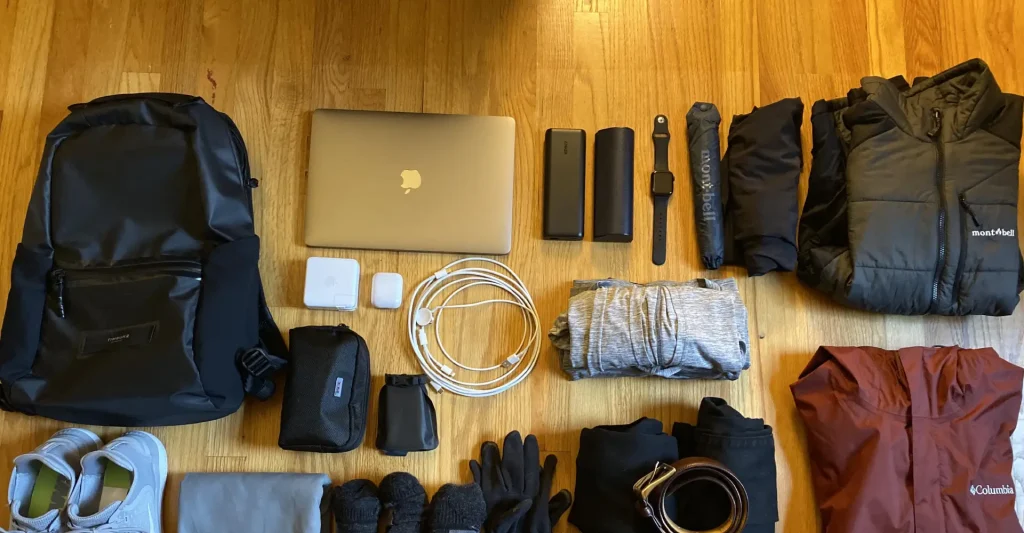
Packing List for an African Safari
A walking safari is an incredibly enriching activity but to enjoy the experience, you need to pack appropriately. Here’s what you’ll need:
- Comfortable, lightweight closed hiking boots
- Neutral-colored clothing and should be long sleeved shirts and pants to protect against insects and the elements
- A wide-brimmed hat and sunglasses
- Sunscreen and DEET-based insect repellent
- A small daypack for your water bottle (should be refillable)
- A camera with a strap, and binoculars for bird and wildlife spotting
Read more on packing list for your African safari
Sample Trips
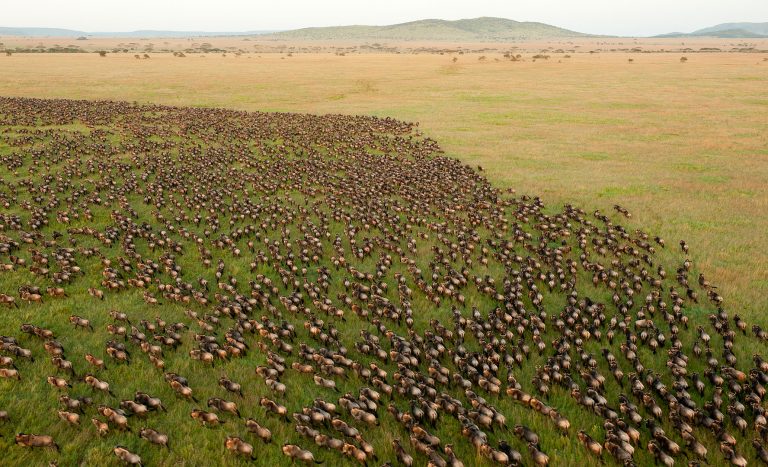
7 DAYS
Kenya and Uganda Safari
Destinations: Bwindi Impenetrable Forest and Masai Mara
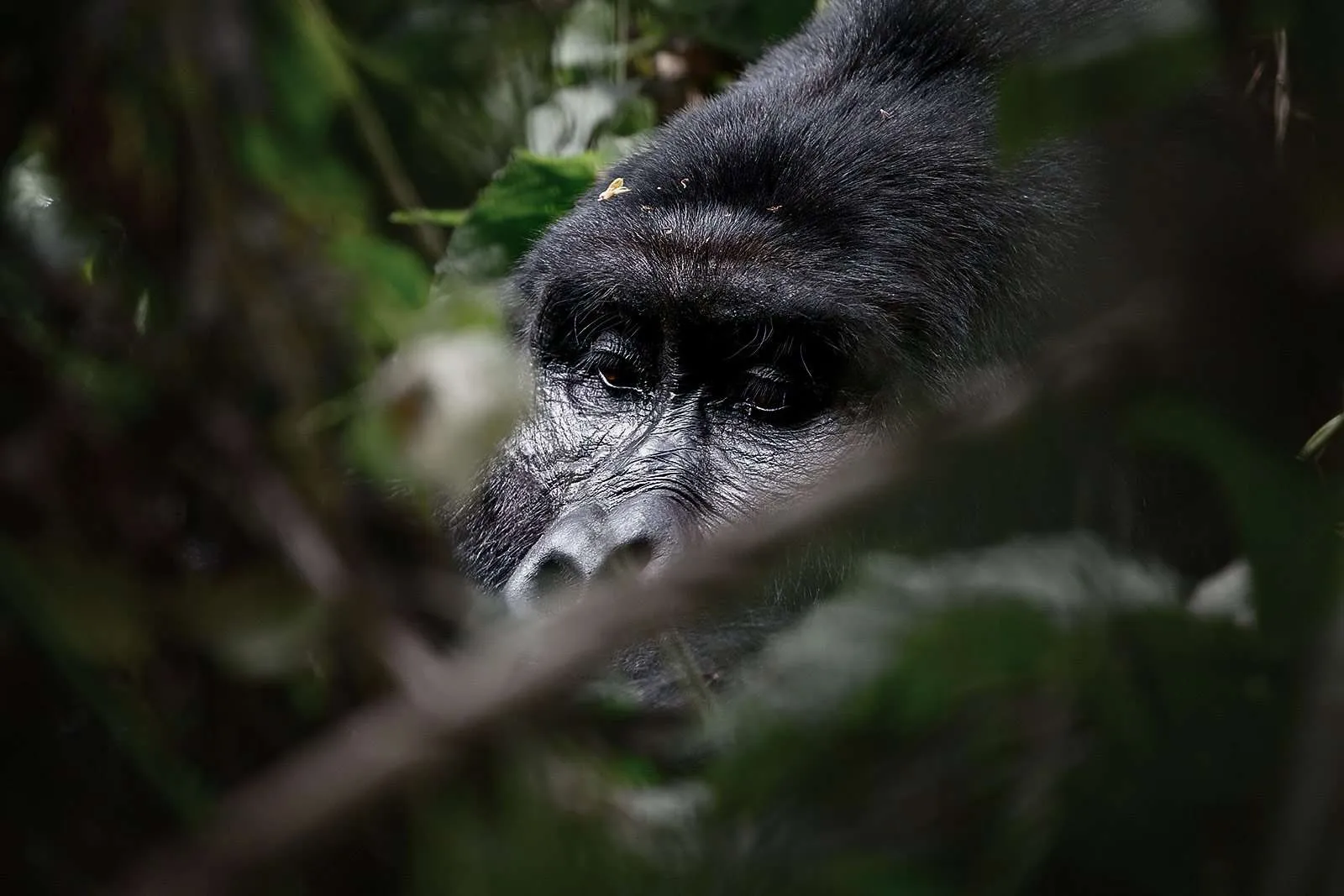
- Intimate and exclusive gorilla trekking and wildebeest migration experiences
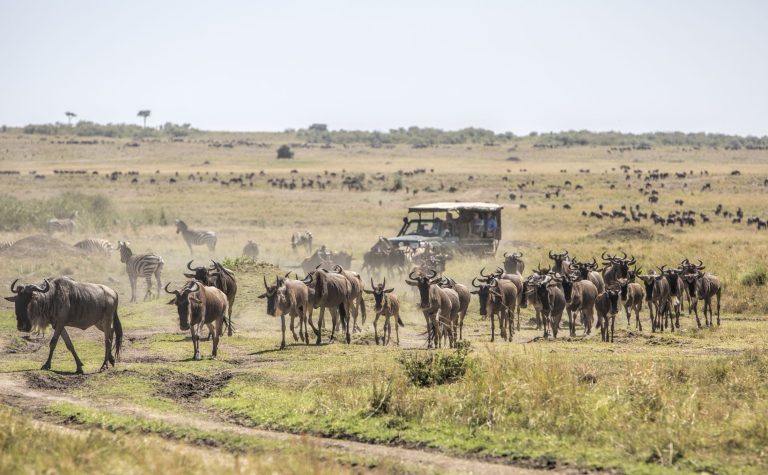
11 DAYS
Tanzania Migration and Zanzibar Safari
Destinations: Tanzania
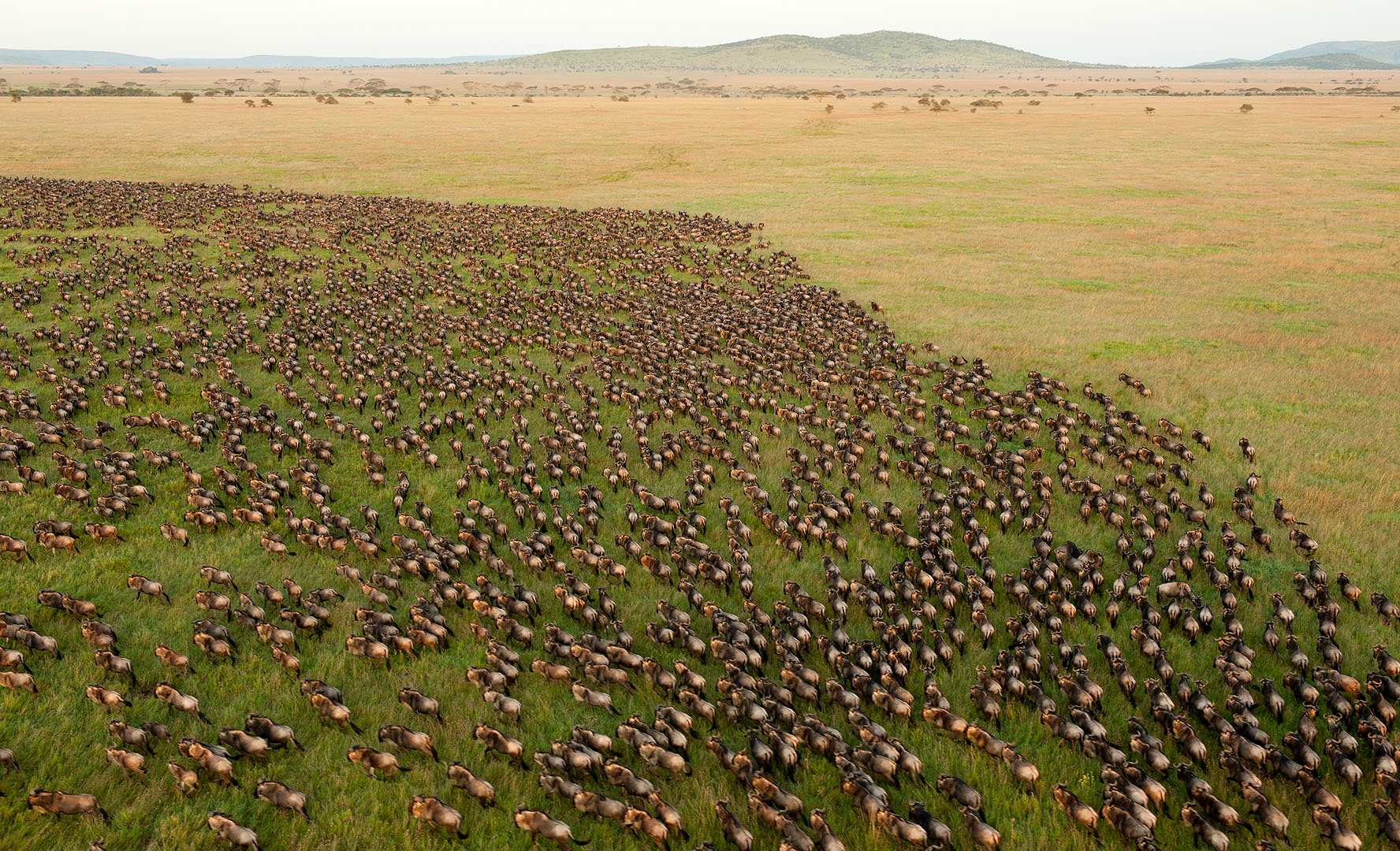
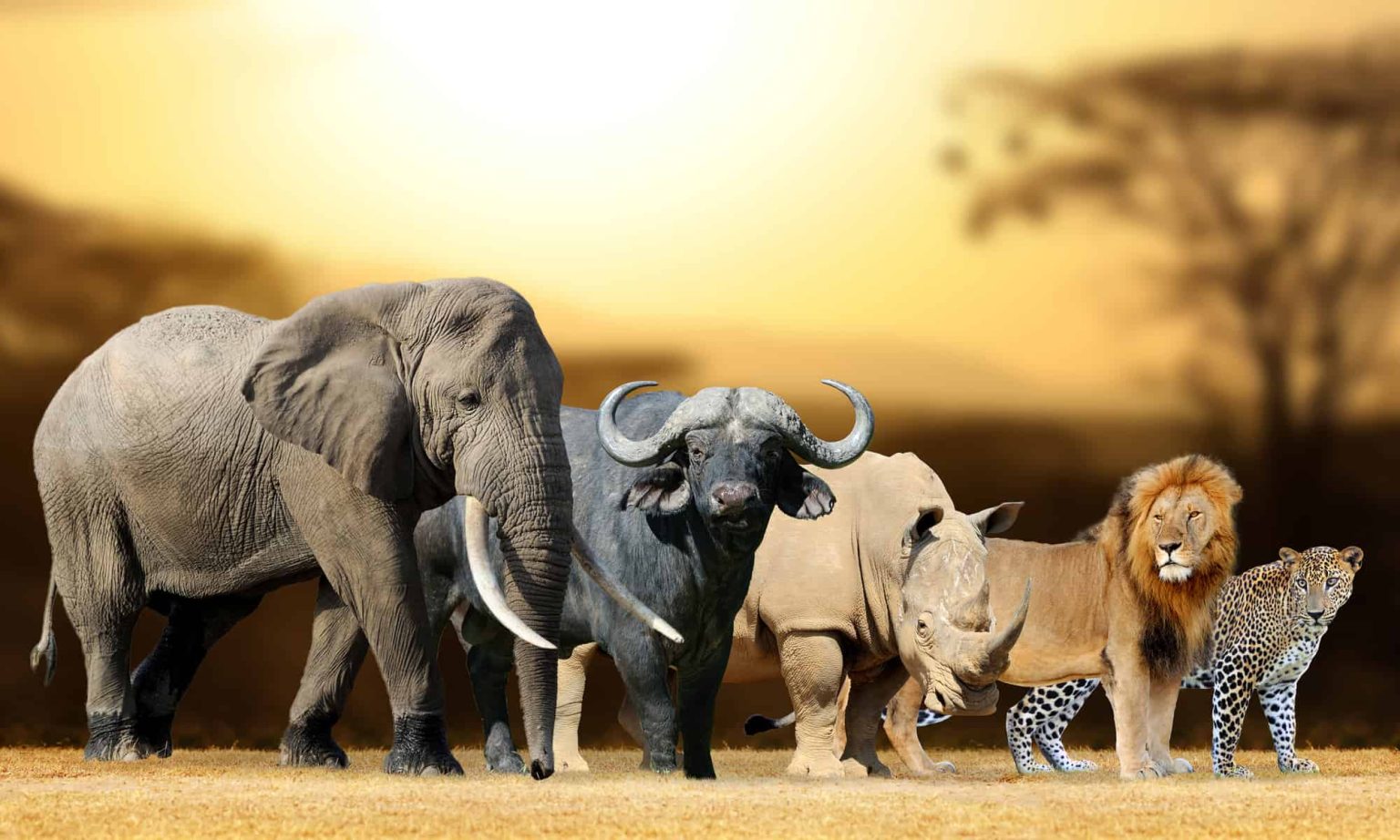
- Excellent wildlife viewing including the Big Five and wildebeest migration
