
What to Expect During Gorilla Trekking in Africa
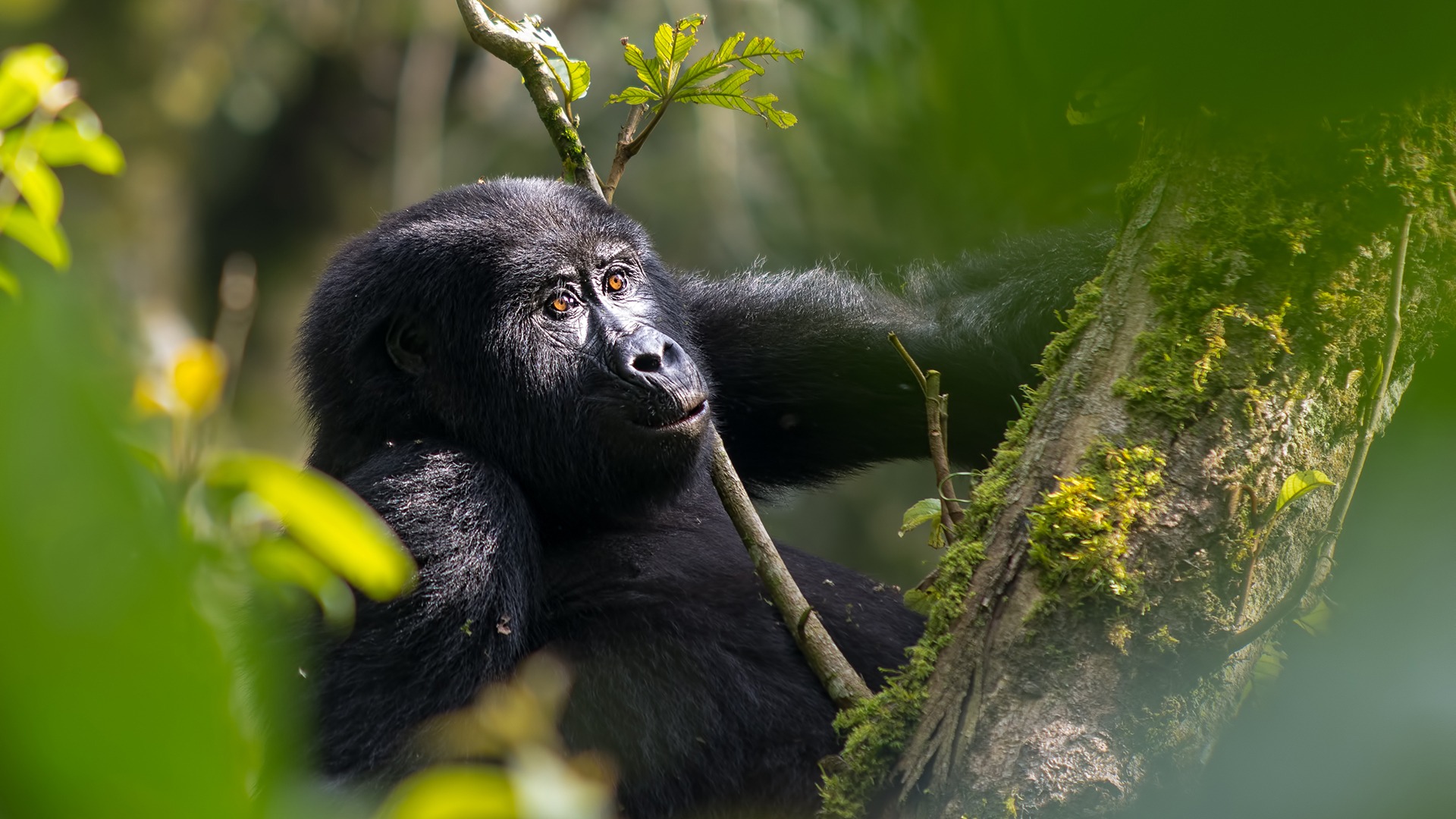
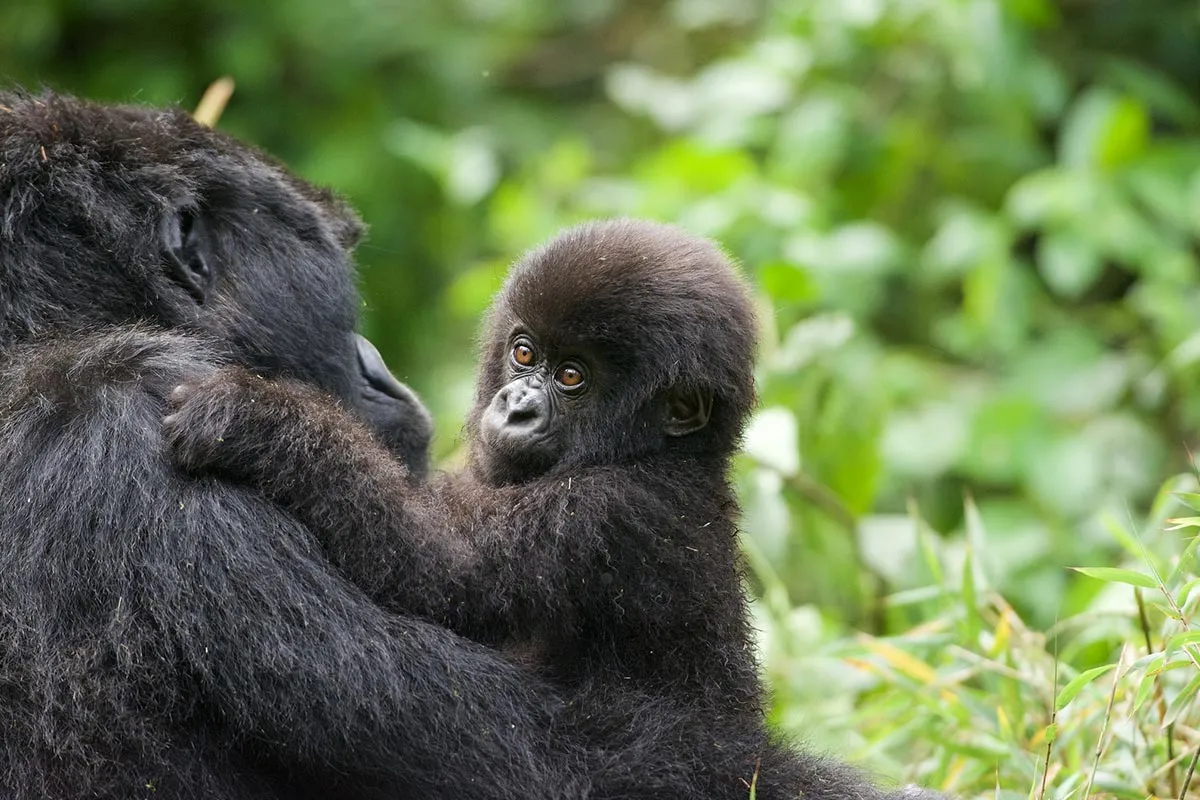
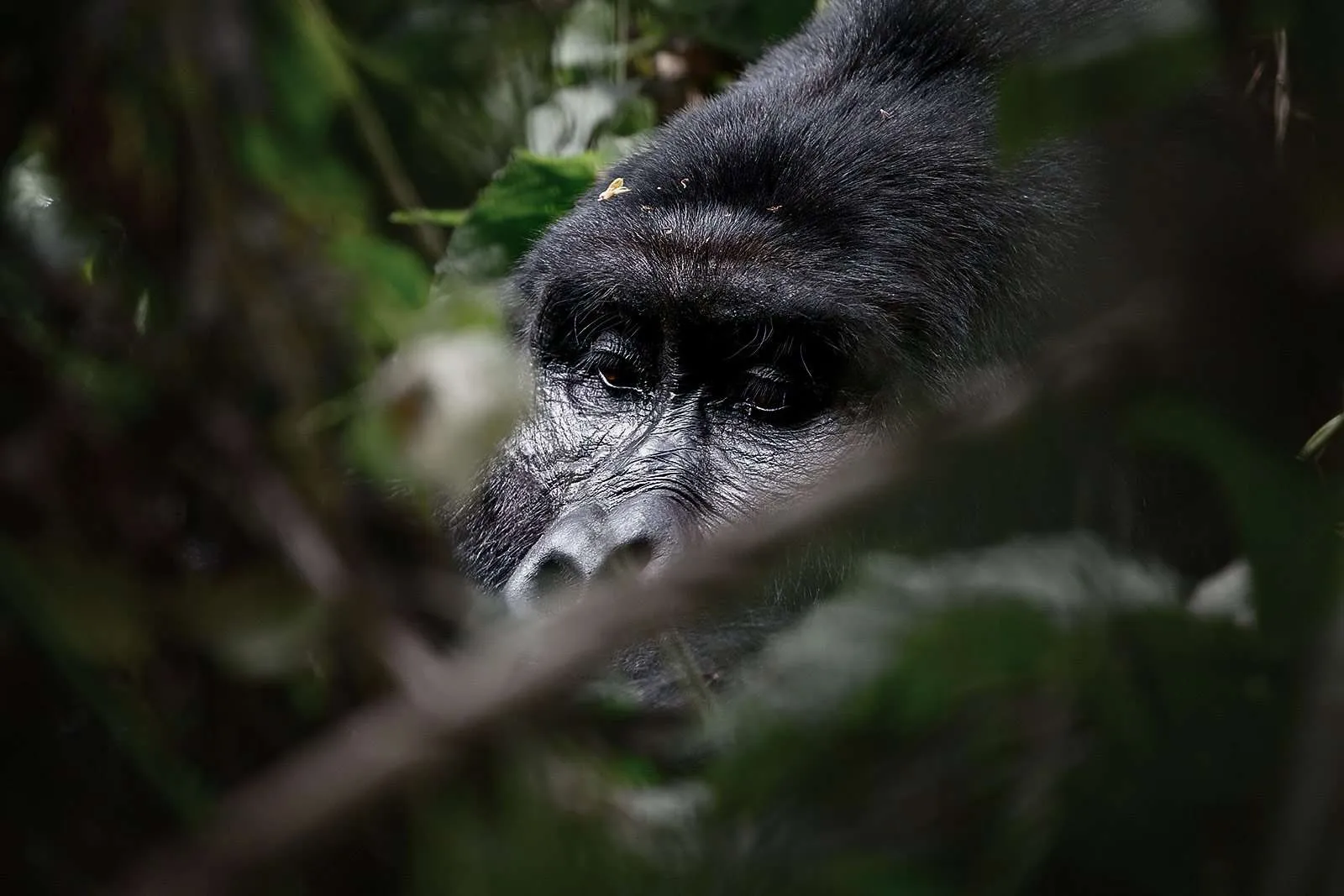
Gorilla trekking is one of the most intimate and awe-inspiring wildlife experiences and highly sought-after. Locking eyes with a distant relative with whom we share 98% of our DNA on the cold floor of one of Africa’s dense rainforests is a profound and unsurpassable experience that remains with you forever. Part of the excitement of tracking these endangered species is wondering exactly where you will find them—in their natural habitat as they cannot thrive in captivity.
As their name suggests, mountain gorillas live in mountainous areas reaching a height of 14,763 feet (4,500 meters) above sea level in rugged, steep terrain and forested areas. You will hike up these high-altitude regions through dense vegetation, muddy terrain, steep hills, and streams to have a great chance of seeing them.
The activity can be tiring and some visitors may find it very strenuous and challenging. Consequently, anyone intending to track must consider their fitness levels. Keep your own pace and drink plenty of water to avoid getting dehydrated.
There are approximately 1,063 mountain gorillas left in the wild. Uganda alone is home to over half the world’s remaining population in Bwindi Impenetrable National Park and Mgahinga Gorilla National Park. The rest are in Rwanda’s Volcanoes National Park and the DR Congo’s Viringa National Park.
Trekking through the lush forests to observe these rare and endangered creatures is a unique once-in-a-lifetime adventure. Whether you’re a seasoned traveler or a first-timer, here’s what you need to know about what to expect on a gorilla tracking excursion.
What to expect on a gorilla tracking excursion
1. Early Morning Transfer to the Park Headquarters for Briefing
You’ll wake up to a sumptuous breakfast—your lodge should provide you with a packed lunch and plenty of drinking water. Just to be sure, check that the packed lunch has been organized the night before the trek. Don’t forget to carry your rain gear. This is a tropical rainforest, so even though the weather looks fine before the hike, expect sudden downpours. The higher you get, the more it rains.
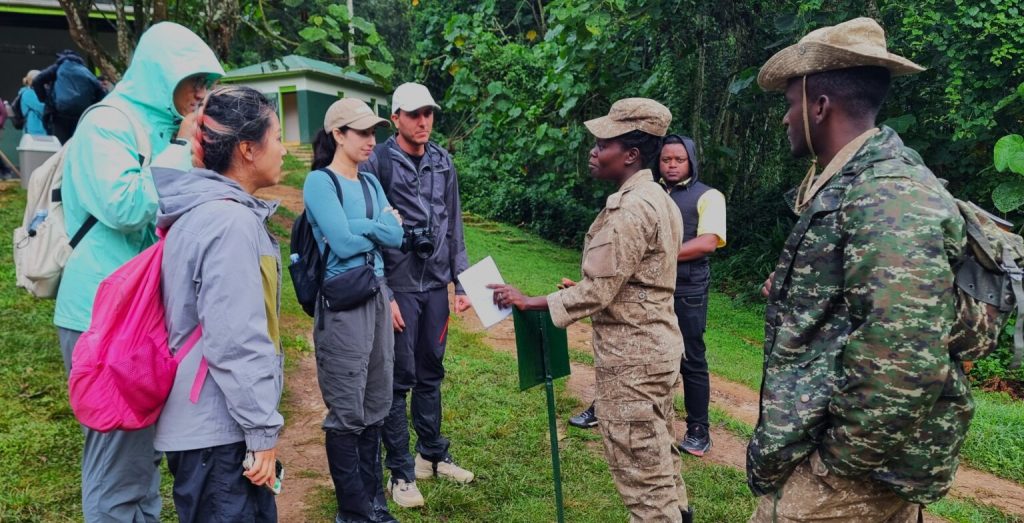
Your driver will transfer you to the park headquarters for gorilla tracking registration and a mandatory safety and rules briefing at 7.45 am and the excursion usually begins at 8.30 am. In Uganda, briefing is conducted in one of the five visitor centre locations (Buhoma, Ruhija, Nkuringo, Rushaga, or Ntebeko in Mgahinga) while in Rwanda, it is managed at the Kinigi headquarters in a highly organized and time-conscious manner.
During the briefing, you’re reminded of the gorilla trekking rules which are aimed at protecting the gorillas, their precious habitat and the visitors (you). One of the main rules is that if you are feeling unwell in the morning of your trek, you are obliged to inform the authorities. They will decide whether you are healthy enough to trek.
Remember, mountain gorillas share roughly 98% of their DNA with humans. This makes them highly susceptible to human-borne illnesses. A cold or a mild flu can be fatal to them as they lack the immunity to fight human-borne diseases. You are also expected to respect your ranger’s instructions at all times. By adhering to these measures, you contribute to a safe and ethical encounter of the gorillas thus protecting them for future generations.
Porters are usually available at the trailhead. After your briefing, we highly recommend hiring one to carry your gear. This adds comfort to your journey—you will be glad that you did! You will also be directly supporting the local community.
2. Assigning Groups
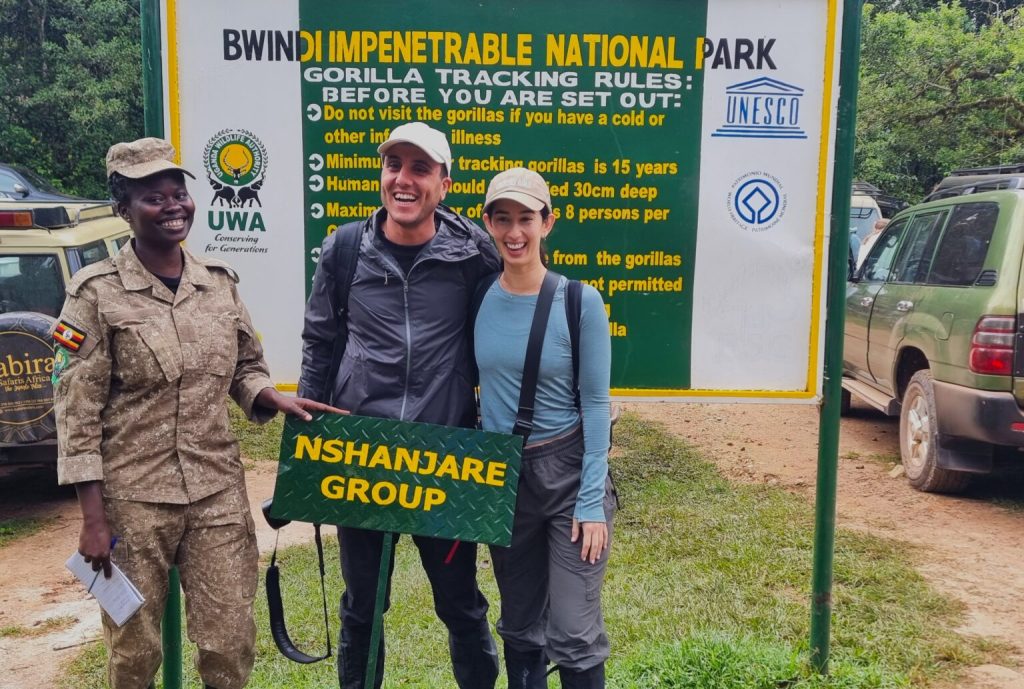
Here, you will be divided into small controlled groups of six to eight trekking travelers, an expert tracker, and two armed rangers depending on which destination you go to and then be assigned to a specific gorilla family that best matches your fitness level and interests. Because trekking is conducted in untamed areas, armed rangers are assigned to protect trekkers from anything that could pose a threat or be potentially harmful.
Some gorilla families are easier to track than others. It all depends on the size of their feeding range, the altitude or distance they cover during the day, and where they built their nests the night before. Generally, the hike could last anywhere from 1 to 8 hours before you find them.
Regardless of how far you go, you’ll not only enjoy seeing the gorillas but also the incredible beauty of the countryside, making the trek a wonderful part of the whole experience.
3. The Trekking Excursion
Finally, this is when the actual trekking begins. First, maintain flexible expectations because gorilla trekking is inherently unpredictable. Depending on where the gorillas moved overnight, you could hike for a short time or navigate the trails for several hours.
In Uganda, the experience is more adventurous as you’ll be hiking through steep slopes and thick undergrowth of Bwindi Impenetrable Forest. This contrasts with Rwanda’s easily accessible trails and less dense vegetation though treks are physically demanding due to high altitudes and long climbs.
Physical ability for gorilla tracking: The combination of altitude and humidity can make the trek feel demanding but as you explore the forest, the guides maintain a steady pace with frequent stops to accommodate your physical fitness level.
Led by a machete-wielding guide who clears the route, you’ll walk into the forest to find a habituated family of these endangered species. The expert tracker carries a walkie-talkie to communicate with other rangers and trackers from the previous day’s gorilla sightings to make it possible for them to guide you to the exact location of the gorillas.
4. The Encounter with Mountain Gorillas
After finding the gorillas, you’ll be asked to leave your bags and non-essentials behind so you can approach them more closely. Get your cameras ready but flash photography is not allowed.
Take time to simply enjoy the presence of these amazing creatures as they go about their daily lives. You will see them foraging, watch the dominant silverback protecting his family or the juveniles playing in the trees, Occasionally, they will approach closer than expected but the rangers will ask you to step back.
You’ll be allowed to observe them quietly and respectfully for a maximum of one hour from a safe but intimate distance of 7 meters, an experience that feels both intense and emotional. The opportunity to spend a whole hour sitting quietly on the chilly ground of one of Africa’s rainforests is one of life’s greatest gifts.
5. Back to Base
After the tracking experience, you’ll go back to the trekking trailhead to receive your gorilla trekking certificate and then head back to your lodge. The route back to the trailhead or park headquarters is often shorter, although some tracks may require you to climb back uphill in places.
Tracking gorillas in their natural habitat directly supports conservation efforts and population growth.