


Age Limit for Gorilla Trekking in Uganda, Rwanda and the D.R. Congo
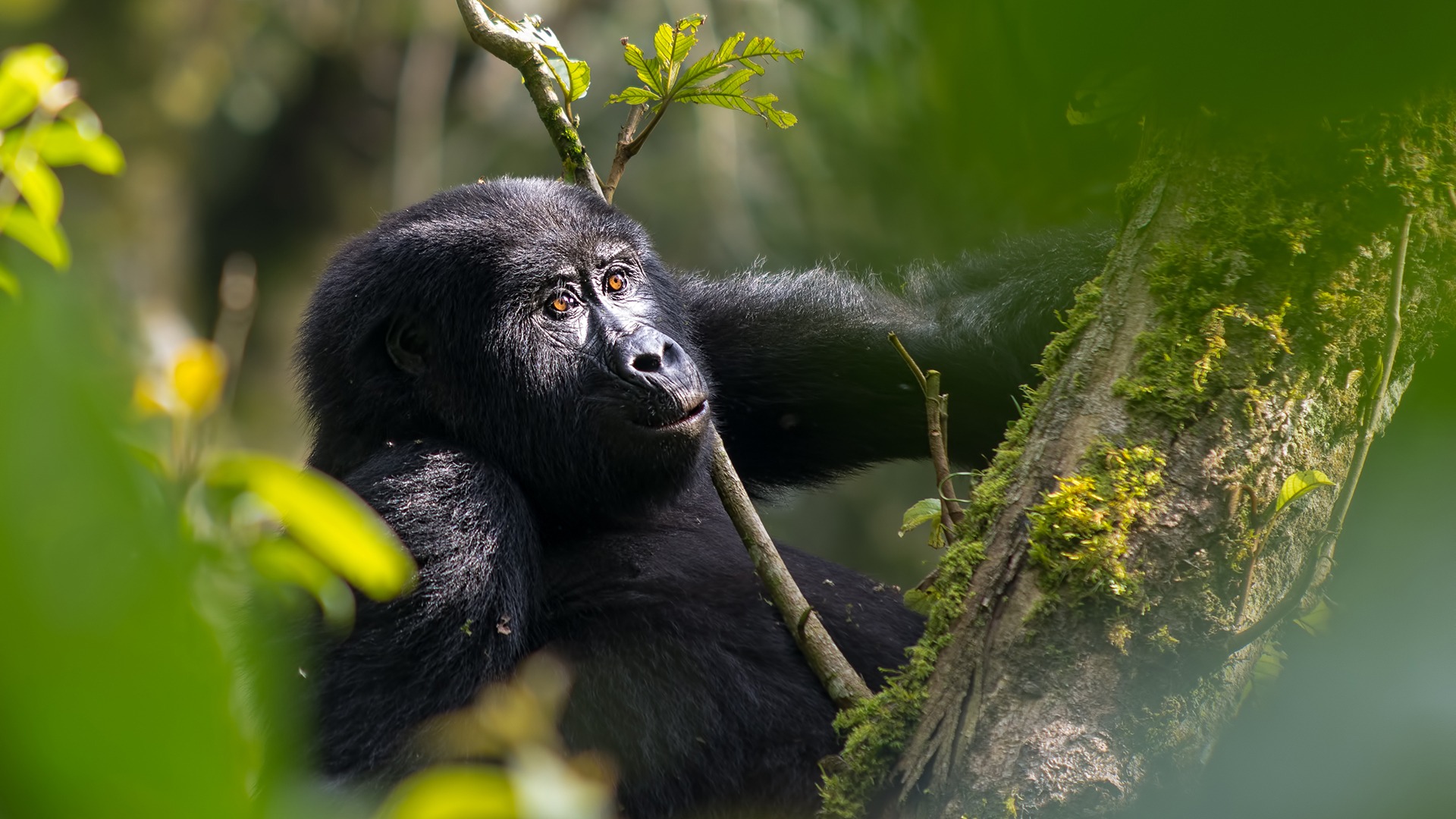
With a global population of approximately 1,063 mountain gorillas left in the wild, trekking into their natural habitat is the only way of seeing these critically endangered species, as they cannot thrive in captivity.
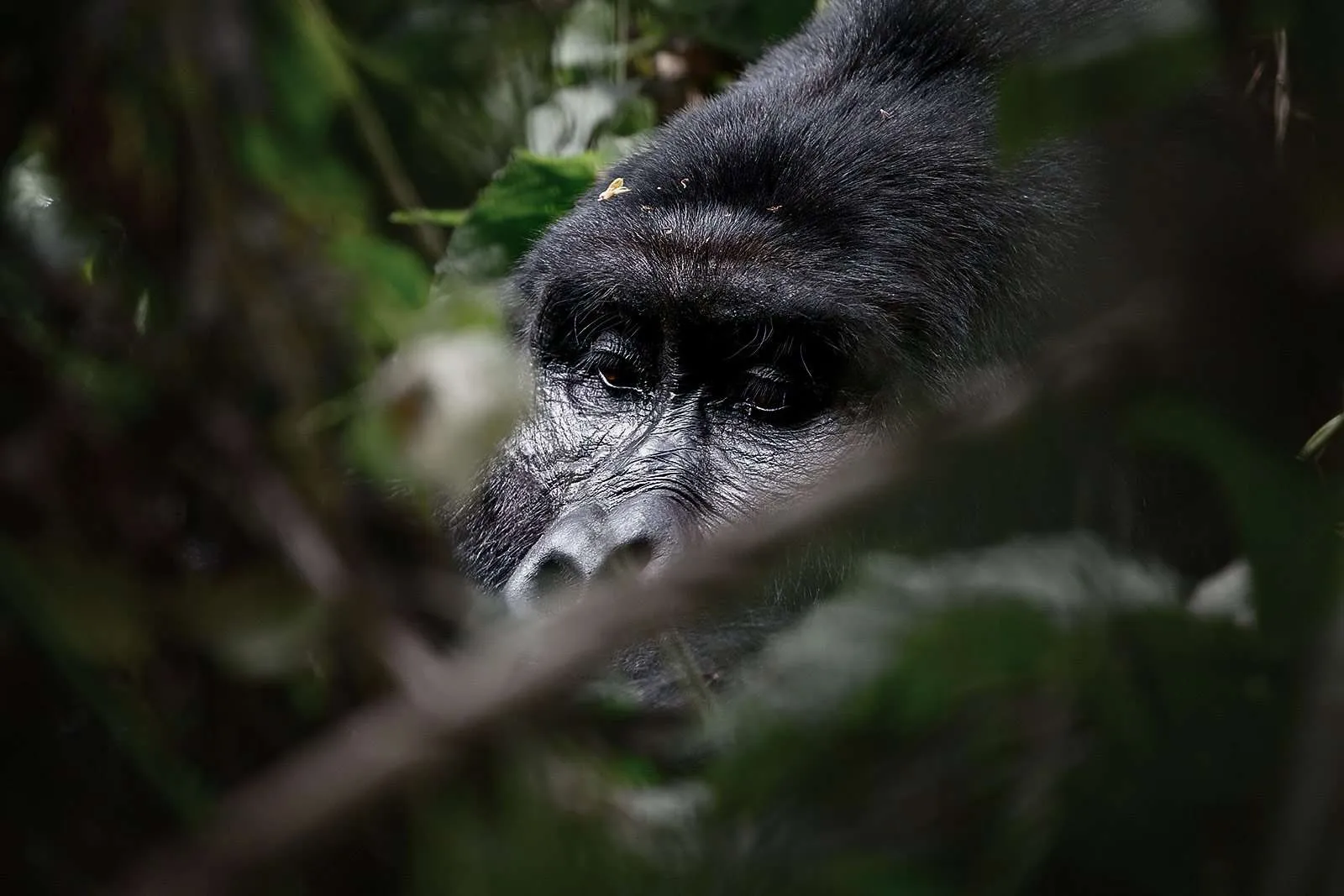
Gorilla trekking in the misty emerald rainforests of Africa and coming face-to-face with a 500-pound (135 to 230 kg) silverback protecting his family in the wild is arguably one of life’s greatest privileges. However, to have the opportunity to see them, you must have met the minimum age requirement.
What is the minimum age for gorilla tracking?
The minimum age for gorilla trekking is 15 years, meaning you must be 15 years or older to be allowed to see the gorillas in their natural habitat. Any visitor below this age is considered young and vulnerable and not fit to go trekking. This rule applies to Uganda, Rwanda and the D.R. Congo and it is aimed at ensuring the safety of both the gorillas and visitors.
Then why exactly are children not allowed to participate in this awe-inspiring and humbling experience?
Why the age limit for gorilla tracking is 15 years
- Unpredictable reactions: Children have unpredictable reactions; they may scream, make sudden movements, or run in fear when seeing the gorillas at close range hence posing a risk to the entire team. Mountain gorillas are very calm and gentle in nature. However, when they feel threatened or misinterpret the actions of children, they can become aggressive. Their sheer size can also be intimidating and scare away young trackers.
- Physical challenges: Gorilla trekking involves long, strenuous hikes up steep, muddy terrain through dense vegetation, making it physically demanding. Children below the age of 15 may not have the strength or stamina needed to handle the hike.
- Health concerns: Mountain gorillas share roughly 98 % of their DNA with humans, making them highly susceptible to human illnesses and so children pose a risk of spreading communicable diseases to the primates. Besides, children are also prone to minor infections or diseases carried by a variety of wildlife, plants, and insects in the forest since they have weaker immune systems. So, protecting both the children and the wildlife from contracting diseases is paramount.
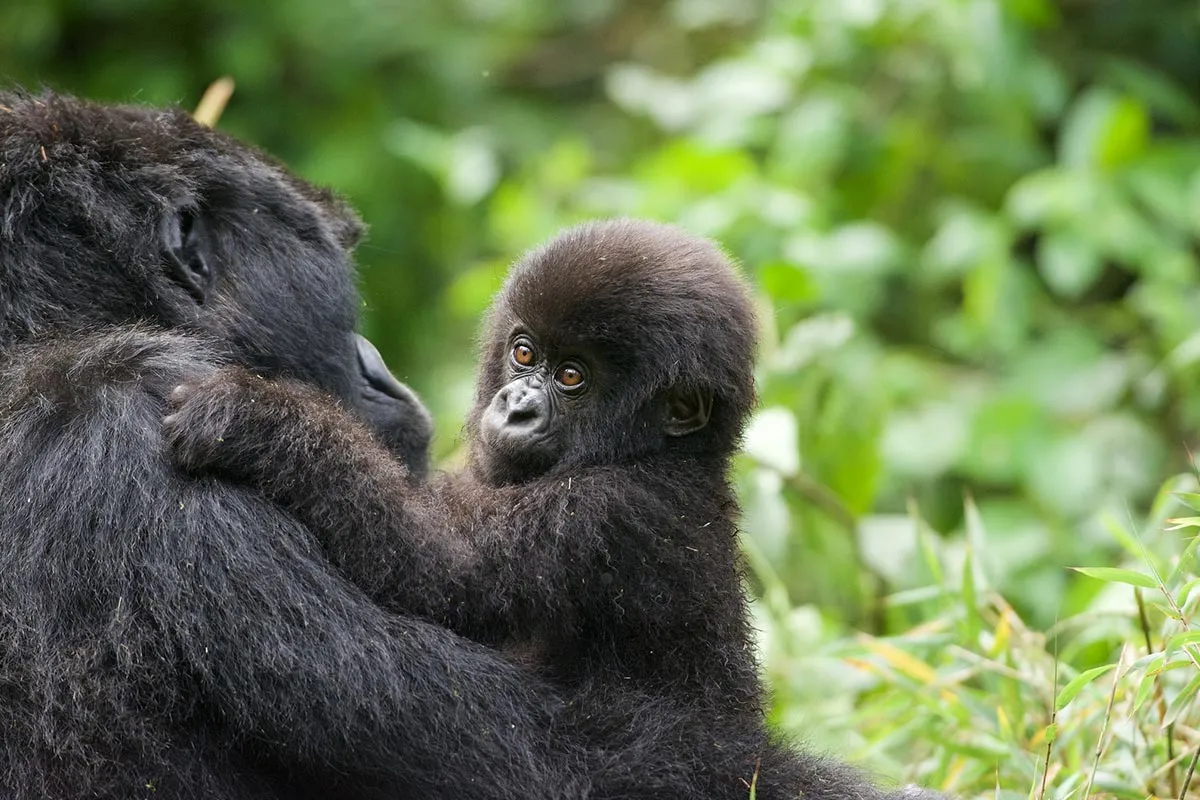
- Temptation to play: Children may not stay calm and quiet near the gorillas. They often want to play, and if they see a baby gorilla, they might be tempted to approach it yet one of the rules of gorilla trekking prohibits approaching or even touching the apes.
- Remembering instructions: It is important for visitors to adhere to the rules and regulations of gorilla trekking to ensure their safety. However, children may struggle to remember these rules, which could pose a risk to the whole group.
Circumstances under which children below the age of 15 may be allowed to track gorillas
While the minimum age for gorilla trekking in Uganda, Rwanda and the DR Congo is 15 years, there are a few exceptions in Uganda under which a child below this age may be allowed to trek.
If the child is 14 years old and about to turn 15 in the year of trekking provided, they are physically fit and mature enough to follow all rules and regulations. This exception is only possible in Bwindi Impenetrable National Park where the terrain is less steep and the dense forest cover shields the trekkers from direct sunlight. Parents will be required to provide a copy of their passport and current photos.
If the child is under 15 but at least 12 years old, certain conditions must be met:
- They must be accompanied by a parent or guardian who knows them well and can ensure their safety. The Uganda Wildlife Authority (UWA) requires the parent(s) to sign a consent letter or indemnity form to protect the organization from being held responsible in case of any mishap during the trek.
- The park warden will ensure the child is allocated to a gorilla family closest to the trailhead. The parents can hire extra porters to carry them in sedan chairs whenever they get tired.
- They must trek alongside an elder who understands them, to ensure the experience goes smoothly.
If a child is under 12 years old, they are too young to trek. Several child-friendly properties offer babysitting, short nature walks, and cultural village tours for children while parents trek.