
Africa’s most iconic and popular destinations for Safari
Looking for the most iconic destinations in Africa? Look no further! Africa is not just a single bucket list destination, but a vast and diverse continent offering an unparalleled mix of incredible landscapes, majestic wildlife, breathtaking adventures, ancient history, diverse culture and color.
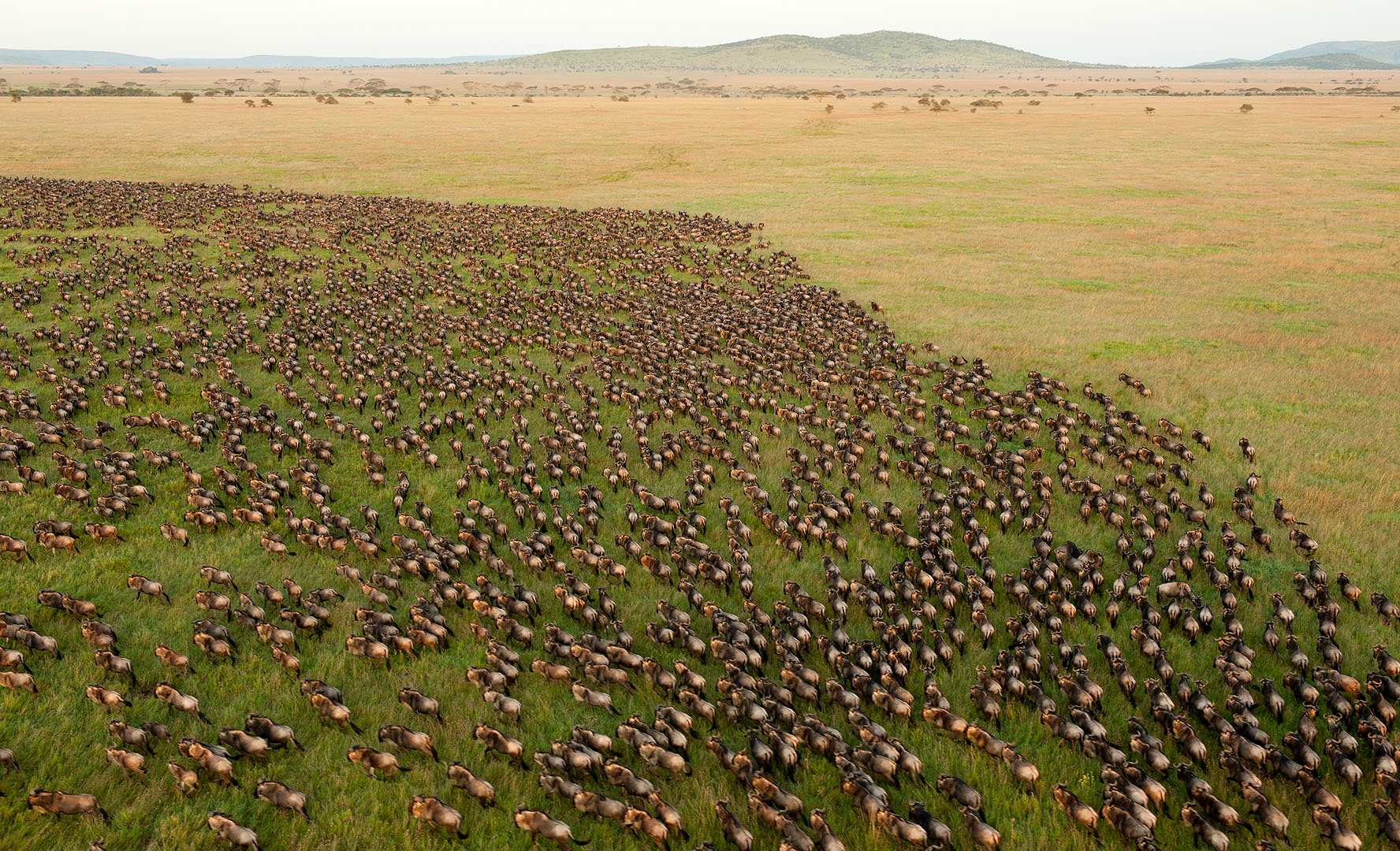
The Serengeti-Mara‘s Great Wildebeest Migration, where roughly 2 million wildebeest, zebra, and Thomson’s gazelle traverse the gold-colored landscape is the ultimate natural wonder and drawcard, while the magnificent Victoria Falls, one of the Seven Wonders of the Natural World is a display of nature’s true masterpiece and a bucket list for many adventure travelers.
From the shifting dunes of the Namib desert to the mist-covered tropical rainforests of Uganda and Rwanda teeming with wildlife, the great continent of Africa promises a magical allure for both the first timer and seasoned traveler. Here are some of Africa’s most iconic and popular destinations to add to your Africa safari bucket list.
1. Masai Mara, Kenya
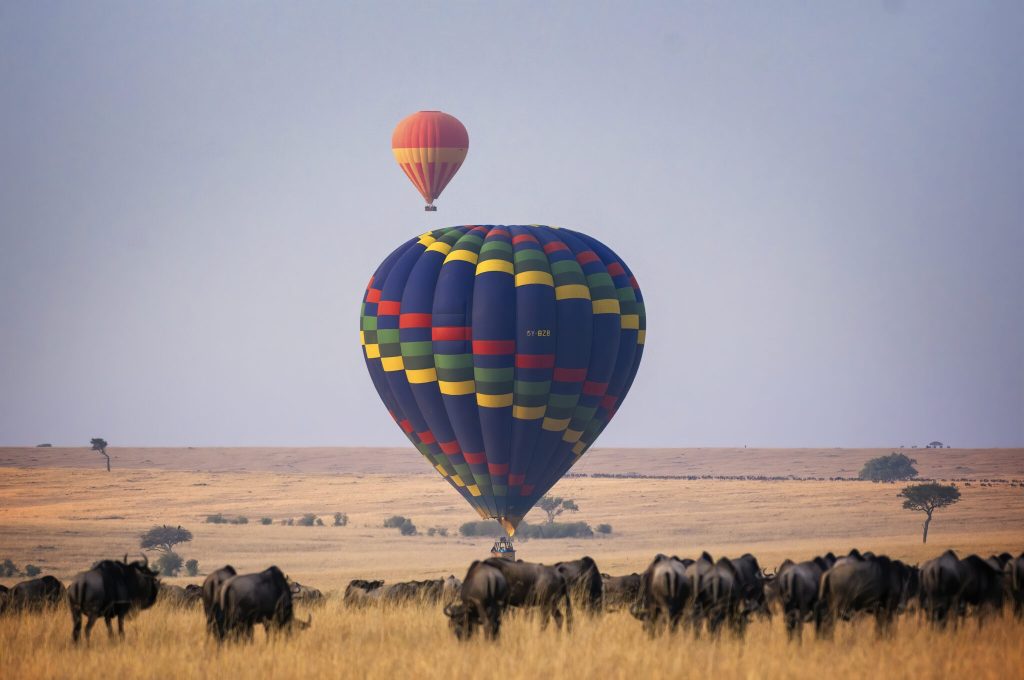
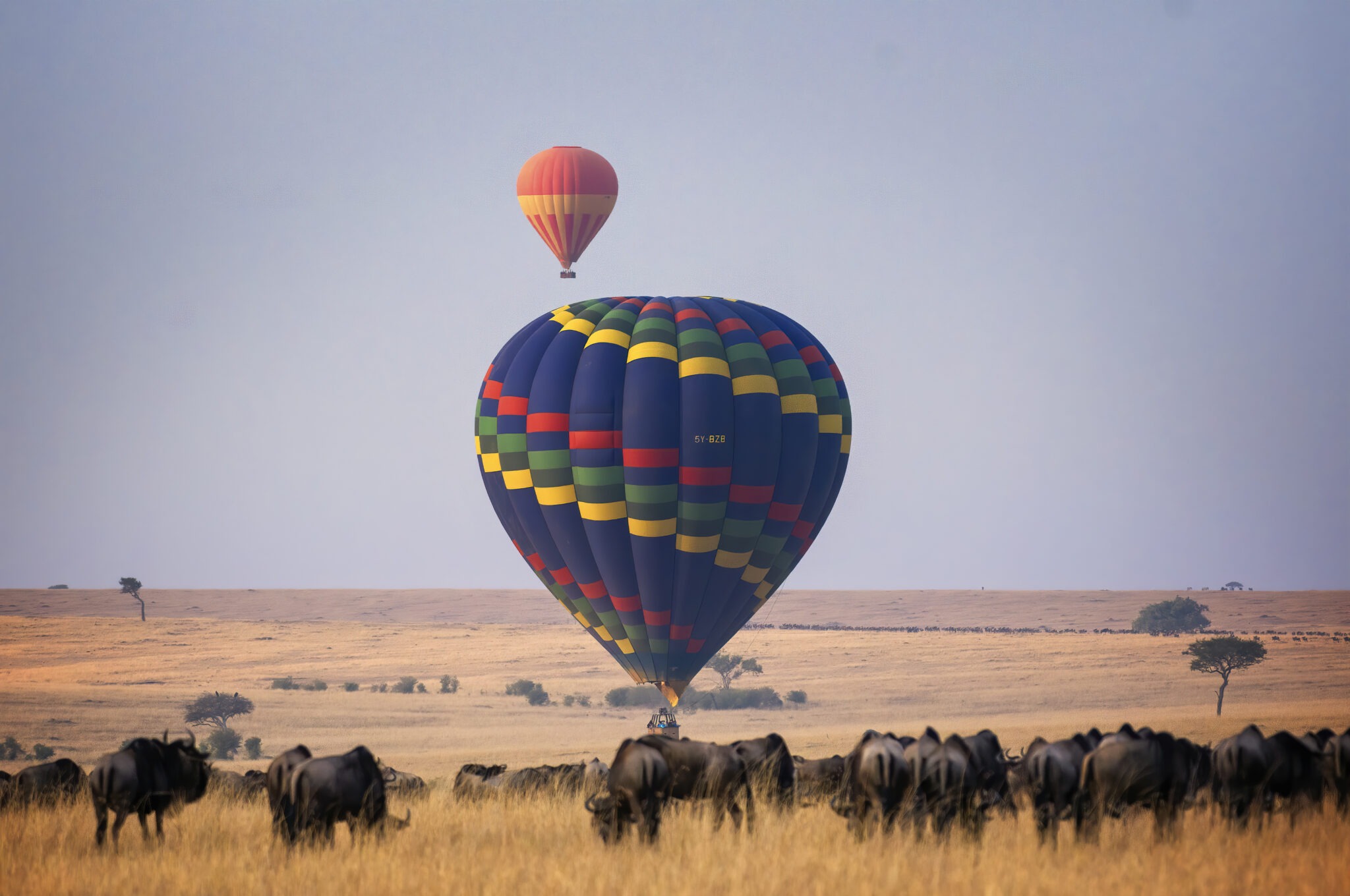
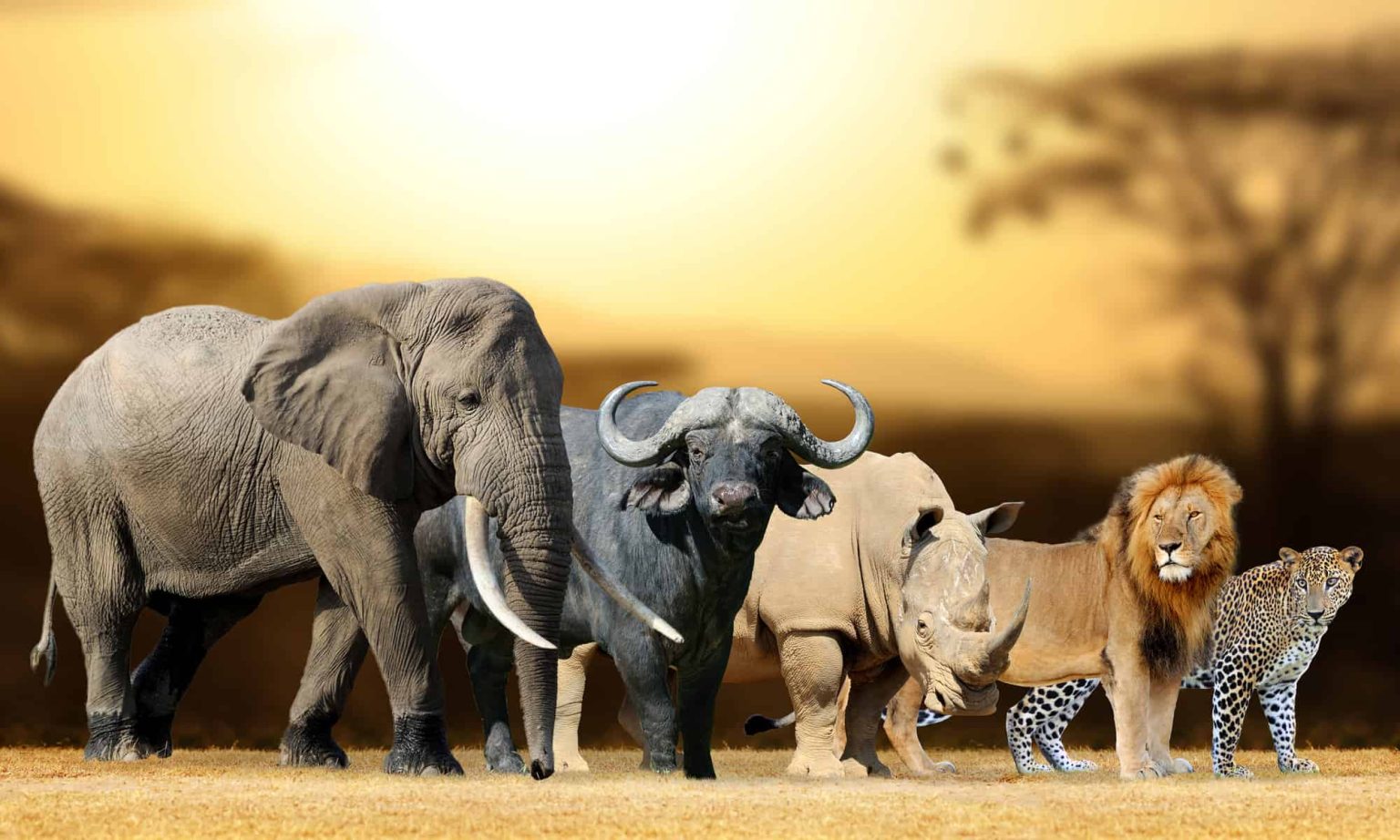
Masai Mara is one of Africa’s legendary destinations and is known for hosting the world-renowned wildebeest migration, in which hundreds of thousands of wildebeest and other herbivores journey across the Serengeti-Mara ecosystem, making it one of the planet’s most spectacular wildlife movements. Masai Mara also yields incredible Big 5 and big cat sightings, offering the opportunity to see Africa’s top predators in action.
Visit between January and March to see the wildebeest calving in the southern Serengeti and Ndutu plains of Tanzania where over half a million calves, upwards of 8,000 per day are birthed; or, visit between mid-July and August for the perilous Mara River crossing where herds plunge into the crocodile-infested Mara River after months of running the gauntlet of big cat ambushes.
2. Mount Kilimanjaro, Tanzania
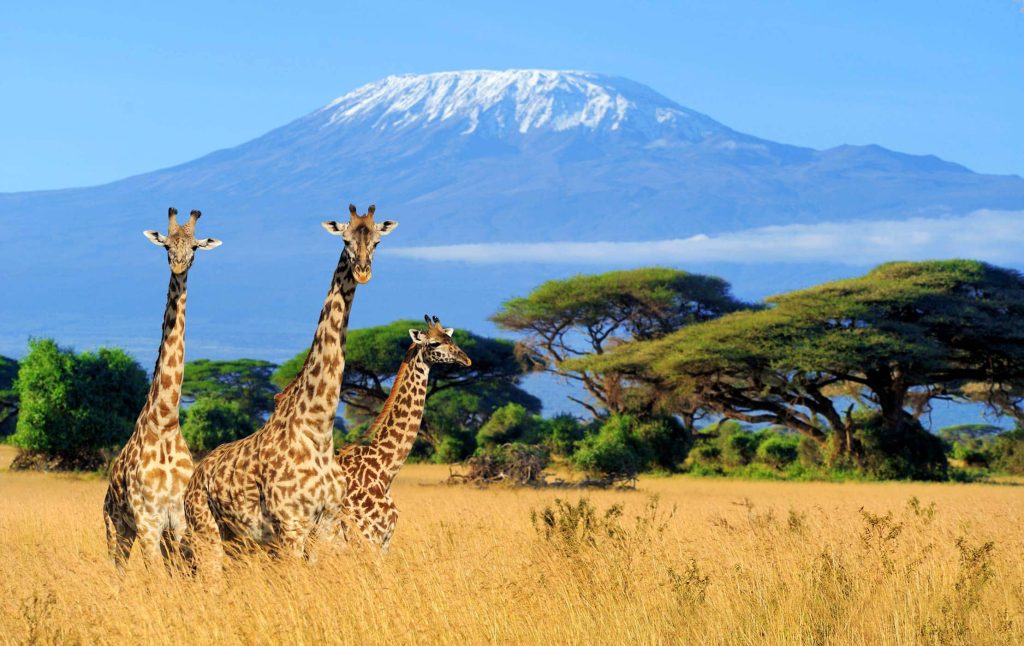
Rising 5,895 metres (19,341 feet) above sea level, Mount Kilimanjaro is Africa’s highest peak and the world’s tallest free-standing mountain. This solitary giant attracts up to 50,000 climbers each year to scale its snow-dusted summit, making it one of the world’s most iconic natural landmarks.
It represents the sort of challenge for climbers that can be overcome without technical skills. The hike passes through five distinct ecological zones, from lush rainforest to alpine meadows and barren lunar landscape, ultimately reaching the stark, icy crater at Uhuru Peak which gleams under equatorial skies with breathtaking views. Each step upward feels like crossing a continent.
Mount Kilimanjaro has been the most important source of water for the Chagga people, and its volcanic soils are rich with nutrients.
Best time to climb Mount Kilimanjaro: Although Mountain weather can be unpredictable, the best time for climbing Mount Kilimanjaro is during the dry seasons from December to early March and June to October when the skies are clearer and conditions for summit success are better. Hiking during the height of the rainy season is usually avoided for safety reasons.
3. Victoria Falls, Zambia/Zimbabwe
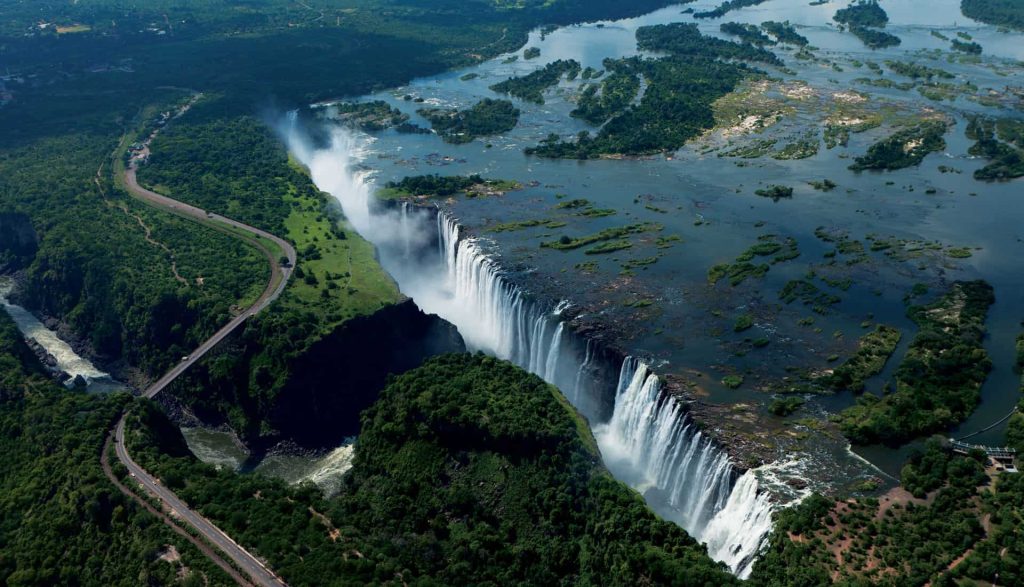
No Africa bucket list is complete without the iconic Victoria Falls, a UNESCO World Heritage Site and one of the seven natural wonders of the world.
Locally known as Mosi-oa-Tunya, meaning The Smoke that Thunders, this iconic gem transforms into a majestic water spectacle when the Zambezi River tumbles over 100 metres into the Batoka Gorge in full flood. Its spray creates a stunning visual masterpiece that looks much like smoke, visible from 30 kilometres away and the rumble can be heard long before you reach the falls.
Whether you view the falls from Zimbabwe or Zambia, each country offers a uniquely diverse way of experiencing it. Victoria Falls offers some of the most thrilling experiences for both the brave and adventurous. You can embark on the adrenaline-surging walk across Zambia’s Knife-Edge Bridge or go white water rafting in Zambezi River’s fierce waters.
Best time to visit the Victoria Falls: between February and May after the summer rains, when the falls are at their greatest volume and most dramatic.
4. Table Mountain, Cape Town, South Africa
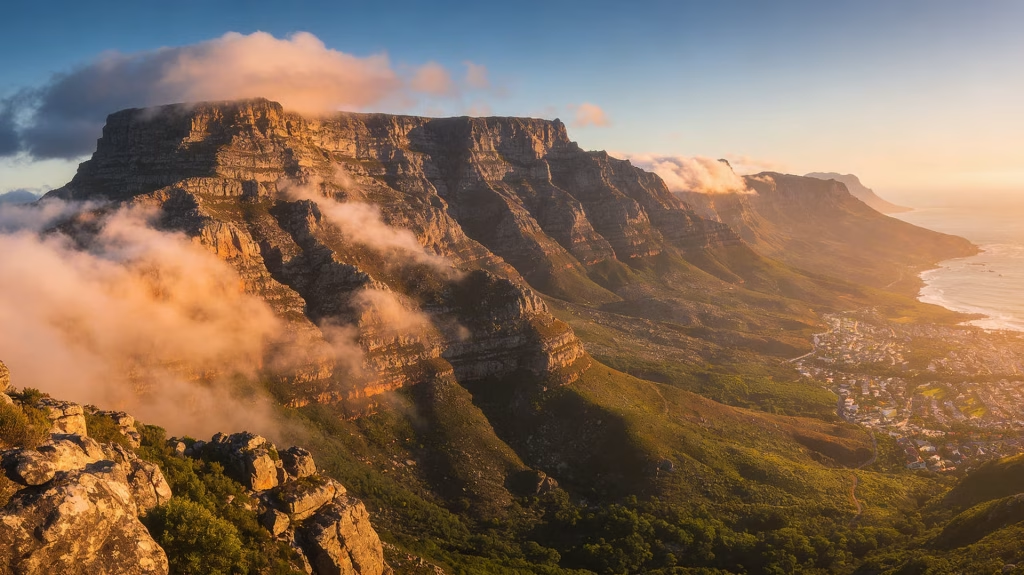
Table Mountain, an iconic, flat-topped mountain is situated in Cape Town, a stunning coastal metropolis offering vibrant culture, dramatic cliffs, and world-class wine. The park attracts roughly 4.2 million people every year, making it the most visited national park in South Africa.
The mountain is part of a range that ends at Cape Point, and features a more complex shape than its front view suggests. While numerous hiking trails wind their way up, the cable car offers the easiest ascent, ultimately rewarding climbers with spectacular views of the mountain and ocean from the summit, fantastic sunrises or sunsets and great opportunities for taking photos.
Table Mountain is globally recognized for its biodiversity stemming from its unique and incredible fauna and flora including the fynbos and iconic dassies. The dassies look like rabbit-sized guinea pigs although, amazingly, distantly related to the elephant.
Best time to visit Cape Town: During South Africa’s late spring and summer months, roughly from November to February. These months offer memorable views, good weather and a great time for safaris.
5. Sossusvlei Dunes, Namibia
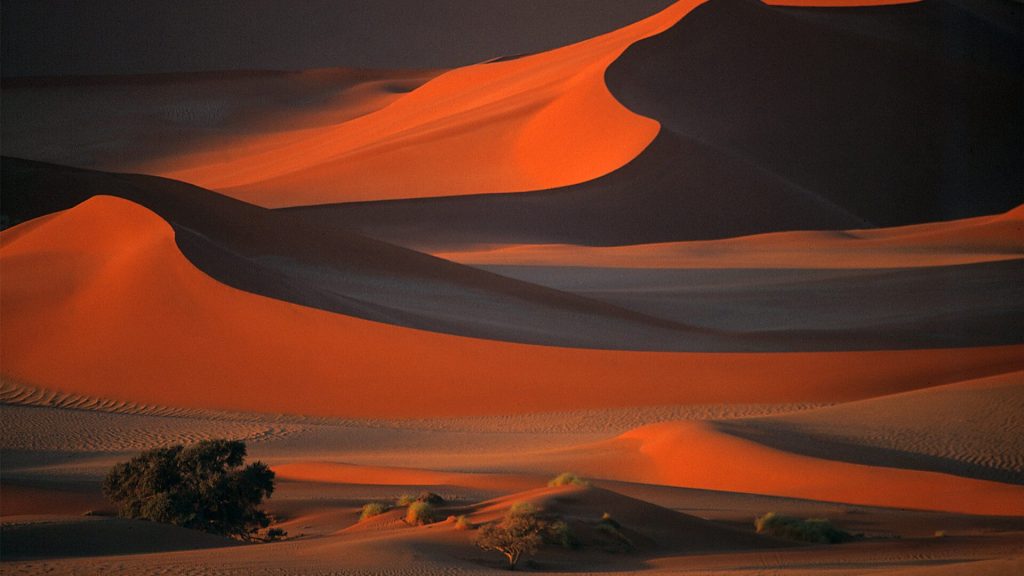
Sossusvlei is widely considered Namibia’s most spectacular and outstanding attraction. Located in the Namib-Naukluft National Park, this breathtaking salt and clay pan is famous for its towering heights, striking crimson-hued ochre dunes and otherworldly landscapes amidst the ancient Namib Desert.
Although called a “dead-end marsh”, there’s nothing lifeless about these vast, sculpted dunes, some soaring up to 400 metres (984 feet) high. Those who brave this area are rewarded with breathtaking views and wonderful photographic opportunities in the beautiful morning and evening light as well as the surreal, stark scenery of Deadvlei.
6. Zanzibar, Tanzania
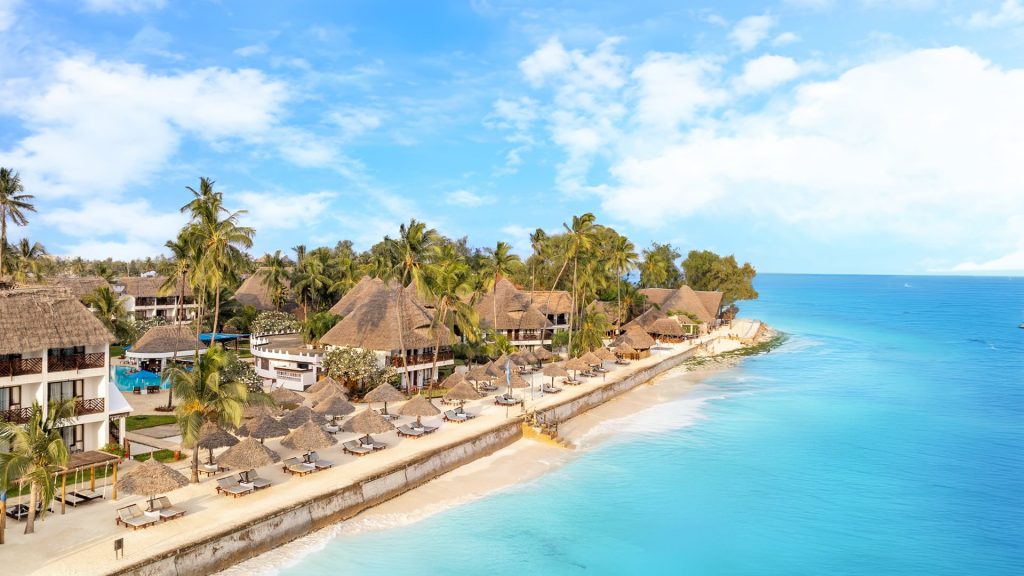
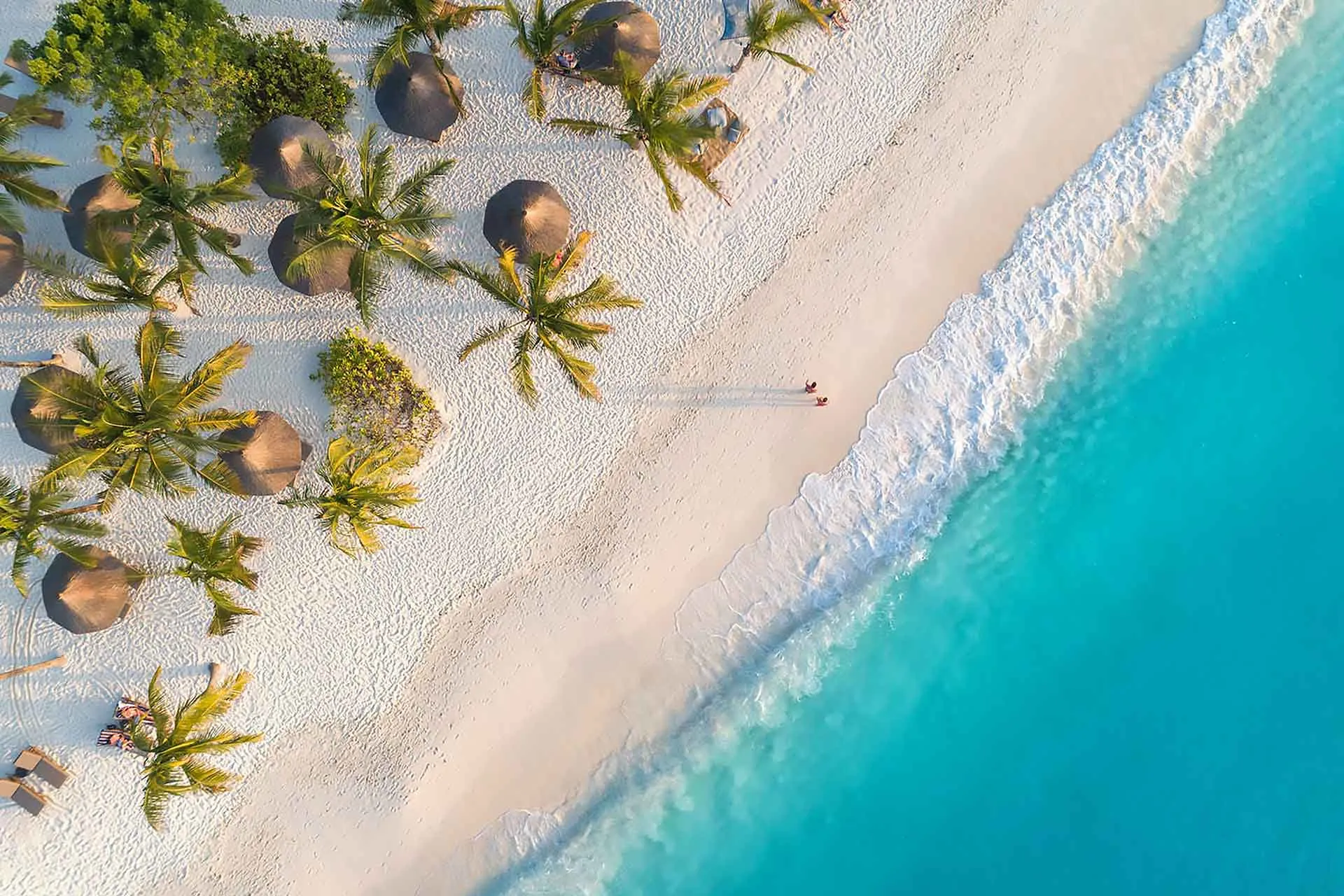
Off the coast of Tanzania in the Indian Ocean lies Zanzibar, a semi-autonomous archipelago famous for the historic Stone Town, vibrant spice tours, deeply rooted Swahili-Arab culture, idyllic white-sand beaches and a number of smaller islands. It offers one of the best places for a laid-back beach experience especially, after an inland safari.
Primarily known as the “Spice Island”, Zanzibar has a history intertwined with a thriving spice trade that has left a lasting imprint on the island’s culture, economy, and identity. Its strategic location in the Indian Ocean drew in a unique blend of African, Arab, Persian, Indian, and European influences, each offering a rich culture and heritage to experience.
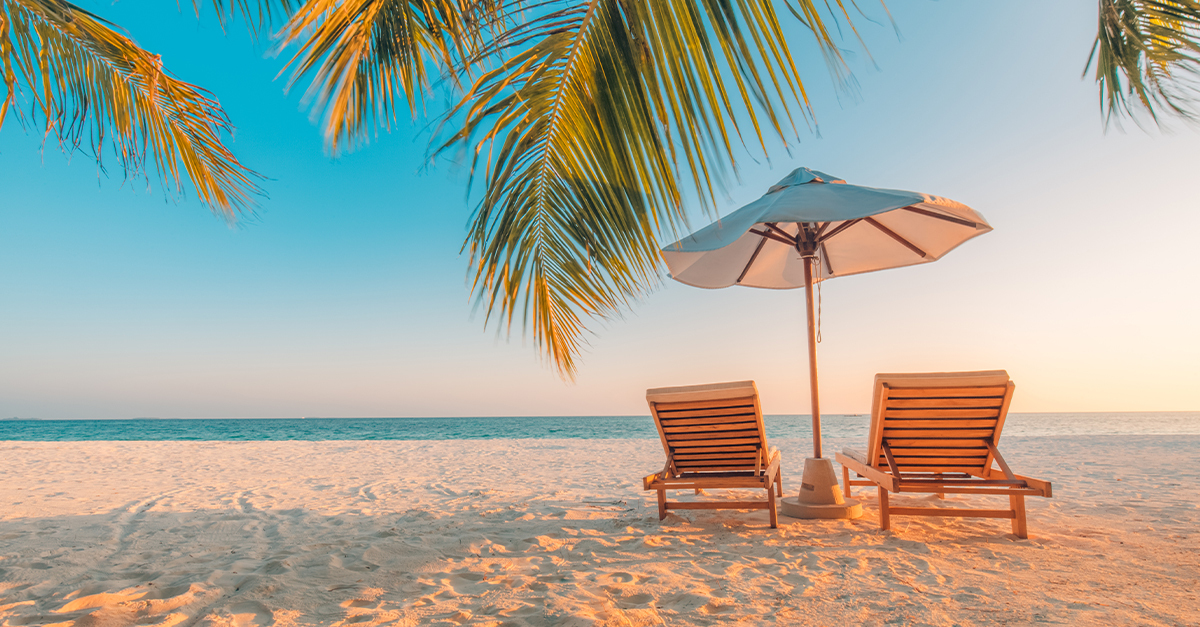
Visitors will be enthralled by the timeless beauty of its fascinating islands but the most alluring features are the beguiling, crystal-clear turquoise waters that contrast against the swaying palm trees and white sandy beaches. The villages are a delight to wander around in, the winding alleys are also worth exploring, and the island caters to every style and budget.
7. Bwindi Impenetrable Forest, Uganda
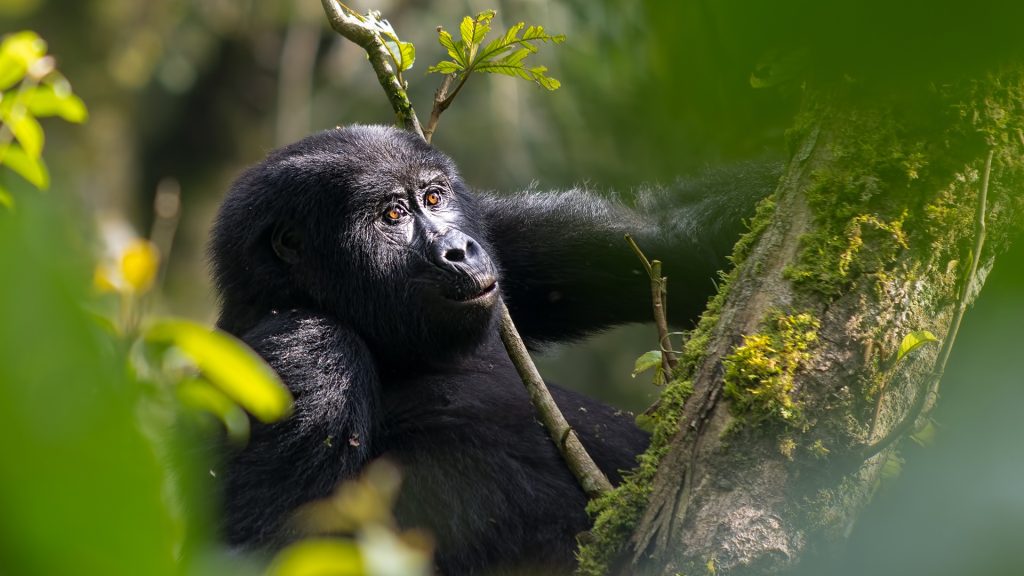
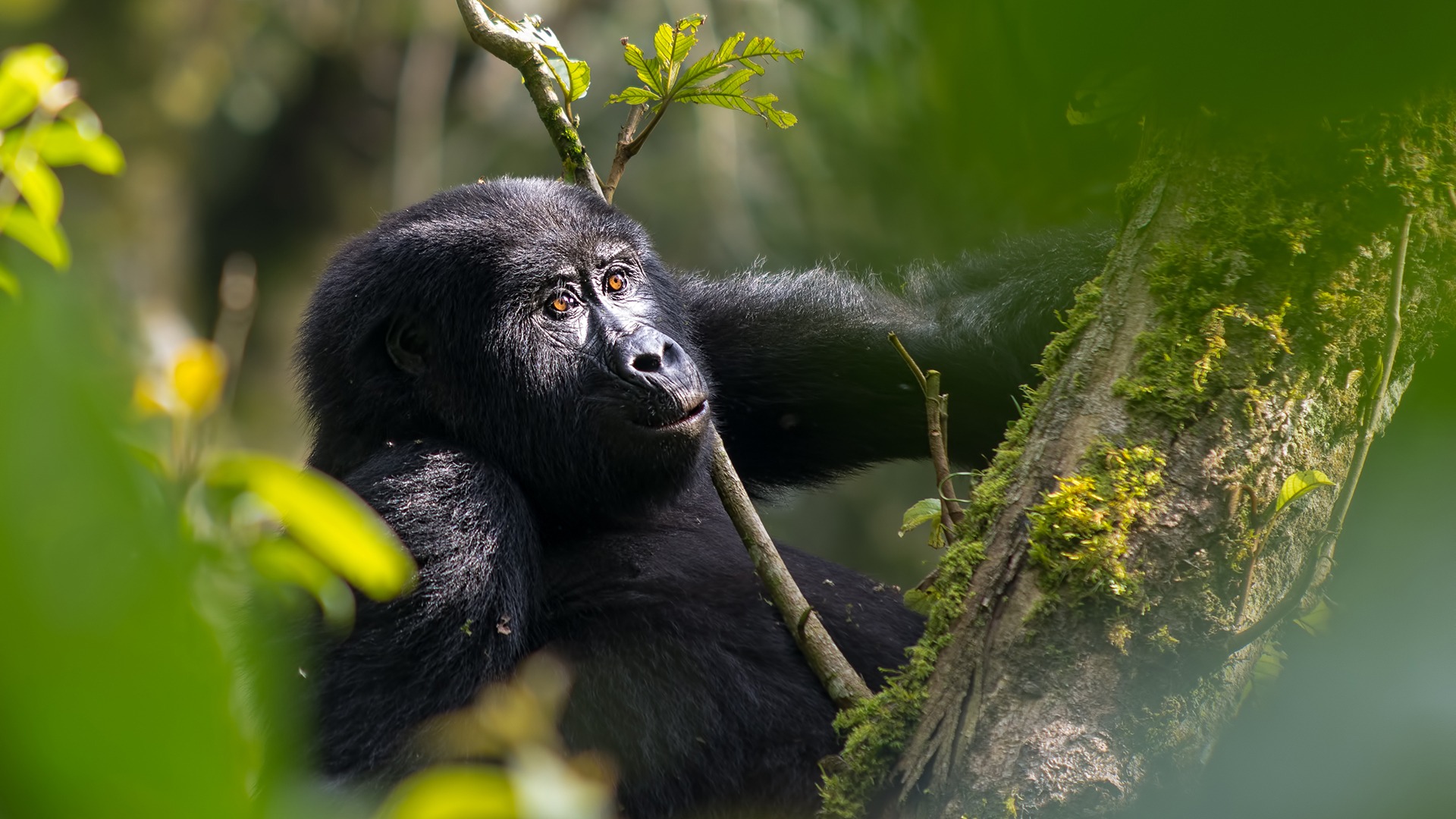
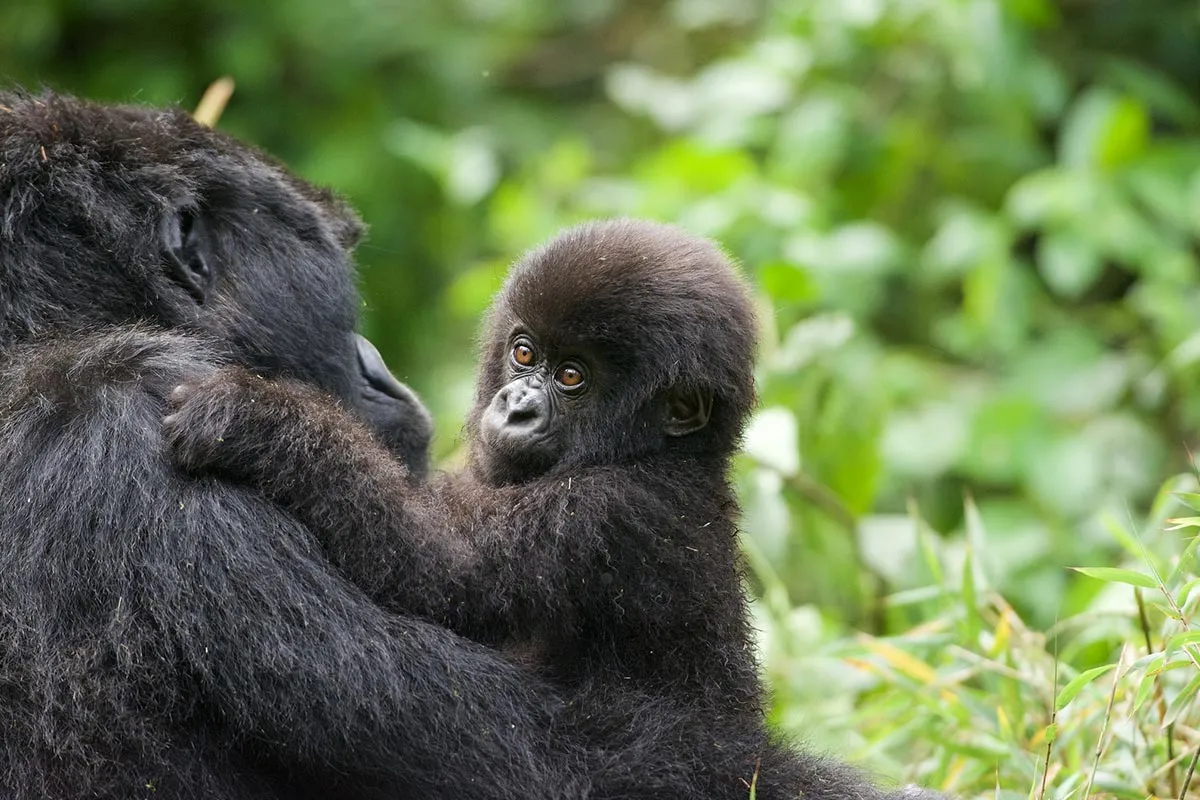
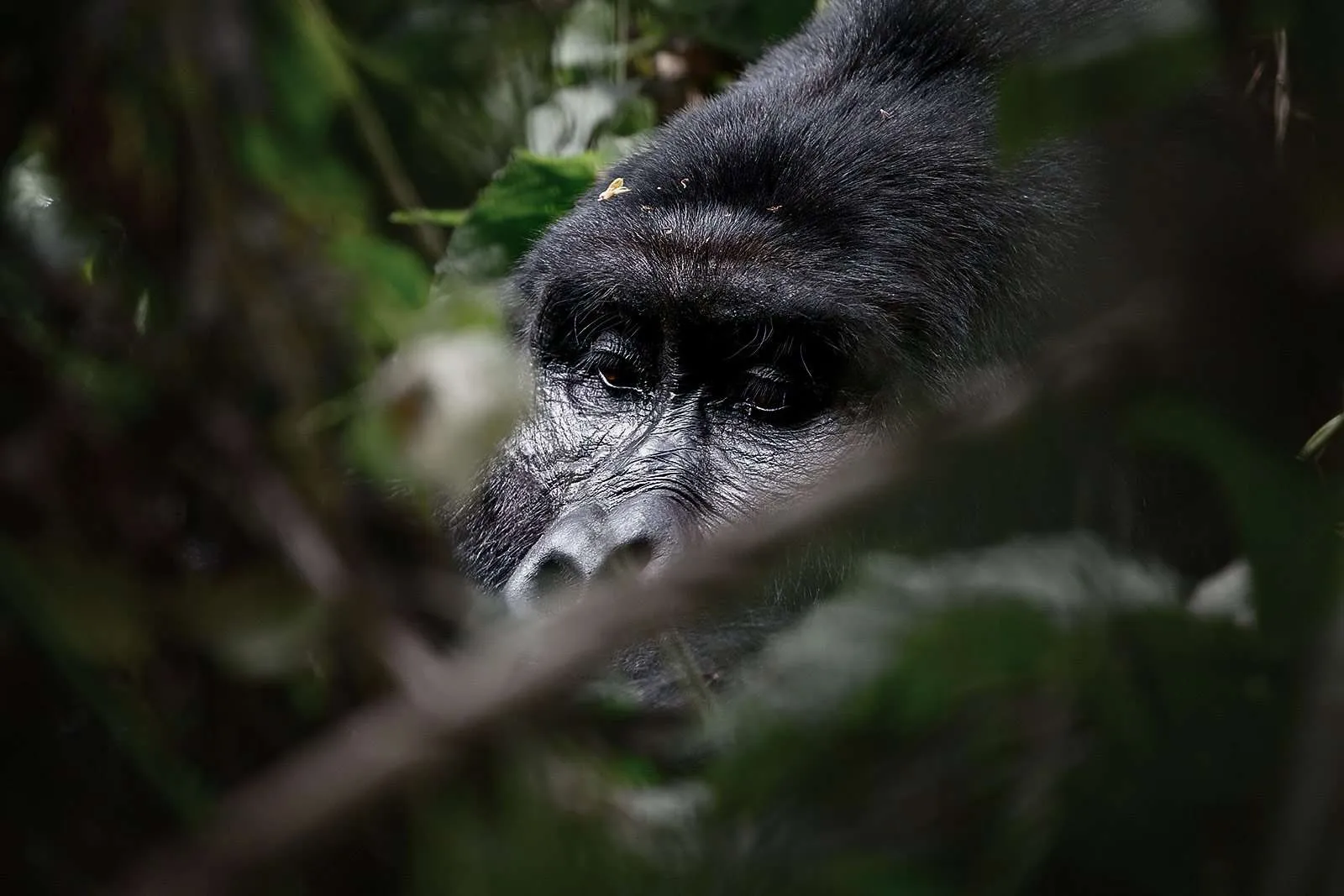
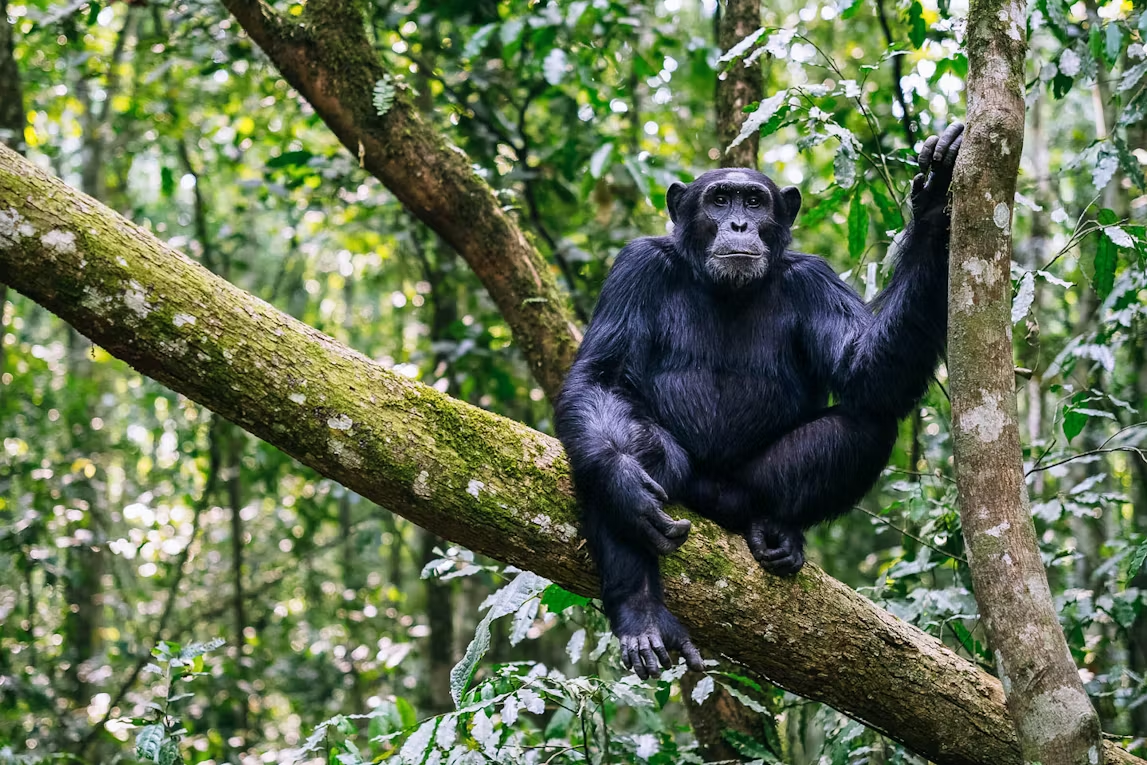
Bwindi Impenetrable National Park is not just a premier wildlife viewing destination, but also the flagship of Uganda’s tourism. This ancient rainforest is a world of its own—tangled vines, ferns, tall trees, and dense foliage interwoven to form a diverse habitat for numerous species of animals but most significantly, nearly half of the world’s remaining mountain gorillas. This makes it a prime destination for seeing these endangered species in their natural habitat.
Trekking through the mist-covered rainforest to find a habituated family of gorillas is an unforgettable, exclusive and immersive experience. Only a limited number of permits are available for daily treks aimed at protecting the gorillas and their habitat. We recommend booking well in advance so you don’t miss out on securing a spot.
Best time to visit Bwindi Impenetrable: During the dry seasons from June to August and December to February, when the trails are dry and you can expect less chances of rainfall.
8. Okavango Delta, Botswana
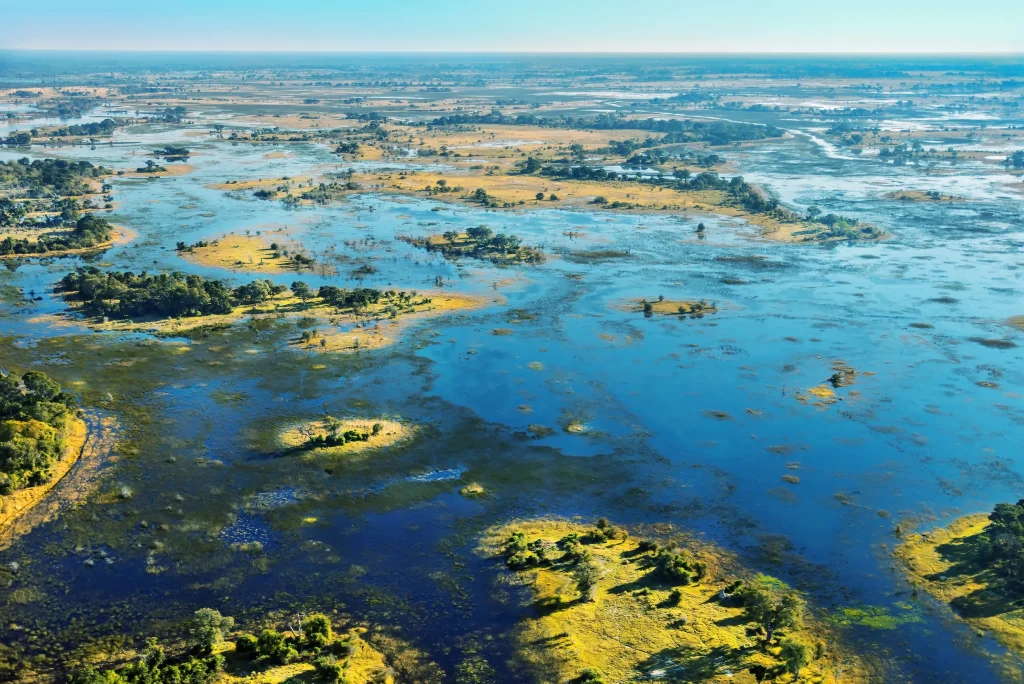
Botswana’s Okavango Delta is an extraordinary wetland formed by seasonal floodwaters traveling from the highlands of Angola into the unforgiving Kalahari Desert. It features a lush intricate web of waterways, islands, hillocks, lagoons and floodplains as well as diverse fauna and flora species.
The game viewing is excellent, delivering one of Africa’s richest and most diverse concentrations of bird and animal sightings especially when the delta’s annual flood coincides with the country’s dry winter season.
Wildlife to look out for includes the hippo, crocodile, the Big 5, wild dog, and the extremely rare Pel’s Fishing Owl. The forested islands and grasslands provide habitat for huge herds of buffalo, elephant and antelope of all shapes and sizes.
Best time to visit the Okavango Delta: While you can visit the Okavango Delta any time of year, the dry season of June to October offers the most iconic combination of water-based experiences and predator visibility (sparse vegetation, easier sightings).