


The Mara River
The Mara River, also known as ‘the river of death’, is a legendary waterway in Masai Mara and Serengeti. It is famous for the dramatic and lethal wildebeest river crossings during the great migration, when herds cross to the prized pastures on the other side while others pay for the legendary perseverance of crocodiles with their lives. It serves as the primary obstacle for the annual Great Migration. Here’s what you need to know about this iconic river.
The Mara River, at a glance
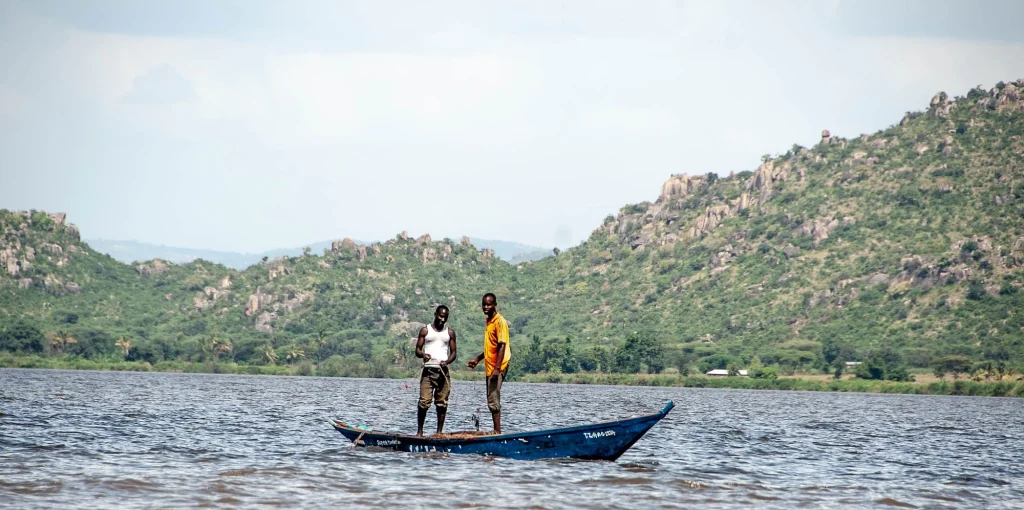
Fishermen in the Mara River
The 395-kilometer-long (245-mile) Mara River originates from the Mau Escarpment in the Kenyan highlands and flows through the Masai Mara National Reserve in southern Kenya and the Serengeti National Park in northern Tanzania before draining into Lake Victoria. Its basin covers a surface area of approximately 13,504 km² (5,214 sq mi), of which about 65% is located in Kenya and 35% in Tanzania.
Wildlife at the Mara River
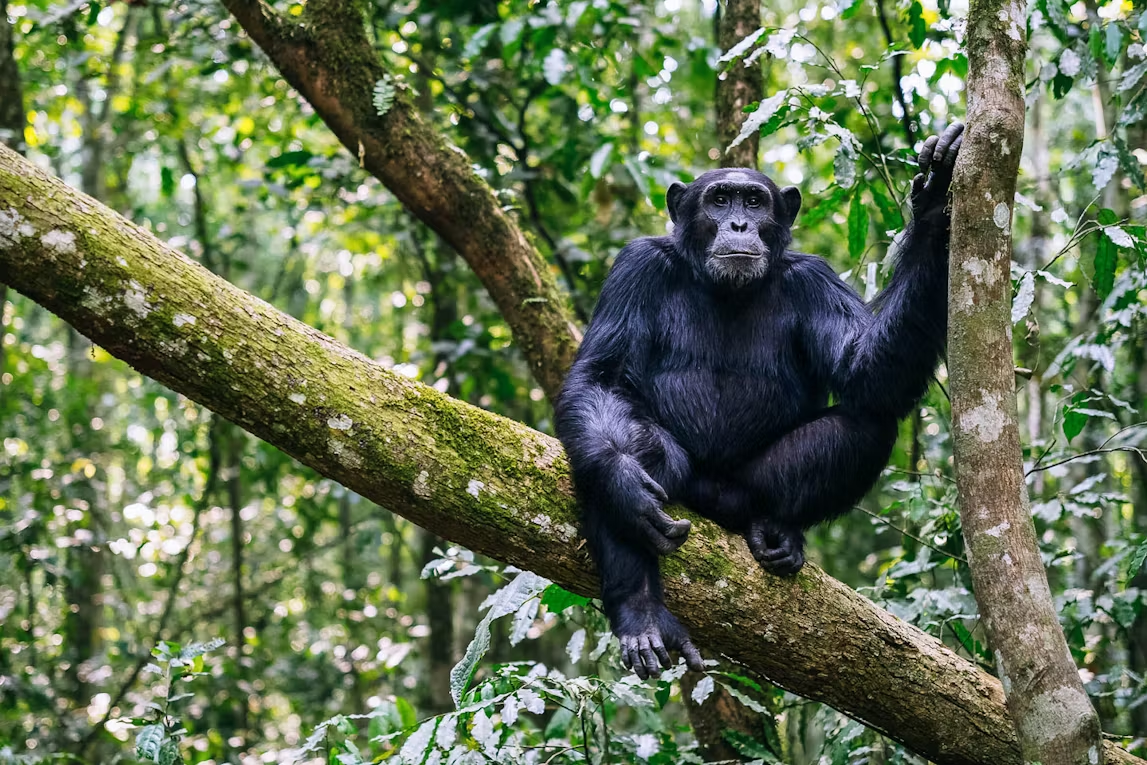
The Mara River is home to an abundance of wildlife throughout the year. The most famous are the gigantic Nile crocodiles which spend much of their time patiently lurking underwater or basking nearby at migration crossing points, where they wait for passing herds. Hippos also thrive here spending much of the day in the water to stay cool and protected, and browsing around the riverbanks at dawn, dusk, and night.
The river also hosts fish, reptiles, and amphibians, while the lush vegetation along its banks attracts elephants, wildebeest, zebra, and antelope, and a myriad of bird species. Terrestrial predators that roam and patrol the steep riverbanks and grasslands include lions, spotted hyenas, leopards, and cheetahs.
What makes the Mara River special?
1. A vital lifeline of sustenance
The Mara River is more than just a waterway. It’s a critical lifeline that sustains a rich diversity of wildlife year-round in the Serengeti-Mara ecosystem. Along its course from the Mau Forest highlands down to Lake Victoria, it passes through forests, rolling hills, and open savannas, creating a diverse mix of habitats that support some of the most famous wildlife on earth. It also provides essential water sources for both predators and prey, creating a dynamic habitat teeming with life.
2. It’s Infamous Role in The Great Migration
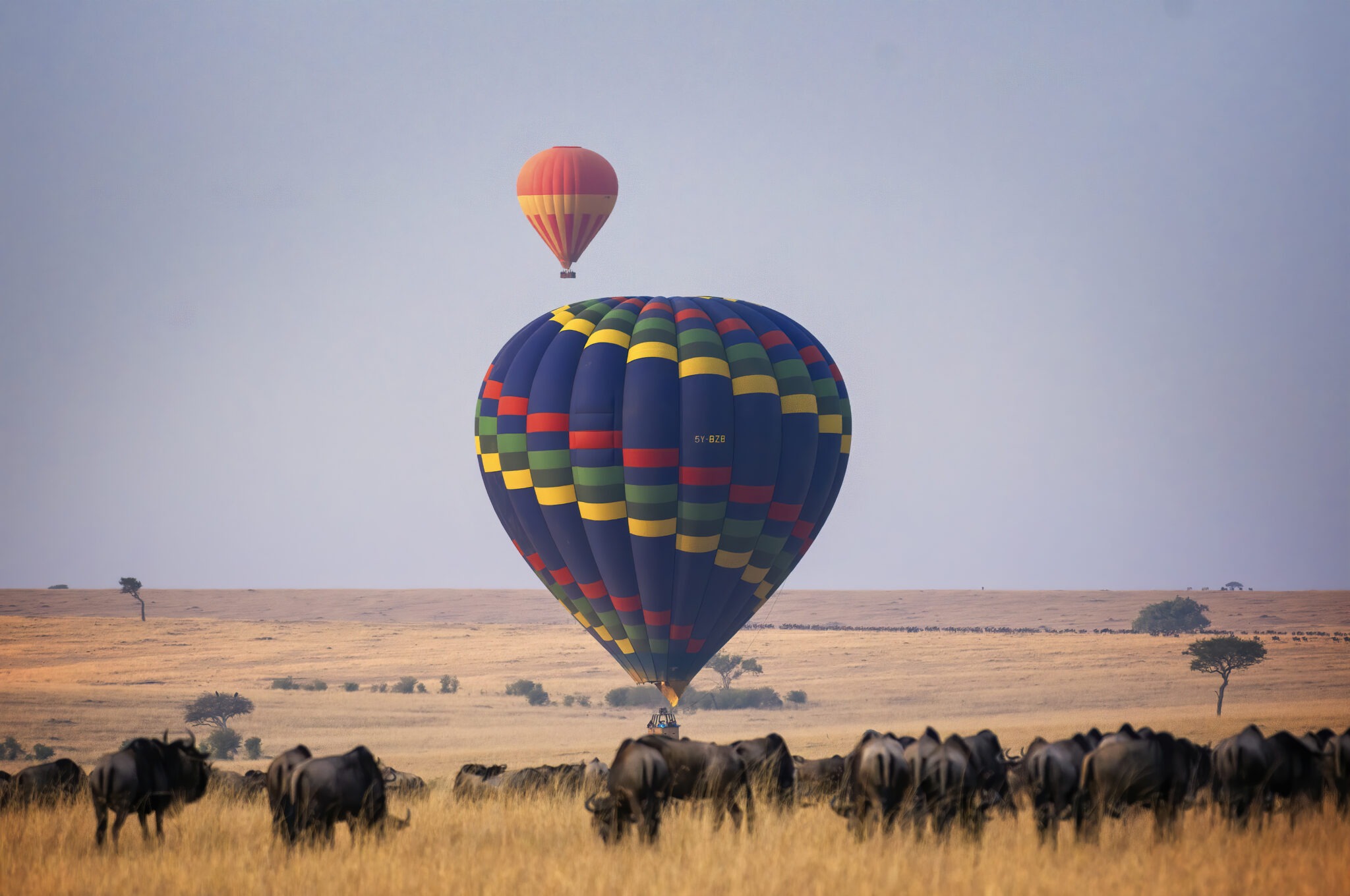
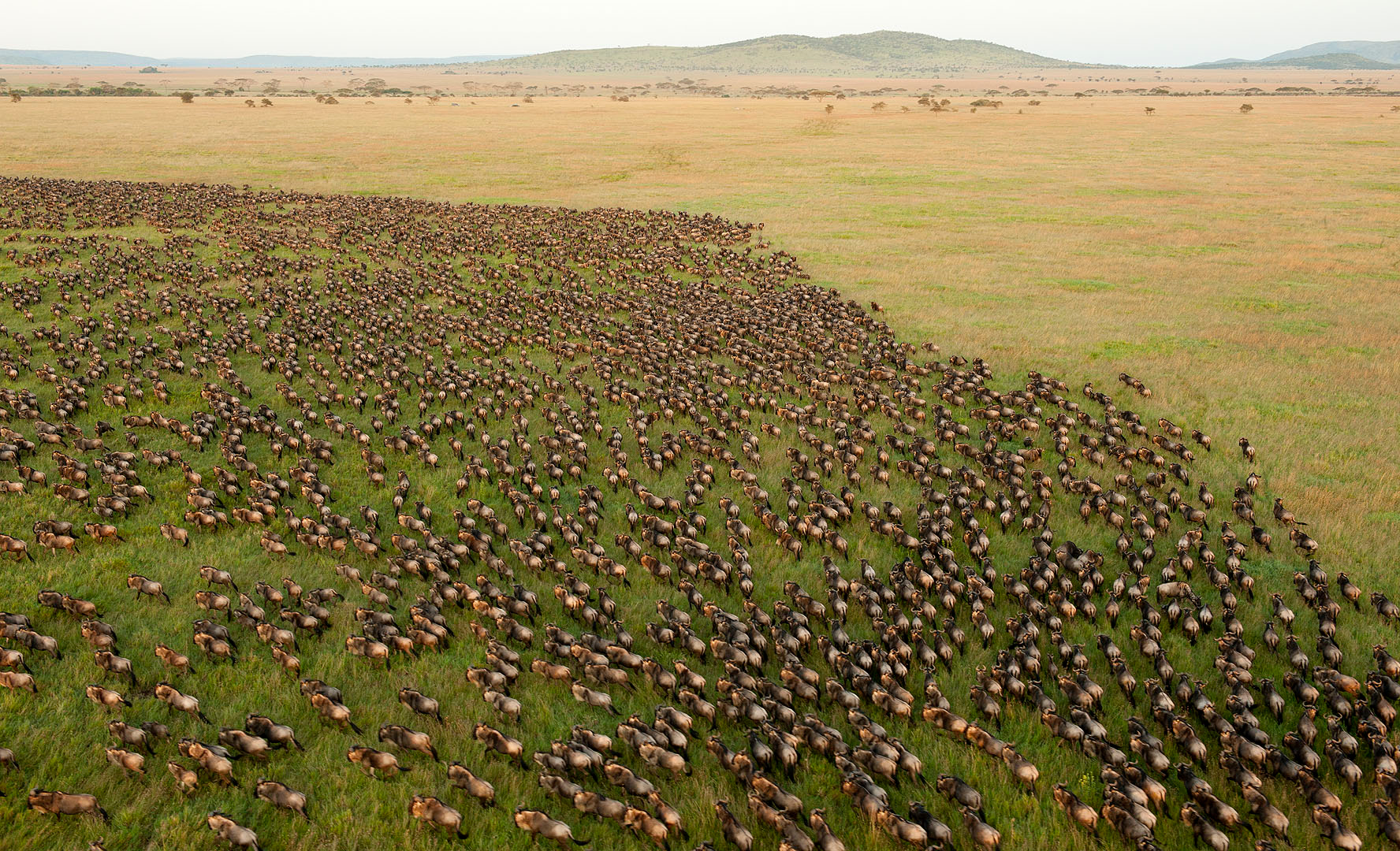
The Mara River is the main barrier for wildebeest herd crossings in the Mara-Serengeti ecosystem, although smaller breakaway groups also cross the Talek and Sand Rivers. It lies across the migration path, providing one of nature’s most intense wildlife spectacles. Each year, over two million wildebeest, zebras, and gazelles traverse the Serengeti and Masai Mara in search of fresh grazing. However, to access the well-watered plains of Masai Mara, they must charge across the steep riverbanks and brave the crocodile-infested waters below as they scramble to reach the other side, creating the dramatic, life-or-death centerpiece of the Great Migration.
The iconic river crossings offer high-value, bucket-list experiences for safari travelers and world-class opportunities for wildlife photographers. Many travelers flock to the river from July to September to have a glimpse of one of nature’s epic wildlife shows.
3. Cultural connections
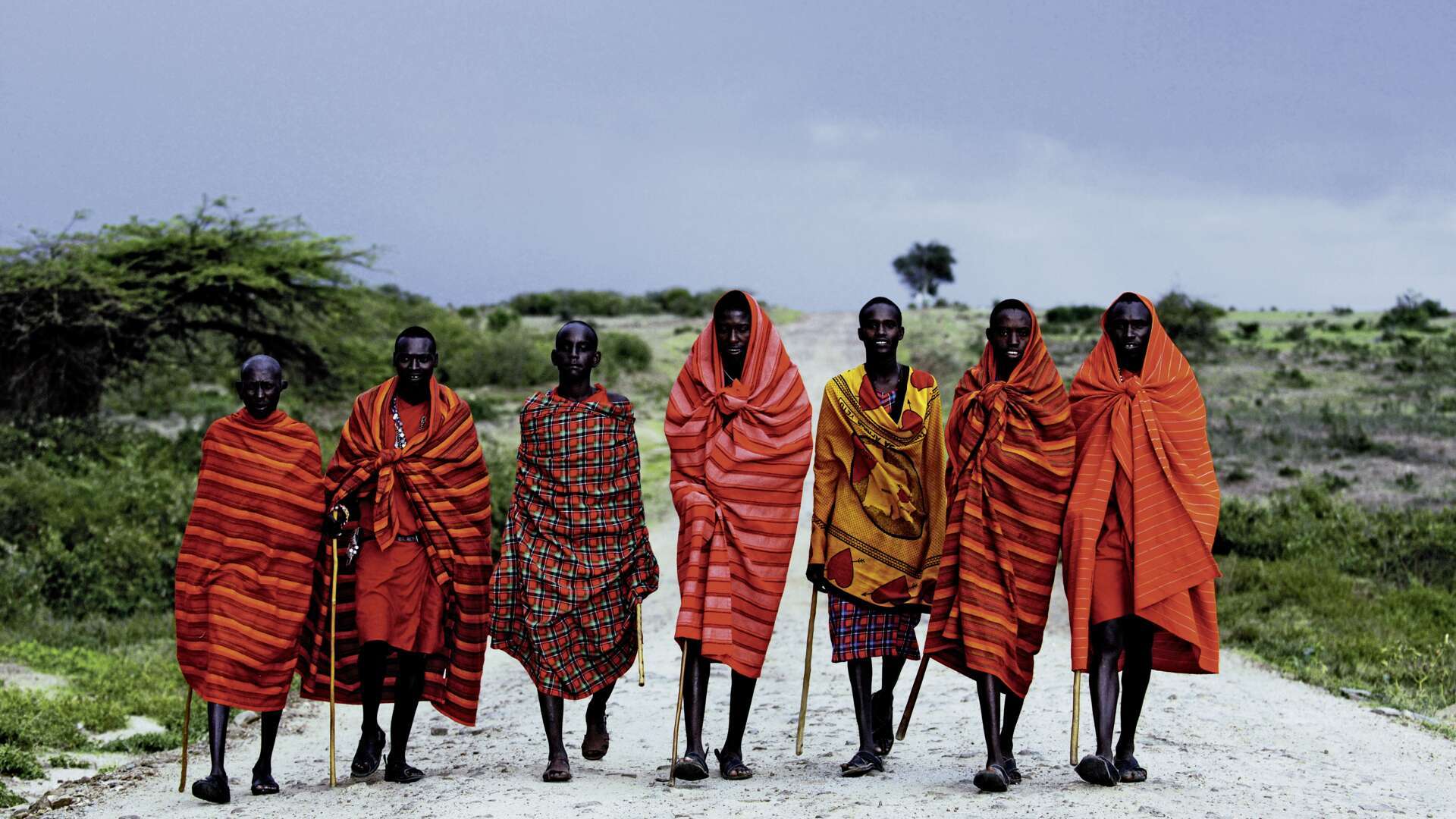
The Mara River holds deep cultural significance for local communities living around it. The Maasai people, for instance, have adapted their pastoral lifestyle to the rhythms of the land and the availability of water. The river features in local stories, ceremonies, community life and traditions, symbolizing life, continuity, and resilience. Any long-term conservation of the river must involve these communities, whose wellbeing is closely tied to the health of the ecosystem.
4. Serene beauty
The varied landscapes the river meanders through form the backdrop to some of Africa’s richest wildlife areas. Besides, the river delivers serene moments of beauty as the morning mist rises off of the gently lapping waters, where hippos wade, and crocodiles bask in the sun. This tranquil scene is punctuated by the calls of diverse bird species, creating an immersive safari experience that captivates visitors.
When to visit the Mara River
The best time to visit the Mara River is from July to October to see the dramatic wildebeest river crossings, or January to March for calving season, dry weather and fewer crowds. However, with varied timing of the migration, you can visit any time of year depending on what you want to experience during your safari.
While the Great Migration coincides with the peak safari season, you can still see plenty of wildlife regardless of whether you visit during the crossing season or not. If your goal is to witness the intense river crossings, timing is important to be at the best possible location placing you at the centre of the action. Booking a 3- to 5-night stay or longer at a mobile or permanent camp positioned directly on the riverbank significantly increases your odds of sightings.
Accommodations often get packed during the migration season. We recommend booking a year in advance in order to secure your preferred itinerary and camp or lodge. Booking with us will ensure you won’t miss out on this high-stakes wildlife encounter.
How to get to the Mara River
You can reach the Mara River by flying into local airstrips located near the river. Several scheduled flights depart daily primarily from Wilson Airport in Nairobi to various airstrips in the Masai Mara Kenya, including Musiara, Keekorok, and Ol Kiombo taking roughly 45 to 60 minutes. For the Serengeti in Tanzania, domestic flights typically depart from Arusha Airport or Kilimanjaro International Airport to airstrips like Kogatende and Seronera.
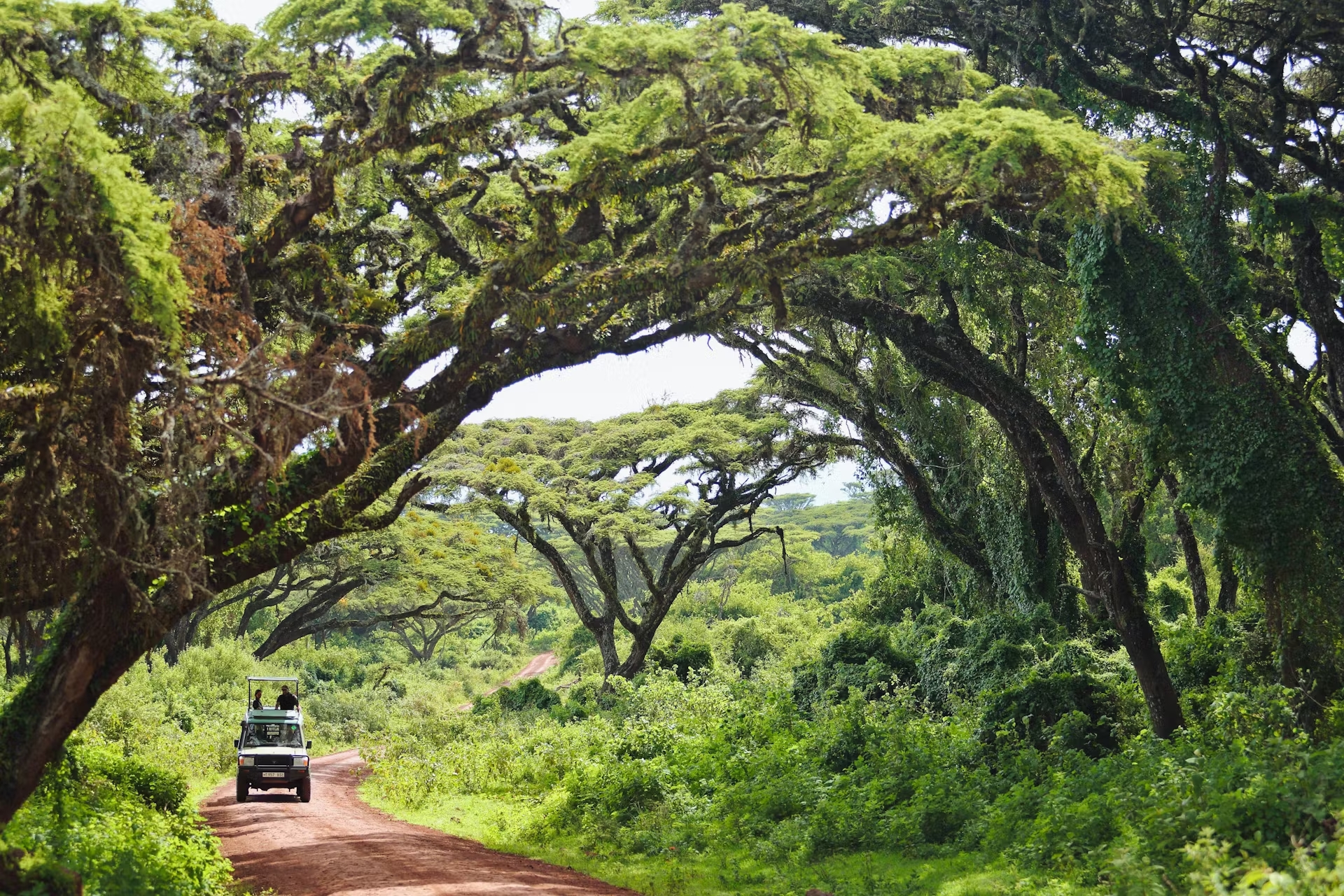
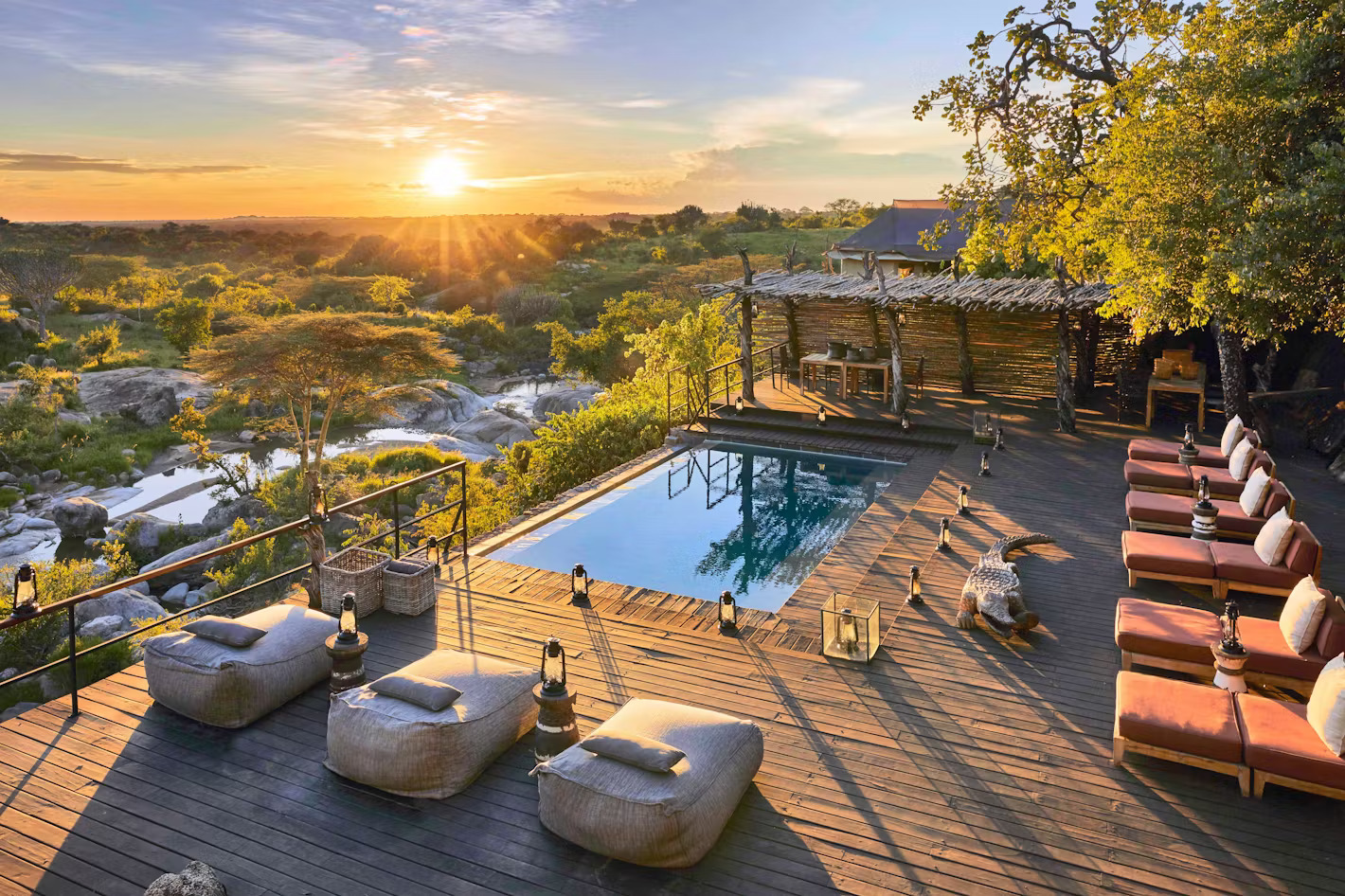
By road, the journey from Nairobi to the Mara River takes roughly 5 to 6 hours across the Great Rift Valley depending on the accommodation you choose. Singita Mara River Camp, for instance, is the closest permanent tented camp to the Mara River. While driving is possible, the camp recommends that you let them handle your scheduled flight or private charter. A road trip from Arusha to the Northern Serengeti takes roughly 6 to 8 hours of driving through the Ngorongoro Conservation Area and Central Serengeti (Seronera) but is a safari experience in itself; you will pass astonishing wildlife and beautiful scenery, along a rather bumpy road.
Sample Trips
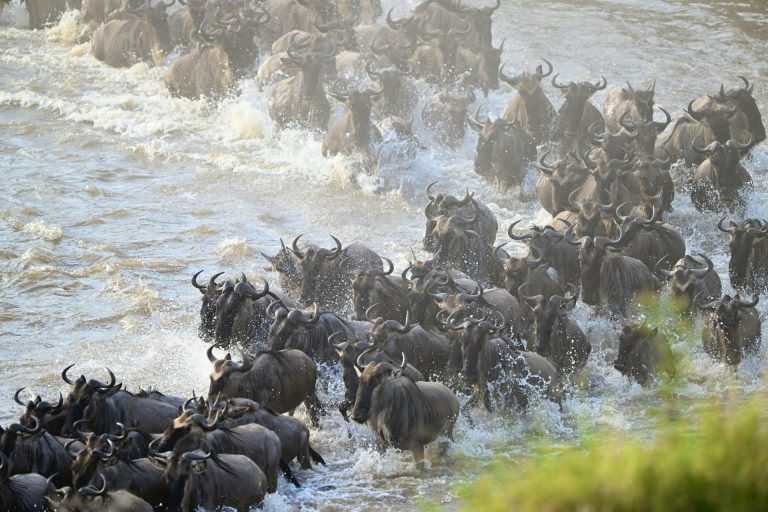
4 DAYS
Wildebeest Mara River Crossings
Destinations: Northern Serengeti Plains
- Intimate and exclusive Mara River crossing showcase
- Enjoy multiple game drives spotting astonishing wildlife in one of Africa’s premier parks
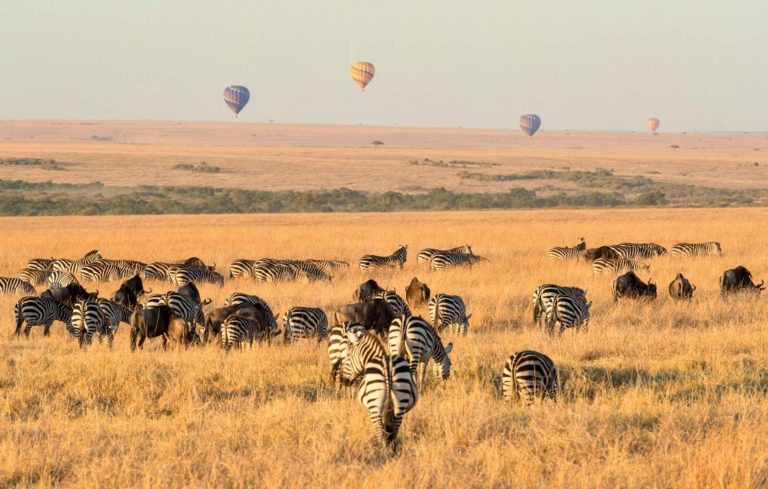
5 DAYS
Masai Mara Wildebeest Migration Safari
Destinations: Kenya
- Experience the famous wildebeest migration in the Masai Mara
- Enjoy multiple game drives in one of Africa’s best-known wildlife reserves
