


What to pack for your African safari? A comprehensive packing list for an African safari including safari clothing tips and gorilla trekking essentials.
You booked your dream African safari, waited for months and finally it’s come around. You’ve done the research with a travel specialist, asked the right questions, navigated the myths, and now you have to decide on what you must pack.
Questions like What to wear, what to bring or what to leave behind? often come to mind. Packing for an African safari is different from packing for a regular vacation. You need to consider factors like weather conditions, the activities you will be conducting, and the availability of certain products in Africa.
For many first-time safari-goers, this part of preparation can feel daunting. Most people actually end up bringing too many unnecessary items while others miss out on what’s really essential to pack.
Rather than feeling like a puzzle, packing should feel like part of the excitement of your dream safari. Based on our personal experience as well as the advice and recommendations from previous guests, we’ve created this guide to help you pack appropriately for your upcoming African safari.
What are the luggage restrictions
The size of your luggage matters when it comes to an African safari. Not all luggage is safari-suitable. International flights may allow for generous baggage allowances, but light aircraft bush flights to remote safari lodges often have strict requirements, including weight limits and maximum dimensions.
In most cases, you’ll be limited to 15–20 kg (33–44 lb), including carry-ons and camera gear. We recommend carrying soft-sided duffels that fit well in tight luggage compartments, including the back of your safari vehicle. The only downside with the duffels is the fact that they don’t have wheels, which makes them pretty heavy to lug around.
Hard-shell cases and bulky wheel frames are typically disliked by handlers. For active excursions like gorilla trekking, an additional waterproof daypack or backpack is best.
African Safari Packing List
Lorem ipsum dolor sit amet, consectetuer adipiscing elit, sed diam nonummy nibh euismod tincidunt ut laoreet dolore magna aliquam erat volutpat.
1. Travel Documents
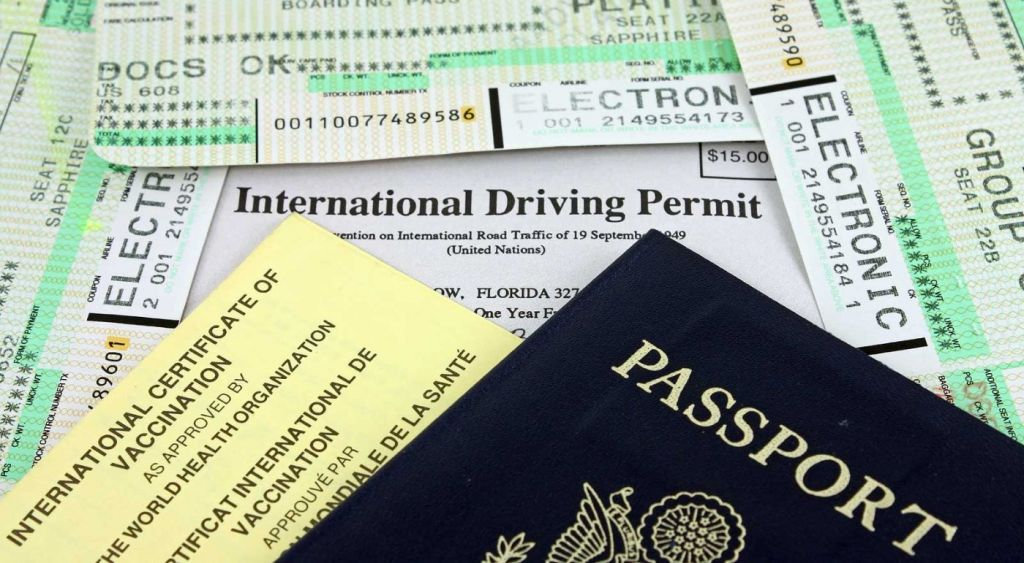
This might seem obvious, but the number one rule you should always abide by before you travel is ensuring all your travel documents are up-to-date, well-organized and securely packed. Double-check that you have all your key travel documents.
Passport: Always ensure your passport has at least 6 months of validity with a minimum of two blank pages for visas or entry/exit stamps. Carry photocopies of your passport and important documents (and store a back-up on your phone or iPad), just in case.
Visa. Depending on your nationality, some African countries offer visas on arrival while others do a quick, straightforward on-arrival process. Please check the specific requirements for your destination and how to apply for an E-Visa online if needed. It takes about 3-4 days to process an East Africa Tourist visa, and costs approximately $100.
Travel vaccinations: Some countries may require certain travel vaccinations (optional for Yellow Fever). Ask your travel specialist for up-to-date requirements.
Health/Travel Insurance abroad (i.e., World Nomads)
International driving license (if you plan on driving)
Flight ticket (printout or e-ticket)
Cash (USD, Euros, and Local Currency)
Check the CDC Travel Health List
2. Safari clothing
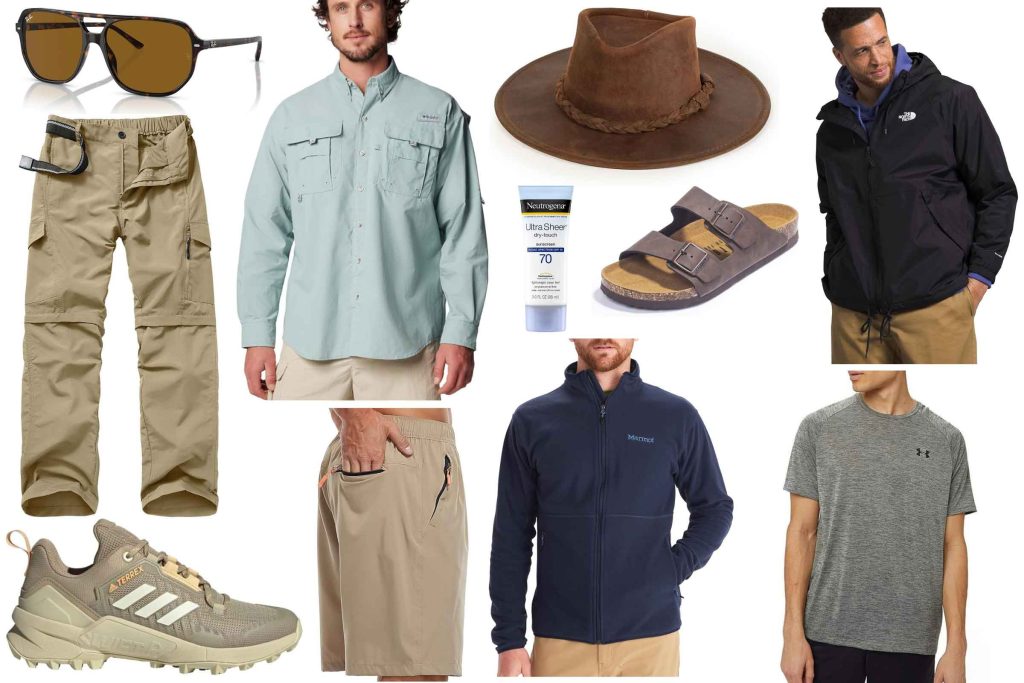
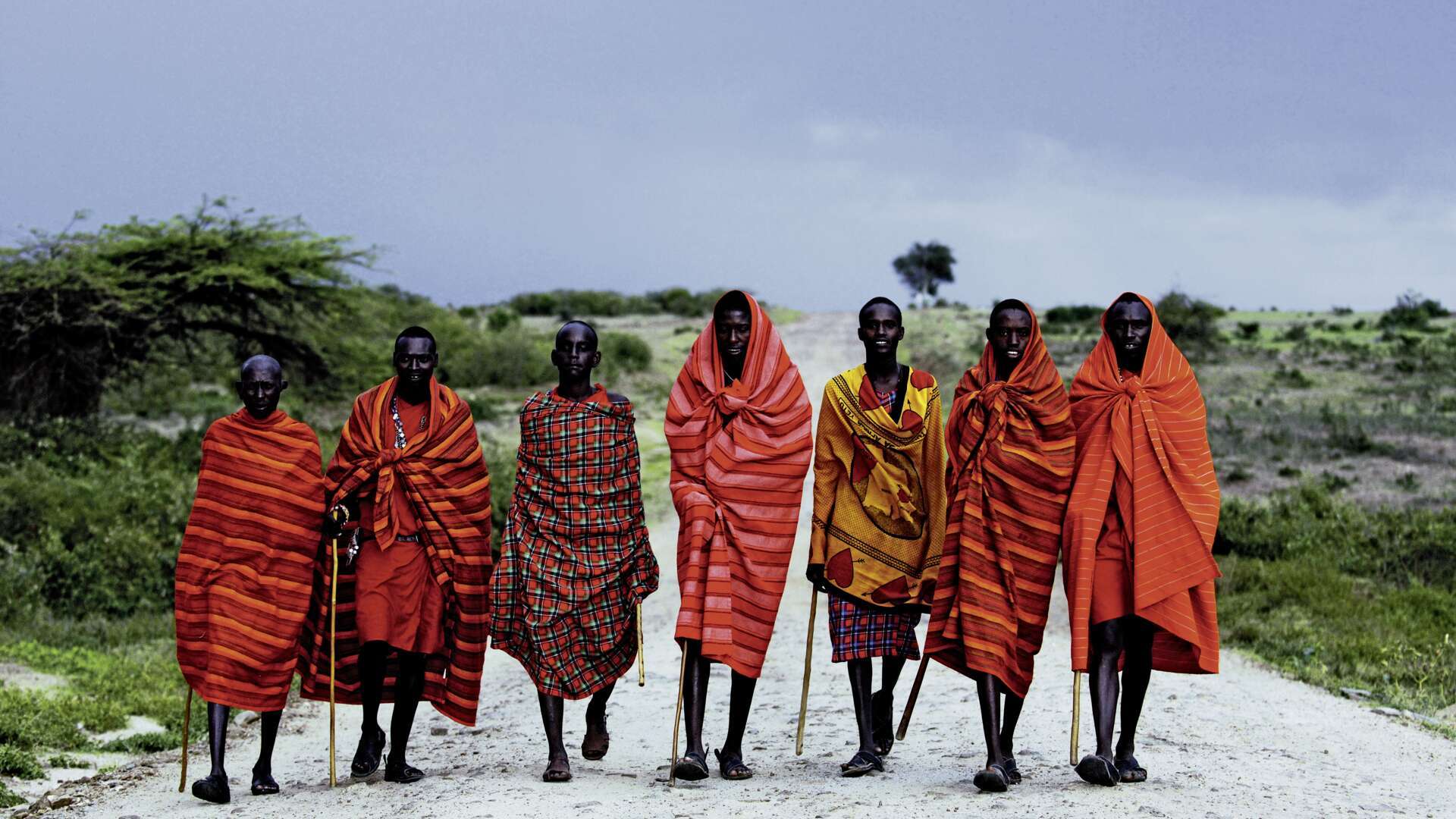
Wear neutral, natural, and understated colors: Earthy tones like light brown, tan, green, grey, and khaki blend best with the bush and are preferred for game drives (and essential for walking safaris). They provide a sense of calm and quiet luxury rather than bold, distracting vibrancy or make you very conspicuous to the wildlife. You don’t need to bring white; its near-impossible to keep it clean in the dust. After all, you’re on safari and bound to get dusty.
Dress casually: Safari only requires casual clothing unless specified (i.e., for luxury train journeys, etc.). Camouflage prints are illegal for civilians in certain African countries. So, they’re best left at home.
Carry breathable fabrics since you’ll be spending long hours in an open or semi-open safari vehicle, often under the full glare of the African sun. It should consist of non-synthetic material (cotton) to keep you comfortable. Linen is widely considered the best choice for hot weather.
Dress in layers: Think Africa is always hot? Mornings before sunrise and evenings on game drives can be surprisingly chilly. Higher altitudes, like the rim of the Ngorongoro Crater can get brisk, and the weather unpredictable. Pack clothes that are easy to layer for those crisp mornings and warm afternoons.
Pack a mix of long, short and sleeveless tops, plus long trousers and shorts. Zip-off sleeves with lots of pockets or cargo pants are a quintessential safari wear.
For footwear, sandals or flip‑flops are perfect for around camp. For nature walks, bring closed shoes with decent tread and socks to guard against ticks. Carry waterproof hiking boots for walking safari or gorilla trekking and make sure they’re well broken‑in.
A cap or sun hat—one that can get wrinkled in transit—that provides complete sun protection especially for the back of your neck. Choose one that is water-absorbent on the inside and waterproof on the outside, in order to absorb sweat and cover you if you get caught in the rain.
You can also bring;
- A fleece or puffer jacket and poncho
- Lightweight scarf (for warmth or sun protection)
- If you feel the cold, a beanie and thin gloves are a smart addition
- Carry a blanket and hot water bottles for winter mornings
- Dresses and skirts are great for around the lodge or pool.
- 3 bras (sports bras are recommended for the bumpy roads)
- Pajamas
- Sunglasses
- Swimming costume, and a buff or bandana to shield from sun and dust.
Laundry service: Most camps and lodges offer laundry service but will not launder undergarments. Choose clothing that is easily laundered.
Don’t overpack: With strict luggage restrictions, choose lightweight and breathable fabrics whenever possible.
3. Self-care on safari
- You’ll need to carry toiletries—shampoo, conditioner, body wash, scrub, and lotion.
- Don’t forget high-SPF sunscreen, after-sun and lip balm.
- If you take any specific medication, keep it in your carry-on and store it safely.
- Hand sanitizer is readily available, and many lodges also provide insect repellent.
- If you’re travelling to a malaria area, speak to your doctor about prophylactics.
- Dental care
- Travel toothbrush or toothbrush cover
- Toothpaste and floss
- Shampoo and conditioner
- Shaving accessories Men’s travel razor and shave cream
- Women’s travel razor and shave cream
- Sanitary requirements
4. Gear and gadgets
- Pack everything (including camera and zoom lens) in a dustproof or waterproof bag along with a spare memory card, adaptor, USB splitter, a small power bank anda fully charged battery.
- A lightweight tripod is great for night skies, and a kikoi or scarf works well for shielding your gear from sun and dust.
- Binoculars are a safari essential.
Please read gorilla trekking packing list