
Maasai Cultural Experience
Maasai Culture Immersion | Maasai Village Tour
Your list of cultural experiences is incomplete without visiting the renowned Maasai people of Kenya and Tanzania. Famed for their striking red attire and jump dancing, this iconic tribe has opened up their hearts to welcome travelers from around the world to experience their incredible culture, tradition and unique way of life. An encounter with them is one of the most enriching and unforgettable highlights of any East African safari.
Join us on a journey to explore the unique culture and tradition of the Maasai people, curated into meaningful experiences that seek to bring about a transformational understanding for both the community and travelers.
Who are the Maasai People?
Maasai Tribe
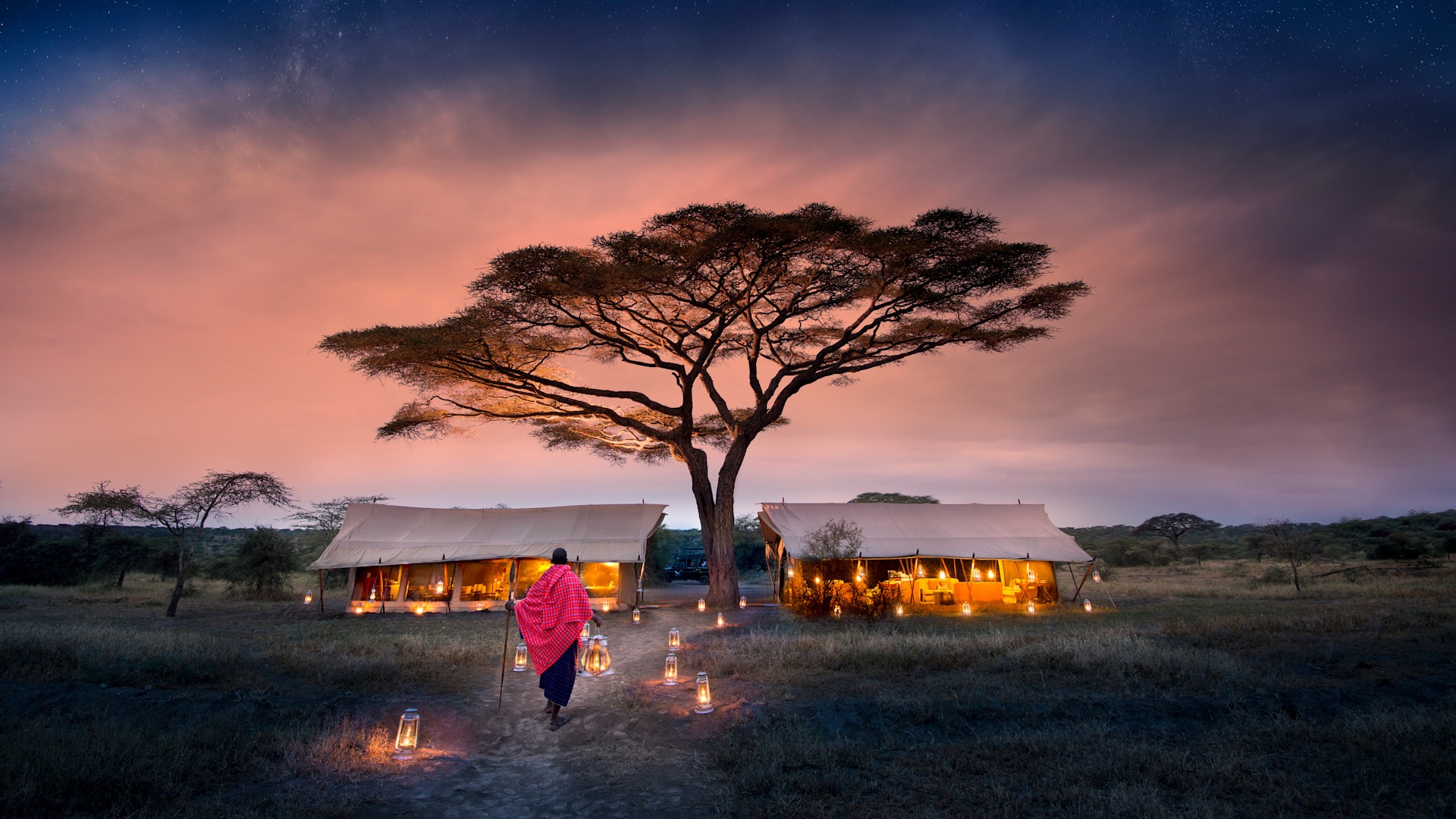
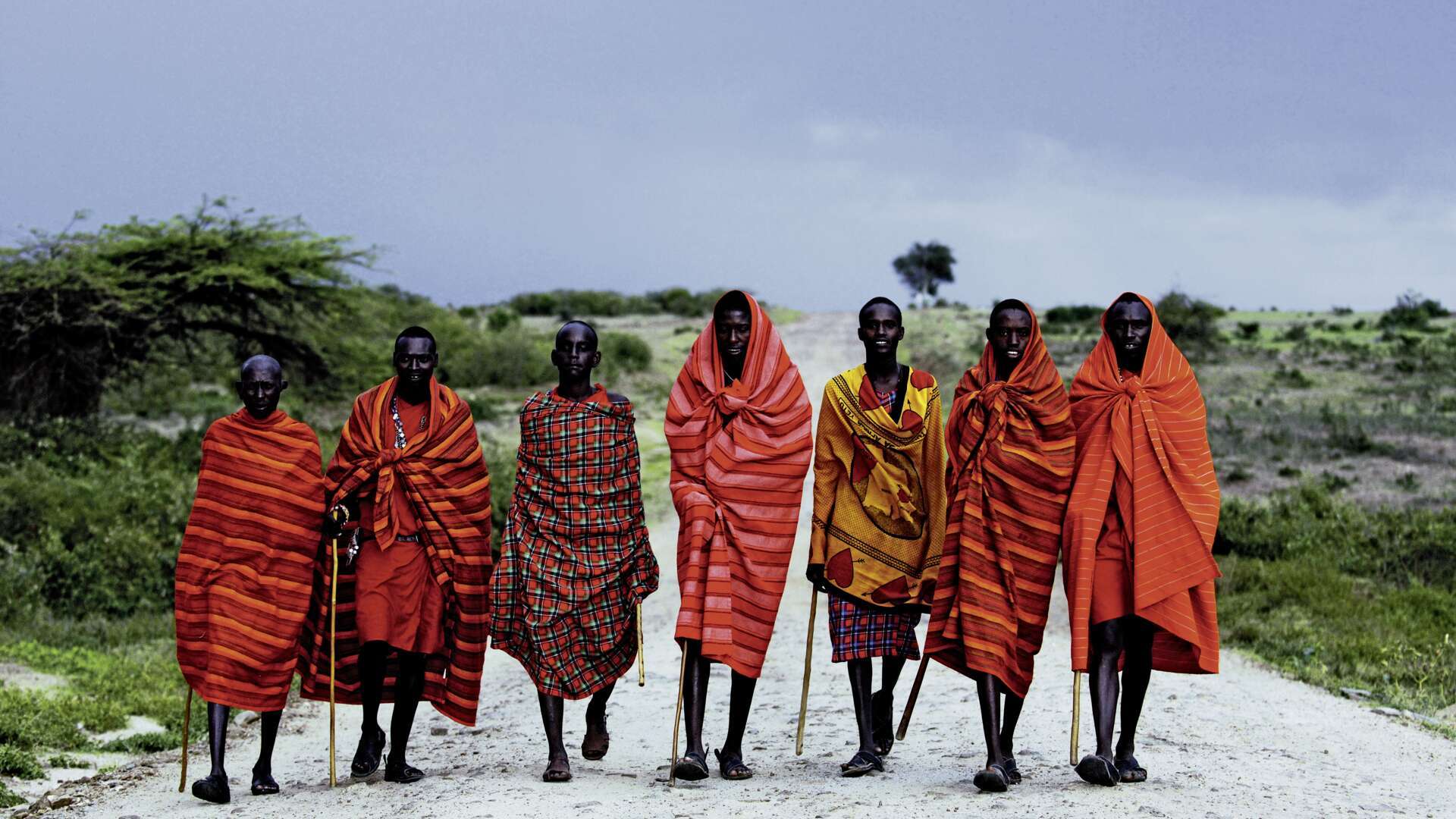
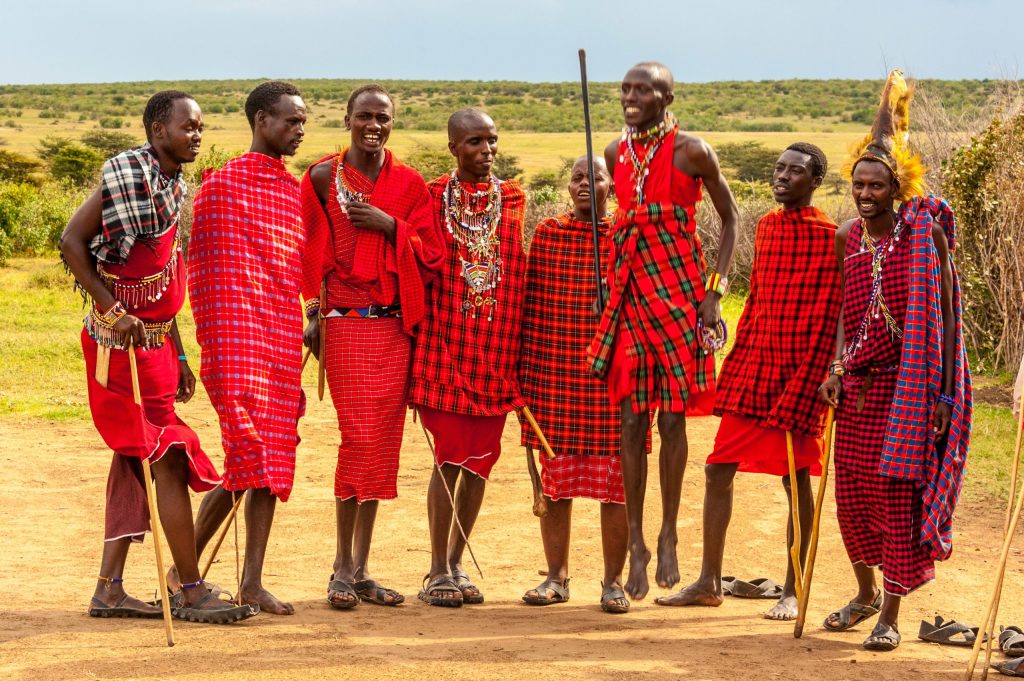
The Maasai people are a predominant semi-nomadic tribe living in the Great Rift Valley of southern and central-northern Kenya and northern Tanzania. They mostly live around protected areas, coexisting with wildlife. Known for their distinct culture, vibrant red attire (shukas), intricate beadwork, traditional dances, and fierce warrior traditions, these communities have preserved much of their culture and deep-rooted customs for centuries, maintaining their unique way of life.
Historically semi-nomads and pastoralists, the lives of the Maasai have mainly centered on cattle, sheep, and goats. They depended heavily on the milk and blood of their cattle, harvested without killing the animal. Furthermore, they believe cattle are divine animals and they were entrusted by the creator god Enkai (or Engai) to care for these creatures. Enkai sent cattle sliding down a rope or bark thong from the heavens into their safekeeping. Cattle herding practices have remained central to the Maasai way of life.
Today, however, facing land changes (land loss), severe droughts, population pressures, and modernization, many have resorted to agriculture, while others have moved to towns and cities, though much of their lifestyle still reflects their core values and cultural norms.
The Maasai people are also known for their warrior past and the ongoing strength of their traditions. While they only make up approximately 2% of Kenya’s and Tanzania’s populations, they have played a prominent role in the history of both nations, first in resisting colonial rule and then as custodians of some of East Africa’s most significant wildlife areas.
Distinctive Maasai Cultural Traits
- The Adumu dance: A jumping dance ritual performed by young Maasai warriors, known as Morans. It serves for entertainment, celebrations, or warriorship (going to battle). The dance is very well structured and require a certain amount of talent to perform as the Morans compete to jump the highest, displaying strength and agility.
- Pastoralism: The Maasai are semi-nomadic pastoralists, with livestock at the center of their economy and culture, providing meat, milk and blood for sustenance. Cattle serve as the key currency in traditional Maasai society (being sold and bartered in many exchanges in the place of money) and a primary source of prestige. The size of the herd determines an individual’s status in society.
- Attire and beadwork: The Maasai are instantly recognizable by their striking attire, adorned with multiple pieces of colourful, intricate jewellery, including necklaces, anklets and earrings. These adornments represent a rich cultural heritage, identity, spirituality and social status, reflecting values like bravery, peace, and the community’s connection to cattle.
- Warrior tradition (Moran): Maasai warriors are usually young men who are regarded as the assets and guardians of the tribe. Their primary role is to protect the community from wild animals and to raid cattle from neighboring communities. These young men must go through intensive rites of passage, during which they live in the bush and learn to protect their people, livestock, and lands.
Maasai conservancies
Maasai conservancies, community-owned wildlife areas, have emerged particularly in areas surrounding the Masai Mara National Reserve, including Olare Motorogi, Naboisho, and Ol Kinyei. Similar areas such as Il Ngwesi, a pioneering conservation model have also developed in the Laikipia region of central-northern Kenya.
Owned by local Maasai landowners, these community-managed areas offer a decent economic model that supplements pure nomadic pastoralism with steady lease income, ecotourism jobs, and managed grazing. They focus on supporting local communities and conservation, and offer privacy and exclusivity, an exciting alternative to safaris in Kenya.
What to expect on a Maasai village visit
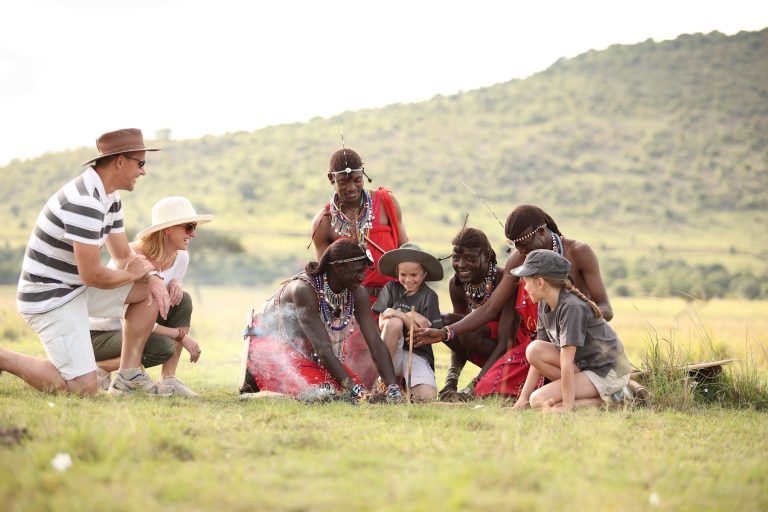
Maasai culture has a strong presence throughout Kenya and Tanzania, and you’ll be invited to a Maasai village to learn about their traditions and daily life. Visiting a Masai village, also known as a Manyatta, provides a rare glimpse into their daily life, social structures, and spiritual beliefs. You’ll typically be greeted with a welcome ceremony including the adumu dance which you can also join.
Many Maasai people are open to visitors and usually try to help them experience their way of life, conventions, traditions, and cultures. You will have one as your personal safari guide and he will take you to explore the “manyattas” or “bomas” and visit the Maasai school for the younger children.
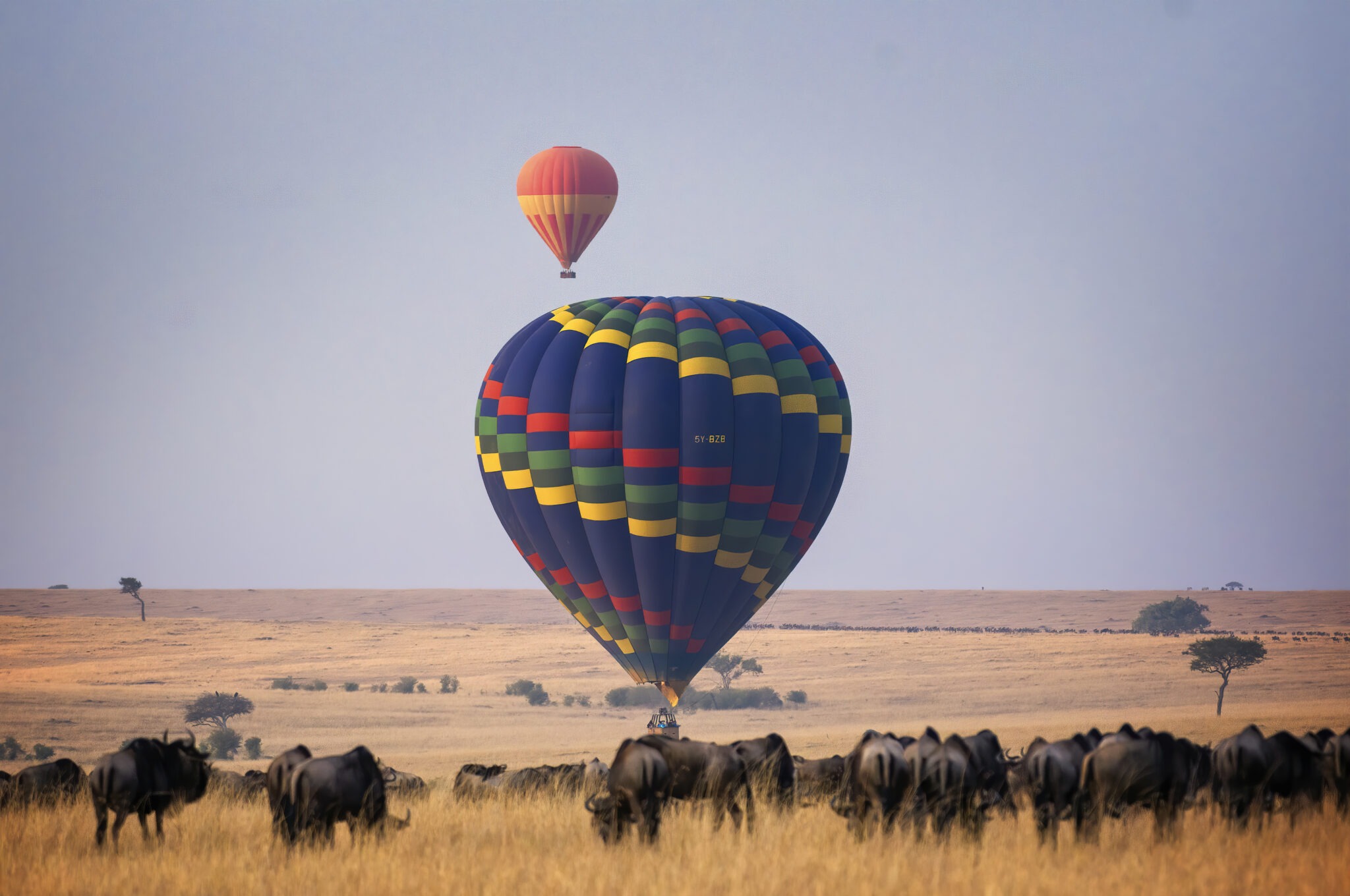
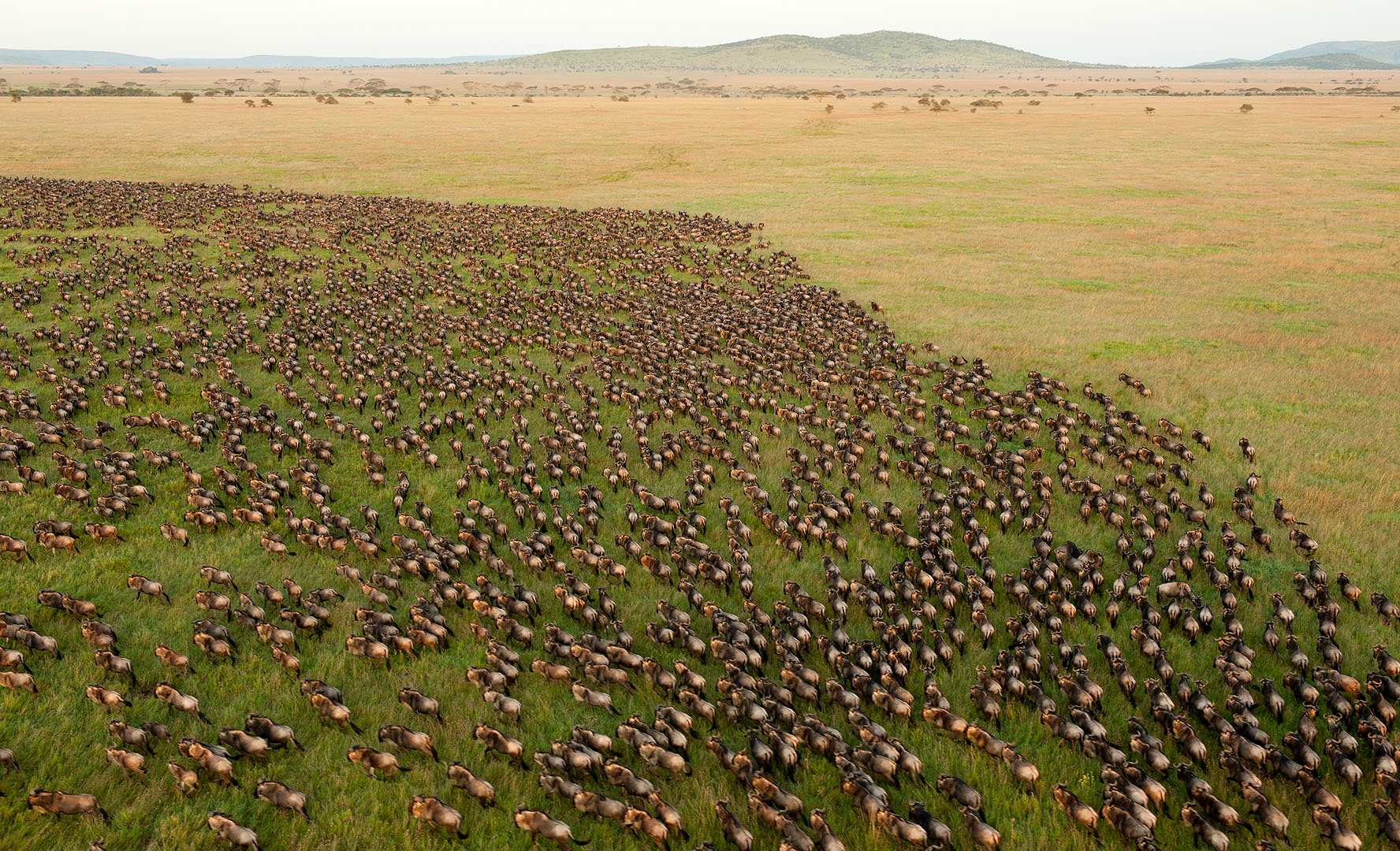
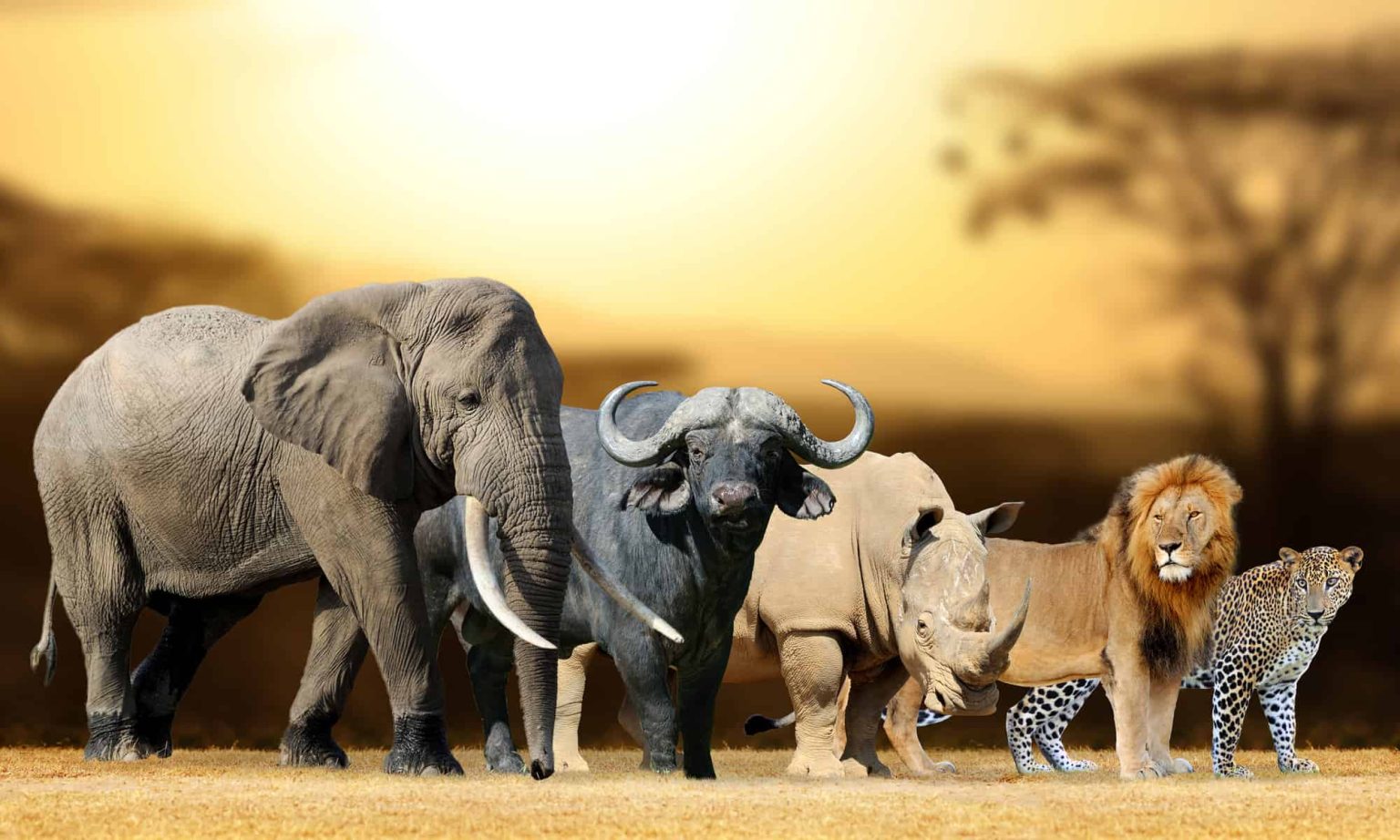
To enjoy this experience, you will need to book a trip to Masai Mara, Amboseli National Park, Serengeti National Park and Ngorongoro Crater. Better still, you can combine these destinations in one trip, including spotting the Big Five and witnessing the wildebeest migration for a comprehensive East African safari experience. Connect with one of Africa’s most famous and resilient communities, the Masai people on an unforgettable safari.
Sample Trips
10 DAYS
An Exclusive Kenya Family Safari
Destinations: Aberdare National Park, Ol Pejeta Conservancy, Lake Naivasha and Masai Mara
- Intimate and exclusive wildlife viewing and wildebeest migration experiences
11 DAYS
Ultimate Kenya Safari
Destinations: Nairobi National Park, Amboseli, Masai Mara and Laikipia Plateau
- Embark on a walking and horseback safari through the Laikipia Plateau’s varied landscape
