


Gishwati–Mukura National Park
Gishwati-Mukura National Park is Rwanda’s fourth wildlife park. Tucked into the misty hills of the country’s northwestern region near Lake Kivu, this protected area is a living symbol of ecological resilience and conservation hope.
Once heavily deforested and fragmented, the park has undergone a remarkable transformation, merging the larger Gishwati and the smaller Mukura forests, and forming a total of 34 square kilometres plus a reforestation corridor (buffer zone) that breathes new life into the Albertine Rift.
It has emerged as Rwanda’s newest national park and a sanctuary for endangered primates, rare birds, and lush biodiversity. It sits on the ridge that divides the Congo and Nile water catchment areas, along the incredibly biodiverse Albertine Rift in the western part of the country.
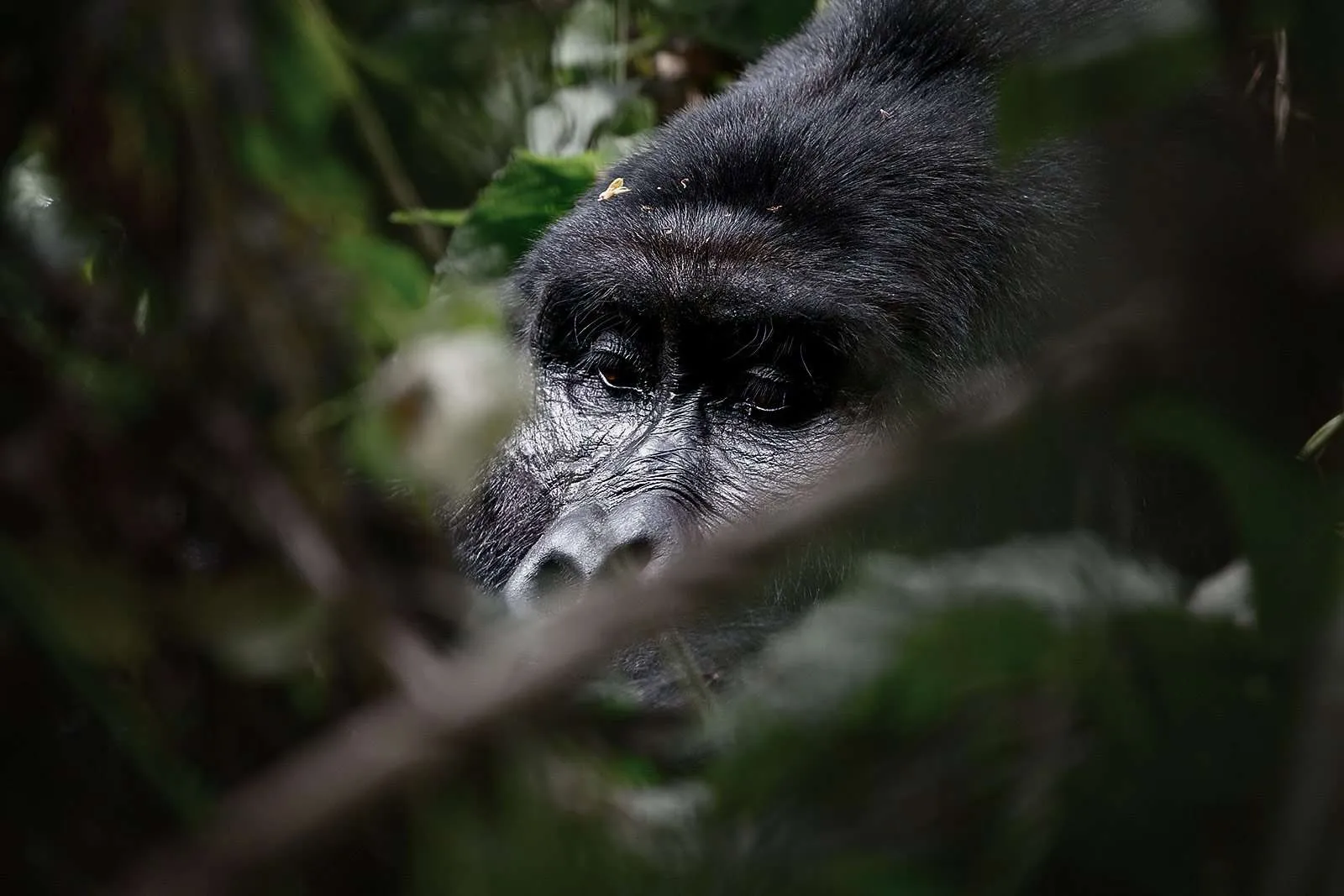
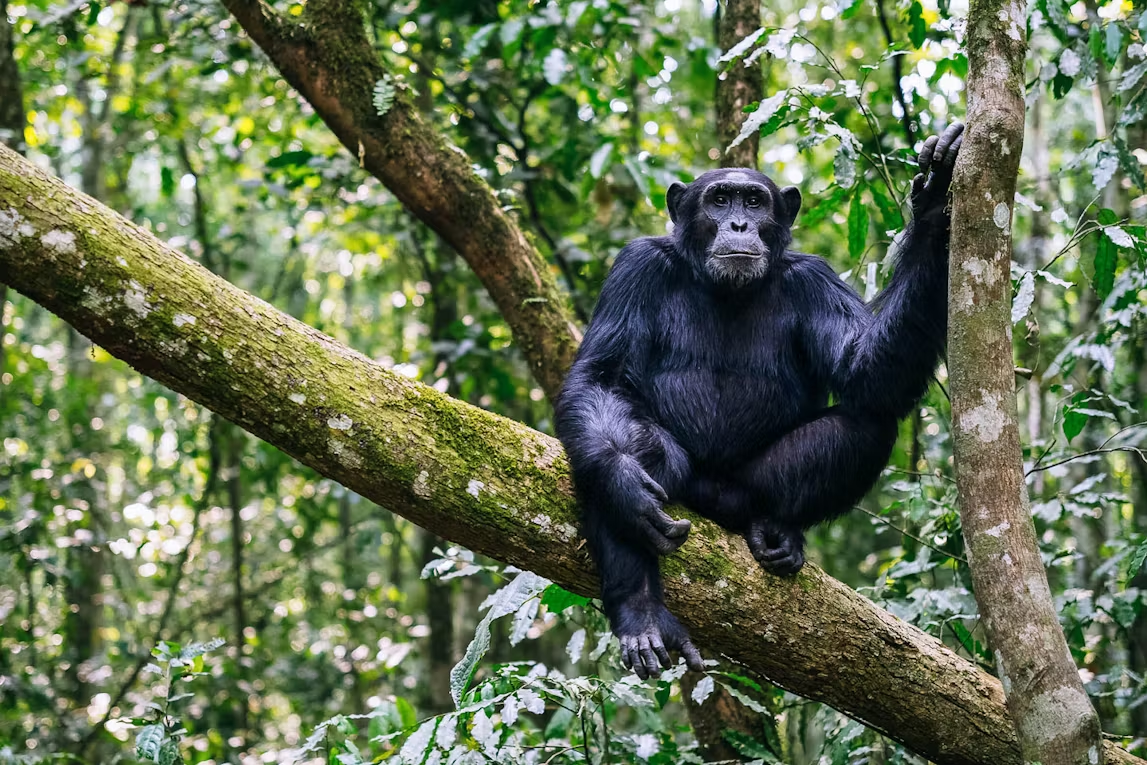
These ancient forests are home to a significant population of chimpanzees, hundreds of species of birds, and about 60 tree species, including indigenous hardwoods and bamboo, making them an excellent, crowd-free alternative to Nyungwe National Park.
Gishwati-Mukura National Park was opened to tourism in 2019. It offers an incredible rainforest experience, blending conservation, culture, and primate tracking. Activities conducted here include guided chimpanzee and golden monkey tracking, guided nature walks, bird watching, and sightseeing.
Wildlife in Gishwati–Mukura National Park
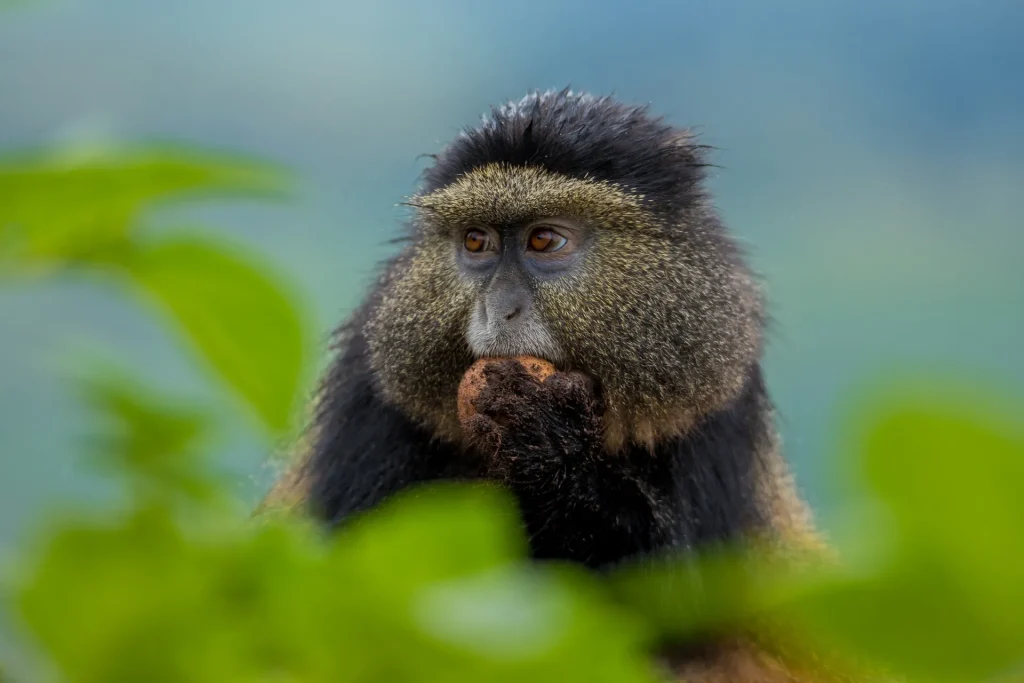
Golden monkey in Gishwati–Mukura
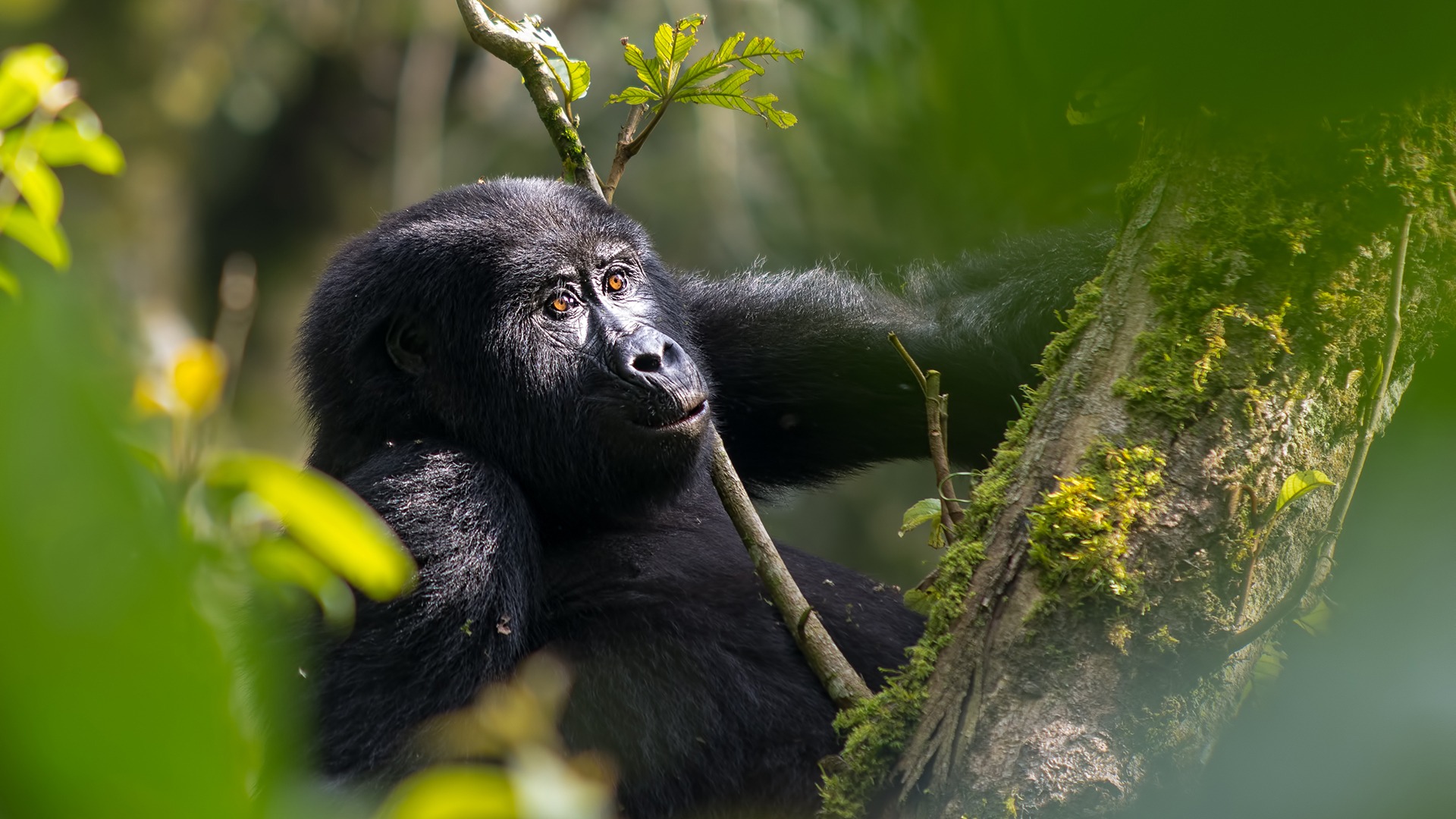
Gishwati-Mukura National Park hosts a community of 20 chimpanzees that live alongside golden monkeys, L’Hoest’s monkeys, and blue monkeys. About 232 species of birds have been recorded in Gishwati and 163 in Mukura, some of which are Albertine Rift Endemics and forest specialists.
Activities in Gishwati–Mukura National Park
Chimpanzee tracking
Chimpanzee tracking is the main activity carried out in Gishwati-Mukura National Park. It starts as early as 6:00 a.m., first with a safety briefing, and then visitors are led by armed ranger guides into the forest to search for a habituated chimpanzee troop. Only one hour is allotted to a group of eight visitors upon finding them. The entire excursion can take anywhere between 2 and 6 hours.
Golden monkey tracking
Gishwati Mukura National Park is home to a considerable population of golden monkeys although Volcanoes National Park offers a superior tracking experience for these playful creatures. Golden monkeys live in bamboo forests and habituating them has helped them overcome their natural fear of humans, allowing for daily tourist visits.
Waterfall hike
Gishwati-Mukura waterfall is one of the most popular attractions in the park due to its exceptional beauty. While the full jungle hike is extremely challenging, the impressive view from the top is well worth the extra effort. The less adventurous can take a cable car up to the falls or remain down below to admire the captivating scenery.
Bird watching
With over 235 species of birds recorded, Gishwati-Mukura National Park is a prime bird-watching destination. Ardent birders can watch out for the endangered Albertine Rift endemics, such as the Rwenzori Blue Turaco as well as Regal Sunbird, Grauer’s Swamp Warbler, Rwenzori Batis, Woodhoopoe, Purple-breasted Sunbird, Martial Eagle, Strange Weaver, Grey Crowned Crane, Dusky Crimson Wing, Mountain Yellow Warblers, and Red-throated Alethe.
Nature trails
Three marked trails have been created in Gishwati Mukura National Park, allowing visitors to easily access the hikes. For instance, the Umushwati Trail is a 5-mile trek through the heart of the forest and can be approached as an out-and-back route or used to connect to either of the other park trails.
The magnificent waterfalls can be accessed via the 4-mile Waterfall Trail, while the steep, almost 2-mile Matyazo Hill Trail leads to a hilltop with elevated views of the forest. Whichever trail you choose, keep an eye out for the park’s wildlife en-route.
Best time to visit Gishwati–Mukura National Park
The best time to visit Gishwati Mukura National Park is during the dry seasons from June to September and December to February when the forest trails are drier, offering the best conditions for hiking and tracking primates. There is a lower probability of rain showers and a lesser likelihood of having to deal with muddy trails.
However, this coincides with peak safari seasons meaning you can expect high safari rates. Whenever you visit, warm, waterproof clothing and hiking shoes are essential.
Getting to Gishwati–Mukura National Park
Gishwati-Mukura National Park is situated on the main road between Rubavu and Karongi, making it easily accessible. It’s a 40-minute drive from Rubavu, the closest town. If you’re traveling from the capital, you’ll head north on the RN4 towards Musanze to reach the park faster.
Kigali International Airport (KGL) is the main point of entry for most international travel to Rwanda.
Where to stay in Gishwati–Mukura National Park
All visits to Gishwati-Mukura National Park are conducted as part of a stay at the hilltop Forest of Hope Guest House. Being the only accommodation facility in the park, it isn’t possible to pay for park fees separately. It is combined with the entire park fee, including three meals per day, selected soft drinks, and all guided activities and community visits.
Other accommodation options near the park include;
Gishwati Lodge (luxury)
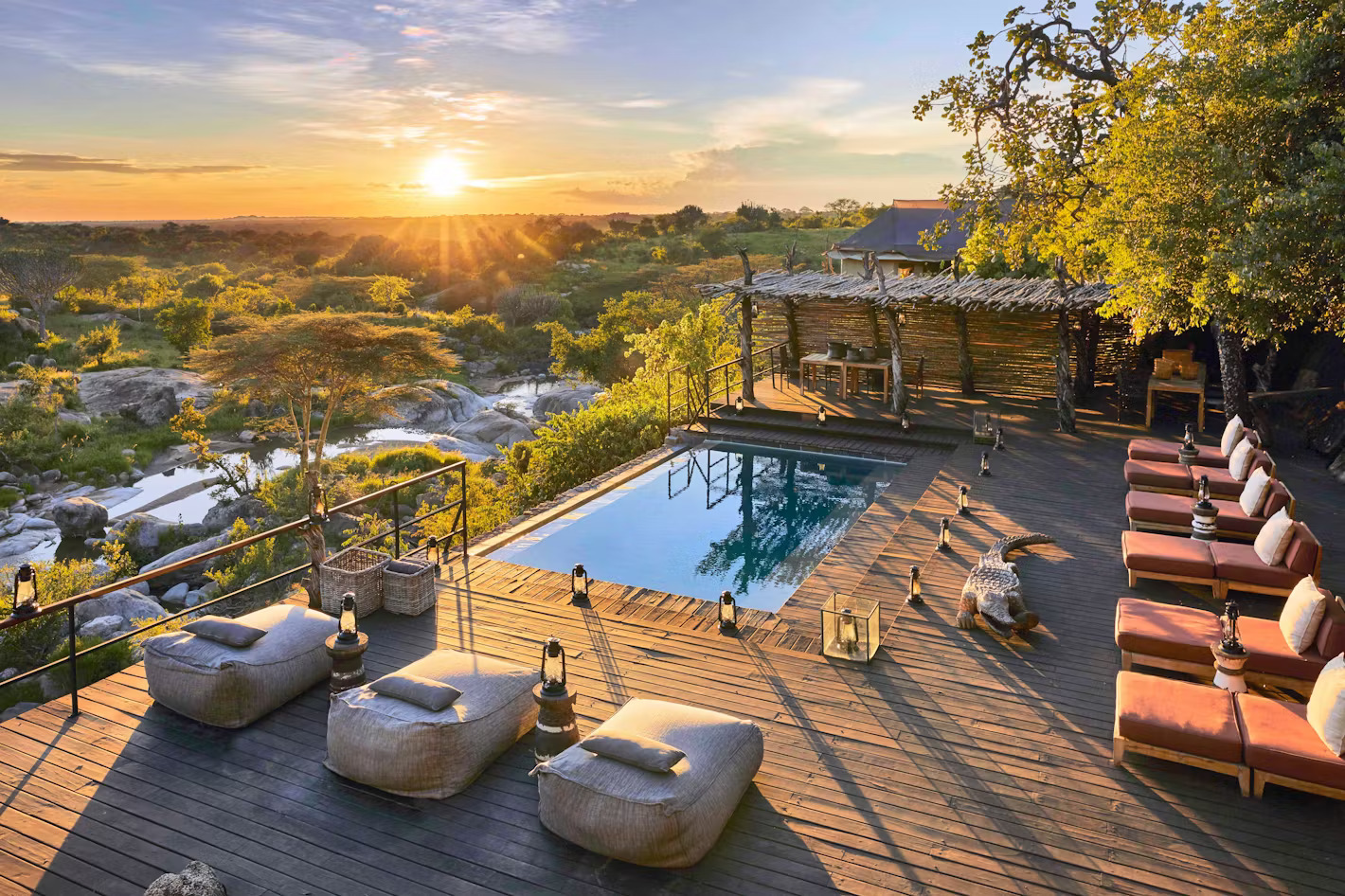
This Wilderness Safaris-operated property features six luxury villas that can host a maximum of fifteen guests. The lodge offers breathtaking views of the park, and guests are well attended to by experienced staff. Gishwati Lodge suits travelers who wish to explore the park and the surrounding community.
Sample Trips
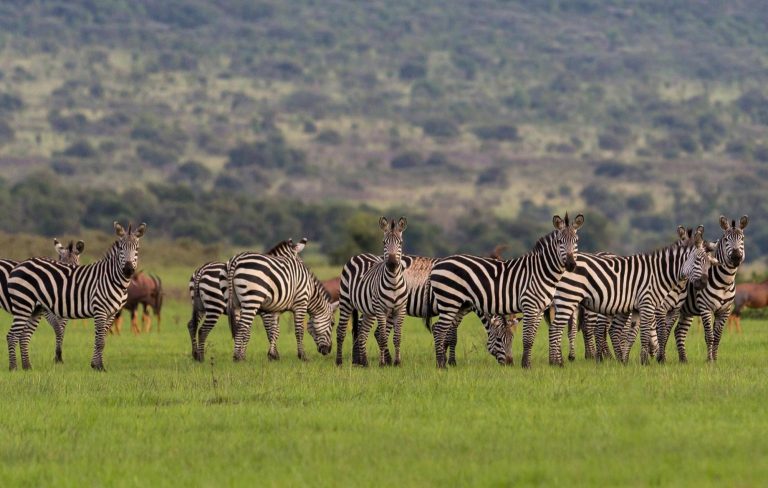
10 DAYS
Ultimate Rwanda Safari (Gorillas & Wildlife)
Destinations: Akagera, Nyungwe Forest & Volcanoes
- Intimate and exclusive gorilla trekking and wildlife viewing
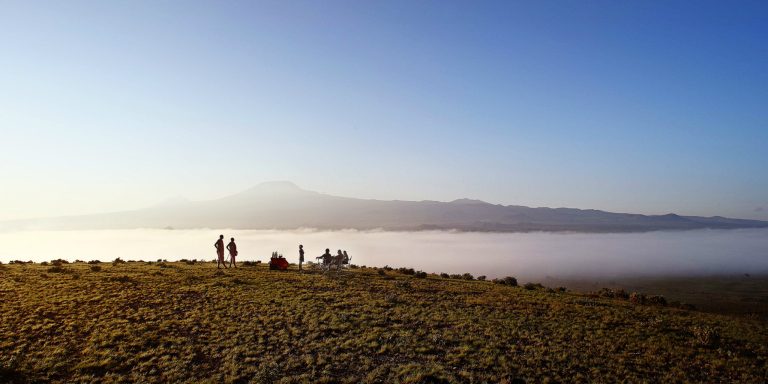
11 DAYS
Kenya & Rwanda Luxury Safari
Destinations: Kenya’s conservancies & Rwanda’s Volcanoes
- Dramatic landscapes, wildlife and gorillas showcase while staying in luxury lodges and tented camps
