
Gorilla Tracking in Rwanda
Africa’s Most Accessible Gorilla Trekking
Gorilla trekking is the quintessential wildlife experience in Rwanda and a top activity to tick off your bucket list. The country offers Africa’s most accessible gorilla tracking, making it the best destination to see these endangered species in their natural habitat. It is usually the highlight of most visits to Rwanda.
While gorilla tracking is considered a thrilling activity, you need to prepare beforehand for an exceptional experience. Here’s our guide to gorilla trekking in Rwanda including the cost of permits, where to find gorillas, what to wear and best time to visit.
What is gorilla trekking?
Gorilla tracking is a wildlife activity that involves hours of hiking through thick forest, steep hills, narrow footpaths and across streams in order to see wild gorillas. You are led by expert guides who clear the path through the foliage with a machete and two armed rangers to ensure your protection.
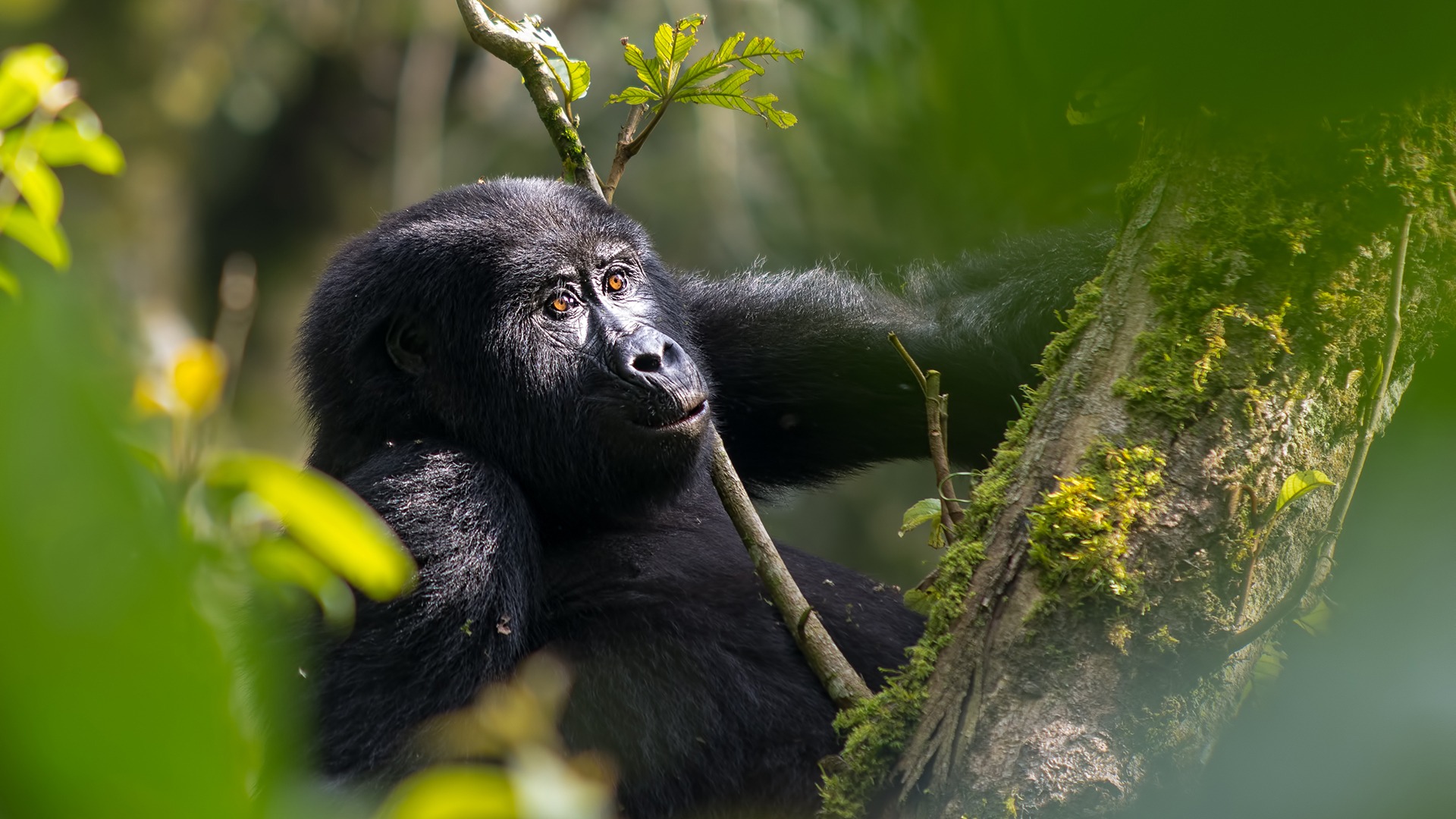
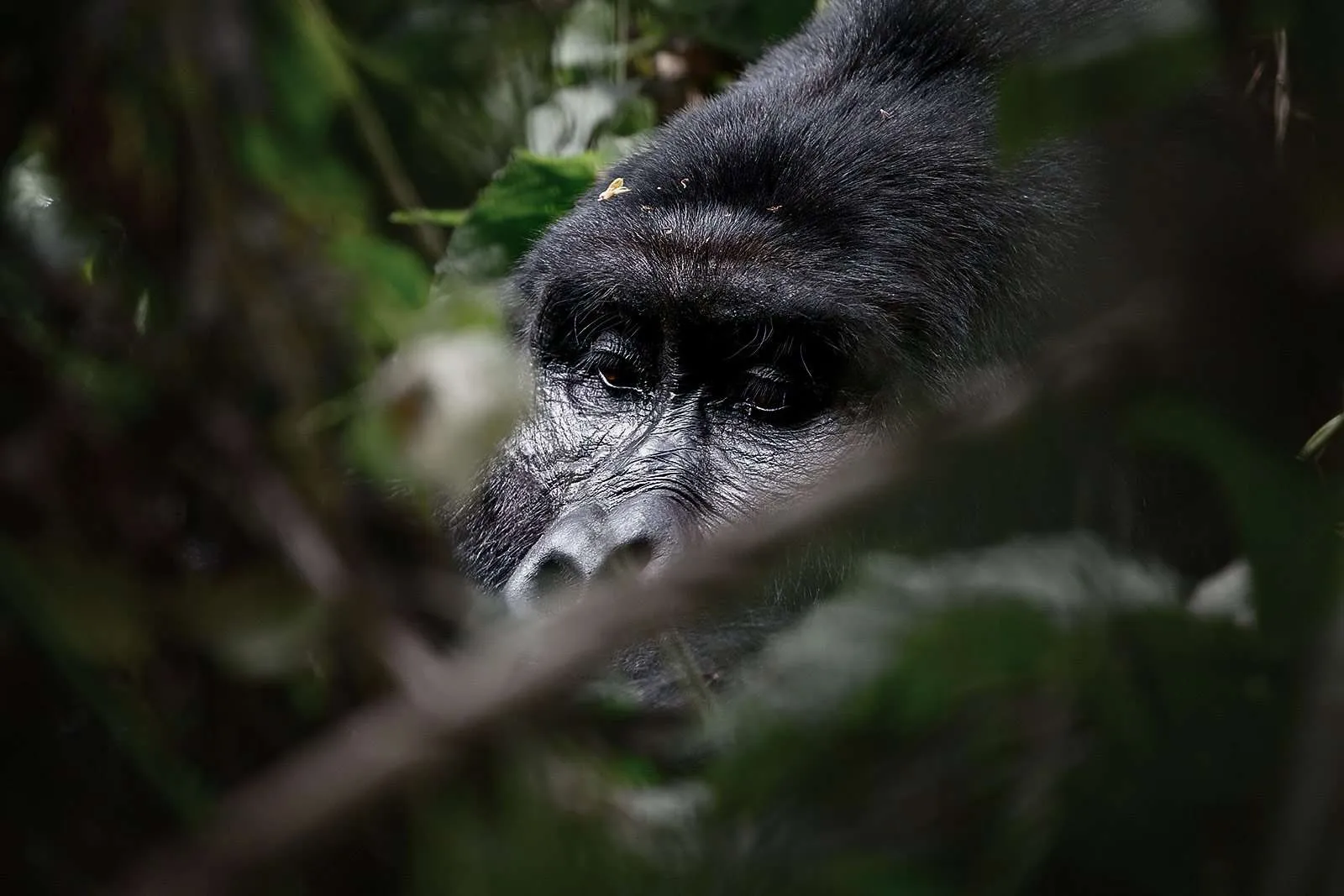
Seeing a family of habituated mountain gorillas in their natural environment is unique and life-changing. Those who have been on a gorilla trekking safari in Rwanda highly rate the activity, saying no other wildlife encounter in Africa compares to meeting a benevolent silverback face-to-face in a natural setting.
However, to enjoy gorilla tracking, you need to consider your fitness levels and be properly equipped for a tough environment since you’ll be hiking in high altitude and physically demanding areas.
Where can you see mountain gorillas in Rwanda?
In Volcanoes National Park. Mountain gorillas can be found in Volcanoes National, Rwanda, which is part of the larger Virunga Mountain Ranges. It is home to approximately 380 individuals and there are 12 fully habituated gorilla families available for daily visits. About 96 permits are available every day.
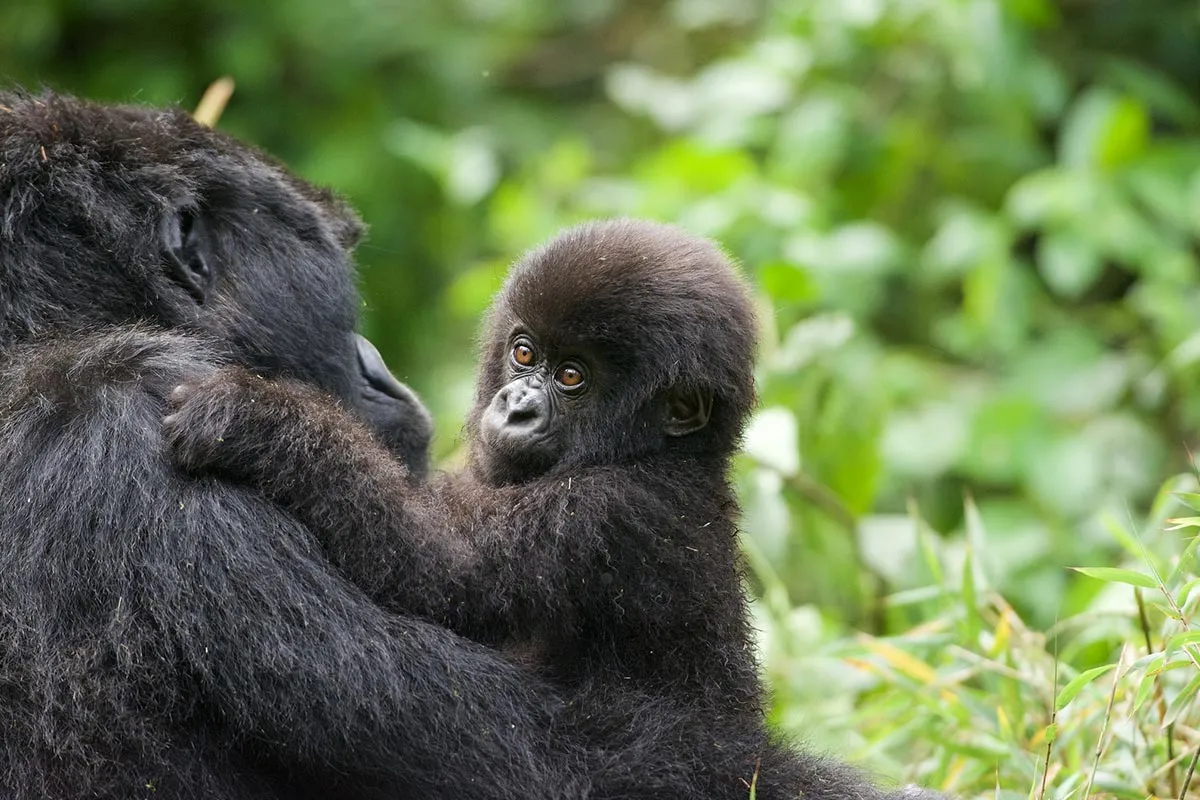
Gorilla families in Volcanoes National Park include Bwenge, Susa, Agashya, Hirwa, Karisimbi, Ugenda, Kwitonda, Sabinyo, Umubano, Amahoro, and Titus. Encountering these apes up close in their natural habitat is not only impressive but also directly supports conservation efforts and population growth.
Volcanoes National Park is located in northwest Rwanda, about 105 kilometers from Kigali and is a two-hour drive from Kigali International Airport. It is the only place in Rwanda to see mountain gorillas.
When visiting Rwanda for gorilla tracking, you can spend a couple of days in Kigali at the beginning or end of your trip or make your way directly to Volcanoes National Park.
What to expect when gorilla trekking in Rwanda?
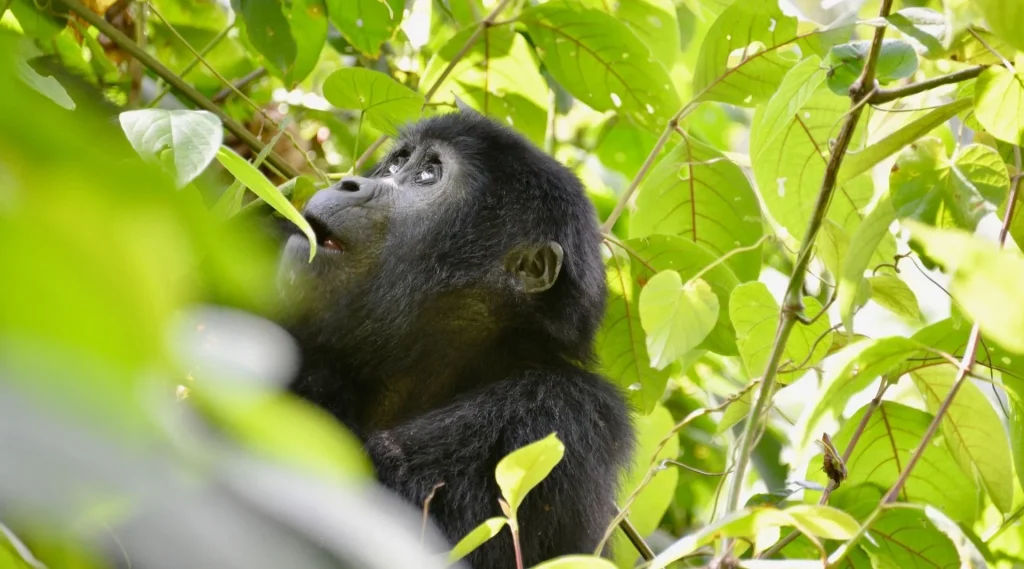
What to Expect on Gorilla Trekking
Gorilla tracking in Rwanda typically starts at 7:00 a.m. with a briefing session at the park headquarters in Kinigi. You’ll go through the essential rules you must follow when hiking and in the presence of the gorillas. Make sure you follow the ranger’s instructions.
Once all the formalities are complete, you’ll then navigate the steep slopes, rough terrain and sometimes muddy paths in search of a family of habituated gorillas. Treks can last anywhere between one and six hours before you find them. The expert tracker usually works in consultation with other rangers and trackers to trace your gorilla troop.
After finding them, you’re only allowed to spend a maximum of one hour in their presence, observing their gentle yet humble nature in silence from a safe but intimate distance of 10 meters. The distance is important for the safety of both the visitors and the gorillas and helps minimize the risk of disease transmission since we share 98.3% of DNA.
The time seems so little but it is worth the trek. You will watch them munching, playing, sleeping, or grooming each other. The unique opportunity to spend a whole hour sitting quietly on the chilly ground of a rainforest in Africa is truly unforgettable. Read more
Do you need a permit to see gorillas in Rwanda?
Yes, you need a permit to see gorillas in Rwanda’s Volcanoes National Park. This is because permits are crucial for regulating visitor numbers. They help to prevent overcrowding and minimize human impact on the gorillas and their environment, ensuring controlled, sustainable and safe gorilla trekking for both visitors and the gorillas.
Additionally, the revenue collected from permits directly supports conservation efforts through funding ranger guides, community projects and initiatives that protect these endangered species.
What is the cost of gorilla permit in Rwanda?
A gorilla permit in Rwanda costs USD 1,500 per person for foreign non-residents, USD 500 for foreign residents and USD 300 for East African residents. It guarantees a maximum of one 1 hour in the presence of a habituated gorilla family. Permits sell out months in advance. Book early to secure one. The minimum age for obtaining a Rwanda gorilla permit is 15 years.
Rwanda gorilla permits are priced higher because the country targets wealthier travelers and markets as a luxury destination. Visitors must obtain them (permits) to have access to the gorillas in Volcanoes National Park.
Gorilla tracking in Rwanda isn’t that cheap. It is an expensive activity because gorilla conservation is very costly and you’ll be hiking in difficult-to-access areas to find the gorillas but it is incredibly rewarding after meeting them.
How do I get a gorilla permit in Rwanda?
Gorilla permits in Rwanda can be obtained online through the Rwanda Development Board website, or via a reputable tour operator like Exploits Travel. Book in advance to secure your spot since only 96 permits are available each day.
What is the minimum age for gorilla trekking in Rwanda?
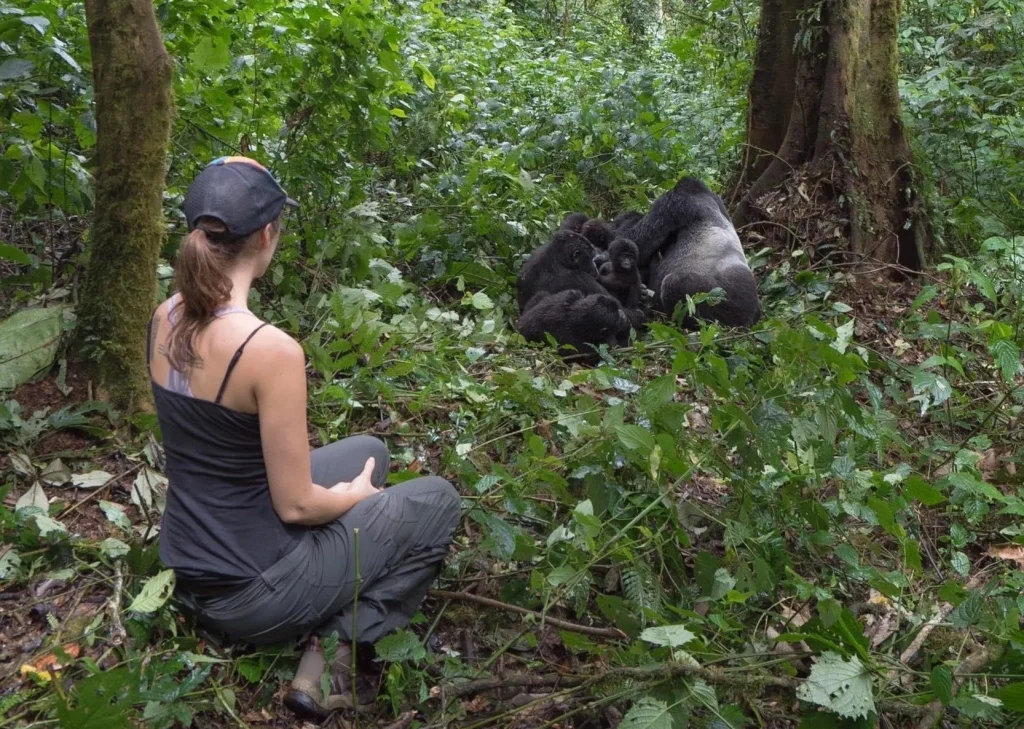
Minimum age for gorilla tracking
15 years is the minimum age for gorilla trekking in Rwanda. The 15 years minimum age policy was set and often enforced by the Rwanda Development Board to ensure the safety of both the gorillas and the trekkers.
- Gorilla tracking is a physically demanding activity involving hiking through rugged terrain and climbing steep hills. Children under the age of 15 may not be fit enough to handle the trek.
- Gorillas are susceptible to human diseases, and children are more vulnerable to communicable illnesses that could infect and harm gorillas. The age limit helps minimize the risk of transmission.
- Children may not be able to handle being close to gorillas and the potential negative reactions from the gorillas or the stress of the trek.
How difficult is gorilla tracking in Rwanda?
Gorilla tracking in Rwanda is physically demanding and requires a moderate level of fitness. This is because mountain gorillas live in dense, protected rainforests that cover a handful of mountain ranges reaching altitudes between 2,500m and 4,500m.
To see them, you will have to hike through dense vegetation, steep, muddy, and sometimes slippery terrain and spend anywhere from 2 to 9 hours, depending on the location of your gorilla family. Read more
Is gorilla trekking in Rwanda worth the money?
Yes, gorilla trekking in Rwanda is worth the money because mountain gorillas are an endangered species with a global population of 1,063 individuals. Seeing them in their natural environment is a rare and moving opportunity that sticks with you forever.
Getting surprisingly close to a benevolent four-hundred-pound silverback watching over his family just a few meters away is absolutely priceless – this makes it worth the money. You will also be contributing to the protection of the already endangered gorillas and the conservation of their habitat.
Is gorilla trekking in Rwanda safe?
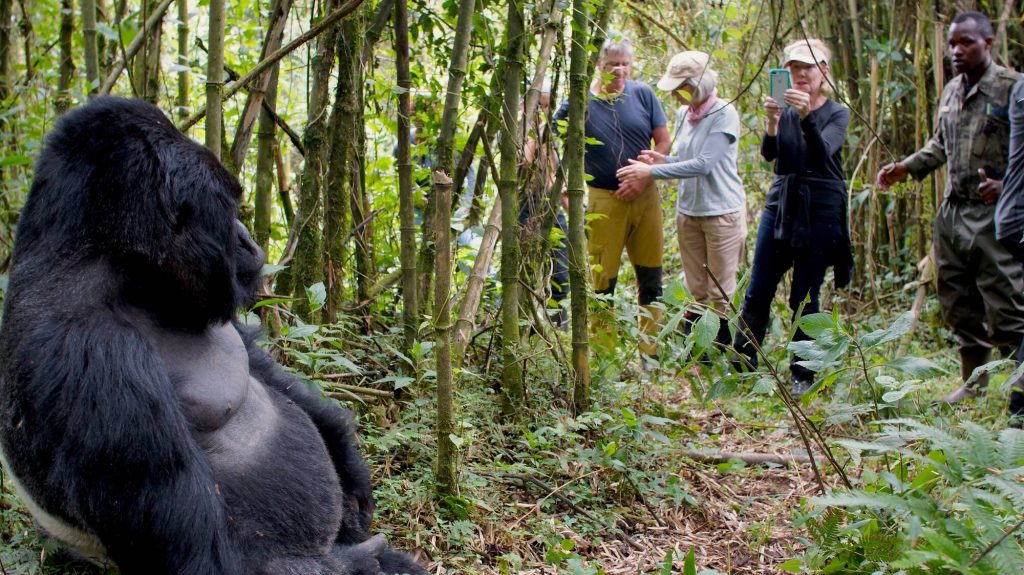
Gorilla trek
Yes, gorilla trekking in Rwanda is a safe activity so long as you follow the rules and guideline when trekking and listen to your guide. Although mountain gorillas are large and powerful, it will take them a provocative move to hurt humans. They are gentle and safe to be around the entire time you are in their presence.
Gorilla groups are habituated meaning they are already used to being around humans. You just have to obey the rules to ensure your safety and the well-being of the gorillas.
When is the best time for gorilla trekking in Rwanda?
The best time for gorilla trekking in Rwanda is during the dry seasons from June to September and December to February (also the peak seasons). These months offer the most favorable trekking conditions, as there is less rainfall and the trails are dry and less slippering, making them easier to navigate. The risk of malaria is also minimal.
What to pack for gorilla trekking in Rwanda?
You can pack broken-in hiking boots for protecting your ankles, long-sleeved shirts, long pants, double-layered socks (cotton inners and thick outers) plus knee-high gaiters, a rain jacket or poncho, a hat, a water bottle, insect repellent, a camera, extra batteries, binoculars, sunscreen, and a first aid kit. Please read more about what to pack for gorilla trekking.
Sample Trips
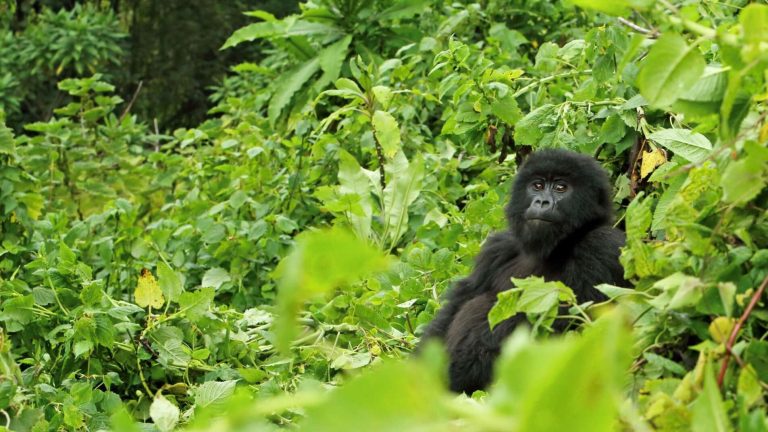
3 DAYS
Rwanda Gorilla Safari
Destinations: Volcanoes National Park
- Unforgettable gorilla trekking with stays is top-rated luxury lodges
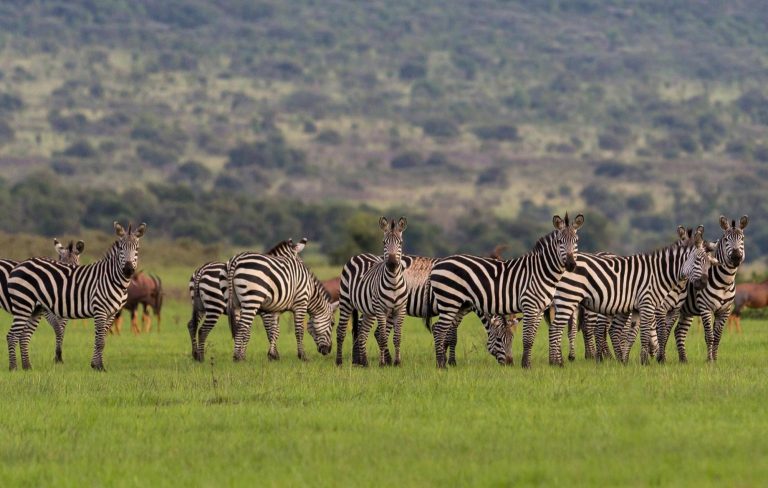
10 DAYS
Best of Rwanda Safari
Destinations: Volcanoes, Nyungwe and Akagera National Parks
- Exclusive gorilla and Chimpanzee tracking
